August brings sustained heat — air temperatures above 39 °C — and channel catfish farming gets hard. The main problems in high heat:
1. Oxygen deficiency and surface gasping, especially total pond kill. As farmers say: "one surface-gasping event sets growth back five days; one pond kill wipes out the whole year."
2. Water quality problems, especially nitrite. Market ponds commonly run 0.4–0.5 mg/L nitrite, some above 1.0 mg/L — seriously stressing the fish.
3. Feeding problems, especially the first feed. First-feeding refusal is widespread; some ponds stop eating entirely, slowing growth and lengthening the production cycle.
Countermeasures
1. Aeration management
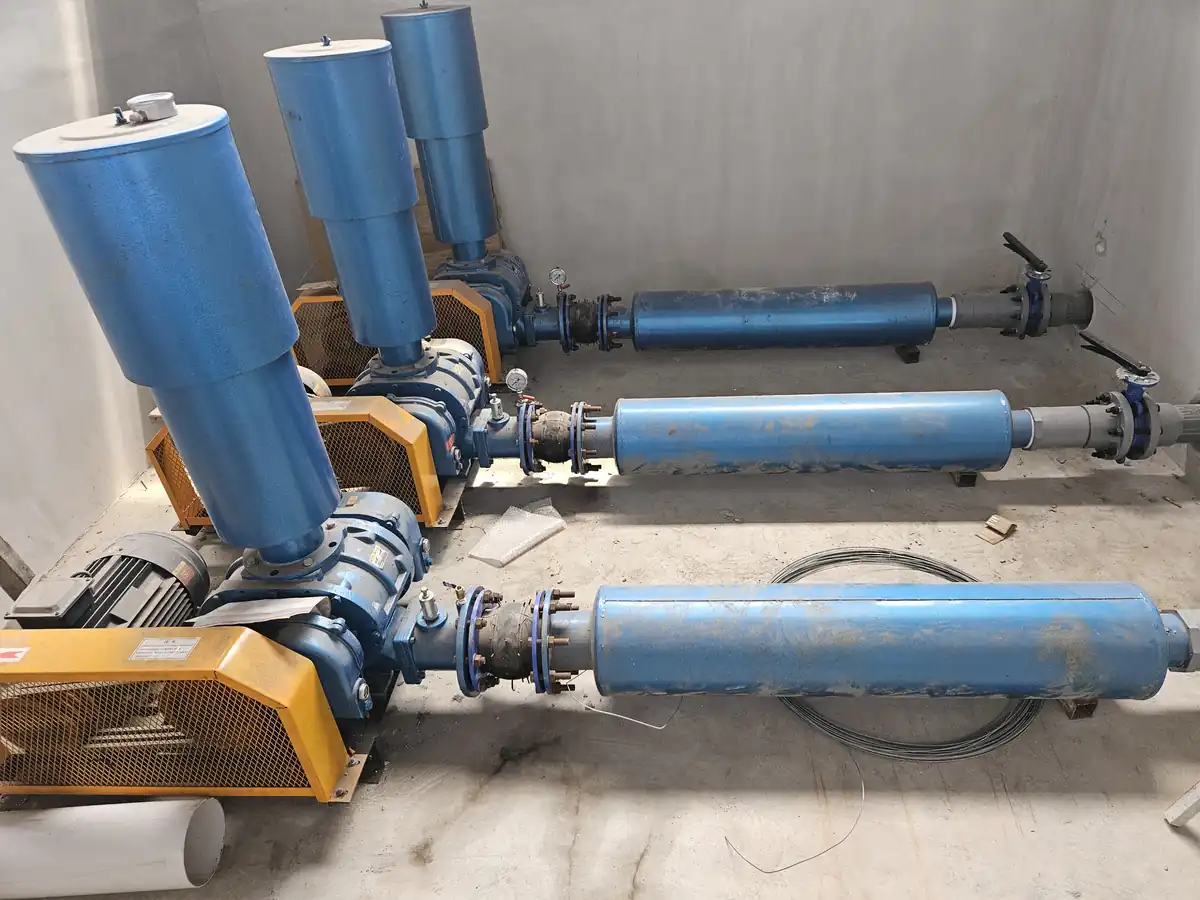
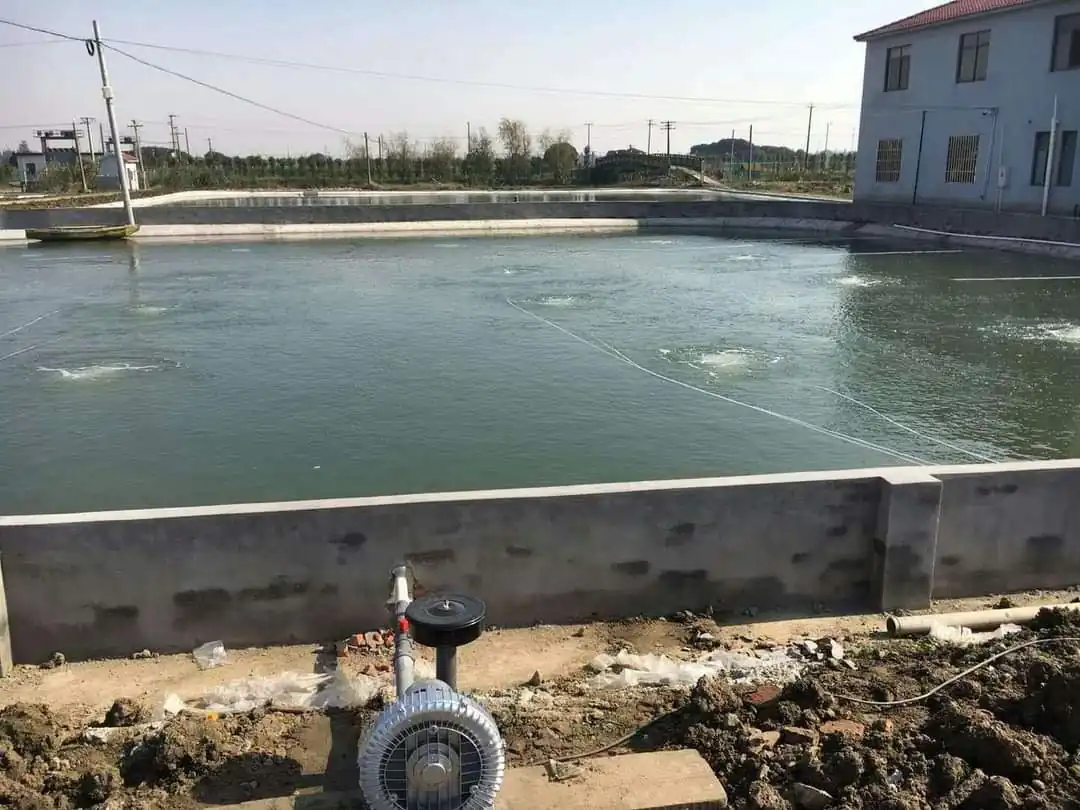
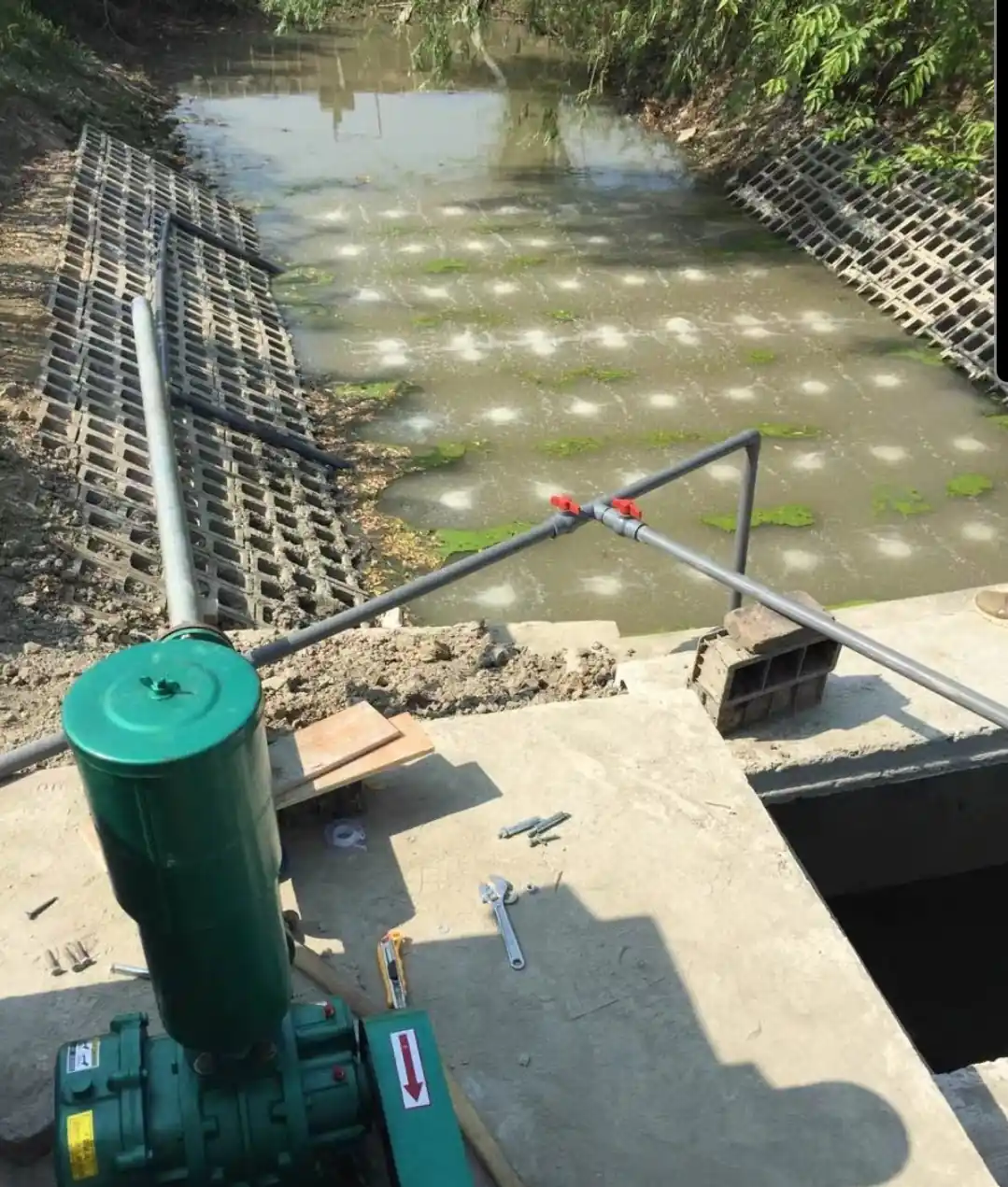
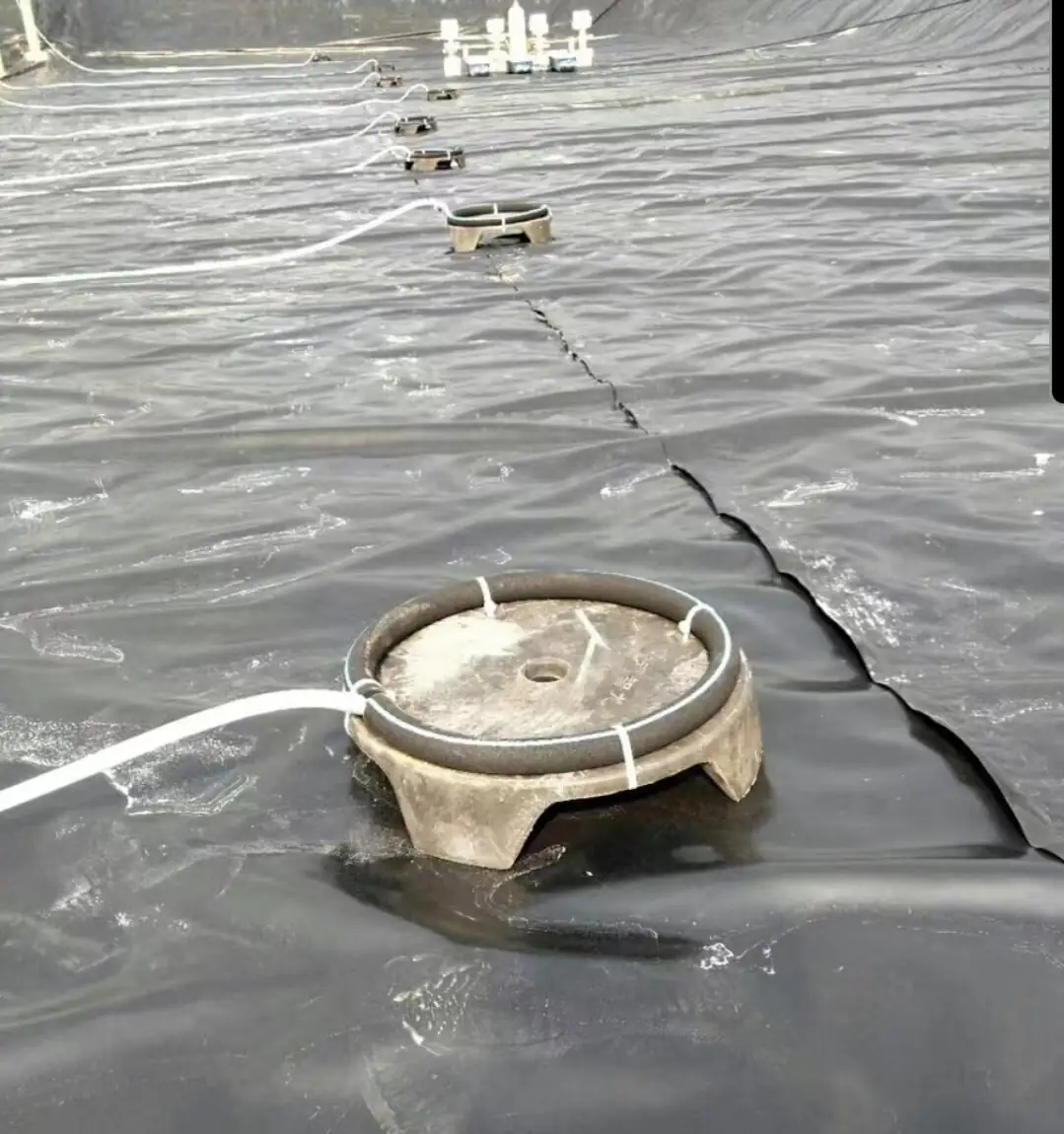
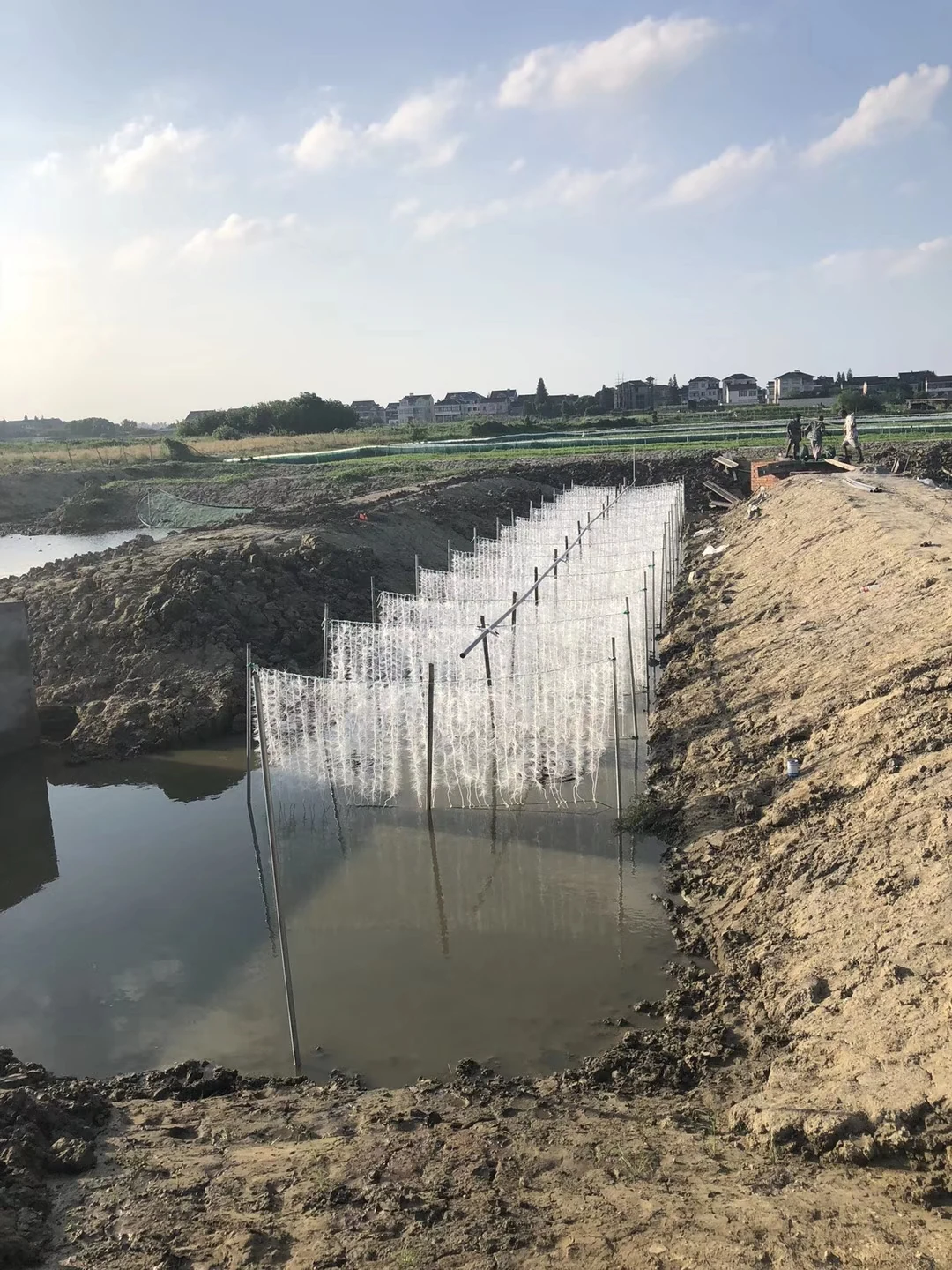
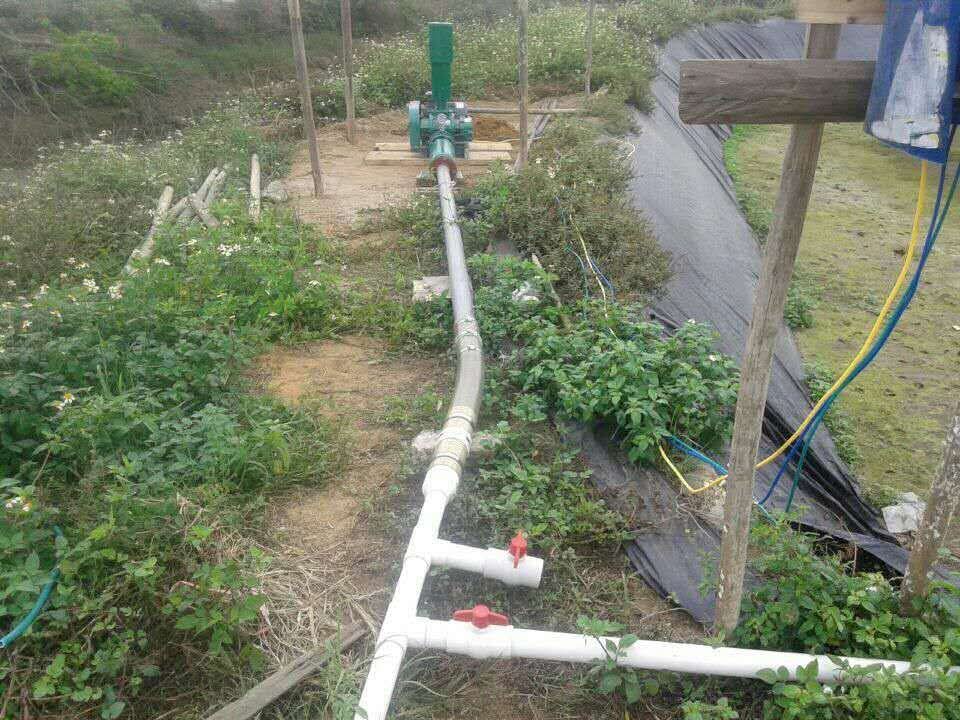
Aeration is critical in hot weather. Electricity is cheap — pond kill is not. Follow the rule: "start aerators an hour earlier at night, stop an hour later in the morning, run them often at midday." Recommended setup: a three-lobe Roots blower with nano microporous aeration tubing and bottom diffuser discs, aerating from pond bottom to surface. One Roots blower moves far more oxygen than a paddle wheel, and uses less electricity too.
For ponds that often refuse feed, sprinkle an oxygen-release product around the feeding area in August (sustained bottom oxygenation for ~72 h), every 3–4 days, half a pack per use.
2. Nitrite treatment
Field data shows catfish show poisoning symptoms when nitrite exceeds 0.5 mg/L:
- Nitrite < 0.5 mg/L: condition the bottom regularly with bottom-improvement products (2–3 mu/bag plus 6–8 mu/bag, every 5–7 days); use oxygen-release product near the feeding area every 3–5 days.
- Nitrite > 0.5 mg/L: first apply a nitrite-reducing treatment, then follow with a dedicated nitrite remover plus bottom conditioner until levels drop.
3. Water quality stabilization
In high heat, algae metabolize fast and age/die quickly, while uneaten feed, faeces and dead algae consume large amounts of oxygen — roughly 800–1,100 jin of oxygen-demanding organic matter per tonne of feed. Keep the pond stable with regular beneficial-bacterial bottom treatment (20 mu·m per pack), every 5 days in hot weather.
4. Control pests in time
Patrol regularly. Take a bucket of water along the pond edge; if insects are numerous, treat along the bank about 1 m from shore early in the morning just after sunrise.
5. Build body condition
In high heat, digestive function weakens, feed conversion drops and the water becomes more polluted; the fish also become less resistant to disease. Feed immune/liver-health supplements regularly (7–10-day courses) to restore the catfish's condition quickly.