Spring weather changes quickly: water temperature rises gradually while day-night temperature differences stay large. This is a critical period for aquatic animals to build up condition, prevent disease and improve survival and quality. The following technical guide covers the key measures for stable production.
1. Measures during the hatchery stage
During hatchery work, disinfect fish fertilized eggs, farming equipment and culture water. Purify incoming water with a multi-stage process: large-organism isolation, primary disinfection and settling, secondary disinfection and settling, UV disinfection, organic-matter removal and water storage. This keeps broodstock and seed-fish water free of pathogens and reduces organic load. Water must be tested for pathogens and water quality before it enters the production area — water that contains pathogens or fails water-quality standards must not be used.
2. Measures during the grow-out stage
Increase dissolved oxygen.
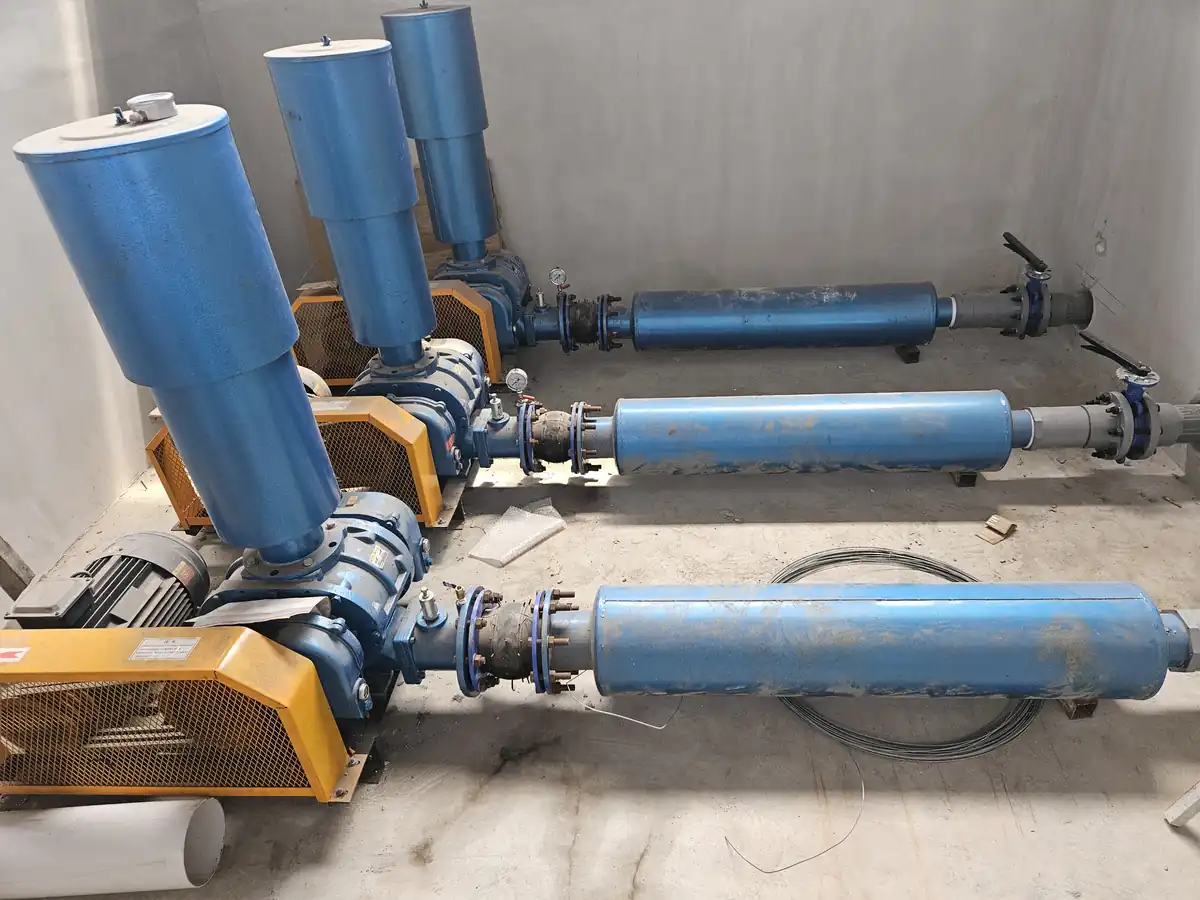
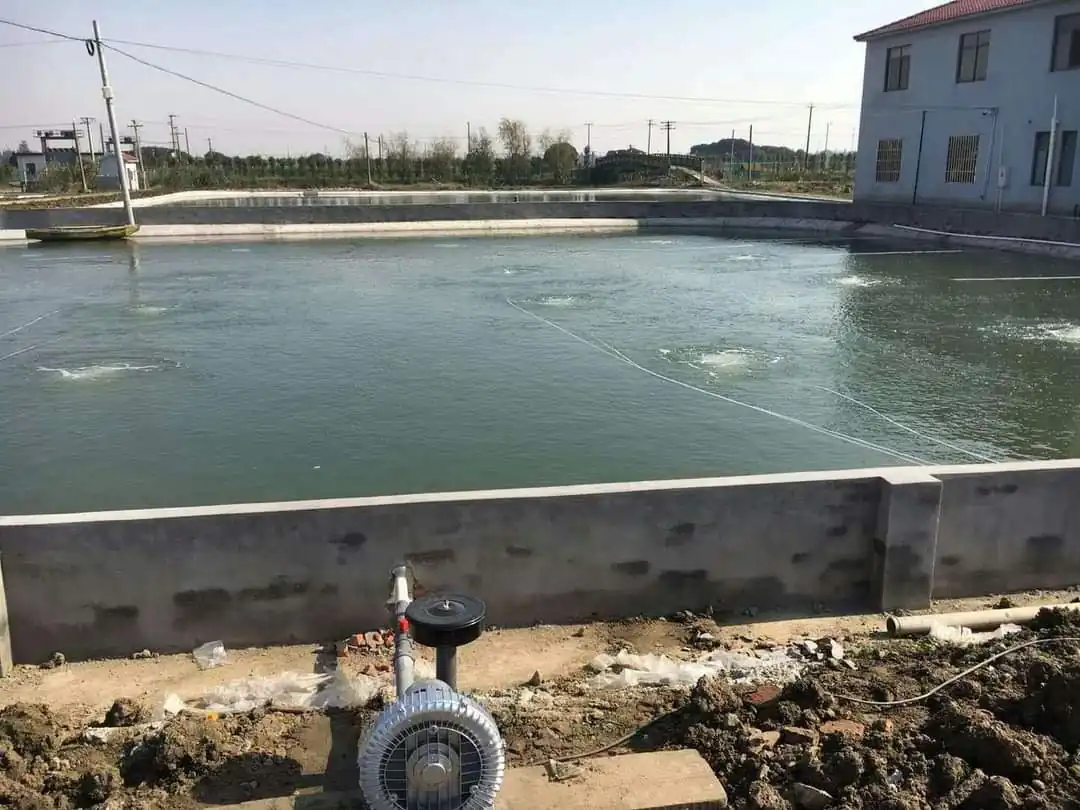
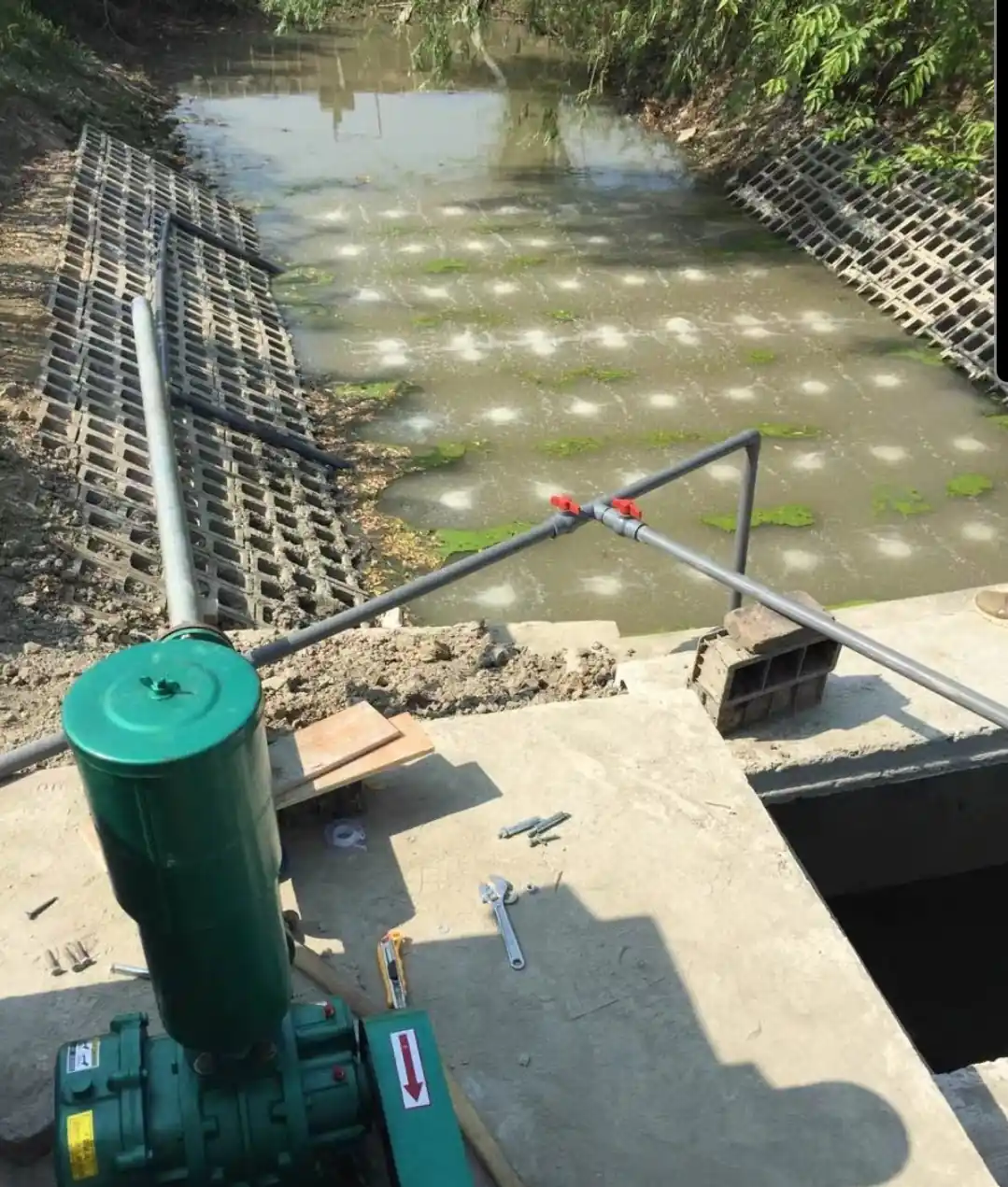
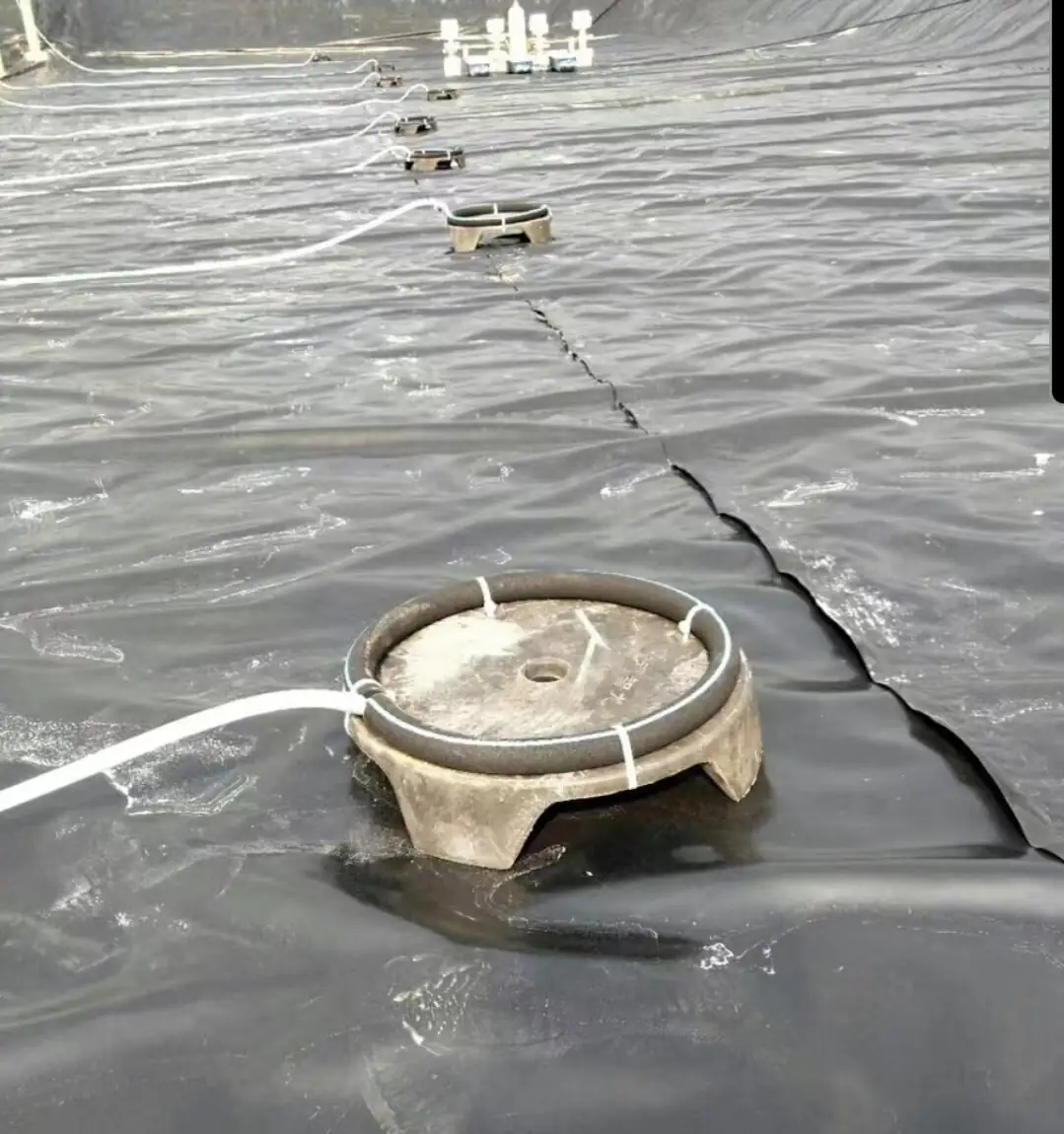
Turning over the bottom water releases harmful substances such as ammonia nitrogen, nitrite and hydrogen sulfide. Increase the running frequency of your aerators — run the Roots blower more often with bottom microporous aeration tubing to avoid oxygen depletion caused by deteriorating water.
Reduce stocking density.
Thin out stock by splitting ponds (transferring grown fish) and marketing market-size fish earlier, lowering the fish load per pond. Handle fish gently to avoid injury and stress.
Feed sensibly.
For densely stocked grow-out fish, reduce feed slightly and add immune-boosting feed additives to the diet.