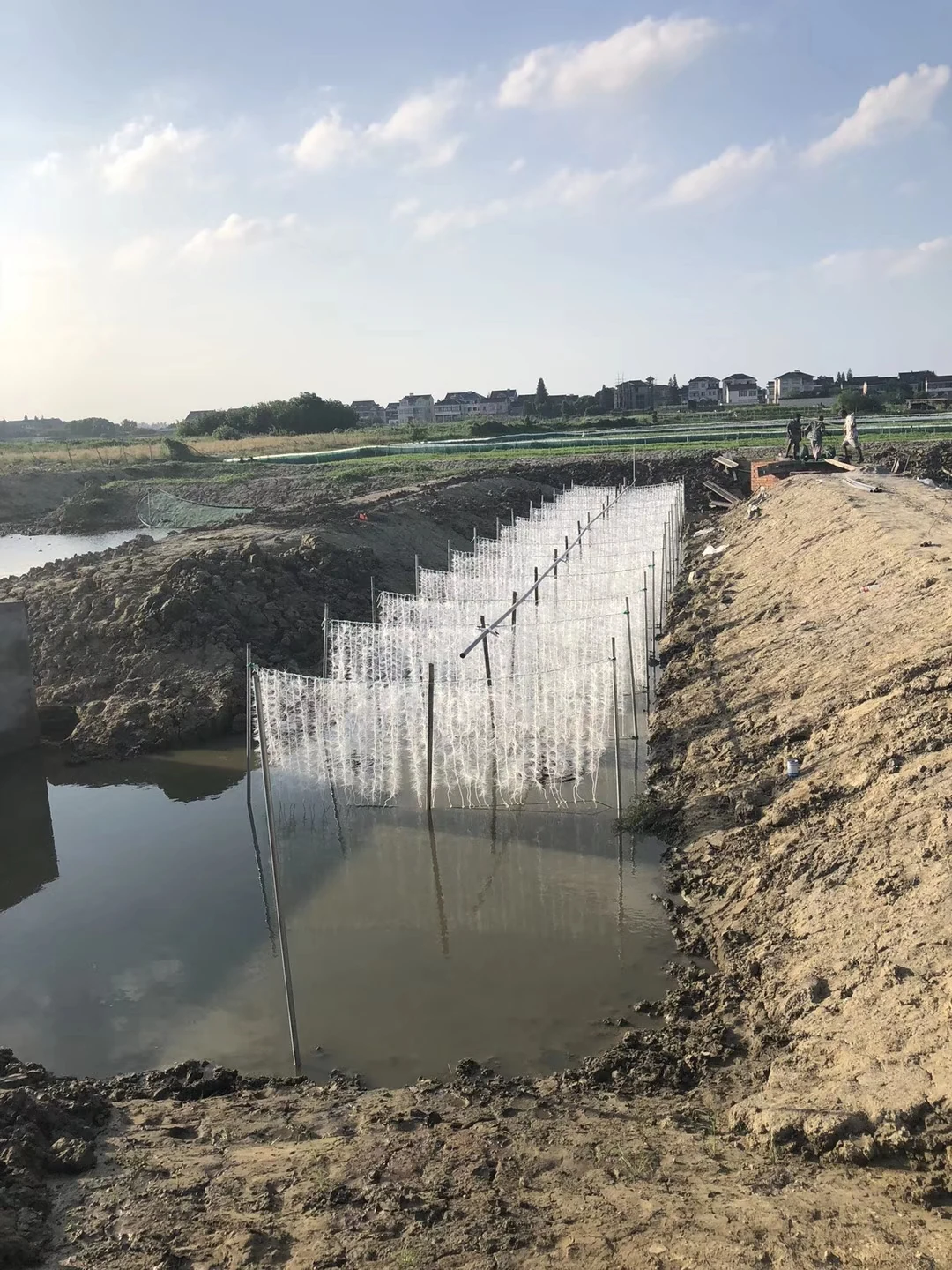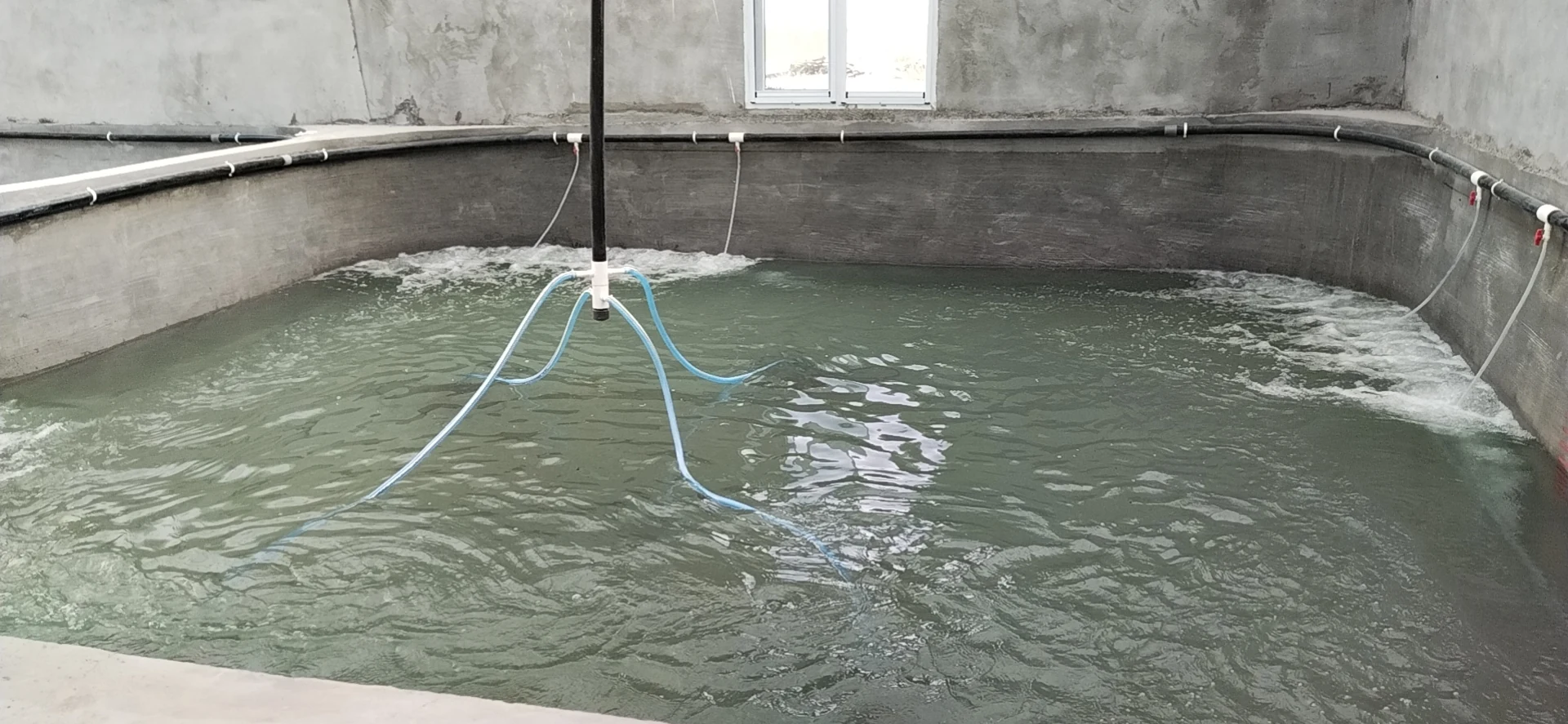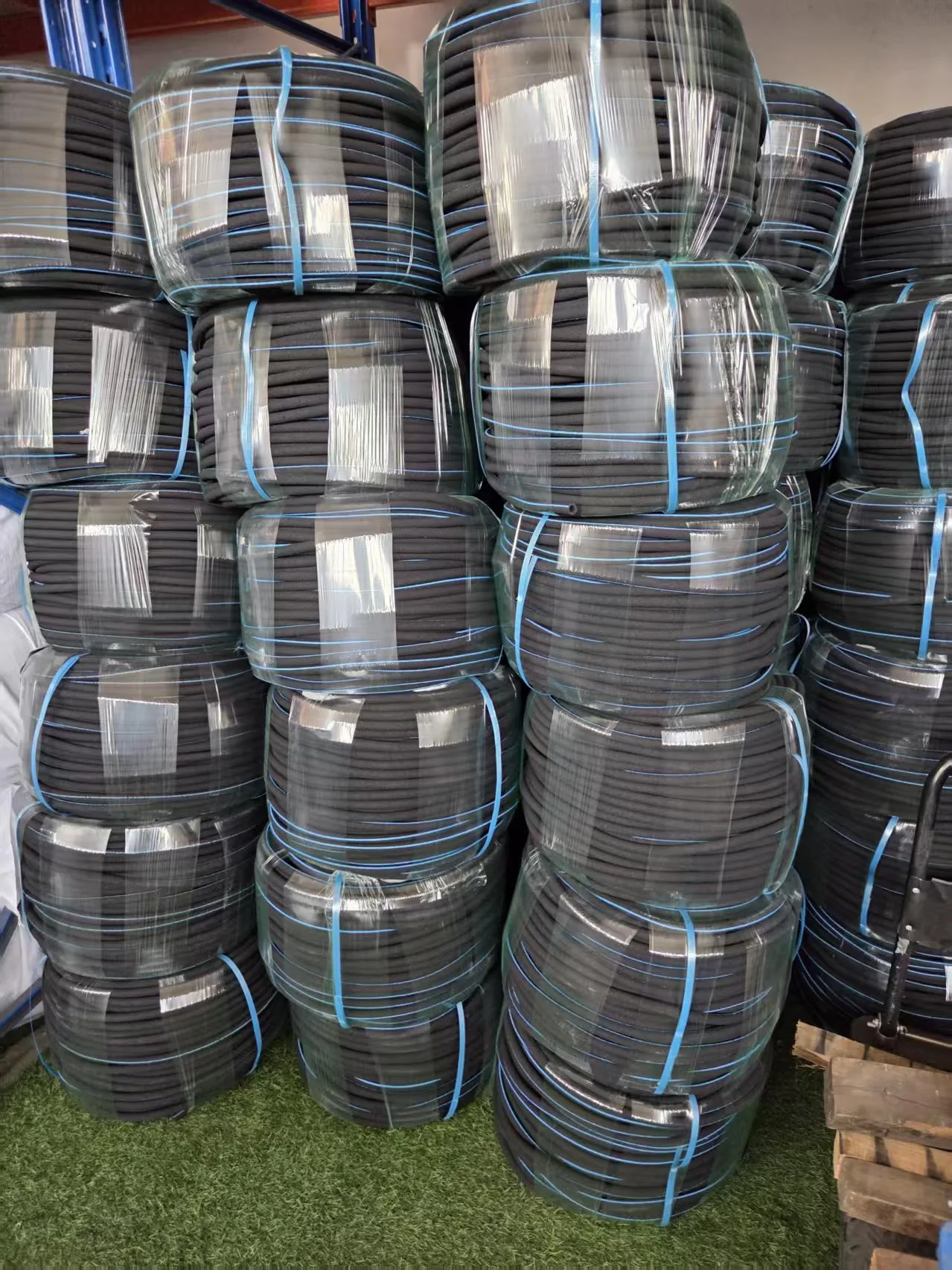
The polymer nano microporous aeration tube is formed in one piece from polymer material blended with activated carbon, rubber, a long-acting antibacterial agent and a hydrophobic anti-corrosion compound. The self-formed micron-scale pores give it self-sealing anti-clogging behaviour, corrosion and ageing resistance, fine bubbles, high dissolved-oxygen performance, good air permeability and low power consumption. It is widely used for microporous bottom aeration in aquaculture and for static aeration applications.
How energy-saving microporous bottom aeration works:
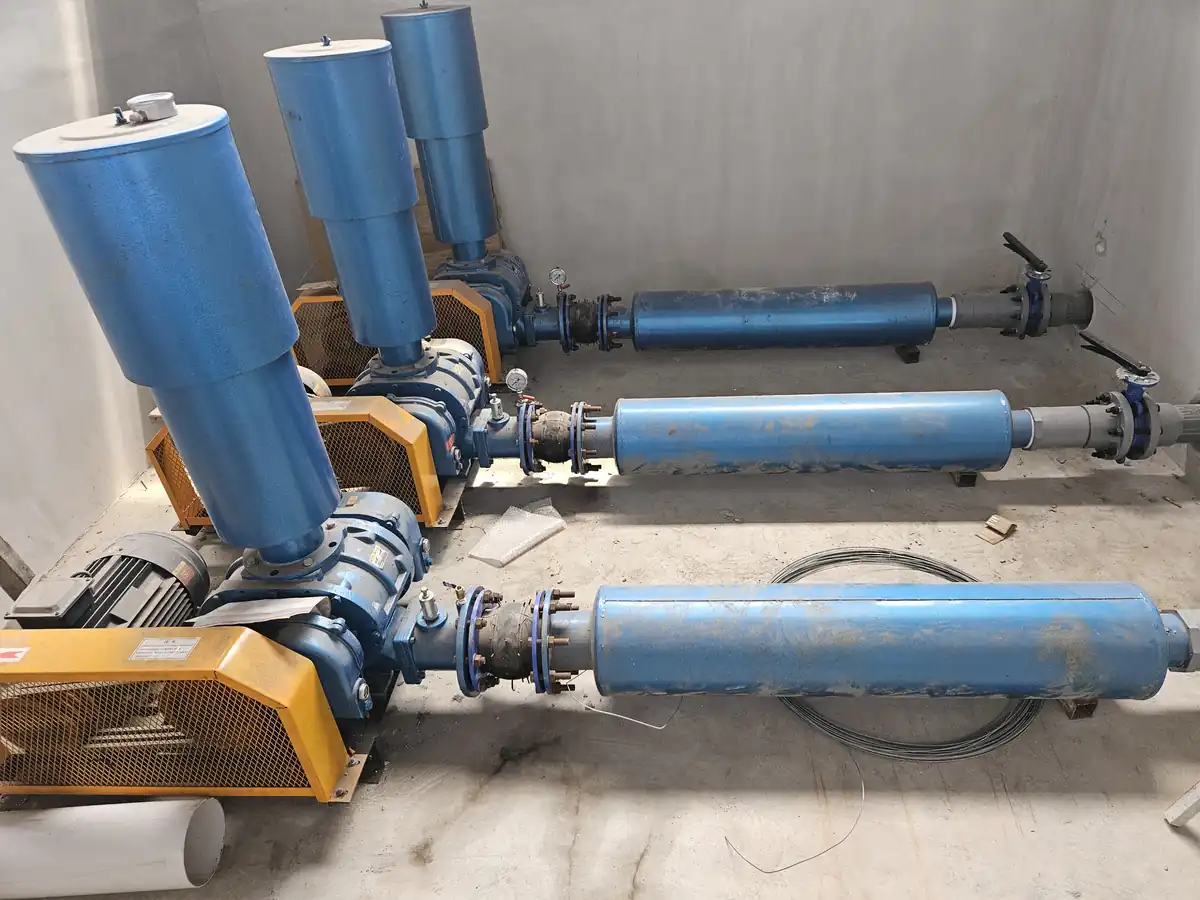
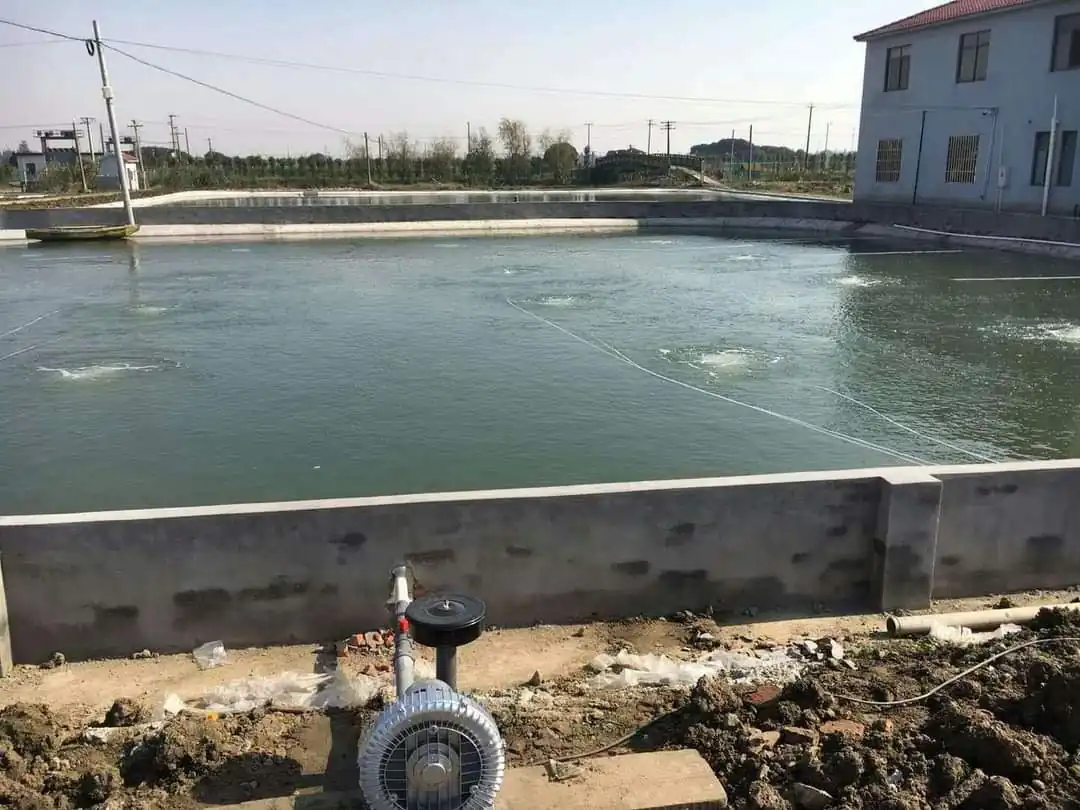
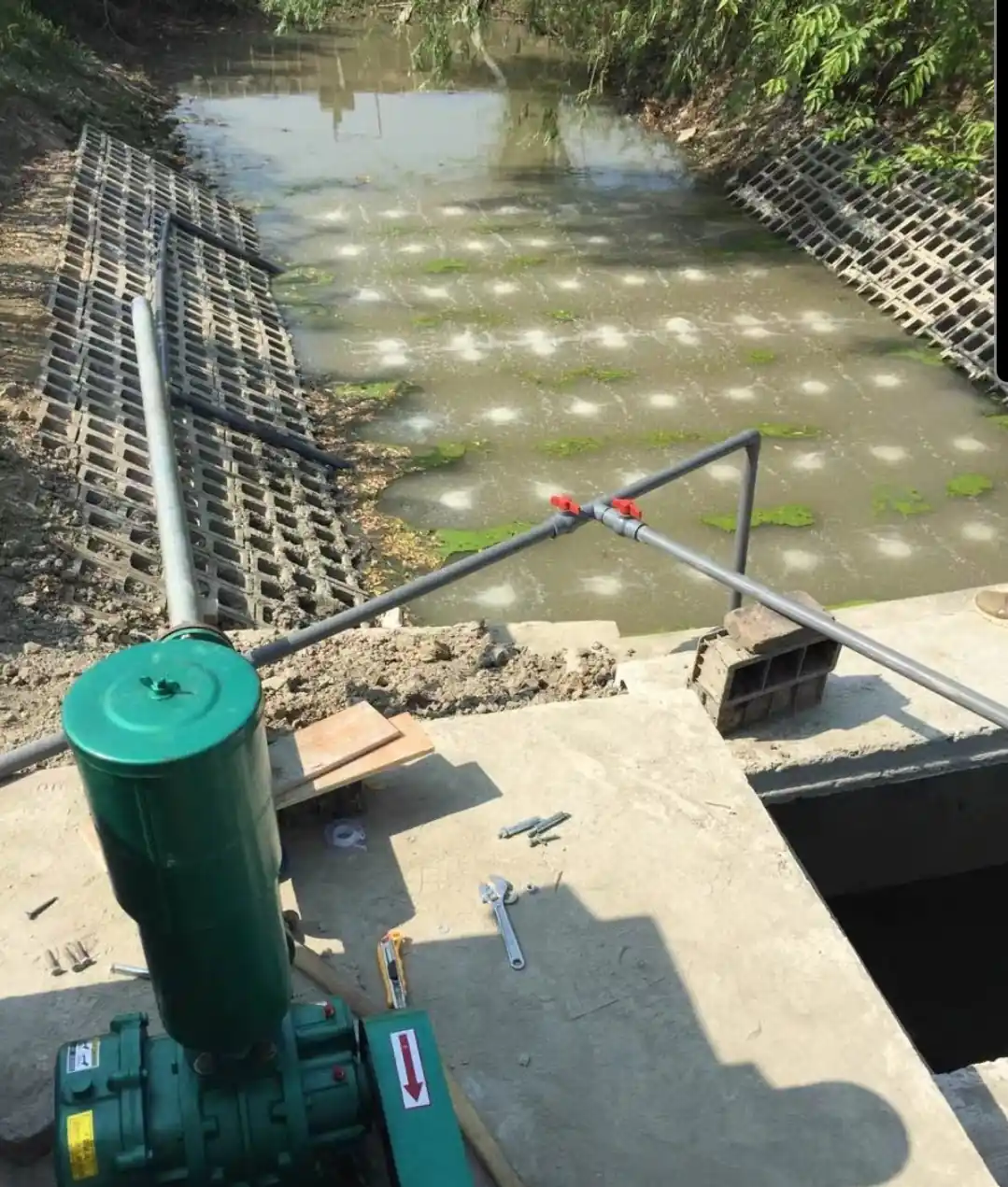
low-noise energy-saving blowers send air through main and branch pipes to microporous aeration tubes or discs lying at the bottom of the water body. The tubes/discs produce a mist-like stream of fine bubbles; as the micro-bubbles rise, they gradually release oxygen into the water, aerating the whole body. Combining the polymer microporous tube with a high-performance, low-noise, energy-saving three-lobe roots blower forms a complete low-noise energy-saving microporous bottom aeration system.
Features of the complete bottom aeration package:
The blower compresses air into the microporous tubes distributed close to the pond bottom, achieving three-dimensional aeration from the bottom up. Compared with traditional surface mechanical aeration, it aerates more evenly across the area and depth, consumes less power, and improves the bottom environment more obviously:
1. A V-shaped or swirling bubble curtain forms at the bottom.
At water depths of about 2–5 m, one V-shaped aeration tube can produce a misted bubble plume 3–4 m wide; one aeration disc effectively oxygenates about 350 m², with bubble diameters around 3.5 µm. The large contact area with water can keep bottom dissolved oxygen at 6–8 mg/L, speeding up the oxidation of ammonia nitrogen, nitrite and hydrogen sulphide, reducing their toxic effects on aquatic life, improving the living environment of the stock and helping regulate water quality.
2. Gentle static aeration.
Unlike traditional methods, this is bottom static aeration — low noise and vibration-free, with minimal disturbance to the stock. Stock adapt more easily, feed better, grow in a shorter cycle, and stocking density can be raised to about 1.5× the original level, increasing both yield and quality for better economic returns.
3. Saves 60–80% of electricity compared with traditional aeration.
4. High safety.
5. Reduces the temperature difference between water layers
and strengthens vertical water exchange.
Key characteristics:
saves about 75% of energy; faster growth of fish and shrimp; maintains the oxygen level in the water; reduces harmful gases in the water.
The hardware side of this is covered on our microporous aeration system page.