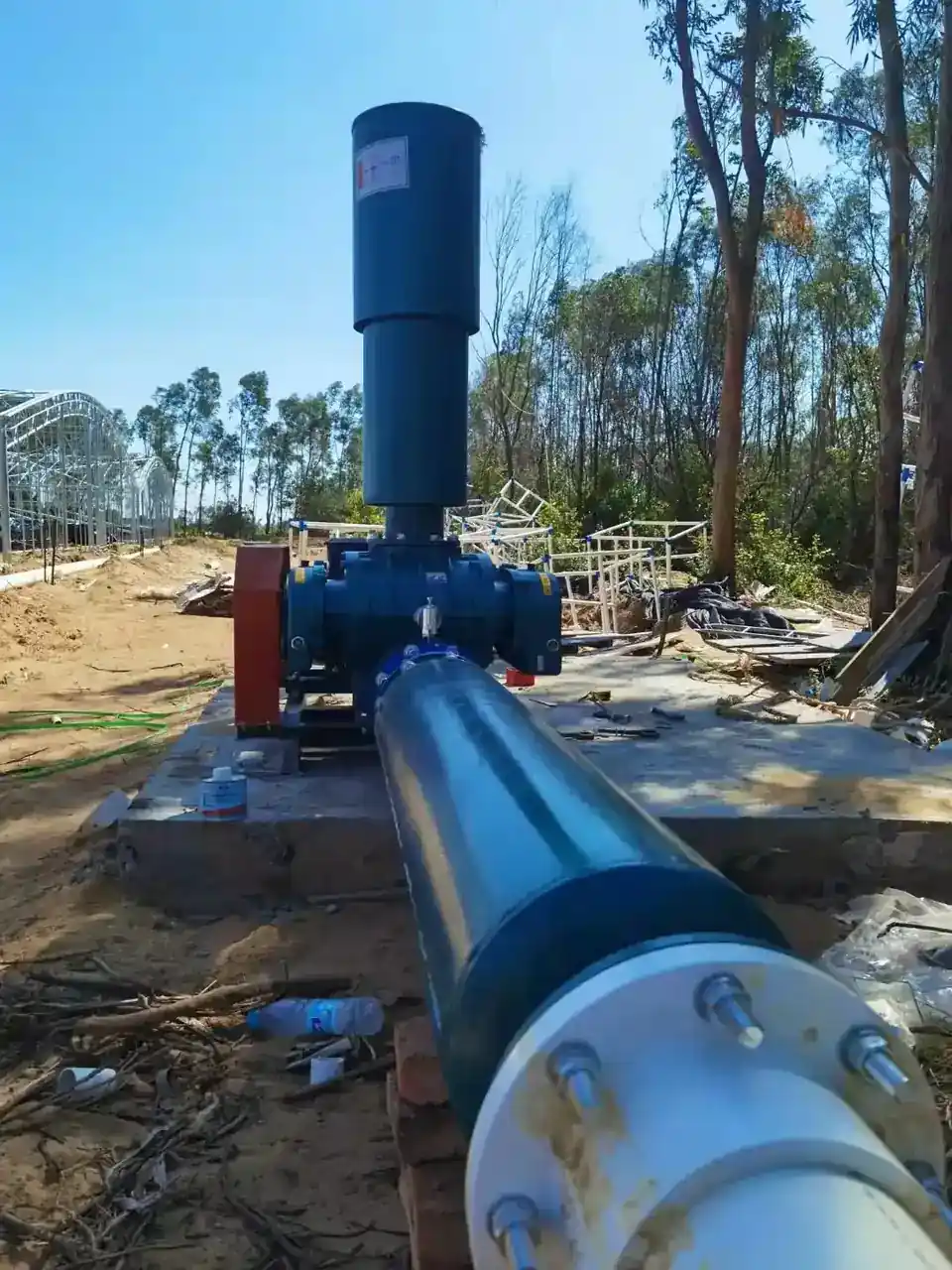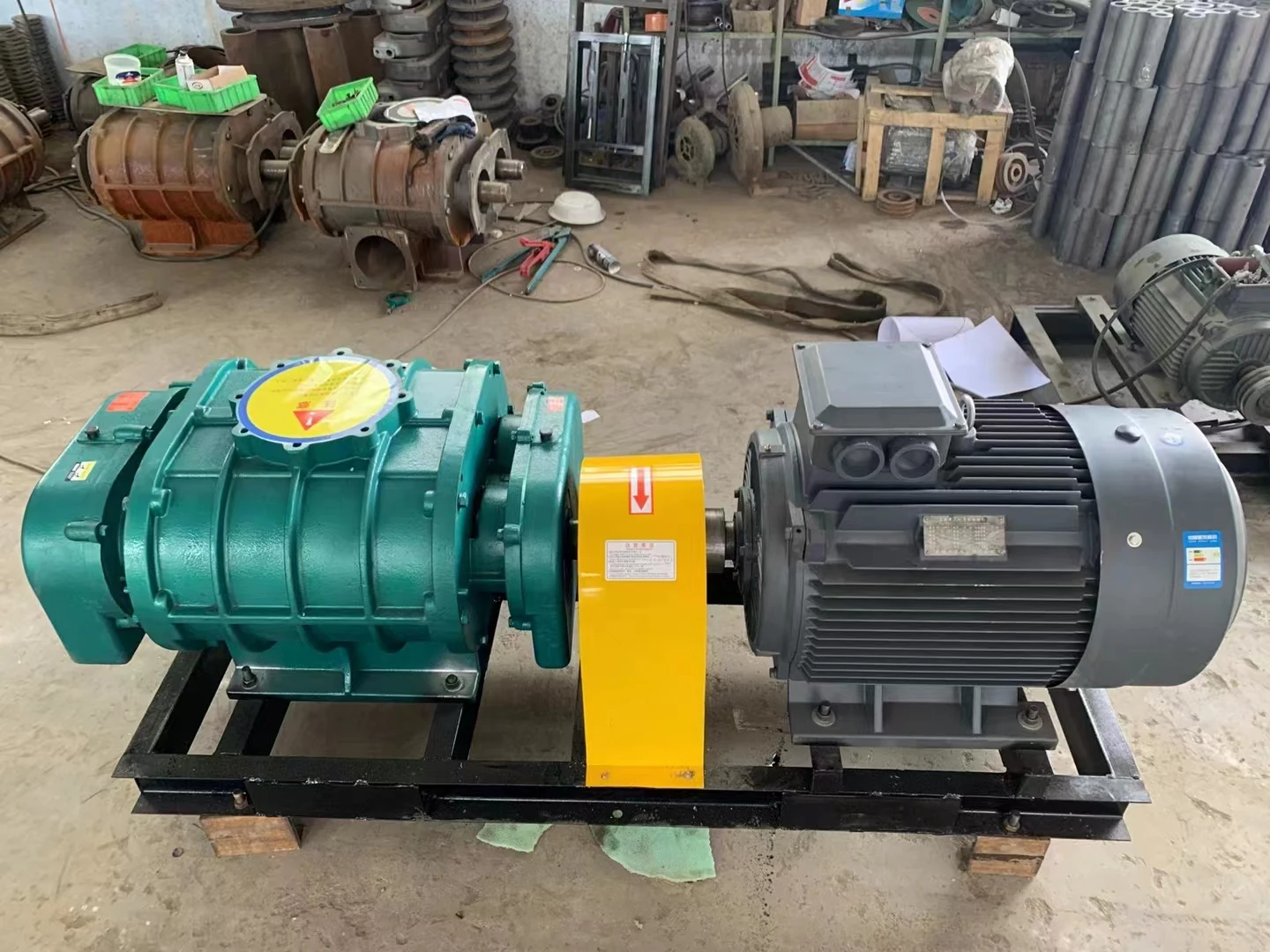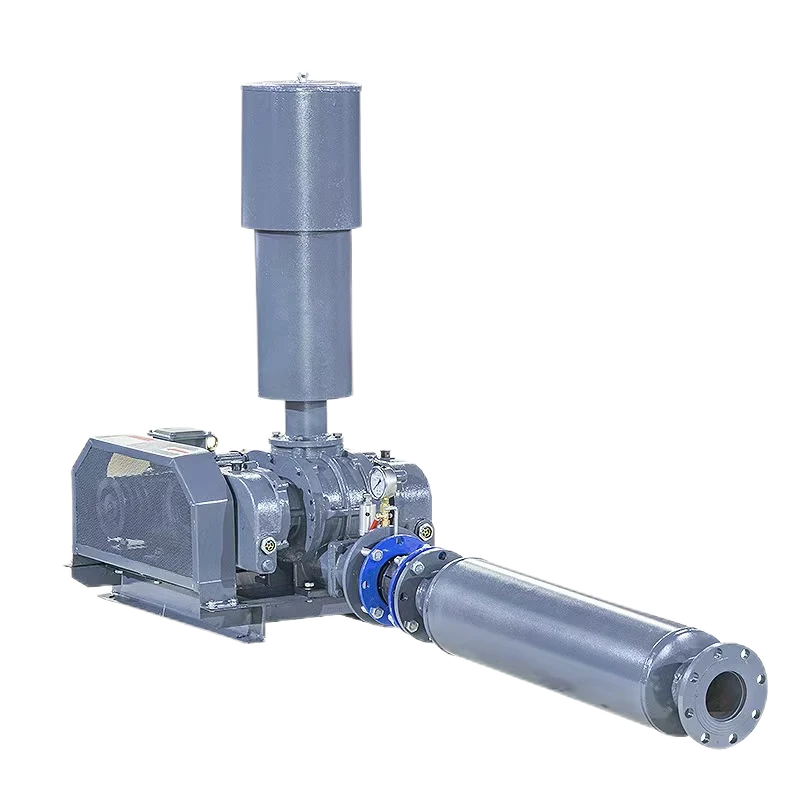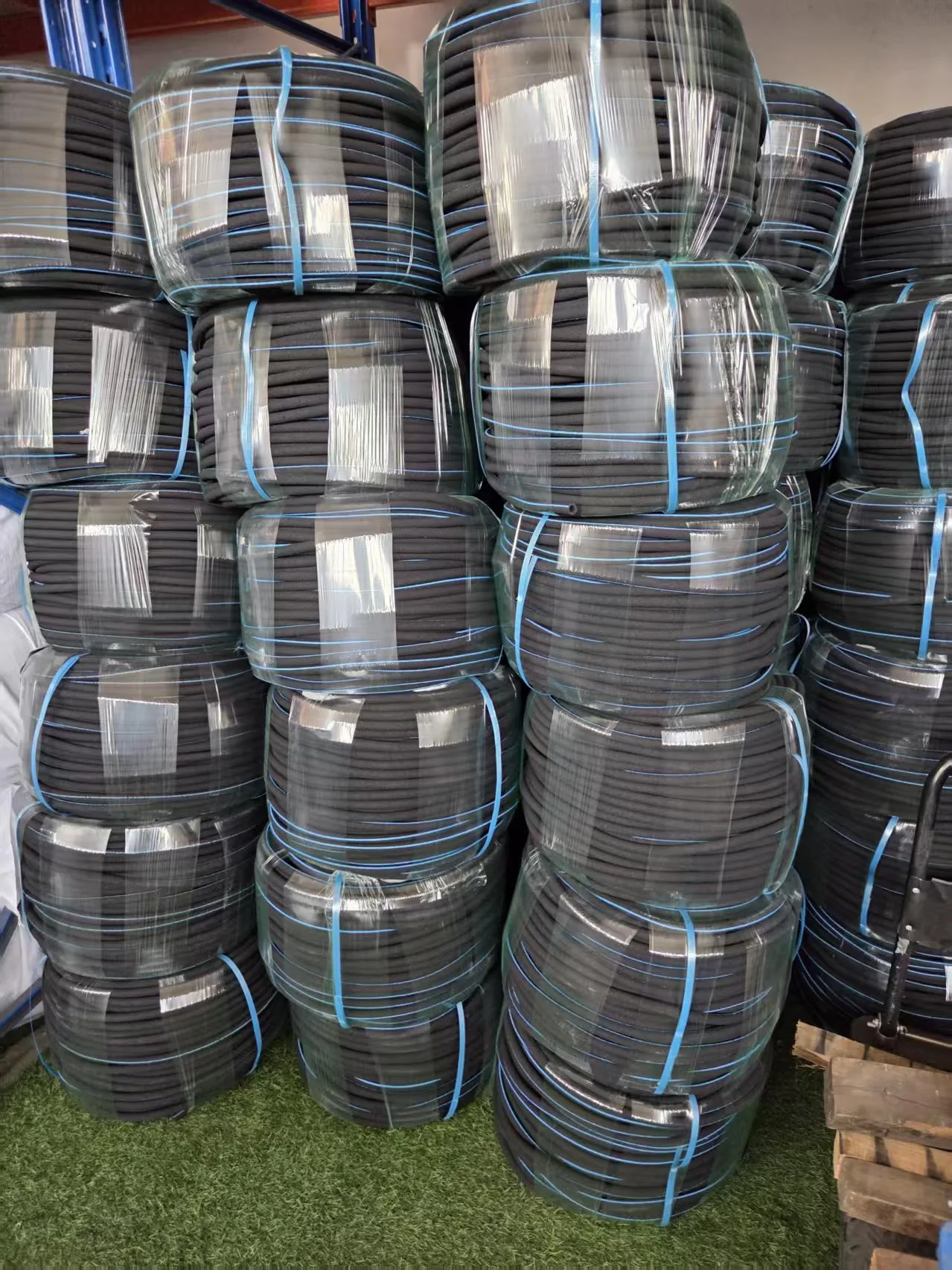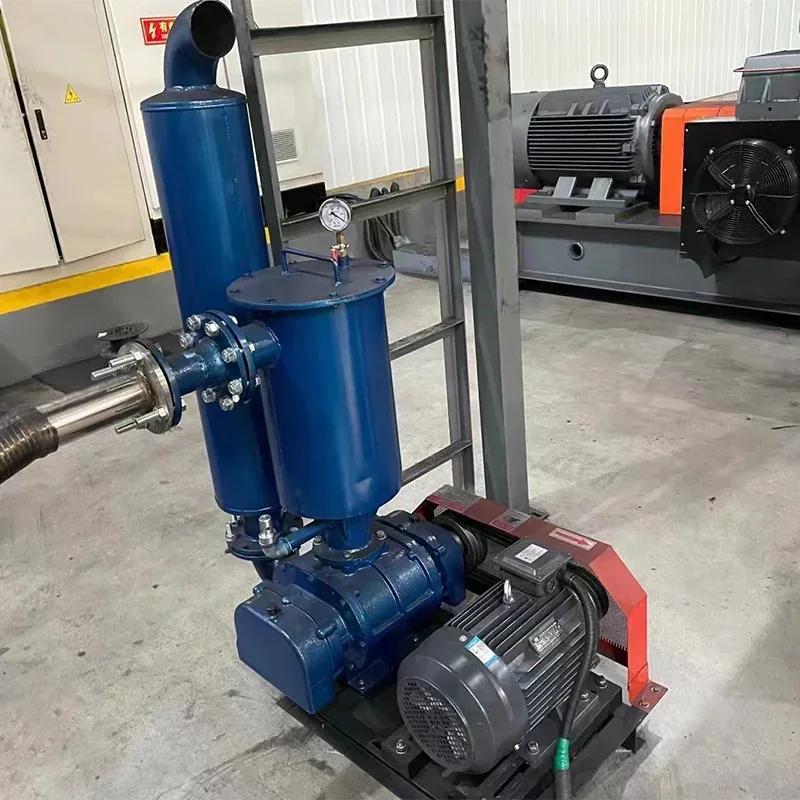
Environmental engineering is one of the largest application fields for roots blowers. Three duties dominate: aerating wastewater treatment basins, conveying fly ash, and supplying oxidation air in flue-gas desulfurization (FGD) systems.
1. Wastewater treatment aeration
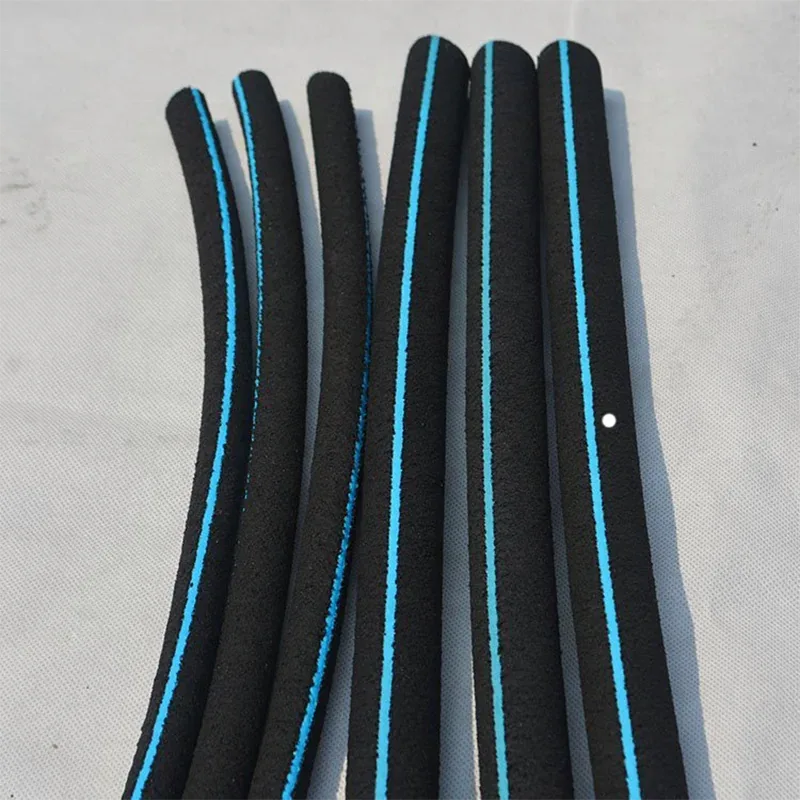
Aeration keeps activated sludge alive: the sludge bacteria respire aerobically and break organic pollutants down into inorganic, harmless compounds. A roots blower delivers compressed air several metres below the water surface, and diffuser systems spread it evenly across every corner of the treatment basin. That steady oxygen supply is what keeps the pollutant-degrading bacteria alive and working. Depending on the process stage, these blowers typically need a discharge pressure of 30-70 kPa. A roots blower remains the lowest-cost, most efficient way to supply process air to a wastewater treatment plant.
2. Pneumatic conveying of fly ash in power plants
After coal is burned for power, a thermal plant is left with large volumes of fly ash; if it is not collected and reused, it becomes serious pollution. The roots blower is the key machine in ash collection: using pneumatic conveying, compressed air pushes the fly ash through pipes into a silo, where it is collected. The ash then becomes a raw material for cement production — solving an environmental problem while creating revenue for the plant. Ash-conveying blowers generally operate around 50 kPa.
3. Oxidation blowers in flue-gas desulfurization
Over the past five to six years, tightening emission limits on sulfur in power-plant flue gas — driven by the acid-rain problem — turned FGD into one of the fastest-growing environmental sectors. The roots blower is the core machine in the desulfurization loop and critical to the whole system's stable operation. In a typical wet FGD process, flue gas enters the absorber tower, where a calcium-oxide (lime) slurry reacts with the sulfur compounds to form calcium sulfite — and that reaction consumes large volumes of oxygen. The roots blower is the machine that delivers it. FGD oxidation blowers are characterised by large airflow and high pressure (typically 70-120 kPa), and they demand higher reliability than most duties. In the early years of FGD construction, imported blowers were preferred for safety; as domestic manufacturing capability improved and manufacturers developed purpose-built oxidation blower designs, made-in-China roots blowers have been increasingly adopted in desulfurization service.
For environmental projects — wastewater aeration, pneumatic conveying or FGD oxidation air — selecting the right blower model, pressure rating and drive configuration determines both reliability and running cost. Contact us with your airflow, pressure and site conditions for a blower recommendation.
Frequently asked questions
Q: Which three duties dominate environmental Roots blower use? A: Aerating wastewater treatment basins, pneumatically conveying fly ash, and supplying oxidation air in flue-gas desulfurization systems.
Q: What discharge pressure does wastewater aeration need? A: Typically 30–70 kPa, depending on the process stage. The blower delivers compressed air several metres below the water surface and the diffusers spread it across the basin.
Q: How does fly ash conveying create value? A: Compressed air pushes the fly ash through pipes into a silo, where it is collected and becomes a raw material for cement production — solving an environmental problem while creating revenue for the plant. Ash-conveying blowers generally run around 50 kPa.
Q: Why are FGD oxidation blowers more demanding? A: They are characterised by large airflow and high pressure — typically 70–120 kPa — and demand higher reliability than most duties, because the blower is the core machine in the desulfurization loop and critical to stable operation of the whole system.
Q: What reaction consumes the oxygen in a wet FGD absorber? A: In the absorber tower a calcium-oxide (lime) slurry reacts with the sulfur compounds to form calcium sulfite, and that reaction consumes large volumes of oxygen — which is what the oxidation blower supplies.