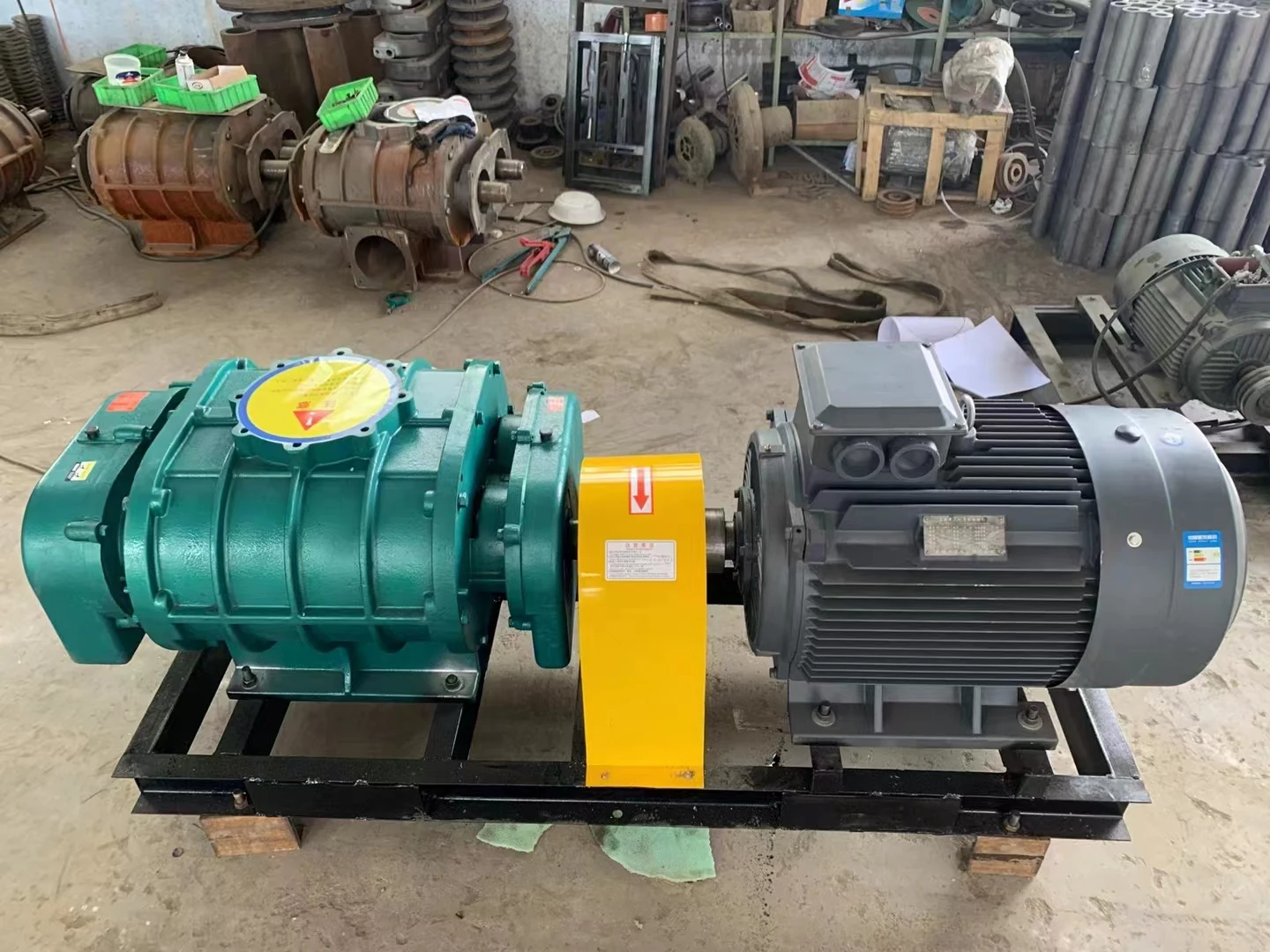
A three-lobe roots blower is often used to convey cement and other powders. To keep the system running reliably, the piping must be installed correctly and the airflow must stay stable. This guide covers the piping requirements and the five most common causes of reduced airflow.
Piping requirements for the roots blower:
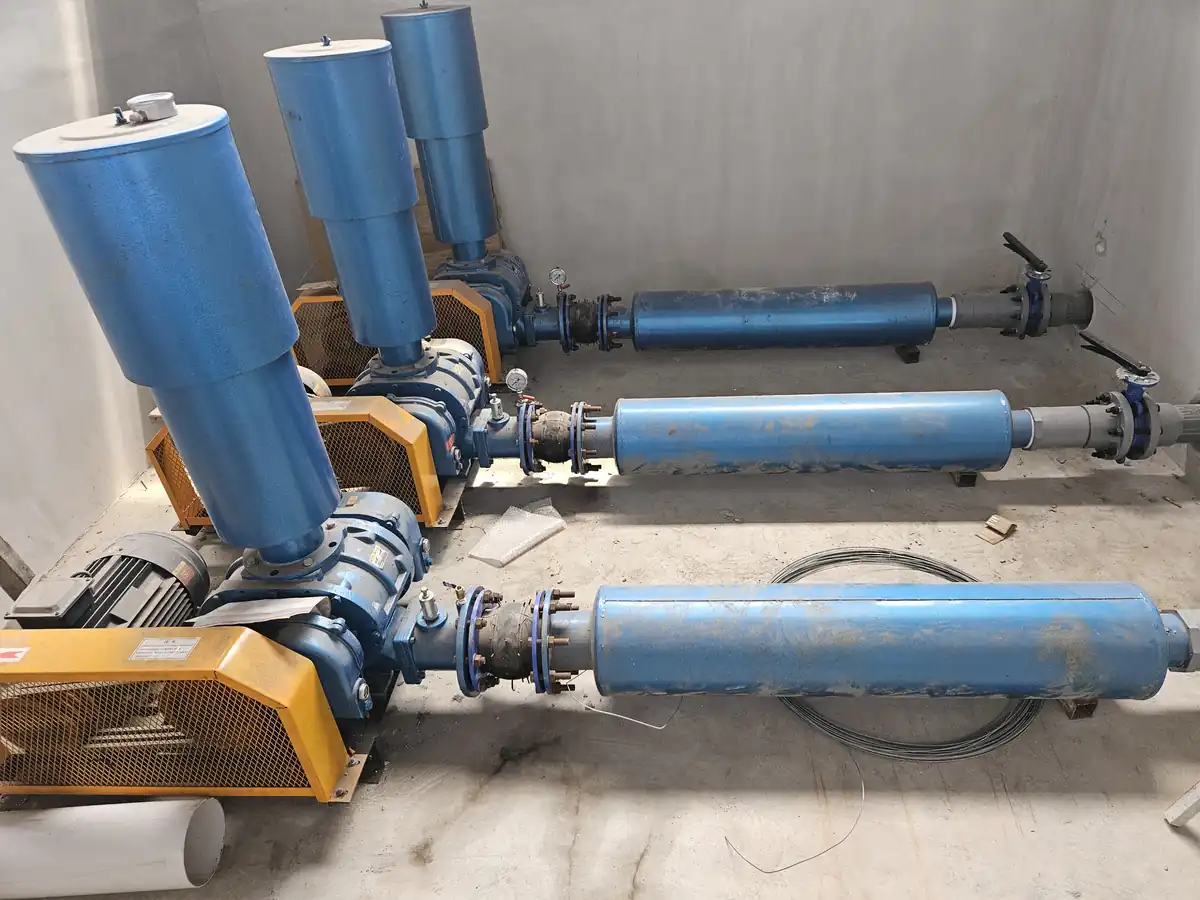
1. The blower piping must be connected tightly with no air leakage, and supports must be fitted at suitable positions.
2. The piping material must withstand the discharge temperature and pressure (steel pipe is preferred).
3. The inside of the piping must be clean and free of foreign objects to prevent debris from entering.
4. A check (non-return) valve must be installed on the piping to prevent high-pressure backflow gas caused by blower reversal from entering and damaging the blower. Note: the check valve must be installed on a horizontal section of pipe.
5. When multiple blowers run in parallel, a gate valve must be fitted on each branch pipe (so that one blower can be isolated for maintenance while the others keep running).
6. The piping should have a vent (blow-off) valve so the blower never starts under load: start the blower unloaded, then gradually close the vent valve. When stopping, open the vent valve first, confirm the blower is unloaded, then shut the blower down.
Why the roots blower airflow becomes smaller:
1. Inlet filter blocked. The inlet silencer of the roots blower contains a filter that removes impurities from the air. Over time the filter accumulates dust and the inlet becomes blocked, reducing the airflow. Clean the inlet filter regularly to keep the air inlet unobstructed.
2. Belt slipping. However good the belt is, it has a service life and must be replaced in time. The V-belt also needs periodic adjustment - a loose belt slips and causes insufficient airflow. If belt-pulley slip reduces the airflow, adjust the pulley or the distance between the pulleys.
3. Piping leaking. The roots blower is a pipeline blower that delivers gas through pipes. If the piping is damaged, the air escapes and the airflow drops. The site staff must check the piping regularly and repair any damage or leakage promptly.
4. Piping too long. If the piping is too long, the pressure is insufficient and the airflow drops. In this case the piping layout must be redesigned.
5. Voltage too low. Unstable voltage or current prevents the blower from running normally and steadily, which also reduces the airflow. After installation, check the wiring current and voltage and make sure the supply voltage is stable.
Regular piping inspection, belt maintenance and filter cleaning keep a cement-conveying roots blower at full airflow for years.