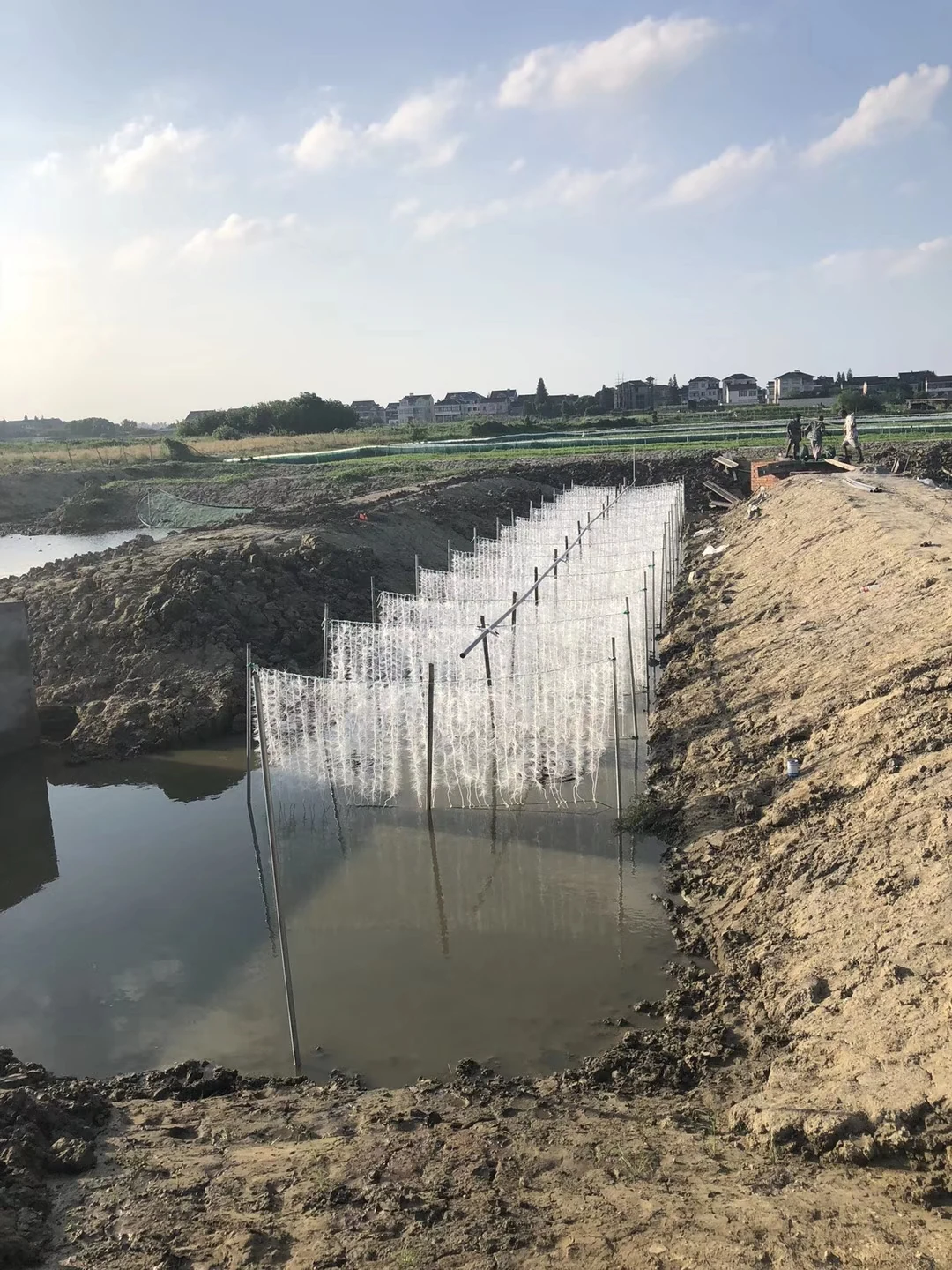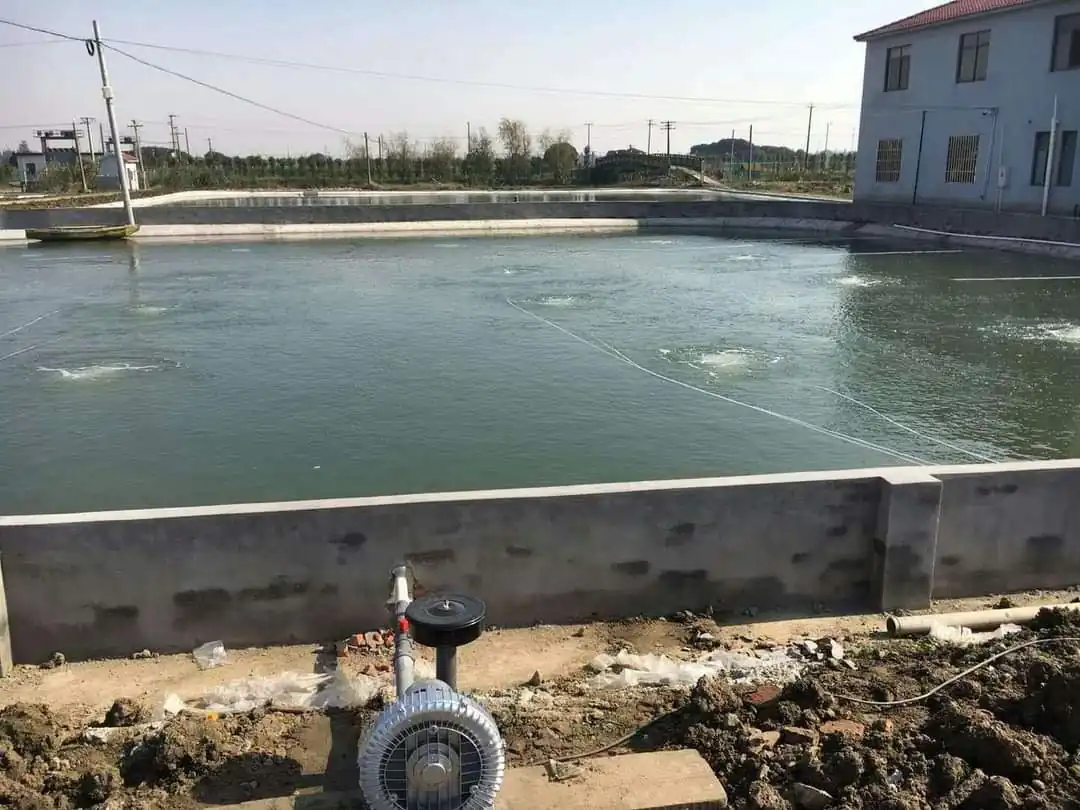
Algae photosynthesize and grow every day, constantly consuming nutrients from the water. Nitrogen and phosphorus come from daily feed, and carbon dioxide from fish and shrimp respiration, but some micronutrients are not continuously supplied and become scarce. Most of the micronutrients absorbed by algae end up deposited in the pond bottom with feces as organic minerals. Microorganisms in the bottom mud further decompose them — in oxidized form under aerobic conditions and reduced form when oxygen is absent. Only a small share of these mineralized micronutrients diffuses back into the water for algae to reuse; most stays in the silt. As stocking density rises, algae turnover accelerates and trace-element deficiency becomes more likely. Measures are needed to return trapped trace elements to the water column. In short: scientific, reasonable sediment management is the key to algae-ecosystem stability — as the saying goes, "raise fish before water, and water before mud."