Winter turns to spring and temperatures begin to rise: aquatic animals become more active and feed more, and plankton starts to grow. However, the external environment is still unstable - large day-night temperature swings, frequent and irregular weather changes, a build-up of harmful substances in the water, and thin water can all cause health problems in the stock. This is therefore a critical period for disease prevention, growth promotion, and improving survival and overall quality. Farm management in this period should focus on three things.
1. Look after the health of the stock
Animals that have come through the winter are weak, with lower stress tolerance and immunity; combined with the changing environment, diseases such as saprolegniasis (water mould), gill rot and enteritis can appear. Feed should be chosen for guaranteed quality to support digestion, improve feeding, compensate nutrition and promote growth, while also protecting the liver and reducing stress.
2. Monitor water quality and aerate appropriately
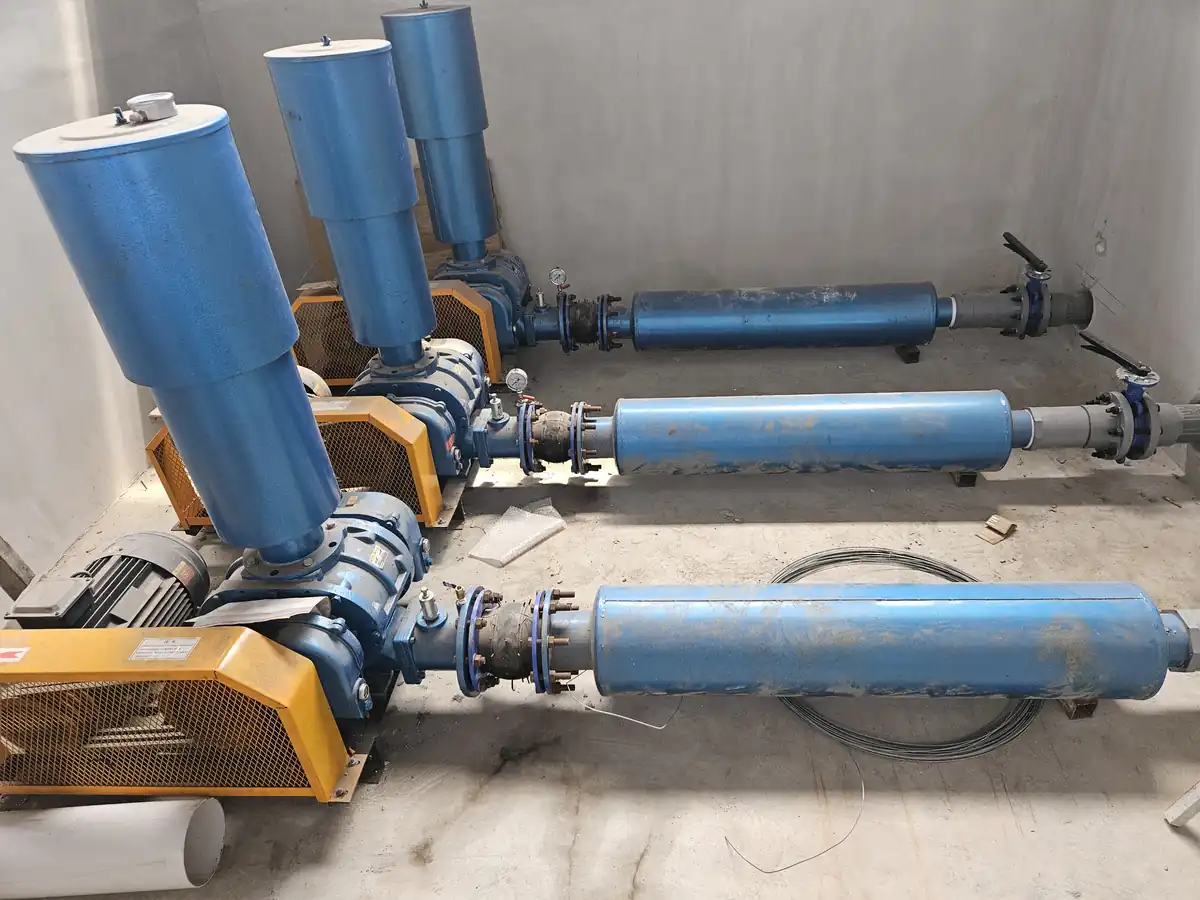
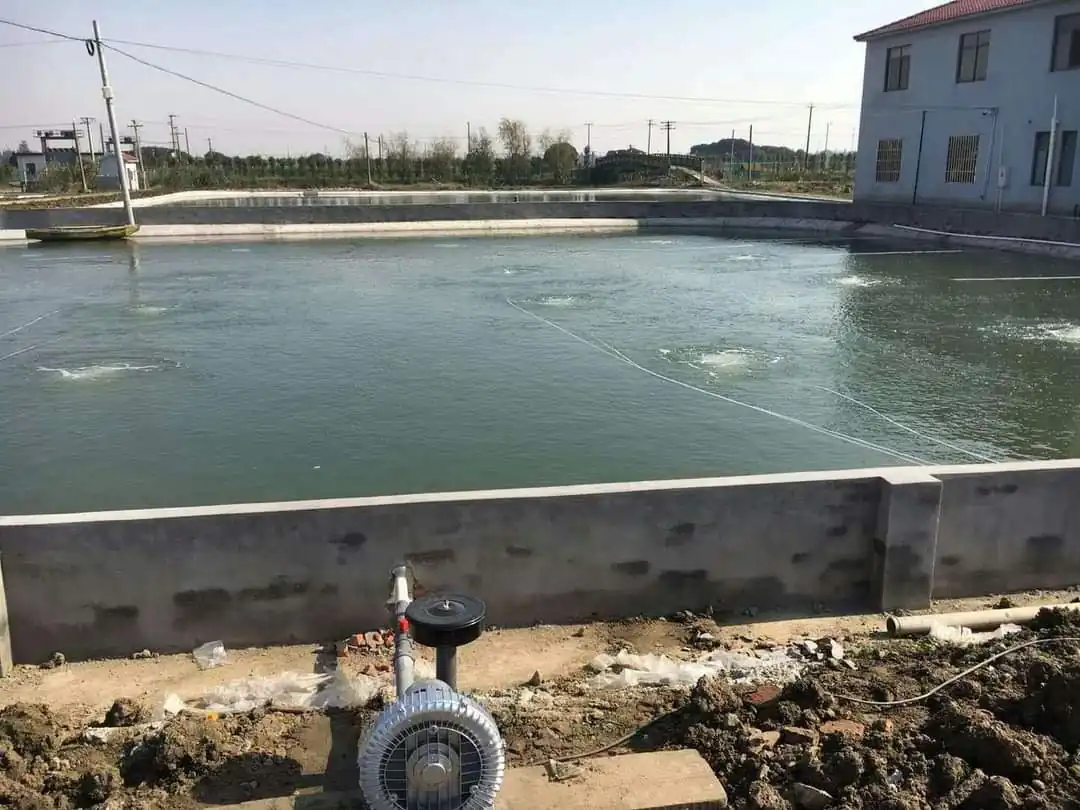
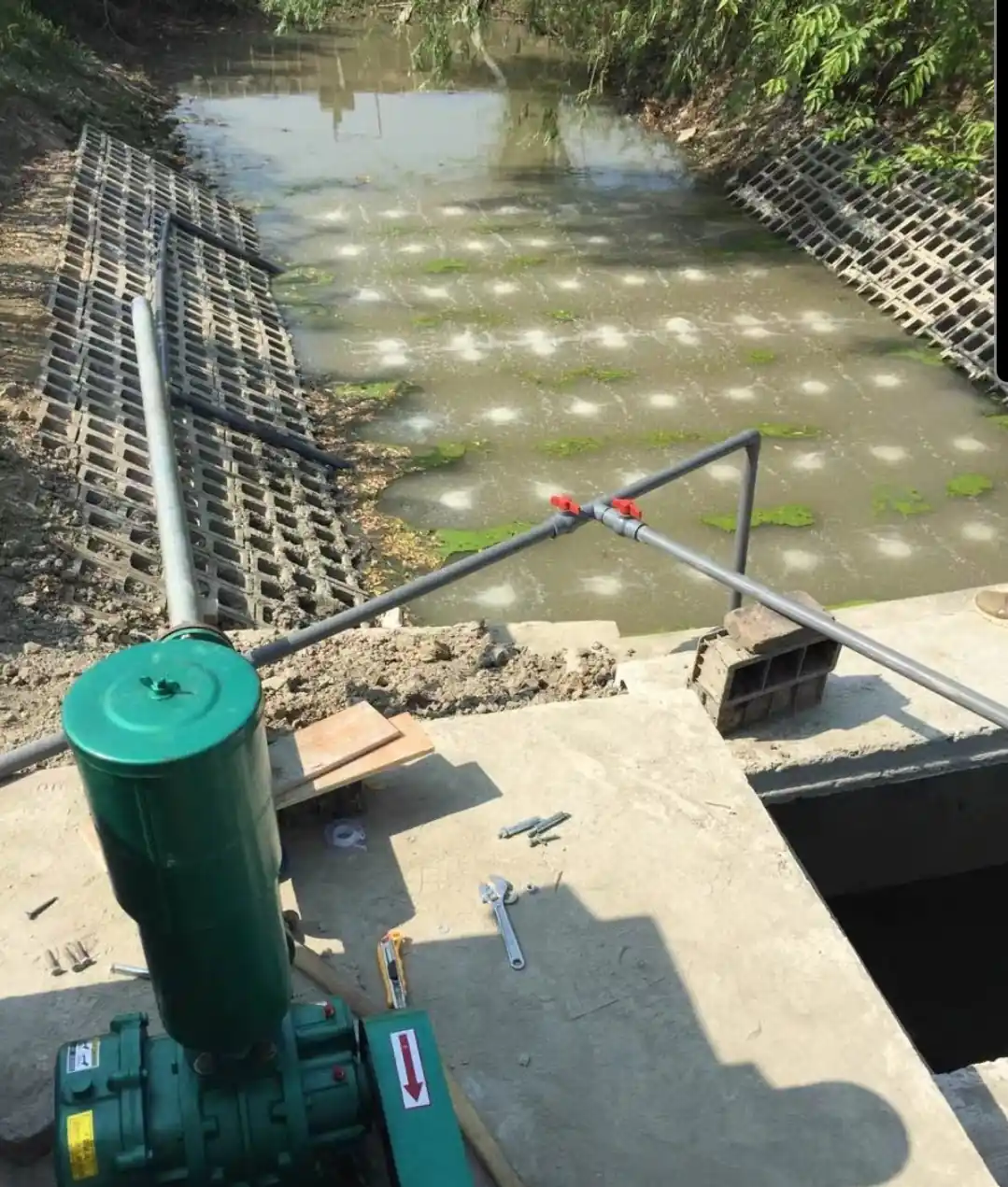
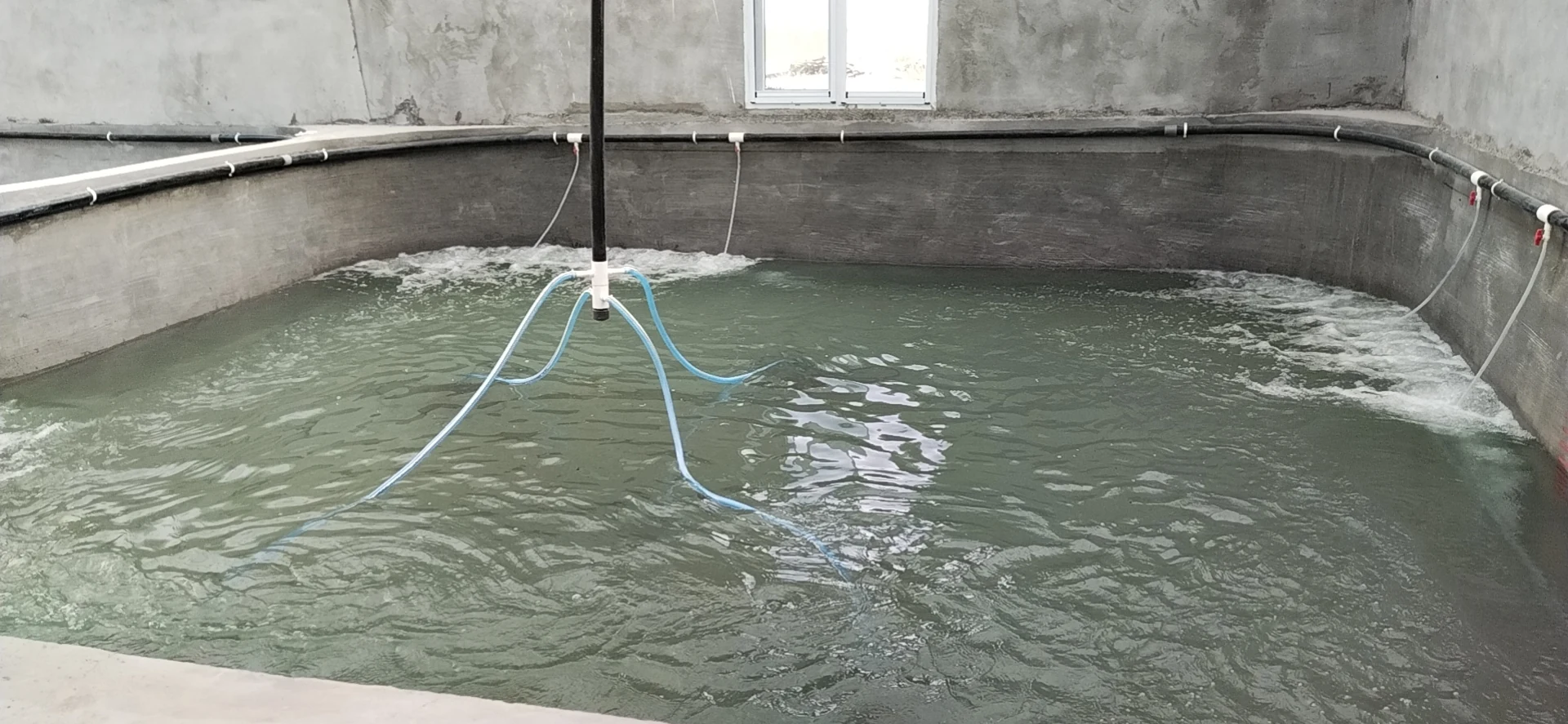
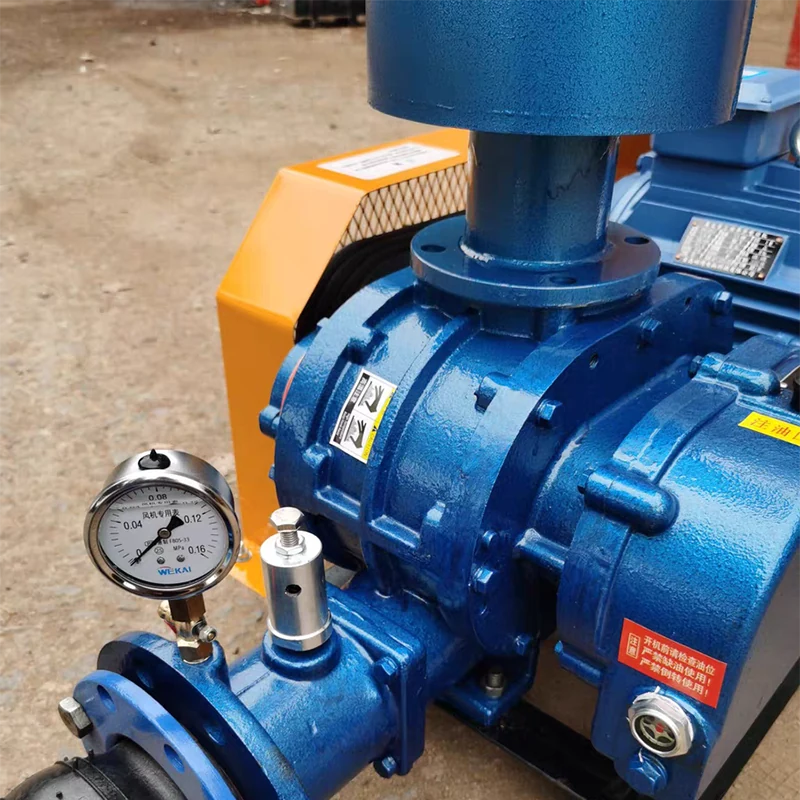
As temperatures rise, the farming water body changes constantly and can easily become oxygen-deficient. To prevent the stock from gasping at the surface, run the roots blower more often at midday on sunny days. At the same time, regulate the overall water quality and the composition and ratio of the plankton community, regularly build up the water and stabilise the algae phase. This provides abundant natural food for the stock, effectively reduces the build-up of harmful substances such as ammonia nitrogen and nitrite, lays a good foundation for the whole year, and lowers the probability of disease.
Note that in this period the water quality is unstable and the stock has low resistance and poor stress tolerance, so pesticides and disinfectants should be used sparingly - overuse increases stress, damages the liver, cuts appetite and slows growth. It is better to use a safe, side-effect-free high-concentration Bacillus product to regulate the water.
3. Condition the bottom regularly, stabilise the water
As temperatures rise, insect eggs in the pond bottom begin to hatch, so bottom conditioning is also important. The weather changes frequently in this season and the water can easily turn red, black or muddy - all signs of unstable water quality that can cause poor feeding or refusal to feed. Condition the bottom while stabilising the water.
Bottom conditioning destroys the living environment of insect eggs, greatly reducing the number and damage of insects later in the season. Regular bottom maintenance removes bottom sludge, reduces organic matter content, eliminates odours from the bottom and keeps the pond floor in good condition.