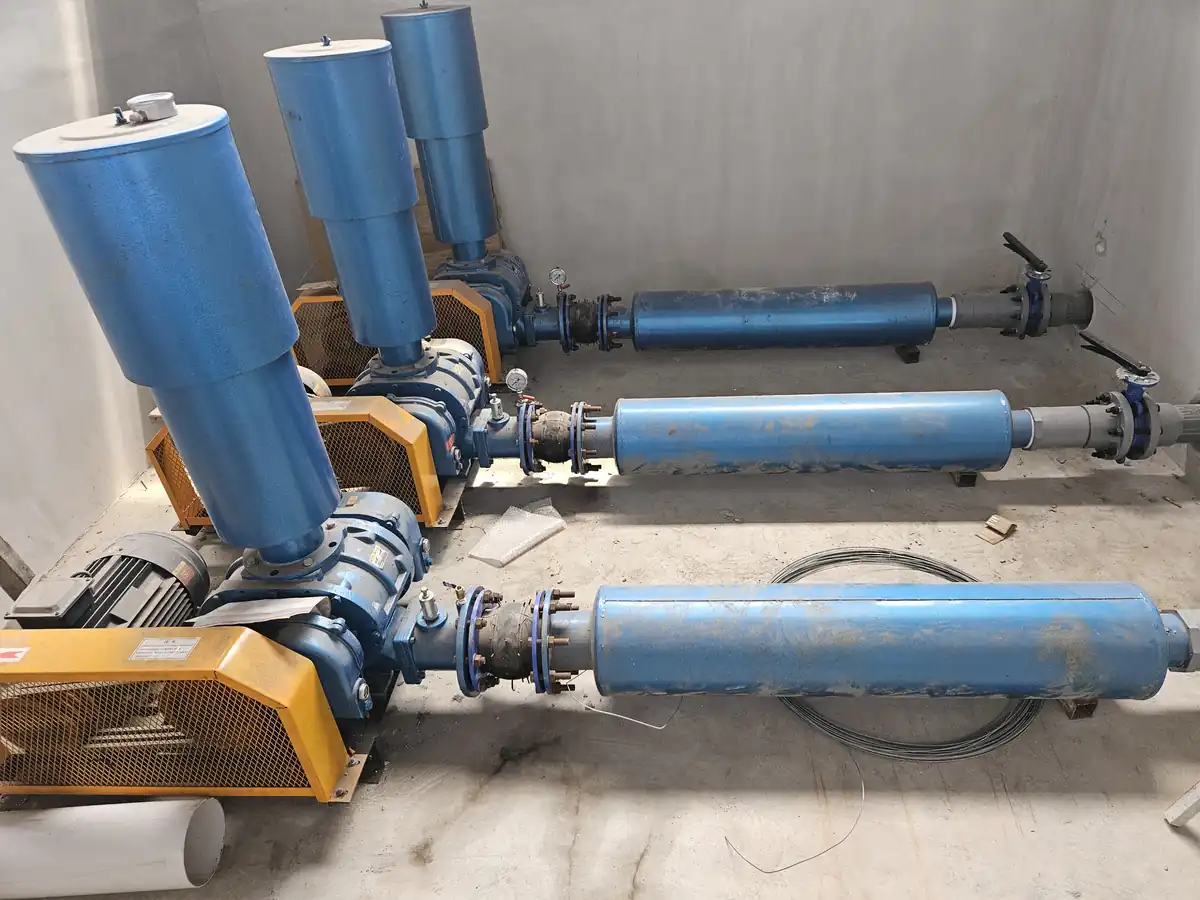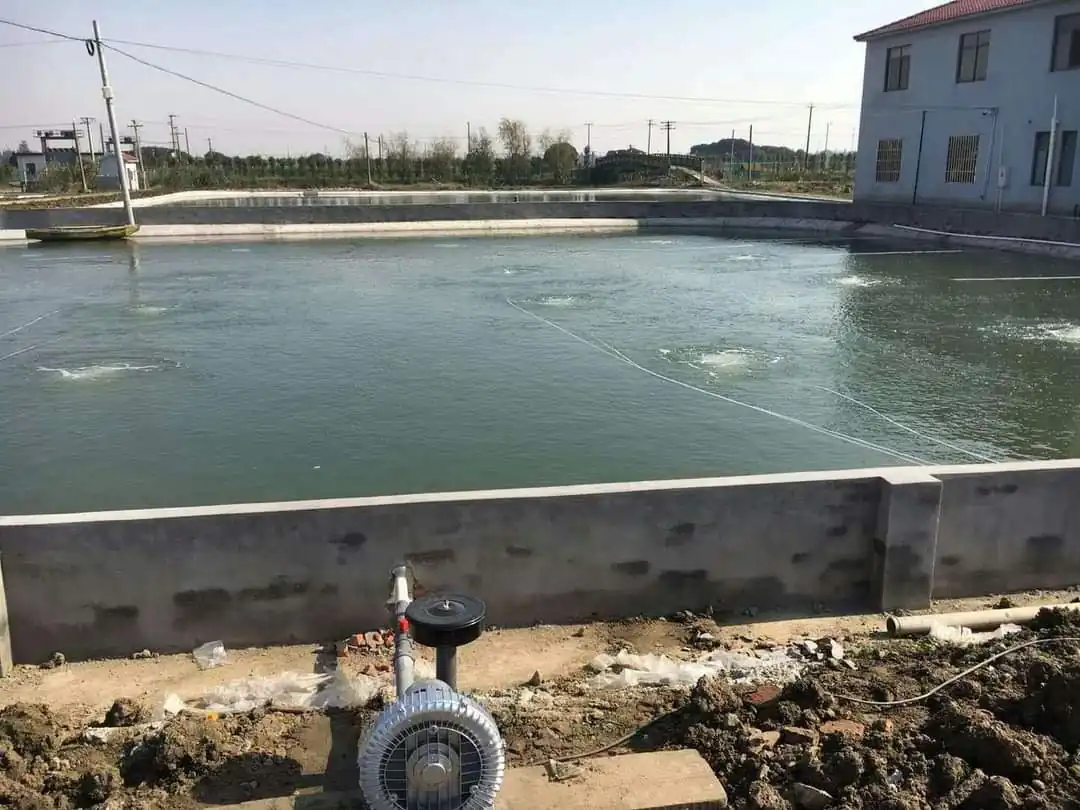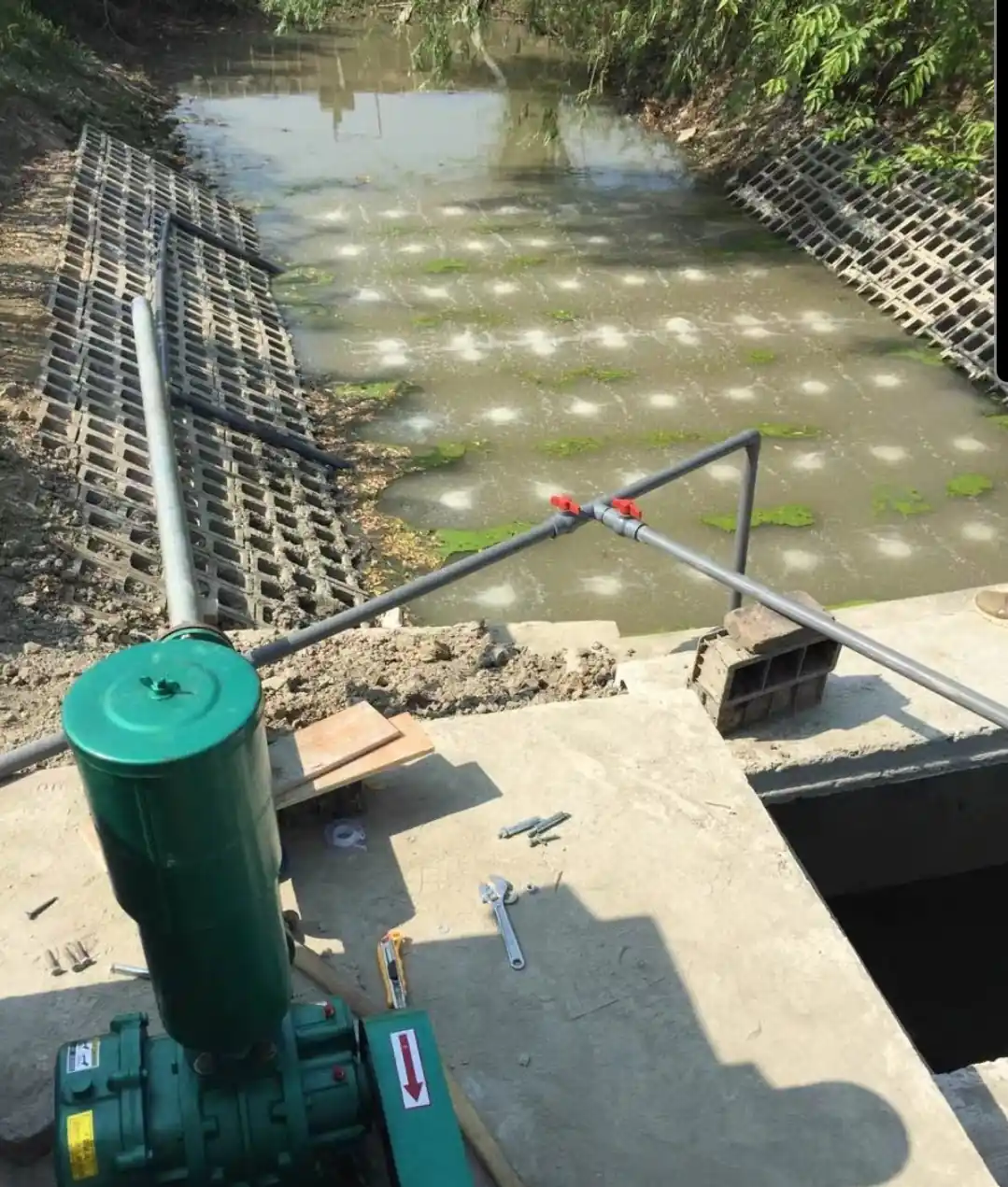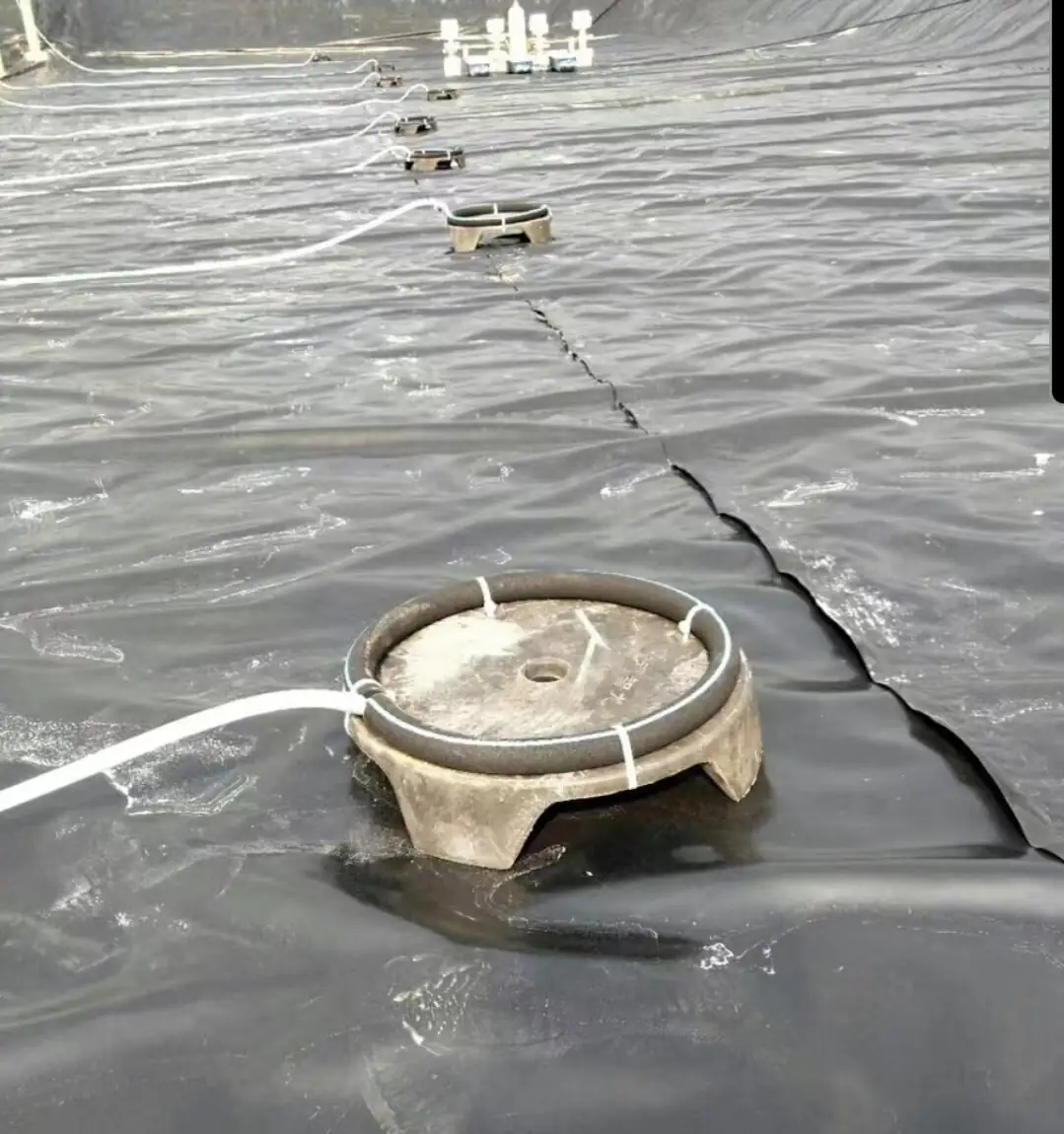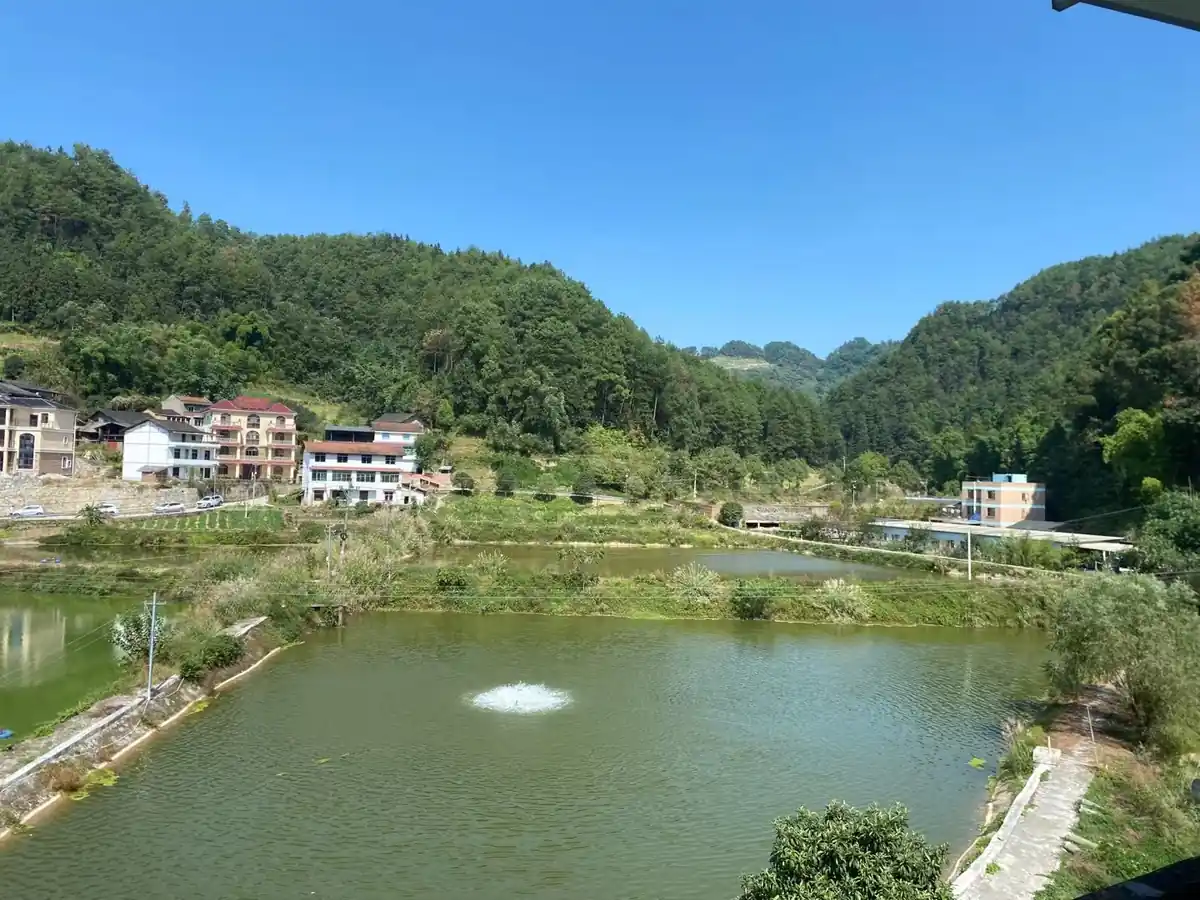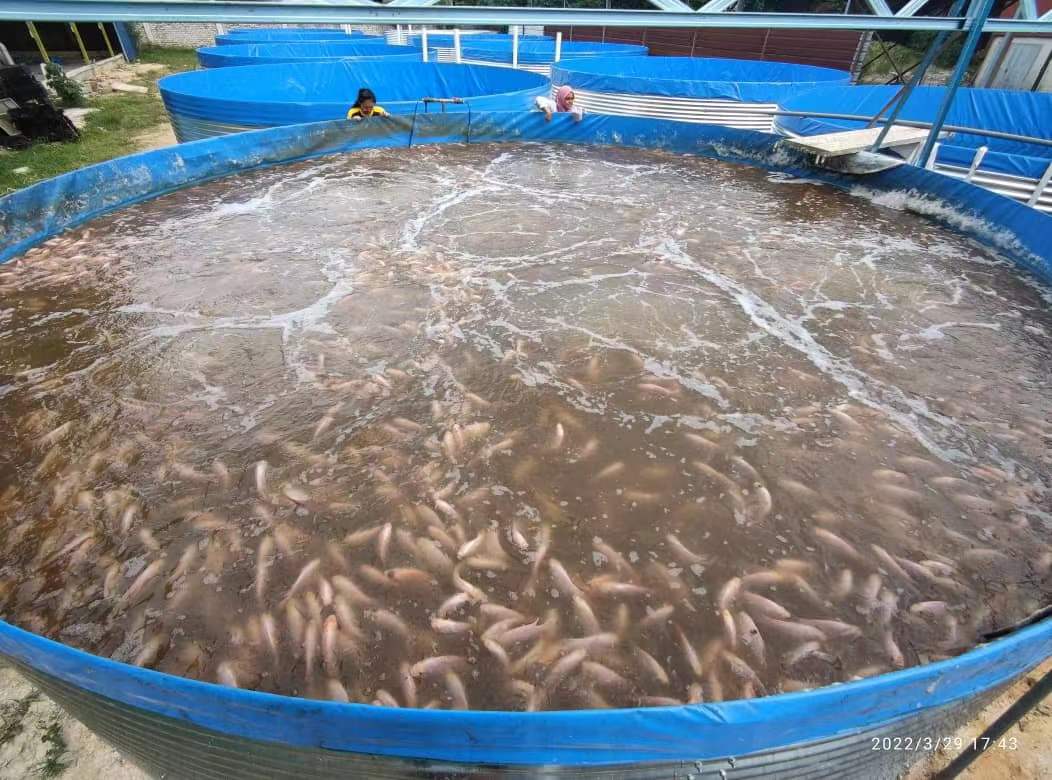
Excreta and inputs left in the water can pollute the pond if not controlled. pH strongly affects fish — acidic water reduces blood oxygen capacity, and strongly alkaline water corrodes gill tissue, so even oxygen-rich water can produce hypoxia. Dissolved oxygen is the core of water-quality management. Above 5 mg/L is ideal; below about 1 mg/L fish begin to "float head" (surface). Keep transparency around 30 cm; pond depth 0.8–1.2 m in the early stage (shallow water warms faster) and 1.0–2.0 m later (not over 3.5 m); 1.5–2.0 m year-round is best, keeping the level high in hot weather. Change water about once a month, more than 20 cm each time, and start aerators promptly to prevent hypoxia.
Welcome to contact usWhatsApp / WeChat: +86 180 1341 8091 · +86 180 1341 8097
Questions? Contact our team