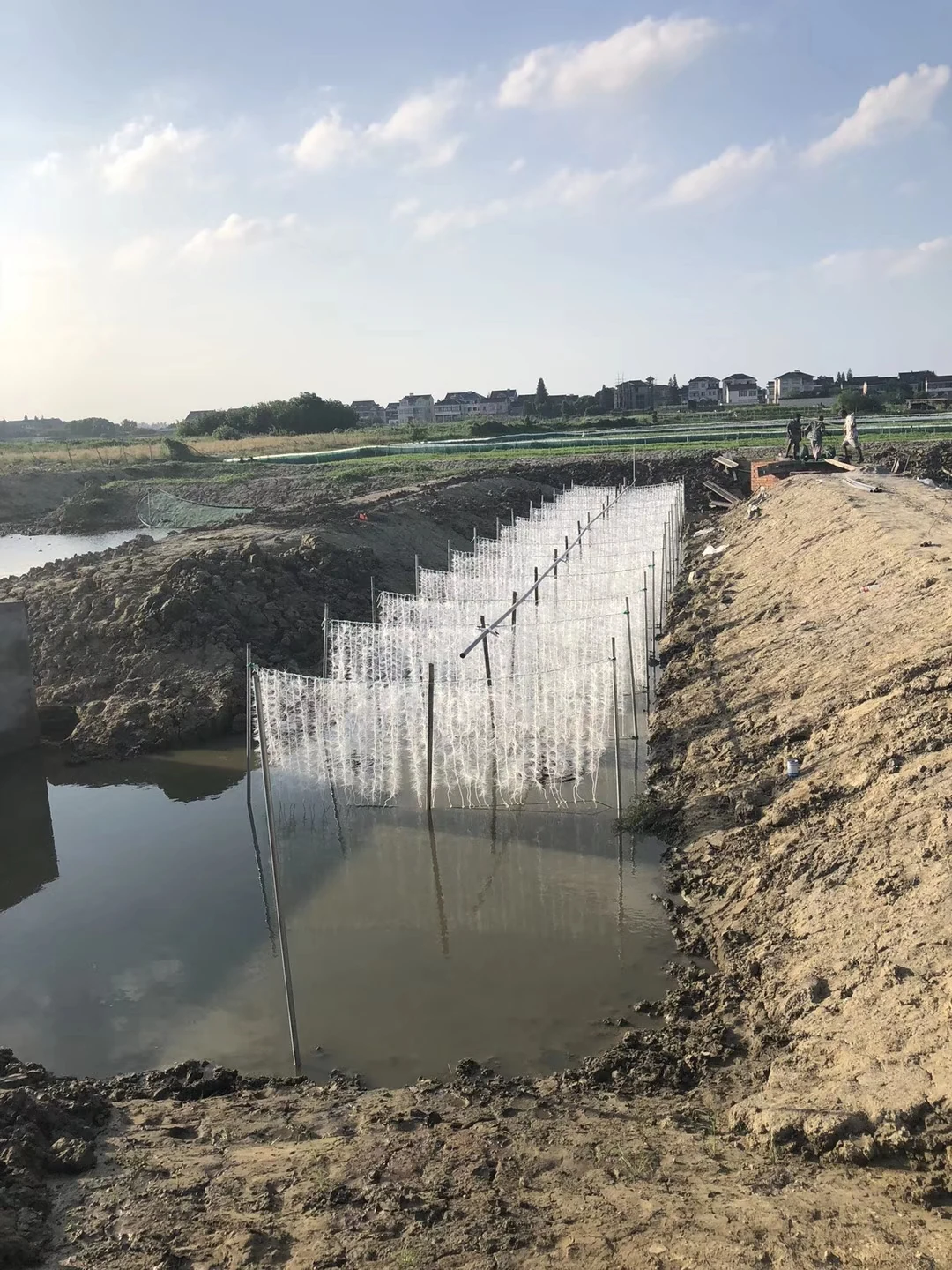
Winter temperature swings are large. Farmers should watch weather forecasts closely and prepare emergency measures in advance — especially for sudden temperature drops and heavy snow.
Protect equipment from freezing
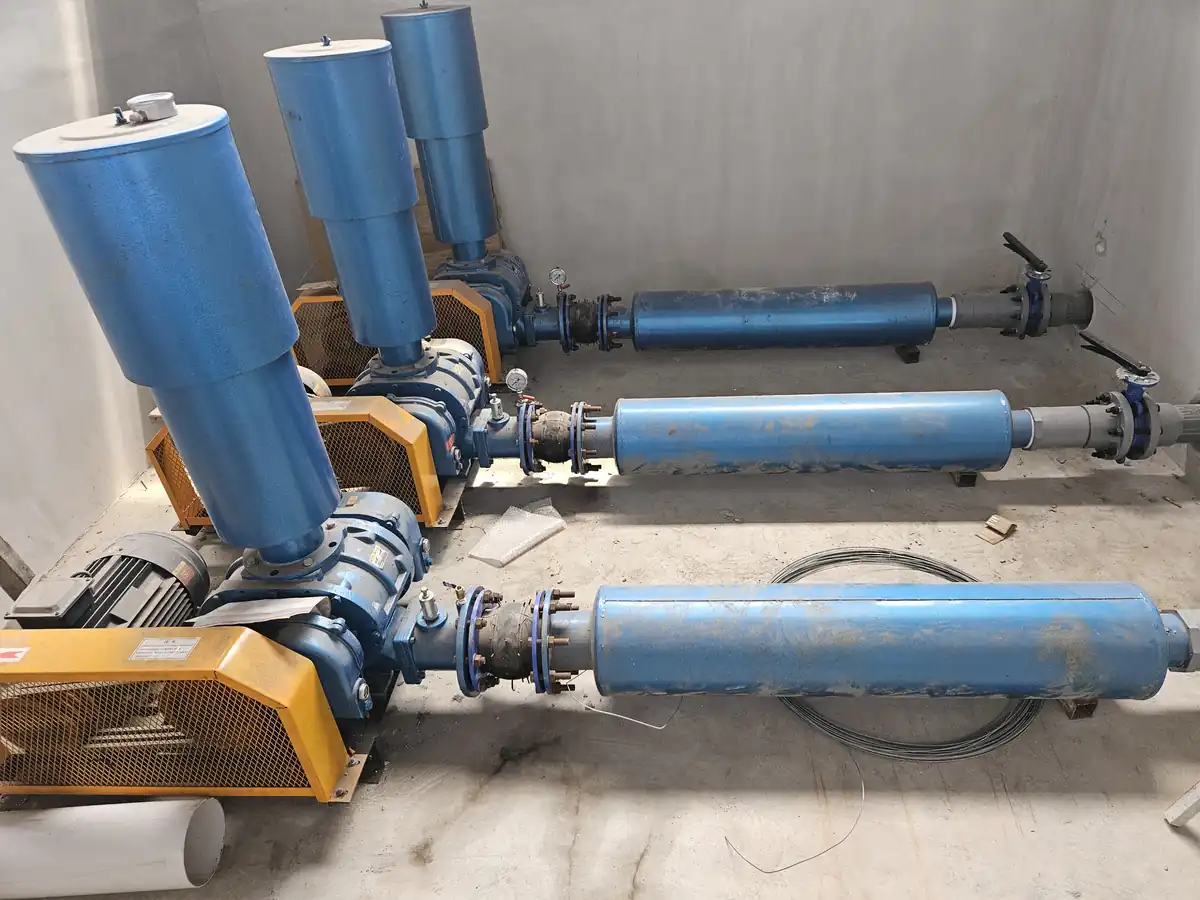
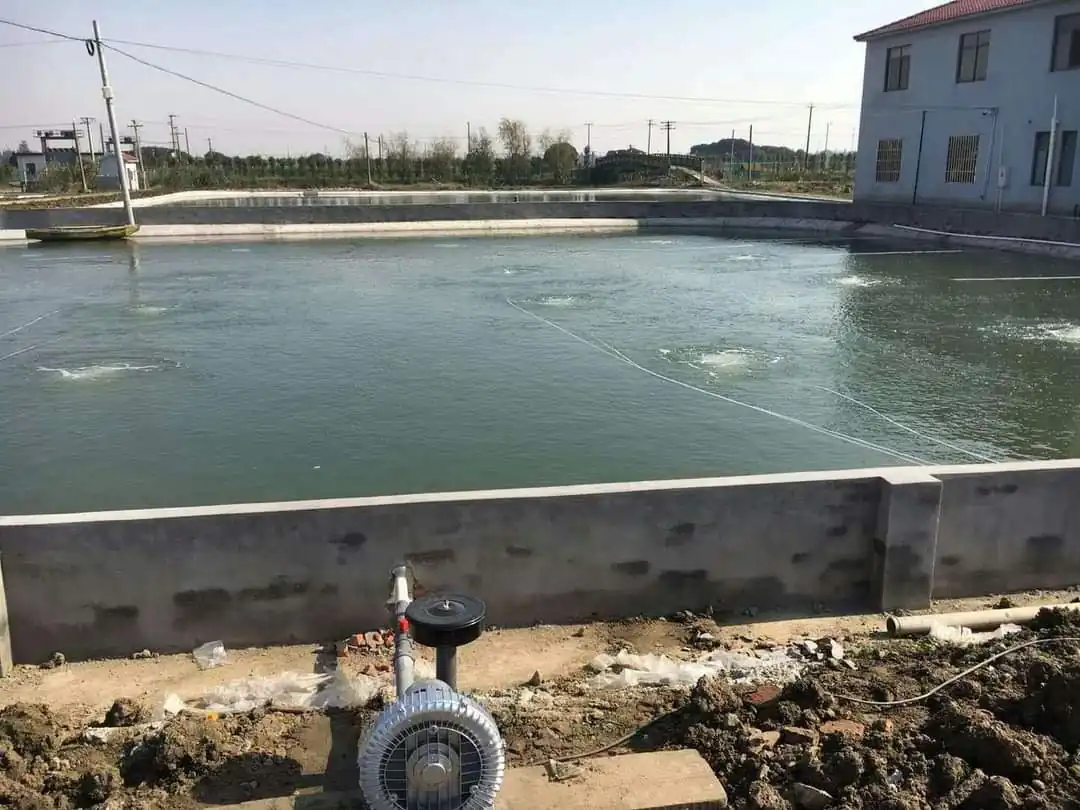
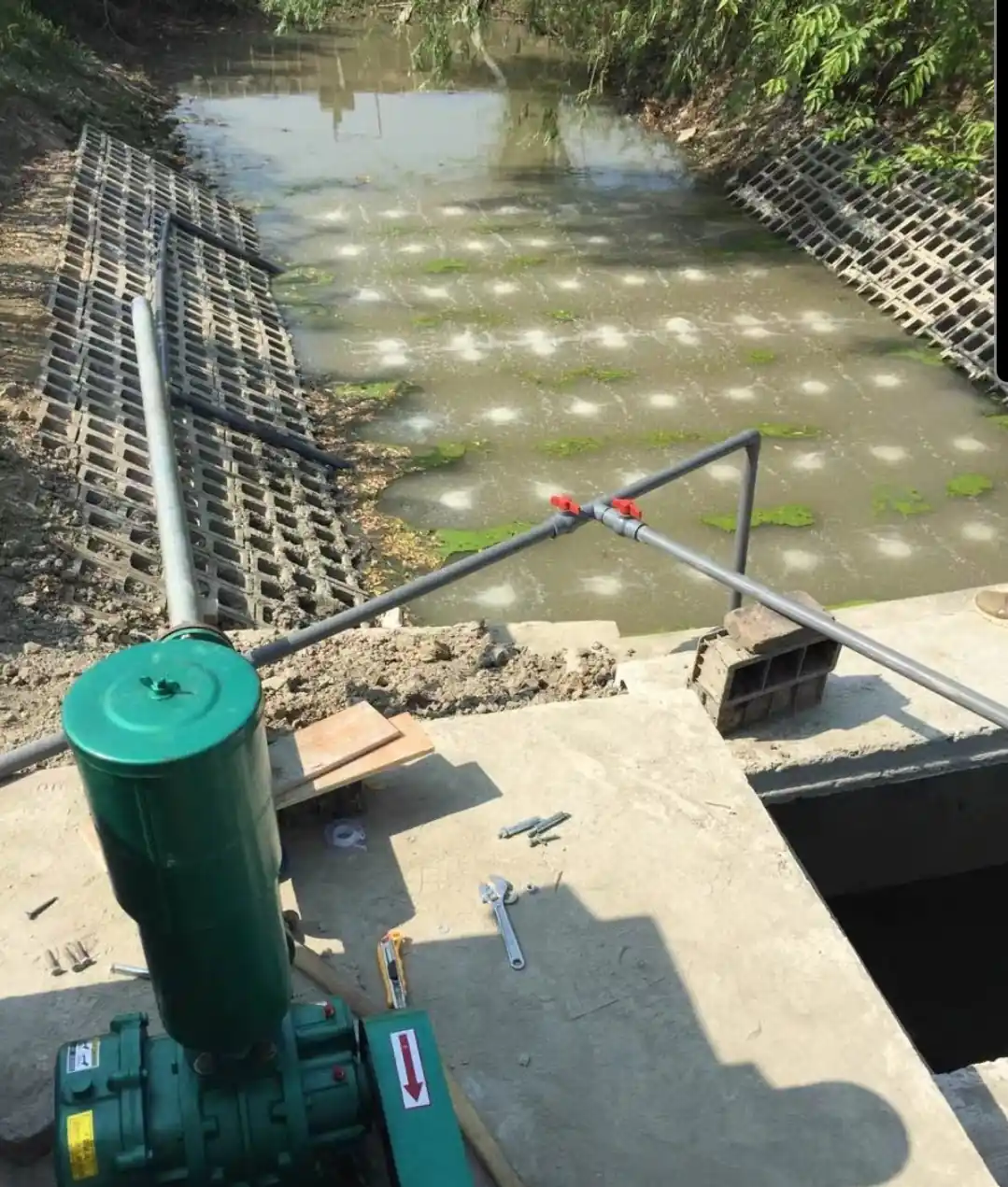
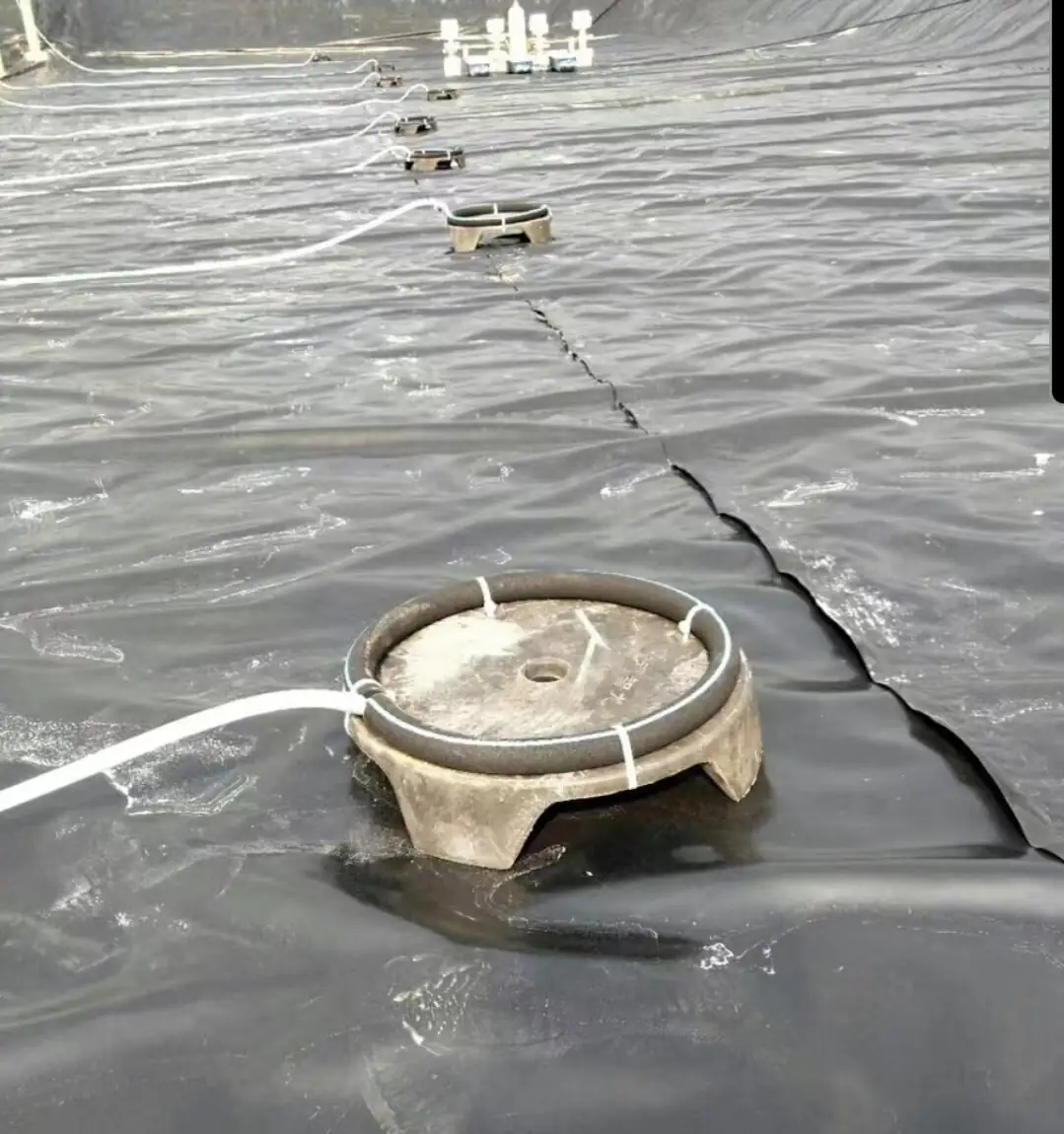
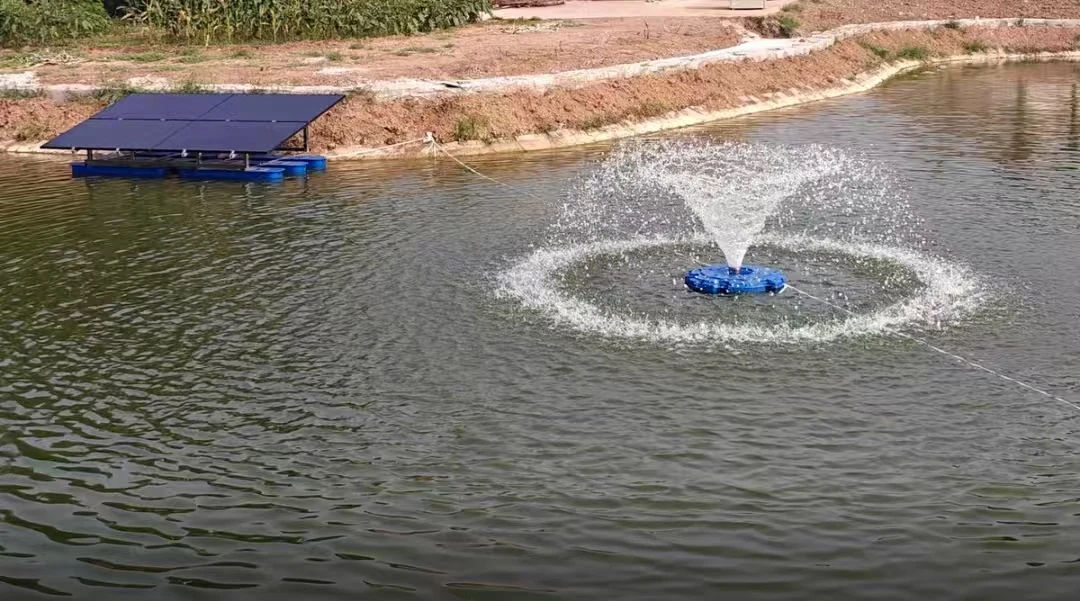
Low temperatures can disable farming facilities, especially on farms without heating. Inspect and reinforce sheds and feeders, protect water pipes with insulation (for example straw wrapping) to prevent freezing and cracking, and service generators, aerators and heating equipment so power and oxygen are never interrupted. Farms without heating should add a double layer of plastic film to keep heat in.
Patrol ponds and banks
Pond and bank condition directly affects stock health. Check twice daily for leaks and repair them promptly, and watch for ice-water separation — top up culture water as needed.
Prepare for oxygen loss
Sudden temperature drops often cause oxygen depletion. Keep a reasonable stock of legal chemical oxygen agents for emergencies, but note that fast-acting agents (calcium peroxide powder, hydrogen peroxide solution) affect water quality and should only be used short-term as a rescue measure. Also stock disinfectants for disease outbreaks that often follow weather disasters.
Raise the water level
Aquatic animals move to the middle and lower water layers as temperatures fall. Top up the pond 30–50 cm before winter: a higher water level slows temperature decline, improves the animals' adaptability and prevents freeze injury or stress when temperature suddenly drops below 5 °C.
Manage dissolved oxygen
Long freezing or snowy weather can form opaque ice cover and deplete oxygen under the ice. Heavy snow reduces photosynthesis and increases oxygen fluctuation, easily starving fish and shrimp. Control stocking density, harvest in time and keep dissolved oxygen sufficient. Clear snow from the ice surface, break holes through the ice and stir the water to stop it refreezing so the water can contact the air — under-ice aeration is recommended where conditions allow.
Keep the pond warm
Add a greenhouse or close the pond with plastic sheeting to raise water temperature, and set up barriers on the north side (stakes or straw stacks) to block cold wind. On sunny warm afternoons, pump sun-warmed shallow water into the pond and add aquatic plants for the fish to shelter in. Warm-water species such as tilapia, pompano, giant freshwater prawn and vannamei shrimp suffer cold injury when water temperature falls to 13–15 °C and can die in large numbers — sell in time when cold weather threatens.