Overwintering fish barely move and do not feed; they live off body reserves and typically lose 10-20% of their weight by spring. If the pond is mismanaged during this period, fingerling mortality can reach 15-25%, which undermines the next season's production and profit. Winter pond management is therefore essential. Here are the seven things to get right.
1. Keep water deep enough
Check the pond for seepage and repair problem dikes. Add water until the pond is deep enough for winter. In Liaoning, for example, ice typically reaches 0.4-0.5 m, so total pond depth should be above 2 m to keep at least 1.5 m of water under the ice. Changchun, Harbin, Inner Mongolia and other colder regions need even more depth.
2. Prevent frost damage
When water temperature falls to around -3 °C, most conventional species suffer frost injury or die. Before a cold snap, raise the water level in stages until depth is above 1.5 m so the bottom layer stays above 4 °C — this is the most direct protection against freezing.
3. Prevent oxygen depletion
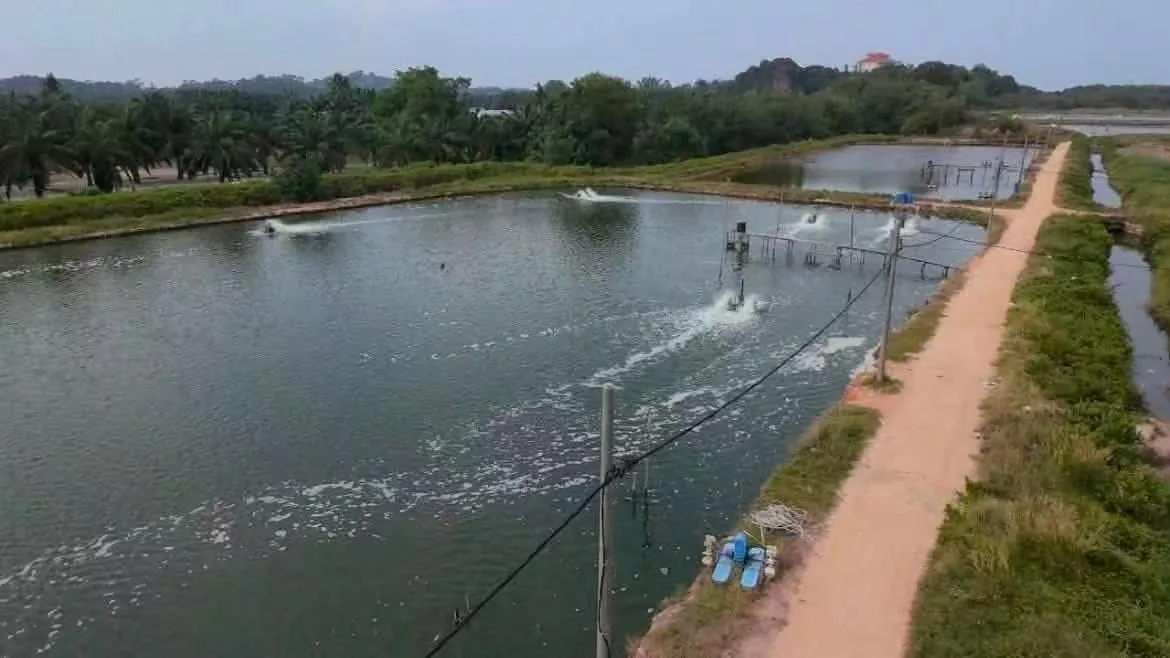
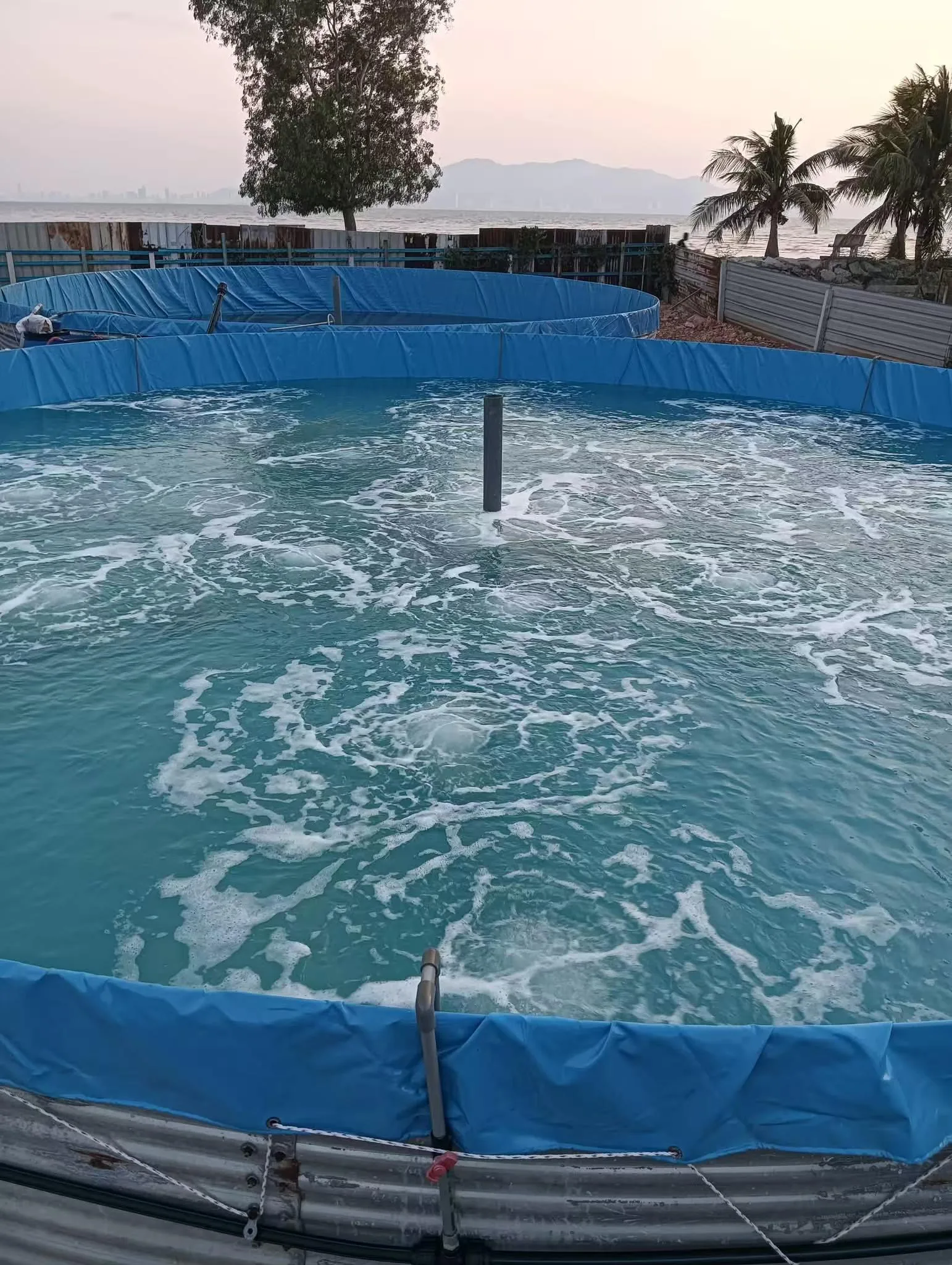
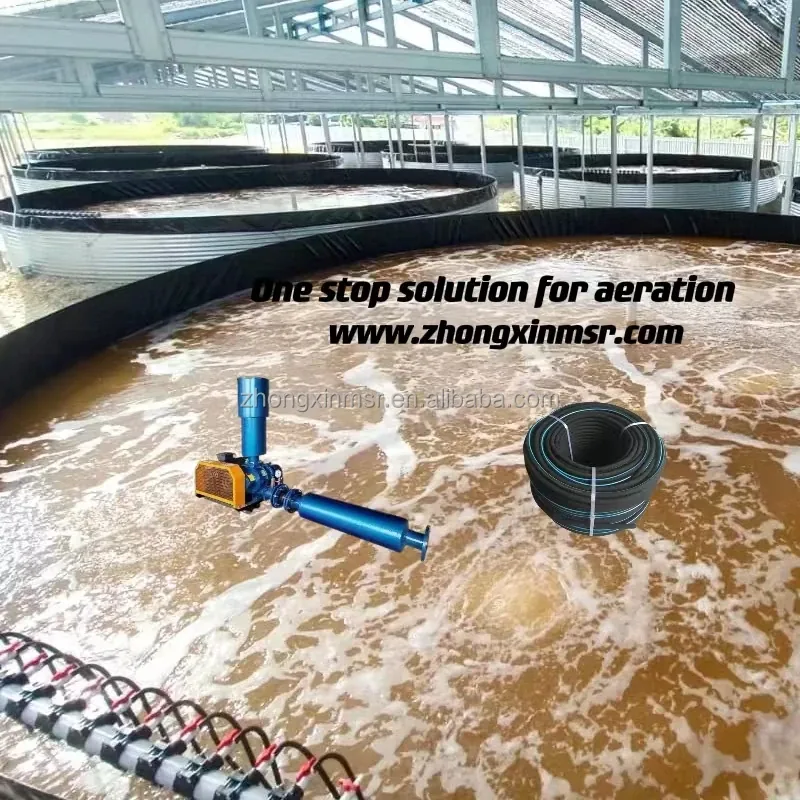
Control holding density in overwintering ponds. In high-density ponds, check dissolved oxygen regularly and run aeration equipment to keep the water gently moving. On ice-covered ponds, break the ice promptly so sunlight and wind can reach the water and re-oxygenate it. In clear, nutrient-poor ponds, fertilise lightly to encourage beneficial microalgae.
4. Prevent poisoning
Ponds treated with insecticides or disinfectants before winter are at risk of slow, chronic poisoning, because low temperature slows chemical breakdown. Minimise the use of parasiticides at low temperature. If bottom fish start swimming abnormally in the upper layers — a classic sign of chronic toxicity — pump out bottom water and replace it, and in severe cases move the fish or sell early.
5. Keep the right fertility for photosynthetic oxygen
Plankton is the oxygen factory of the pond, and winter transparency is a reliable gauge of how much phytoplankton is present (open-water transparency is distorted by wind, fertilising and feeding; under ice it is not). Aim for 40-50 cm transparency in winter. If the water is too clear, hang fertiliser bags — about 30 kg/ha of compound fertiliser per application, plus up to 7.5 kg/ha of superphosphate. Apply in small, frequent doses: after insecticide use, few zooplankton remain to control phytoplankton, and the water can easily become over-rich.
6. Clear snow and black ice
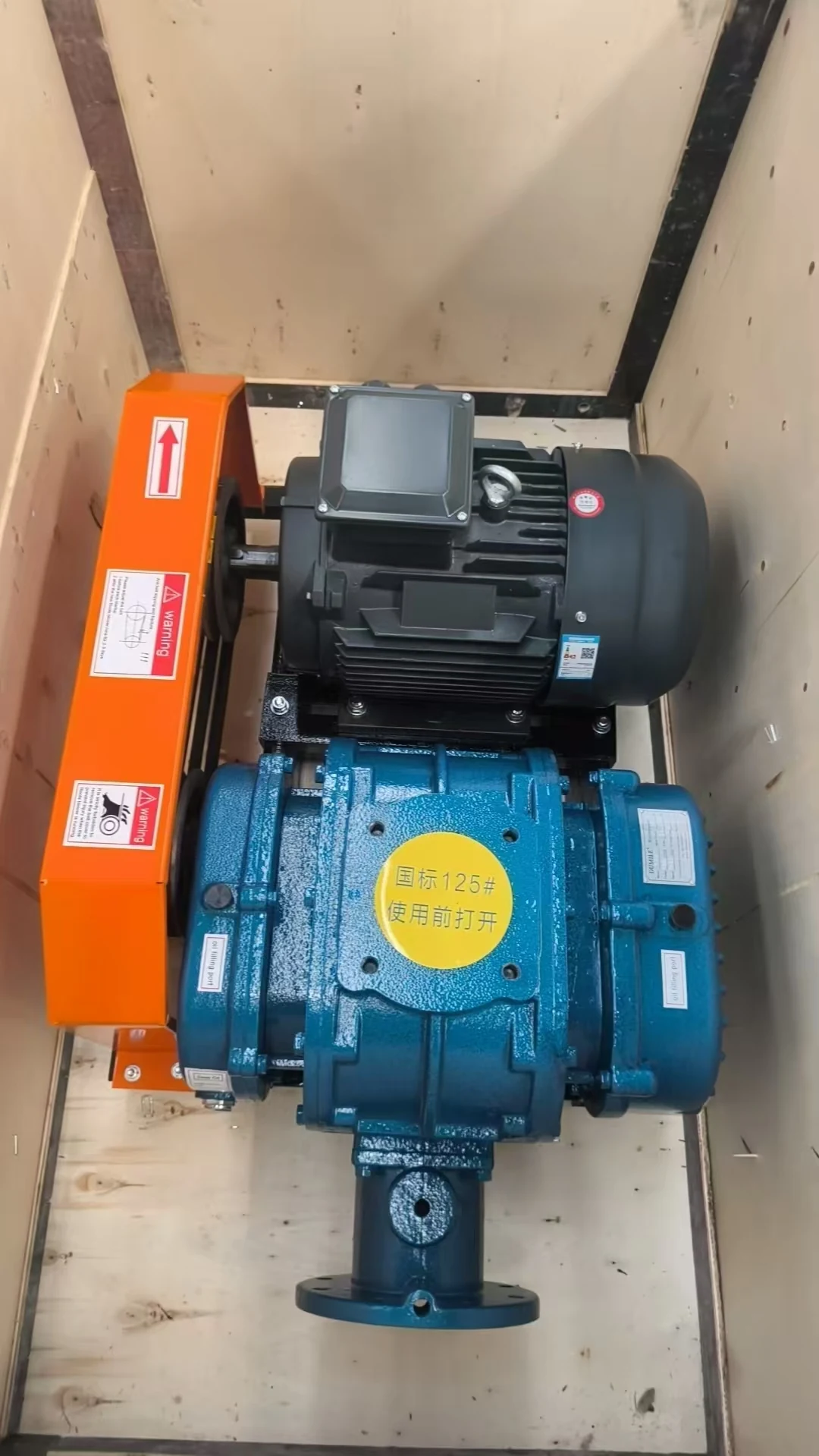
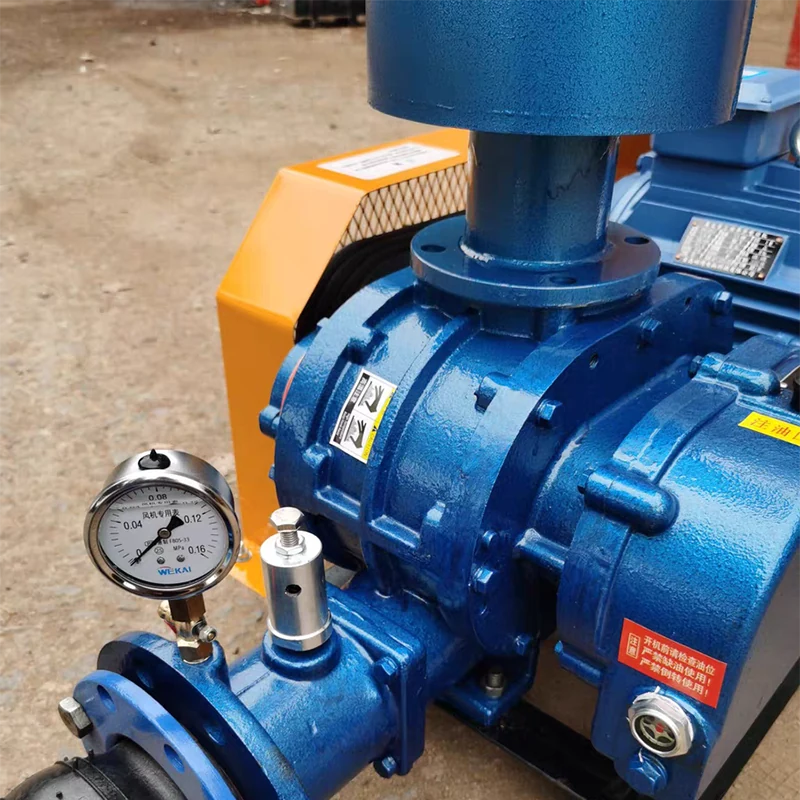
Snow must be brushed off promptly. Patchy black ice can be left alone, but after several days of snow and rain, most of the ice may be dark and poorly frozen. Cutting with an ice knife was the old method; today the recommended approach is to punch several holes with an iron bar, drop in several aeration heads, and use a blower to melt open the sections, then pull the heads out. Water that refreezes afterwards is usually clear ice. Light penetration under the ice — and therefore oxygen production — depends closely on ice quality.
7. Prevent disease
Bacterial disease. Some ponds need additional fingerlings in winter, which means netting operations. Fish that have travelled long distances or been handled repeatedly arrive with lost scales, red swollen tails and mouths, and damaged fins. Because feeding — and immunity — collapse in winter, these fish easily contract saprolegniasis (water mould), gill rot and red-skin disease. Net at water temperatures above 10 °C, minimise transport steps and source fingerlings locally.
Parasitic disease. When water warms after overwintering, parasites enter their peak breeding season — Trichodina, anchor worms and ciliates are common, often together with bacterial gill rot. The root cause is poor fish condition and a degraded pond ecosystem after winter. Monitor and adjust transparency and pH, and use quicklime, bottom-conditioning products and microbial preparations to keep a balanced algal community and a healthy environment — this lowers disease incidence far more than medication.
Viral disease. Spring viraemia of carp and herpesvirus infections appear after ice-out. There is no effective drug treatment for viral disease, so prevention is everything: drain, turn and sun-dry the pond thoroughly in winter, especially ponds with a history of disease. Once fish resume feeding, add immune enhancers such as yeast polysaccharides and herbal additives to the feed to strengthen resistance.
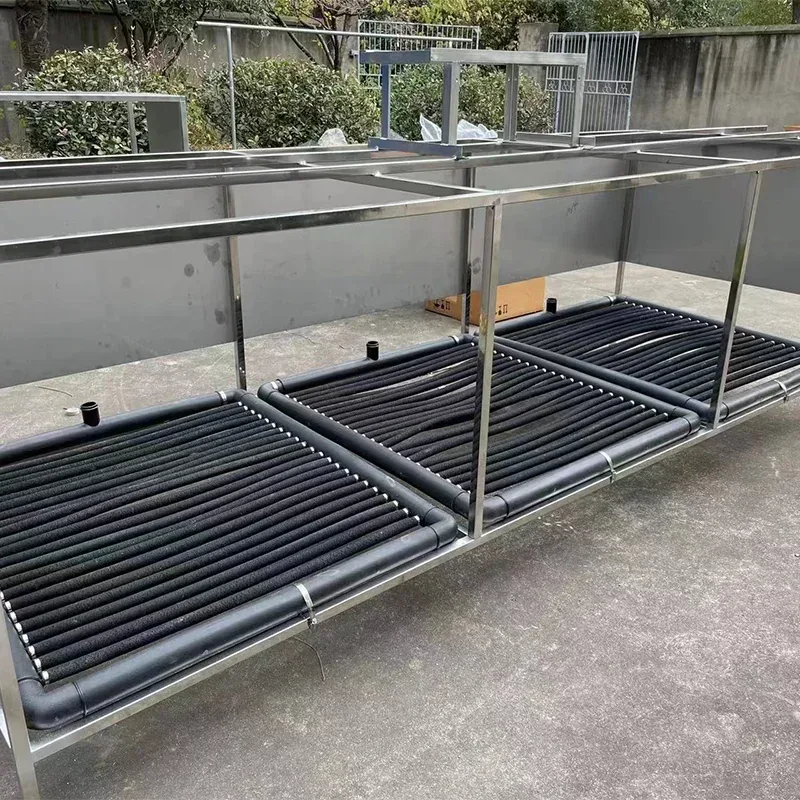
Overwintering losses are almost always preventable. The pond that enters winter deep, clean and with working aeration exits winter with its stock intact. For aeration equipment suited to overwintering ponds — blowers, air stones and ice-hole aeration kits — contact us with your pond size and depth.
Frequently asked questions
Q: How much weight do overwintering fish lose? A: They barely move and do not feed, living off body reserves, and typically lose 10–20% of their weight by spring. If the pond is mismanaged, fingerling mortality can reach 15–25%.
Q: How deep should an overwintering pond be? A: Deep enough to keep water under the ice. In Liaoning, where ice reaches 0.4–0.5 m, total depth should be above 2 m so at least 1.5 m of water stays below the ice; Changchun, Harbin, Inner Mongolia and other colder regions need more.
Q: What water transparency should winter management aim for? A: 40–50 cm. Under ice, transparency is a reliable gauge of how much phytoplankton is present, because open-water readings are distorted by wind, fertilising and feeding.
Q: How are snow and black ice dealt with? A: Brush snow off promptly. Patchy black ice can be left, but after days of snow and rain, punch several holes with an iron bar, drop in aeration heads, use a blower to melt the sections open, then pull the heads out — water that refreezes afterwards is usually clear ice.
Q: When should winter netting be done? A: At water temperatures above 10 °C, with as few transport steps as possible and fingerlings sourced locally — fish handled at low temperature arrive with lost scales and damaged fins, and then contract saprolegniasis, gill rot and red-skin disease.