Physical treatment
Physical treatment separates and removes suspended, undissolved pollutants (including oil films and oil droplets) by purely physical action. The chemical nature of the pollutants does not change during the process. The main methods are:
1. Gravity separation — settling and flotation (air flotation). Typical units are the sedimentation tank, grit chamber, oil separator and dissolved-air flotation cell with their auxiliary equipment.
2. Centrifugal separation — a treatment step on its own, using centrifuges and hydrocyclones.
3. Screening and filtration — bar screens and mesh sieves for coarse retention; sand filters and microporous filters for finer separation.
Other physical routes include evaporation, gas-liquid exchange (stripping), high-gradient magnetic separation and adsorption. Physical methods are widely used because the equipment is relatively simple, easy to operate and gives dependable separation.
Chemical treatment
Chemical treatment removes dissolved and colloidal pollutants — or converts them into harmless substances — through chemical reaction and mass transfer. Reaction-based units add reagents and rely on coagulation, neutralisation or oxidation-reduction. Mass-transfer-based units include extraction, stripping, blow-off, adsorption, ion exchange, electrodialysis and reverse osmosis. Common applications are neutralisation, coagulation, chemical precipitation, chemical oxidation and solvent extraction of wastewater.
Compared with biological treatment, chemical methods remove more pollutants quickly and effectively, and they are often used as tertiary treatment after a biological stage. The equipment is easy to operate, readily automated for monitoring and control, and often allows recovery and reuse of materials. Chemical treatment is particularly effective at removing highly toxic and acutely toxic pollutants.
Physicochemical treatment
Physicochemical treatment combines physical and chemical mechanisms — either a treatment train built from separate physical and chemical steps (for example coagulation–sedimentation followed by activated-carbon adsorption) or a single unit that involves both, such as flotation, stripping, crystallisation, adsorption, solvent extraction, electrolysis, electrodialysis, ion exchange or reverse osmosis.
Against biological treatment, physicochemical systems offer a smaller footprint, better and more stable effluent quality, strong tolerance to variations in flow, temperature and pollutant load, removal of harmful heavy-metal ions, good phosphorus, nitrogen and colour removal, and easy automation. Their drawback is higher capital and operating cost.
Biological treatment
Biological (biochemical) treatment uses microbial metabolism to convert dissolved, colloidal and finely suspended organic pollutants into stable, harmless substances. It is the most widely used approach for municipal and industrial organic wastewater.
Two families exist:
- Aerobic treatment — activated sludge and biofilm (attached-growth) processes. Activated sludge has many operating variants. Biofilm equipment includes the biological filter (trickling filter), rotating biological contactor (RBC), biological contact oxidation tank and fluidised-bed bioreactor. Oxidation ponds (natural biological treatment) also belong here.
- Anaerobic treatment — also called biological reduction. It is used mainly for high-strength organic wastewater and sludge, with the digester as the principal unit.
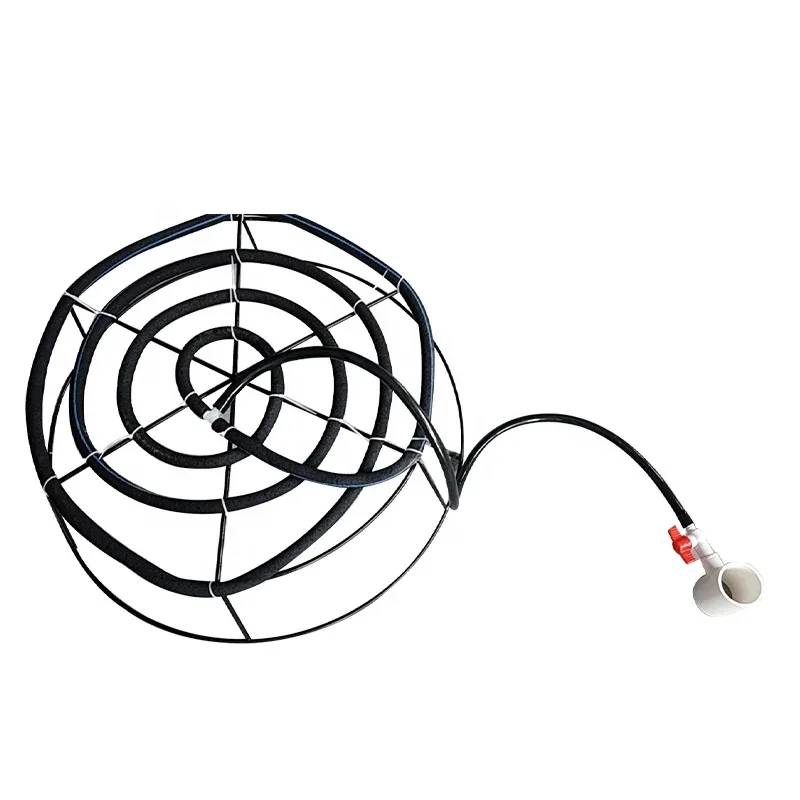
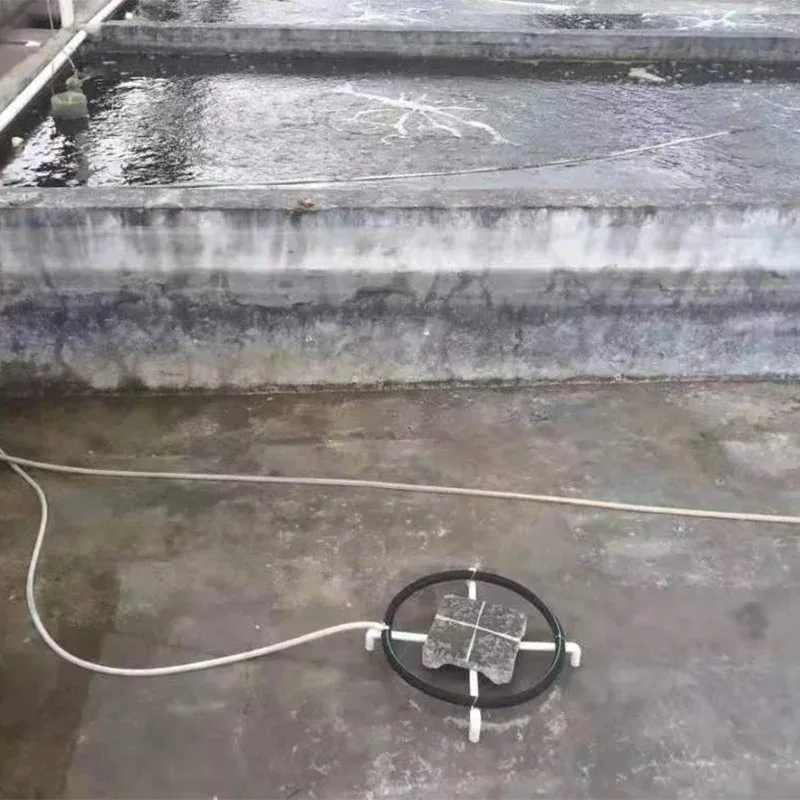
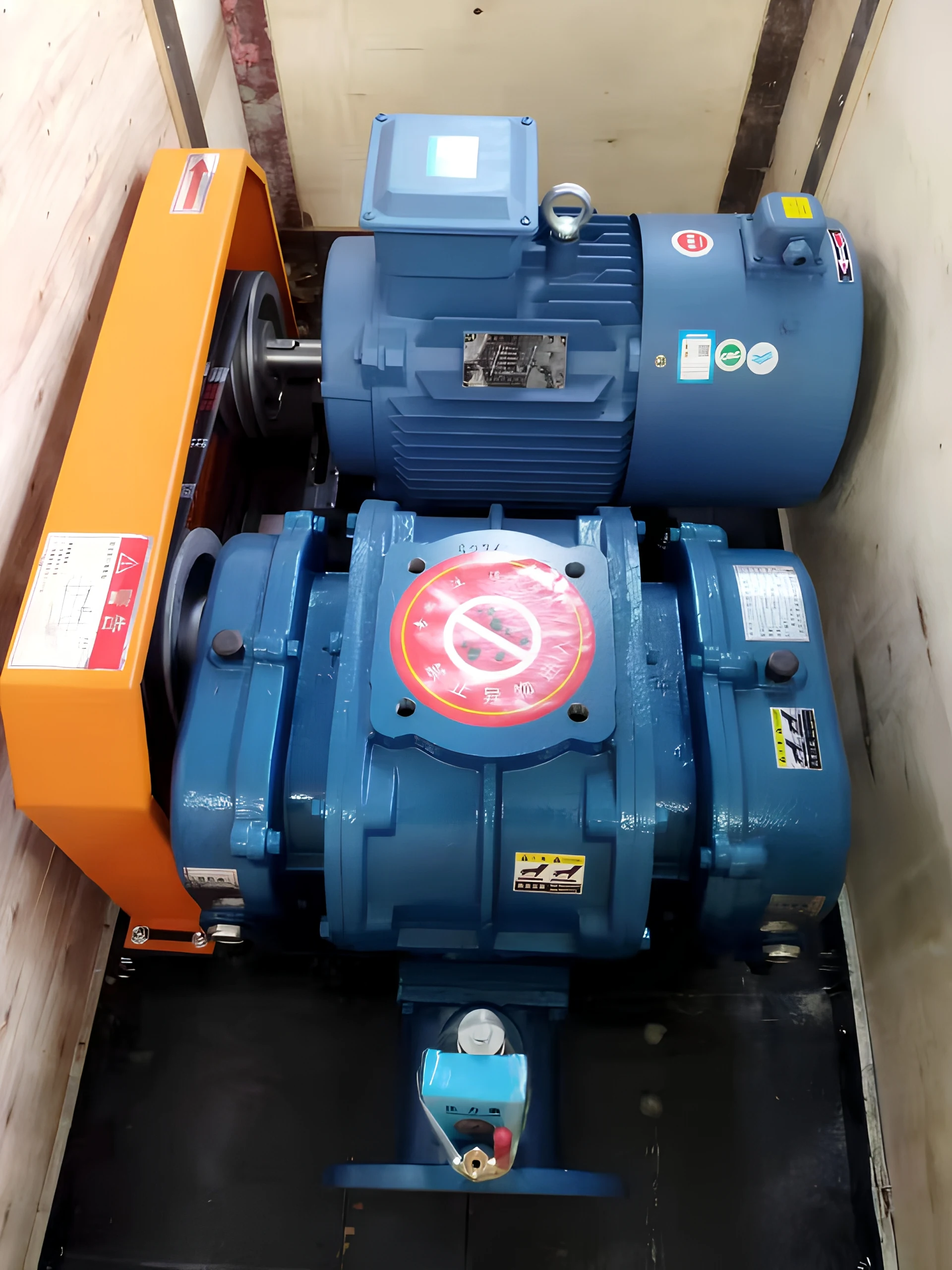
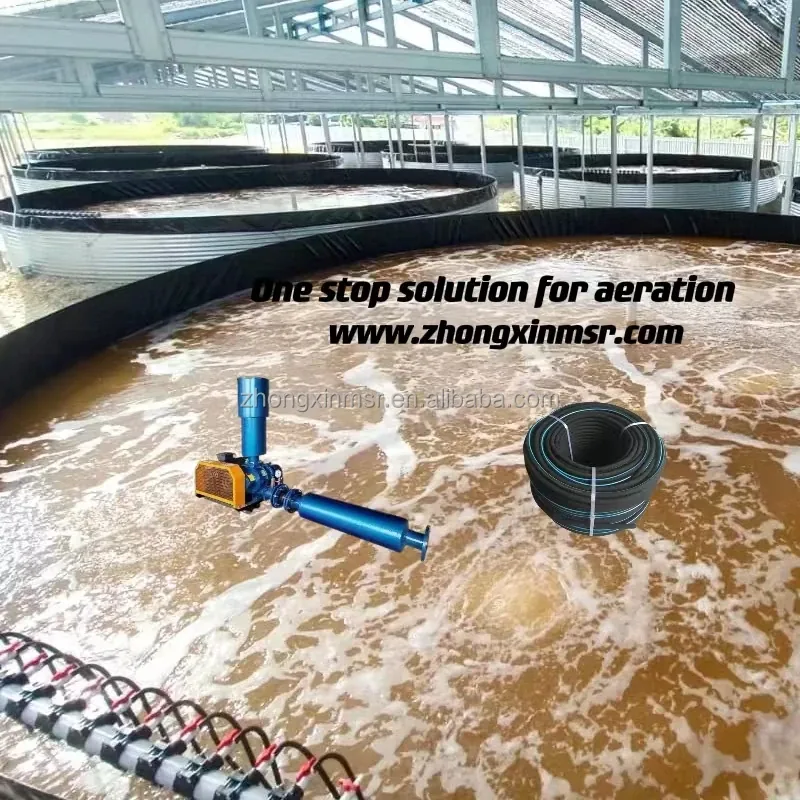
Biological contact oxidation is a biofilm process midway between activated sludge and the trickling filter. Media (packing) fill the reactor and aerated wastewater submerges the media and flows across it at a controlled velocity. A biofilm grows on the media surface; as the wastewater contacts the biofilm, microbial metabolism removes organic pollutants and the water is purified. Air is supplied by bottom aeration — normally an aeration roots blower or mechanical surface aerators — and the flow keeps the wastewater moving so every part of the media is contacted evenly, avoiding the dead zones that plague poorly mixed contact-oxidation tanks.
Choosing the right treatment family — and within biological treatment, the right aeration system — depends on the pollutant load, discharge standard and operating budget. Roots blowers remain the most cost-effective way to supply the continuous, low-pressure air that aerobic units need. For aeration system sizing and blower selection for your wastewater project, contact us with your tank dimensions, water depth and airflow requirement.
Frequently asked questions
Q: What are the four treatment families? A: Physical, chemical, physicochemical and biological treatment.
Q: What does physical treatment actually remove? A: Suspended and undissolved pollutants including oil films and droplets, by purely physical action, without changing their chemical nature — through gravity separation, centrifugal separation, and screening or filtration.
Q: What is the drawback of physicochemical systems? A: Higher capital and operating cost, despite a smaller footprint, better and more stable effluent quality, strong tolerance to flow and load variation, removal of heavy-metal ions, and good nutrient and colour removal.
Q: What is biological contact oxidation? A: A biofilm process midway between activated sludge and the trickling filter: media fill the reactor, aerated wastewater submerges the media and flows across it at a controlled velocity, and a biofilm on the media surface removes organic pollutants.
Q: How is air supplied to aerobic units? A: By bottom aeration — normally an aeration Roots blower or mechanical surface aerators — with the flow keeping the wastewater moving so every part of the media is contacted evenly and dead zones are avoided.