Livestock and aquaculture effluent is a growing compliance problem for farms of every size. Treating it starts with knowing where the pollution comes from and what is in it.
1. Sources and chemical composition of the wastewater
Livestock and aquaculture wastewater comes from pig, cattle, horse, sheep, chicken, duck and goose farms, and from fish and shrimp farms. On the farm itself the effluent has four main origins:
1. Wash-down water
from cleaning pens, sheds and equipment;
2. Urine wastewater
from the animals;
3. Manure-residue wastewater
left in the sheds;
4. Feed-residue wastewater
The pollutant chemistry is dominated by organic matter measured as COD, total phosphorus (TP), ammonia nitrogen, total nitrogen (TN), heavy-metal ions, bacteria, and residues of faeces, urine and medication. The combination — high organics plus nutrients plus microbes — is what makes this stream harder to treat than ordinary domestic sewage.
2. Treatment methods that work
Method 1: Coagulation + air flotation pretreatment
Coagulation with an inorganic flocculant — polyaluminium chloride (PAC), polyferric sulfate, aluminium sulfate — combined with an anionic polyacrylamide (APAM) helper, followed by a dissolved-air flotation (DAF) unit, is the standard pretreatment for this wastewater class. The coagulation step decolours the water, cuts COD and flocculates suspended solids. A good decolouring/flocculating agent is decisive for deep colour removal on livestock effluent, which is dark and heavily loaded.
Method 2: Aerobic biological treatment with aeration equipment
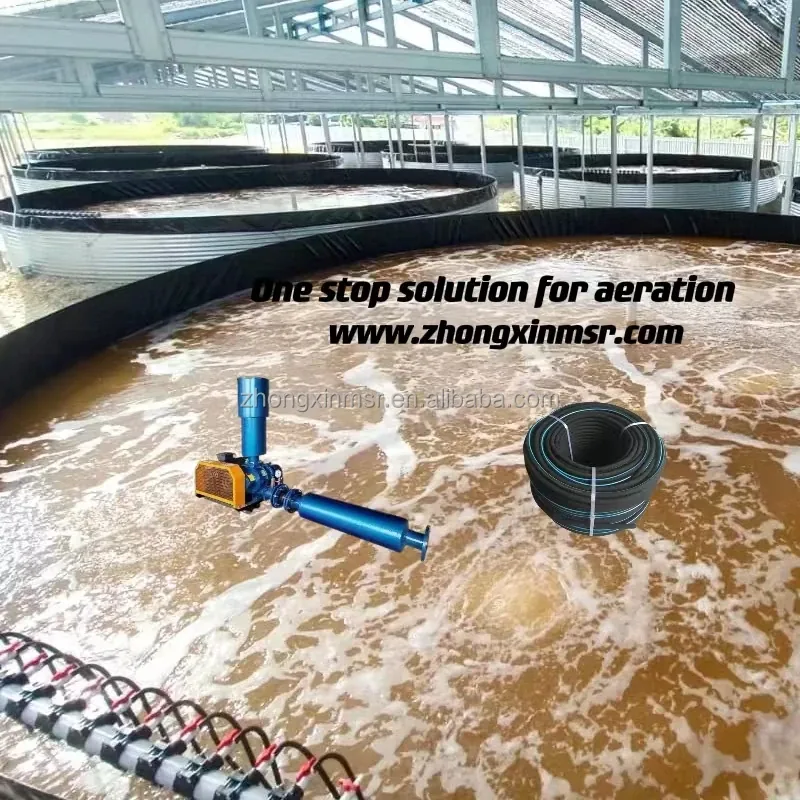
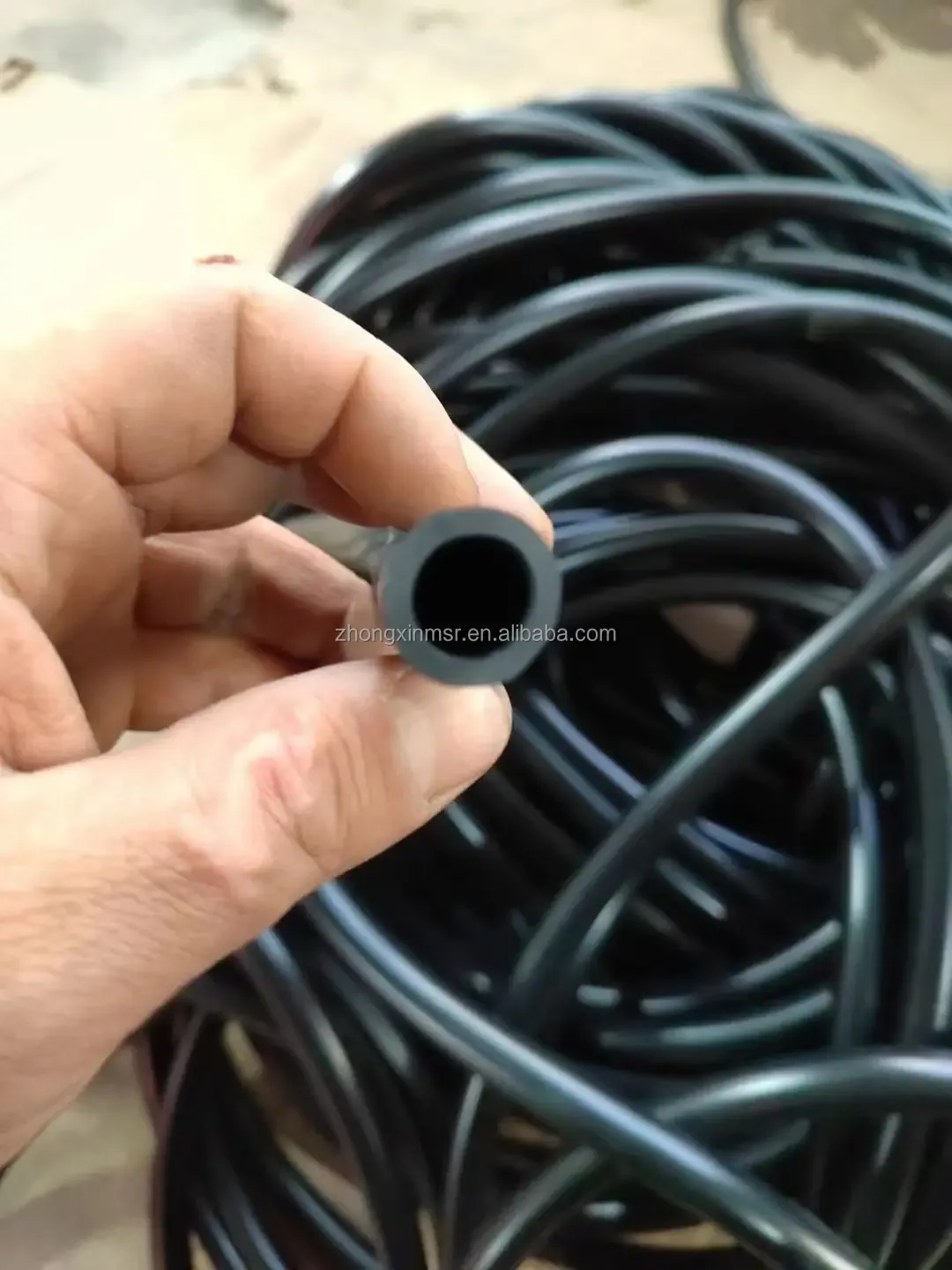
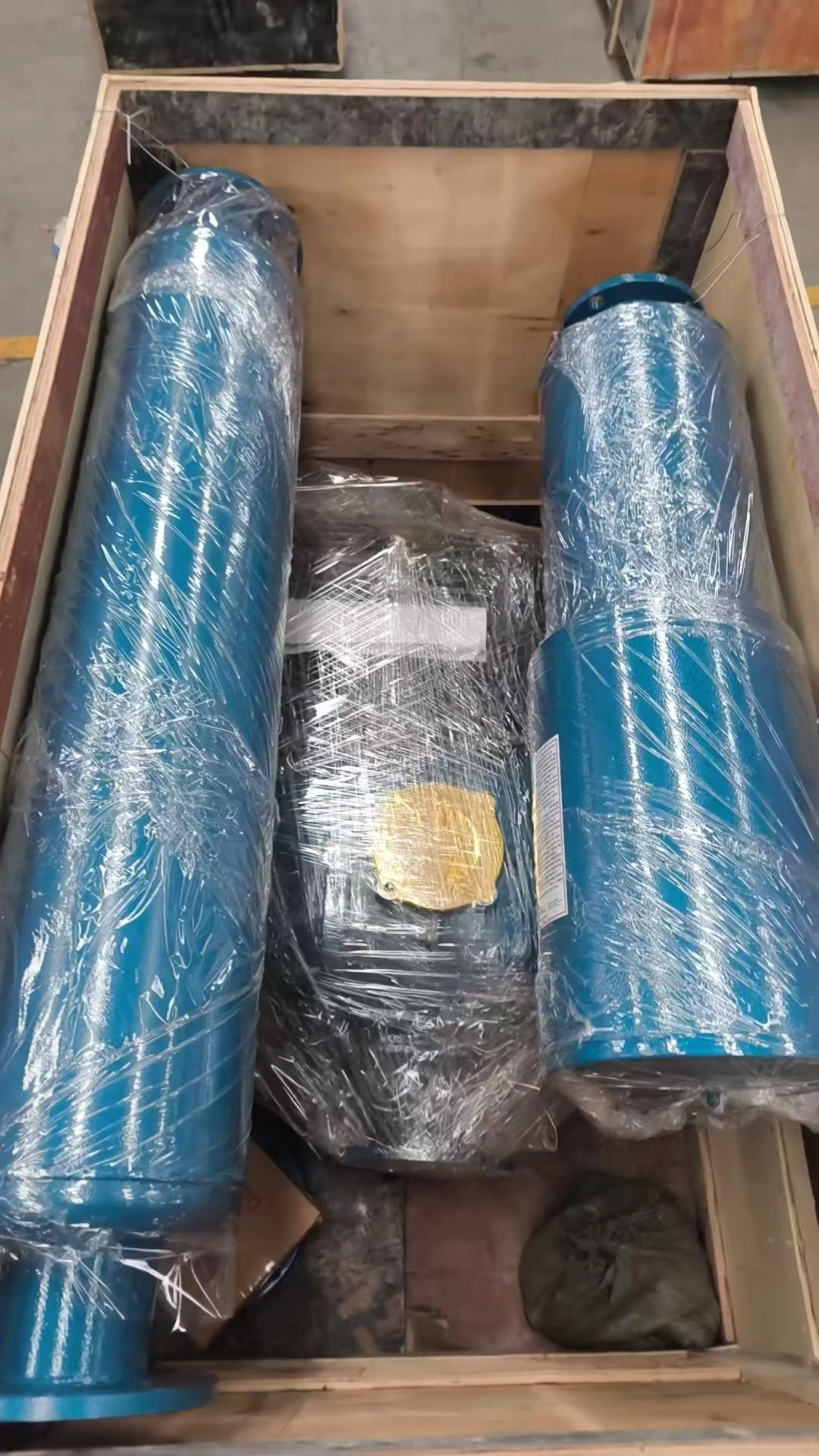
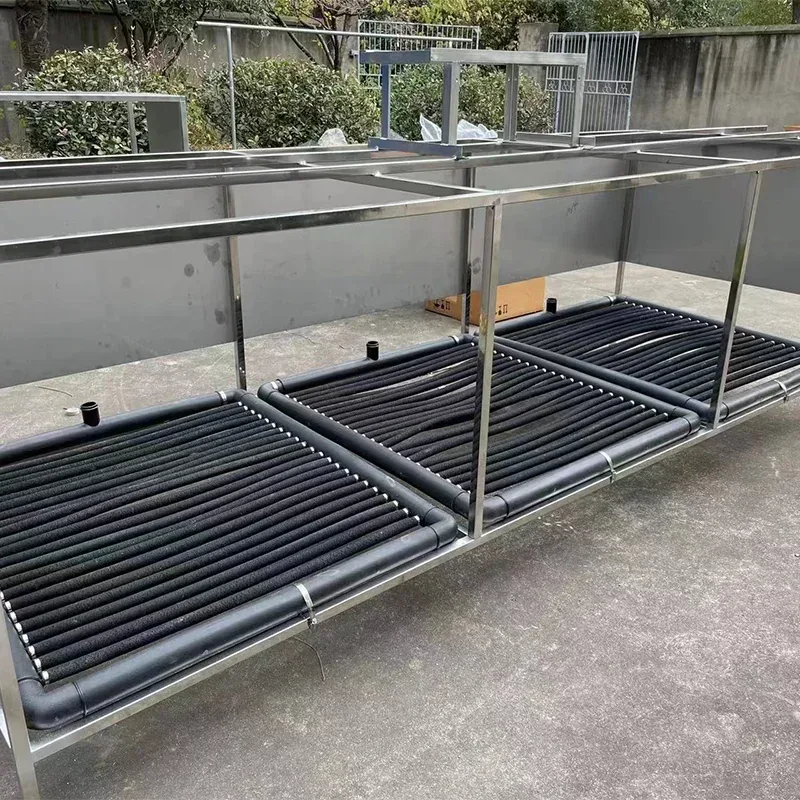
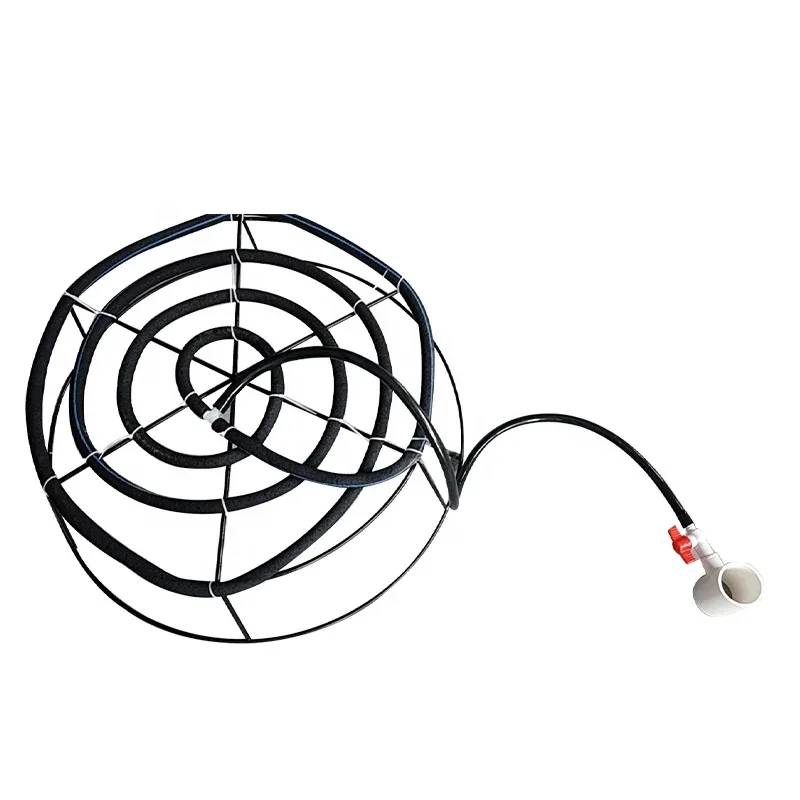
Biological treatment needs oxygen, delivered efficiently. A complete aeration system — a roots blower supplying air to raise water circulation, plus aeration discs and microporous tubing to purify the water body — is an effective and energy-efficient way to keep the aerobic biomass working. Microporous aeration produces fine bubbles with very high oxygen-transfer efficiency, so the same COD removal is achieved with a fraction of the energy that paddle-wheel or surface aerators would use.
Method 3: Biochemical treatment (aerobic and anaerobic)
Two biochemical families apply:
- Aerobic treatment — activated sludge or biofilm processes that oxidise organic pollutants to carbon dioxide and water; suitable once the load has been cut by pretreatment.
- Anaerobic treatment — biological reduction that handles high-strength streams and sludge, producing biogas as a by-product.
A practical livestock/aquaculture wastewater train is therefore: coagulation + air flotation (colour, COD, solids) → aerobic biochemical stage with microporous aeration (organics, ammonia) → polishing to meet the discharge standard. For aeration system design for your effluent — blower sizing, diffuser layout and energy use — see aeration and blower duty in wastewater treatment, or contact us with your daily volume and pollutant load.
Frequently asked questions
Q: Where does livestock and aquaculture wastewater come from? A: Pig, cattle, horse, sheep, chicken, duck and goose farms, and fish and shrimp farms. On the farm itself the effluent comes from wash-down water, urine, manure residue and feed residue.
Q: What makes it harder to treat than domestic sewage? A: The combination of pollutants: organic matter measured as COD, nutrients (TP, ammonia nitrogen, TN), heavy-metal ions, bacteria, and residues of faeces, urine and medication.
Q: What does the pretreatment stage consist of? A: Coagulation with an inorganic flocculant — polyaluminium chloride, polyferric sulfate or aluminium sulfate — combined with an anionic polyacrylamide helper, followed by dissolved-air flotation. The coagulation step decolours the water, cuts COD and flocculates suspended solids.
Q: Why microporous aeration in the biological stage? A: Fine bubbles give very high oxygen-transfer efficiency, so the same COD removal is achieved with a fraction of the energy that paddle-wheel or surface aerators would use.
Q: What does a practical treatment train look like? A: Coagulation plus air flotation for colour, COD and solids; an aerobic biochemical stage with microporous aeration for organics and ammonia; then polishing to meet the discharge standard.