1. Where Roots blower noise comes from
Roots blower noise has three sources: mechanical noise, electromagnetic noise and airflow noise. Mechanical noise comes from the gears and bearings inside the machine, plus body vibration, friction and impact. Airflow noise is created as the impellers compress the air and drive it into turbulent swirls. Of these, airflow noise is the loudest and most harmful to people.
2. Practical noise-reduction measures
(1) Choose the right blower model.
Within the same series, higher pressure and airflow mean more noise. An oversized blower wastes electricity and needs matching pipework and operating schedules to stay quiet. Where performance allows, prefer a lower-speed blower of the same model — cut the speed once the required flow is reached to reduce noise.
(2) Build an enclosure.
A housing around the blower unit blocks noise from reaching the outside and keeps it within a set area. This is simple whether you are building a new plant or treating existing noise. Use heavy materials such as 240 mm brick walls or 200 mm aerated concrete blocks, and avoid direct ventilation openings or other sound paths to improve sealing and sound insulation. You can also build a fully sealed soundproof room for the blower, lining the inner walls with 60 mm microporous foam plastic and filling gaps around ducts with felt to absorb noise. Provide a soundproofed control room so operators stay away from the noise source — equip it with a remote intelligent control system that displays temperature, pressure and motor current in real time and supports start, stop and fault alarms (man-machine separation).
(3) Treat the pipe system.
Blower noise travels through the ducting, so pipe treatment is an important part of noise control:
- Where possible, thicken the inner wall of the duct (for example add 4–6 mm steel plate) to increase stiffness and reduce vibration-induced re-noise.
- Use flexible connections at bends and joints to reduce airflow-impact noise. Install elastic pads at pipe-through-wall points and make flexible pipe sections; supports should be rigid, with vibration damping where they meet the floor.
- Where conditions allow, reduce air speed and increase pipe diameter — this lowers airflow noise and lets silencers perform better.
- Add damping material to the outside of the duct. High-speed air hitting the wall causes high-frequency vibration; external damping (straw wrapping, or a wooden cover filled with sawdust) lowers the vibration frequency effectively. Prefer corrosion-resistant, fireproof inorganic materials such as mineral wool or perlite.
(4) Isolate the foundation.
A running blower creates strong vibration and mechanical noise that travels through the body into other structures — you can feel the floor shake beside it. Improve the precision of the equipment to reduce vibration coupling, and isolate the machine from the floor with a separate foundation: cut vibration-isolation trenches or slots around the base, or mount the unit on spring isolators. This approach is widely used in engineering and works well.
(5) Architectural measures.
Simple and easy to build: give the blower its own machine room; build a well-soundproofed control room inside (windows and doors should not face the machine room); place the air intake where it does not affect the surroundings and run the inlet duct underground under a heavy cover plate; exhaust outlets are noisy — build a muffler pit or exhaust silencer chamber, or route the outlet into a pit or ditch outside the machine room where the site allows.
(6) Install silencers.
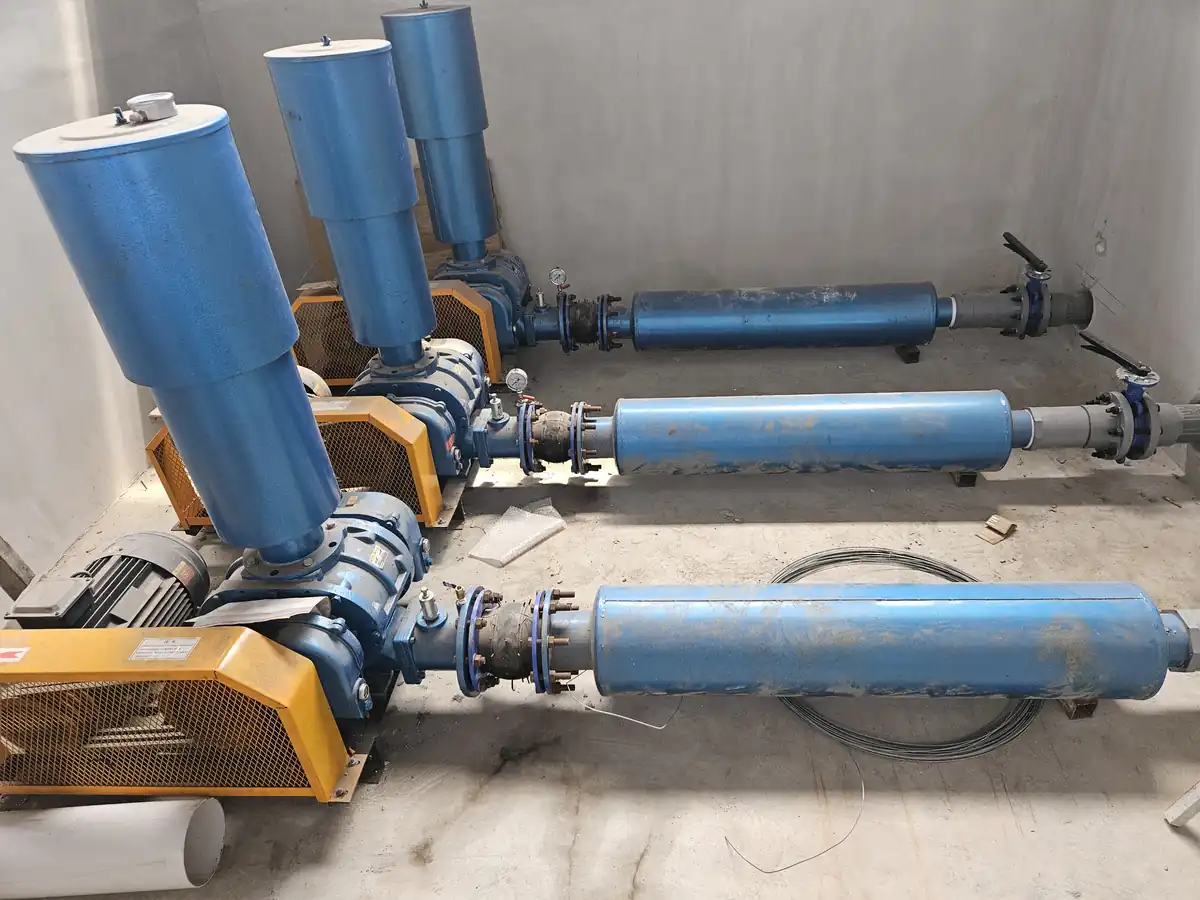
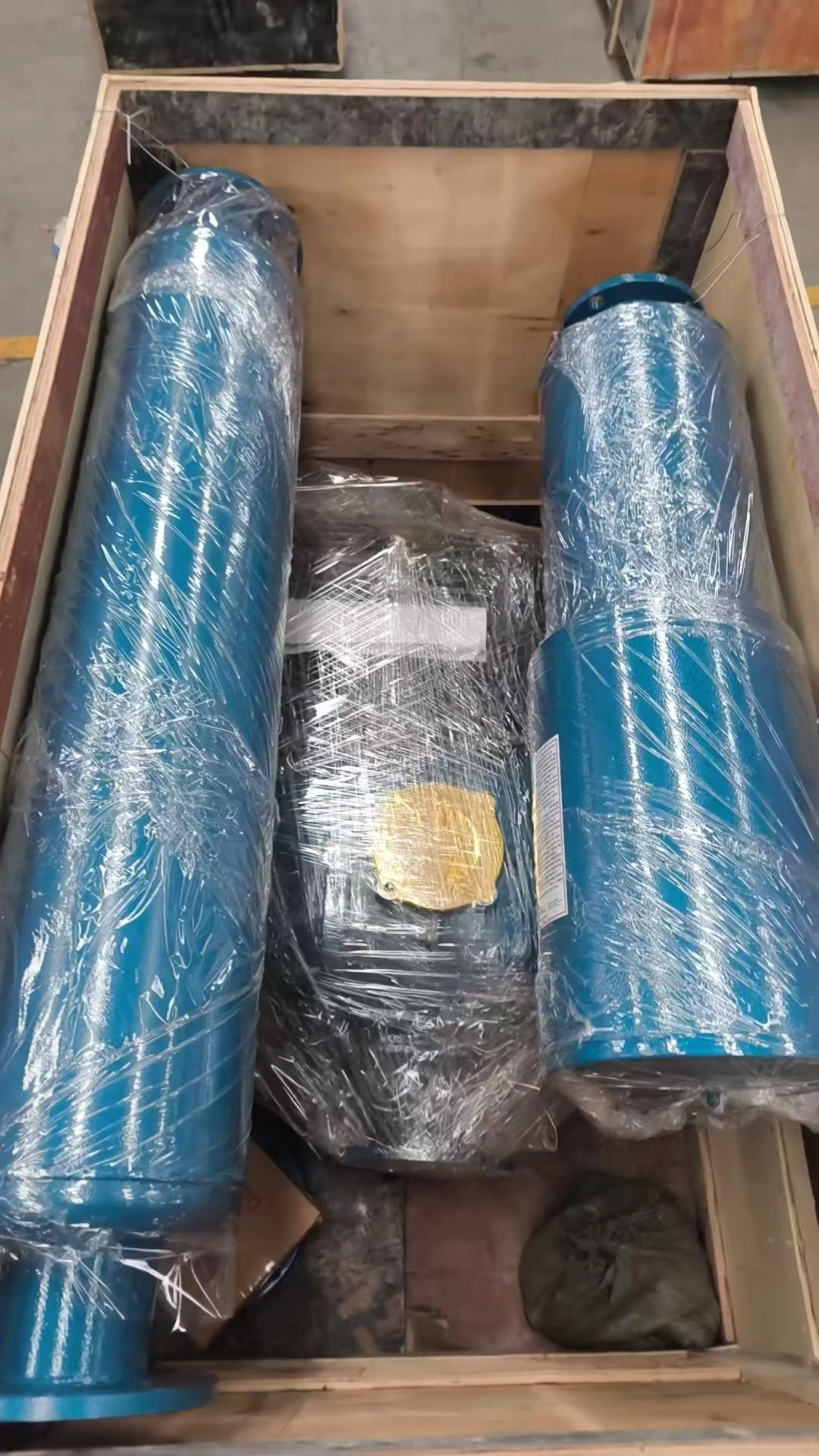
Silencers on the inlet and outlet piping are an effective noise-control measure and significantly reduce airflow noise. Choose by frequency range: resistive silencers suit mid-to-high frequencies, reactive silencers mid-to-low frequencies, micro-perforated plate silencers for low-mid broadband, plus combined specialist silencers.