In aquaculture, the disease that costs you money is the one you could have prevented. This field guide covers the three layers that keep fish healthy: prevention, diagnosis and treatment — in that order of importance.
Part 1: Prevention
1. Disinfect everything that touches the water
Fish body. At water temperatures above 15 °C, bathe fish in 15-20 mg/L potassium permanganate for 15-20 minutes. Below 15 °C use a milder disinfectant such as povidone-iodine. Choose the method by microscope examination of the fish and the actual pathogen present.
Feed. Live feeds collected from the wild carry pathogens. Soak them in 3% salt solution for 3-5 minutes before feeding.
Tools. After every use, put nets, buckets and other tools into a disinfection bath. Use 600 mg/L bleaching-powder solution, and rinse tools with clean water before the next use.
2. Enforce quarantine and regular checks
Sample fish regularly to track pathogen loads. When disease — especially an infectious one — is found, isolate, observe and treat immediately to stop spread. New fingerlings must be confirmed healthy before being mixed with existing stock.
3. Scientific management
- Feed the right amount of good-quality feed. Adding microbial additives (mainly lactic-acid bacteria, Bacillus subtilis and yeast) to the diet improves the intestinal environment.
- Match the stocking niche: apply bottom-conditioning microbial preparations based on Bacillus subtilis to improve the sediment.
- Improve water quality with EM cultures, photosynthetic bacteria and Enterococcus-based preparations.
- Avoid injuries from rough handling and transport; treat any wounds promptly.
- Never spray insecticides or other toxic substances near the pond.
- Stock at appropriate density.
- Patrol the pond regularly and watch how the fish behave so problems are caught early.
4. Preventive medication in the disease season
During high-risk seasons, apply preventive treatments — splashing medication into the water and adding preventive products to the feed on a schedule.
Part 2: Diagnosis
1. On-site investigation
When fish fall sick or die, gather the full picture: external and internal abnormalities, any operational mistakes, how fast the outbreak spread, which species died, total losses, the time of death, symptoms (jumping, darting, surface gasping or lying on the bottom), colour changes on the body surface, and whether the water is normal or polluted.
2. Visual examination
Look for characteristic lesions and visible pathogens.
Body surface. Place freshly dead or live sick fish on a dissecting tray. Examine the head, mouth, eyes, gill covers and fins: skin congestion, inflammation, ulcers, mucus quantity, red fin bases, frayed fin edges, large pathogens or unusual signs.
Gills. Check whether the gill covers stay open, the colour of the gill plates, excess mucus, swollen or ulcerated gill filaments, eroded windows inside the gill cover, and visible parasites.
Internal organs. Open the body cavity and inspect the intestine, liver, gallbladder, gonads, spleen and swim bladder for shape, colour, congestion, inflammation and large parasites. The midgut is the key organ: separate it and check for congestion, ascites, large parasites in the cavity, and any inflammation or ulceration.
3. Microscope examination
Scrape mucus from the gills and body surface and sample internal organs onto slides to identify parasites under the microscope. When more than one pathogen is present, compare infection intensity, harm to the fish and the symptoms to determine which is primary, so treatment targets the real cause.
Part 3: Treatment
Bath (immersion) treatment. Prepare a concentrated drug solution in a container and immerse the fish for a short time to kill pathogens. Duration depends on water temperature and the fish's tolerance: at higher temperatures the drug acts faster and is more toxic, so shorten the bath; weakened fish also need shorter baths, and highly toxic drugs must never be over-applied. Within the safe range, longer baths give better results. Watch the fish throughout for poisoning or oxygen shortage, and keep immersion times identical across batches so results stay comparable. Typical agents: potassium permanganate and iodine preparations. This method suits cage culture.
Whole-pond splashing. Dilute a drug that is safe for the fish yet effective against pathogens, and spread it evenly over the whole water body to kill pathogens in fish and water. Measure the water volume accurately so the concentration is correct.
Oral (in-feed) treatment.
1. Mix the drug with a binder into feed and feed immediately (prepare fresh each time).
2. Process medicated feed into pellets for routine prevention and supportive treatment.
3. Hanging bags: mainly for large water bodies — hang bags of bleaching powder, copper sulfate or quicklime around the feeding area to create a local high-concentration treatment zone where fish gather.
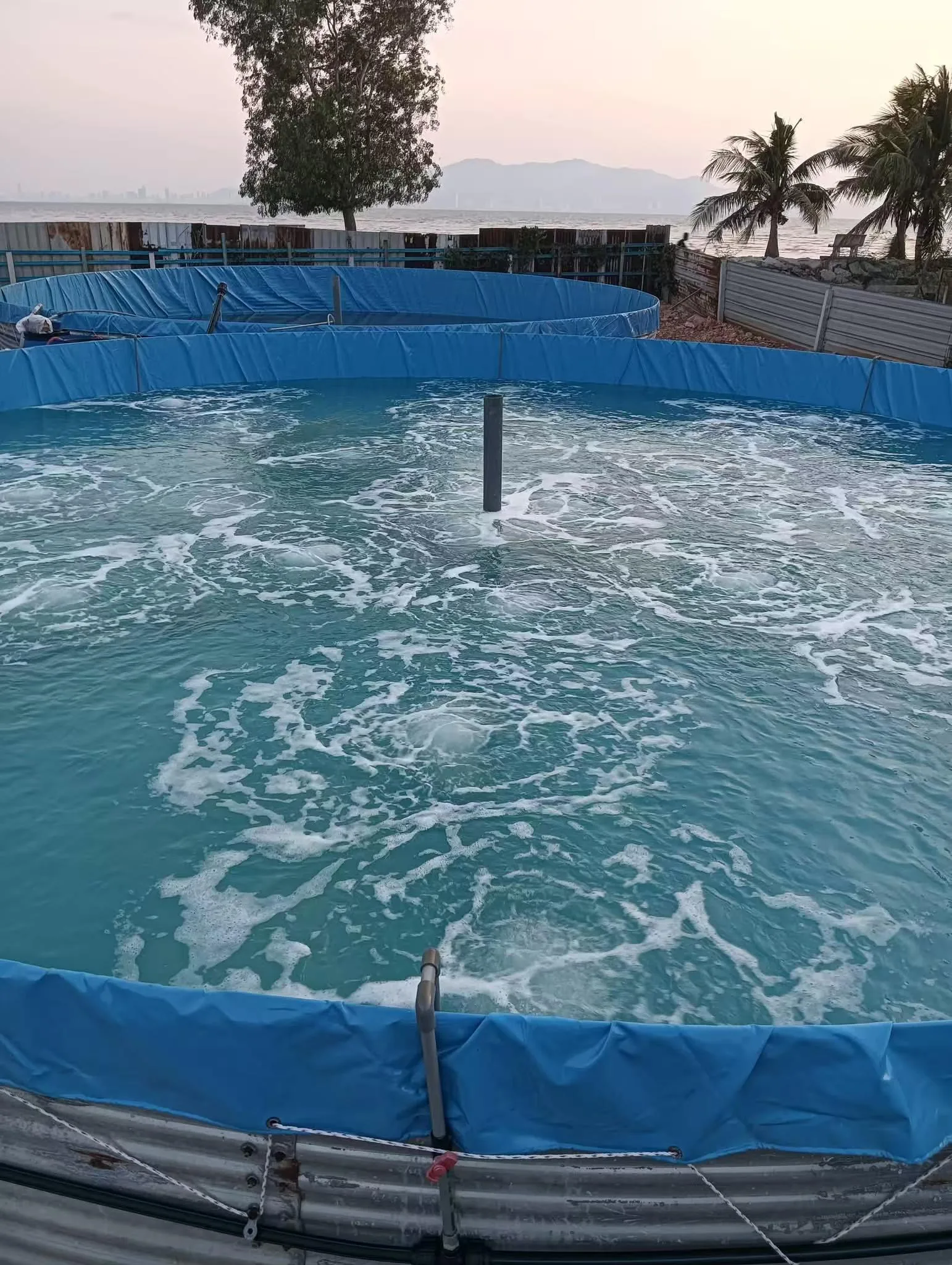
Healthy stock is built by prevention — disinfection, quarantine, probiotics and good management — and only rarely saved by treatment. Water quality drives most outbreaks: aeration that keeps dissolved oxygen stable and sediment that stays oxidised are the cheapest disease insurance a farm can buy. For related reading see summer pond management and disease prevention and water space factors and fish disease.
Frequently asked questions
Q: How are fish bathed at different water temperatures? A: Above 15 °C, bath them in 15–20 mg/L potassium permanganate for 15–20 minutes. Below 15 °C use a milder disinfectant such as povidone-iodine. The method is chosen from microscope examination of the fish and the pathogen present.
Q: How are live feed and tools disinfected? A: Live feed collected from the wild is soaked in 3% salt solution for 3–5 minutes before feeding. Nets, buckets and other tools go into a 600 mg/L bleaching-powder bath after every use, then are rinsed with clean water before the next use.
Q: Which organ matters most in a post-mortem check? A: The midgut. Separate it and check for congestion, ascites, large parasites in the cavity, and any inflammation or ulceration.
Q: What are the three treatment routes? A: Bath (immersion) treatment for short high-concentration exposure, suited to cage culture; whole-pond splashing with the water volume measured accurately; and oral in-feed treatment — mixed fresh with a binder, processed into medicated pellets, or given as hanging bags in large water bodies.
Q: How is a mixed infection prioritised? A: By comparing infection intensity, harm to the fish and the symptoms to determine which pathogen is primary — so treatment targets the real cause instead of everything at once.