Summer is the golden season for aquaculture — and the hardest season to manage. Strong sunlight, high temperatures and frequent storms raise metabolism, increase organic matter in the water and destabilize water quality, so disease breaks out easily and can cost a whole year's production. Healthy high-yield summer farming depends on six disciplines.
1. Water quality control — good water is the foundation
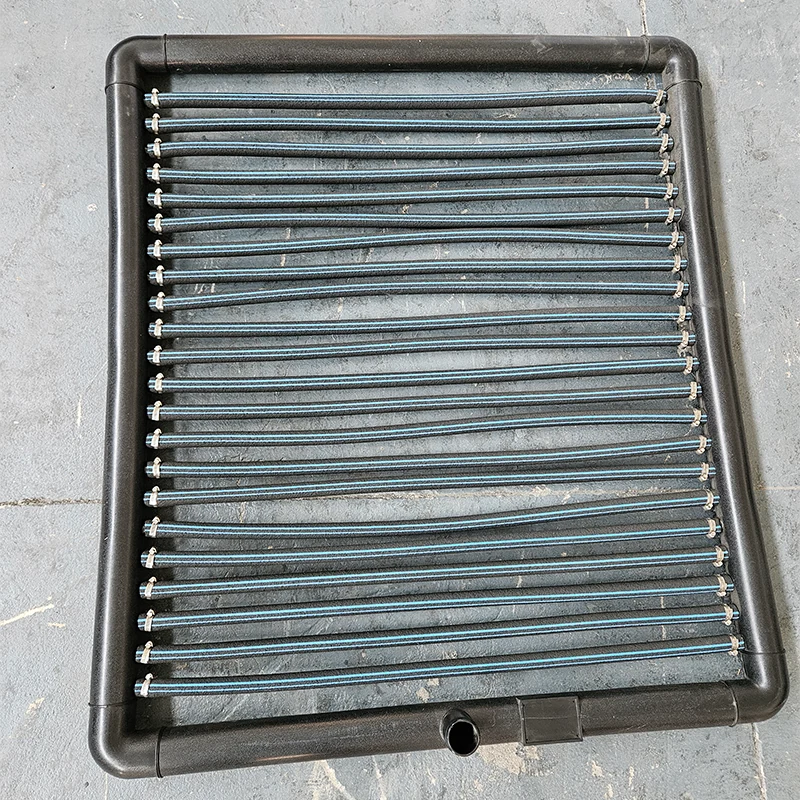
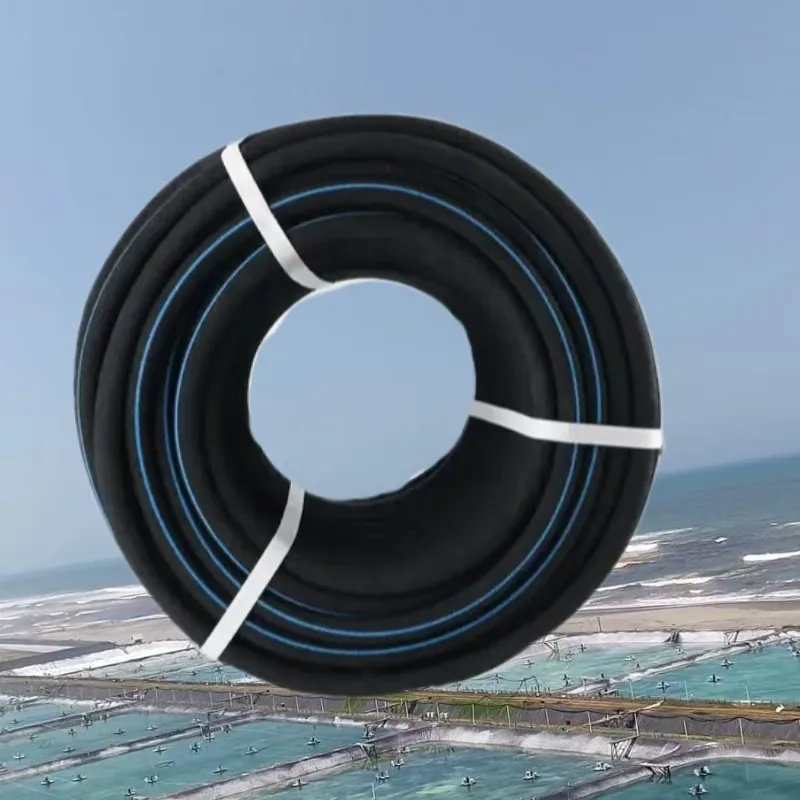
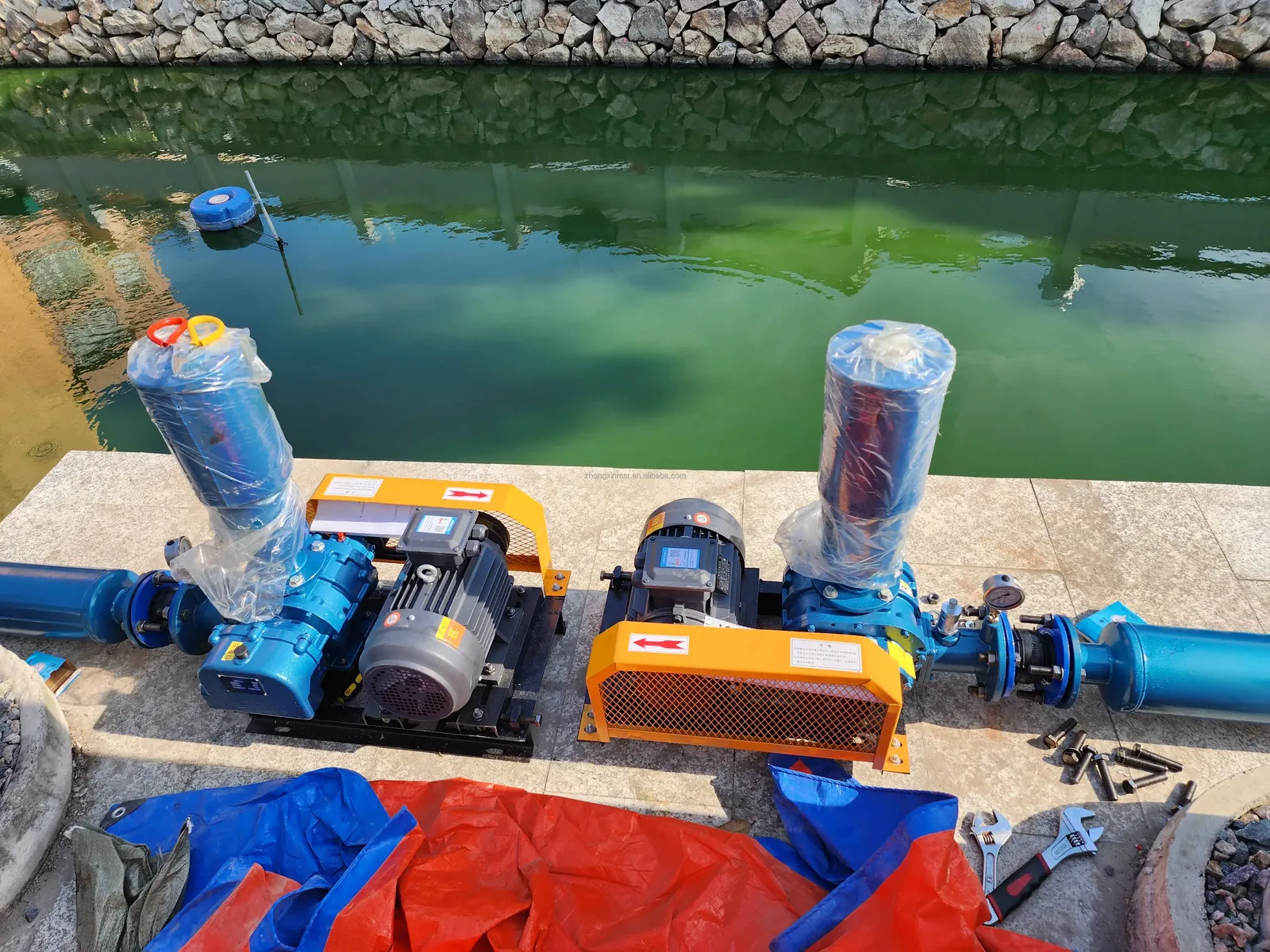
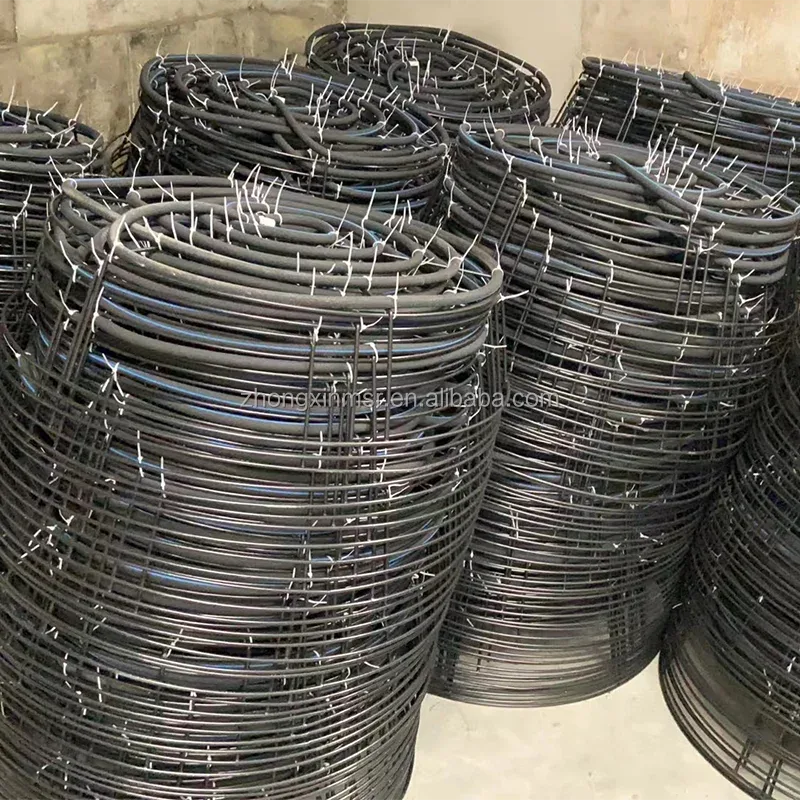
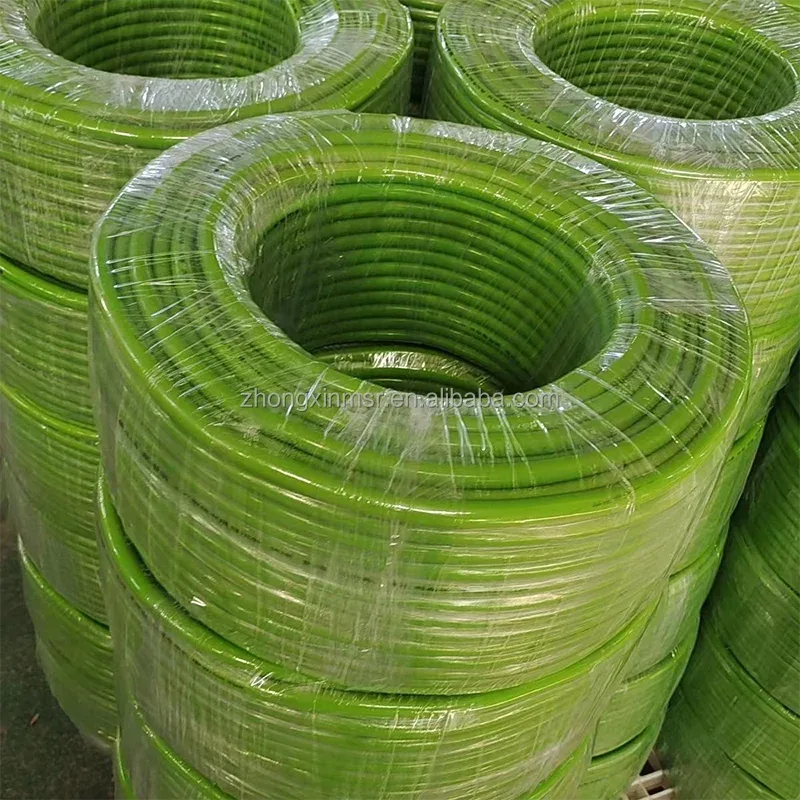
High temperature changes water fast. Heavy feeding means more waste, which consumes oxygen and pushes up nitrite and ammonia. Keep water in balance: add fresh water regularly to replace evaporation and hold water level; and run aerators often to move the column top-to-bottom so no oxygen-dead zone forms at the bottom. Follow the classic "three on, two off" rule: on at sunny midday; on at dawn on overcast days; on at midnight during long rainy spells; off on sunny evenings; off during overcast daytime. Roots blowers feeding aeration discs create fine-bubble aeration that oxygenates efficiently.
2. Disease prevention first
High temperature is both the best growth season and the highest disease-risk season — outbreaks spread fast. In intensive ponds run more aeration to accelerate circulation; treat the whole pond with 1.2 ppm bleaching powder every half month (or bromochlorohydantoin, quaternary ammonium) against bacterial disease; feed medicated diets (e.g., enrofloxacin with liver-protection additives and vitamins C/E) to support immunity; use microbial preparations regularly. When disease appears, call in a technician for an accurate diagnosis before it spreads. The main targets are bacterial hemorrhagic disease and enteritis.
3. Adjust stocking density
Density must match what the pond can self-clean. When waste production exceeds the pond's self-purification, water becomes unstable and disease multiplies. In sustained heat, stratification is severe, the bottom stays oxygen-poor, nitrite and ammonia climb and mortality rises — so reduce density seasonally to protect the pond's self-cleaning capacity.
4. Control harmful algae
Hot weather means fast growth, heavy feeding and nutrient-rich sediment — perfect conditions for harmful algae to outgrow beneficial ones, turning water black, soy-sauce brown, dark red or blue-green. Long overcast spells can also collapse algae blooms and release toxins. Keep the ecological balance and act early against dangerous water colors.
5. Feed scientifically
Feed more when sunny days keep DO high and appetite strong; cut back when weather is stuffy and DO is low. Hold the "80% satiation" principle — overfeeding causes digestive problems and enteric disease. When water is clear, feed generously; when water quality is poor, feed little or nothing; on hot humid days reduce feeding frequency. When mixing medicated feed, use a binder so the medicine does not leach into the water.
6. Watch the weather; guard against escapes and floods
Check forecasts daily and prepare before and after rain. Summer is storm and typhoon season — ponds overflow and stock escapes easily, so strengthen dikes, fences and daily patrols around the pond.
Mastering these six points keeps summer ponds stable, healthy and profitable. For blower and aeration systems sized to your pond, contact us with your area and depth for a free configuration.
Frequently asked questions
Q: What is the three-on, two-off aeration rule? A: On at sunny midday; on at dawn on overcast days; on at midnight during long rainy spells; off on sunny evenings; off during overcast daytime.
Q: Which diseases dominate in summer? A: Bacterial haemorrhagic disease and enteritis. The article's routine is a whole-pond treatment with 1.2 ppm bleaching powder every half month, or bromochlorohydantoin or quaternary ammonium, plus medicated diets and regular microbial preparations.
Q: What feeding principle is recommended? A: Hold the 80% satiation principle: feed more when sunny days keep oxygen high and appetite strong, cut back in stuffy low-oxygen weather, feed little or nothing when water quality is poor, and reduce frequency on hot humid days. Use a binder when mixing medicated feed so the medicine does not leach.
Q: Why reduce stocking density in sustained heat? A: Because stratification becomes severe, the bottom stays oxygen-poor, nitrite and ammonia climb and mortality rises — waste production has to stay within what the pond can self-clean.