Farming Pacific white shrimp (Litopenaeus vannamei) in indoor recirculating systems is a different game from pond culture: the water volume is small, the stocking density is high, and every environmental parameter has to be held inside the species' tolerance band. That band is wider than most farmers assume — and the system design below is built directly on it.
Species biology: the numbers that drive design
Temperature. Vannamei is eurythermal. It survives in water from 6-40 °C, grows between 15-38 °C and performs best at 22-35 °C. The upper lethal limit is about 43.5 °C (gradual change). Cold tolerance is poor: feeding activity drops below 18 °C, and shrimp lie on their side on the bottom below 9 °C.
Salinity. Growth is possible from 0.5 to 35 ppt. Juveniles of 2-7 cm tolerate 2-78 ppt, which is why vannamei can be farmed in seawater, brackish water or freshwater — after proper acclimation.
Water quality. The water must stay clean and fresh.
Dissolved oxygen. Keep DO above 5 mg/L; the absolute minimum the animals tolerate is 1.2 mg/L. Vannamei survive out of water for a long time, which is why they ship well over long distances.
pH. The comfortable range is 7.0-8.5.
Behaviour. Vannamei is a bottom-dwelling species: during the day it rests quietly on the pond or tank floor, and it becomes active after dusk.
Designing the system around the animal
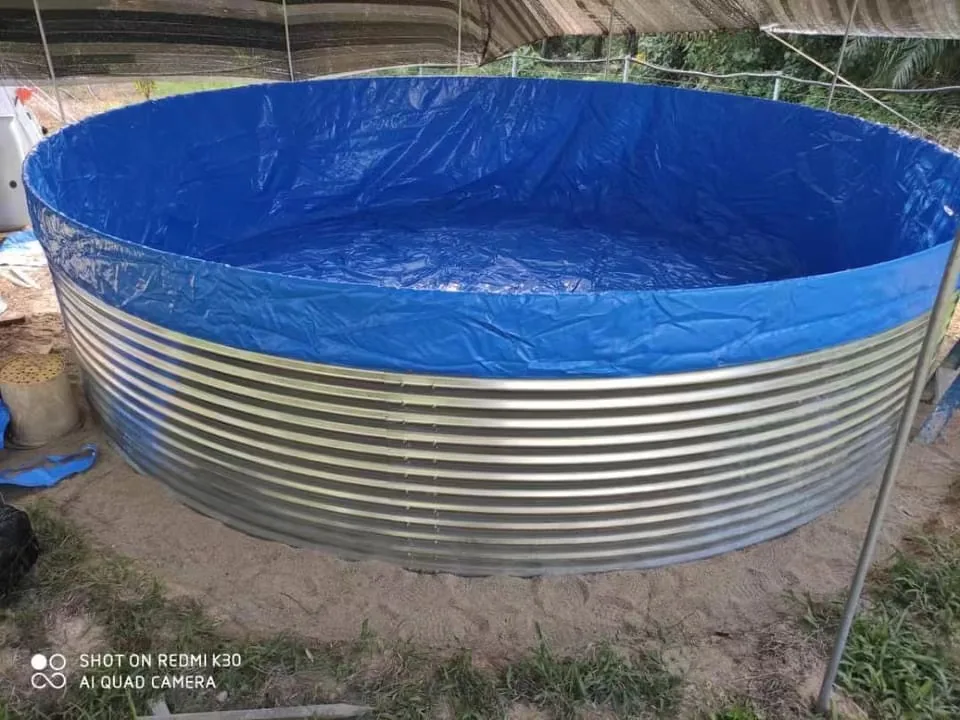
A wide, shallow footprint. Because the shrimp lives on the bottom, maximise the usable floor area per cubic meter. Water depth of only 50-70 cm is enough — deep water buys nothing for a benthic animal and only wastes aeration energy.
Salinity management. Where seawater or brackish water is hard to get, hatchlings must be acclimated (desalinated). A practical schedule: exchange one seventh of the water daily with freshwater — after about ten days at 25 °C, salinity drops from full seawater to roughly 5 ppt and the stock is essentially adapted to freshwater.
Temperature control. Year-round production calls for a greenhouse. In cold northern regions, some farmers produce inside heated homes using stacked double-layer grow-out basins — household electricity and water are cheap, and sales are convenient. Watch the floor-loading limit of the building: do not crack or crush the structure. If you only produce seasonally, outdoor culture is fine.
Light control. Artificial shading lengthens the active feeding time and raises yield.
Disease: prevention first, and it is mostly water quality
In aquaculture, disease is prevented, not cured — and for shrimp this is absolute, because outbreaks kill too fast for treatment. Apart from pathogens introduced with larvae, most shrimp disease starts with deteriorating water quality. That is why frequent siphoning of solid waste matters so much: beyond adding oxygen, its main job is keeping the water clean, with ammonia and nitrite near zero and the water clear and bright.
The industry saying applies here: "three parts technique, seven parts management." The siphon system is the most critical equipment in the farm — if it fails, vannamei can die out within half a day. Checklist: confirm pumps run normally, verify backup power is stable, clean pump piping thoroughly every two months, and service each pump weekly.
What the density math looks like
In an earthen pond, yield is often under 1 kg per square meter. A well-run recirculating system can exceed 15 kg per square meter — an order of magnitude more, which is what pays for the tanks, pumps and aeration hardware.
Handling moults: vortex bottom drains and staged biofiltration
Recirculating vannamei farms face a specific problem: moult shells. A vortex (hydrocyclone) bottom drain removes them efficiently. Run one nitrification module while shrimp are small; add the second as they grow, and open the third at the adult stage. Staging keeps water quality stable without a vortex strong enough to trap small shrimp. If shells still will not drain even with good water, add a tee with a second drain port on the waste line, normally closed, opened periodically to increase the purge flow. A 50 mm PVC waste line is sufficient.
Oxygenation
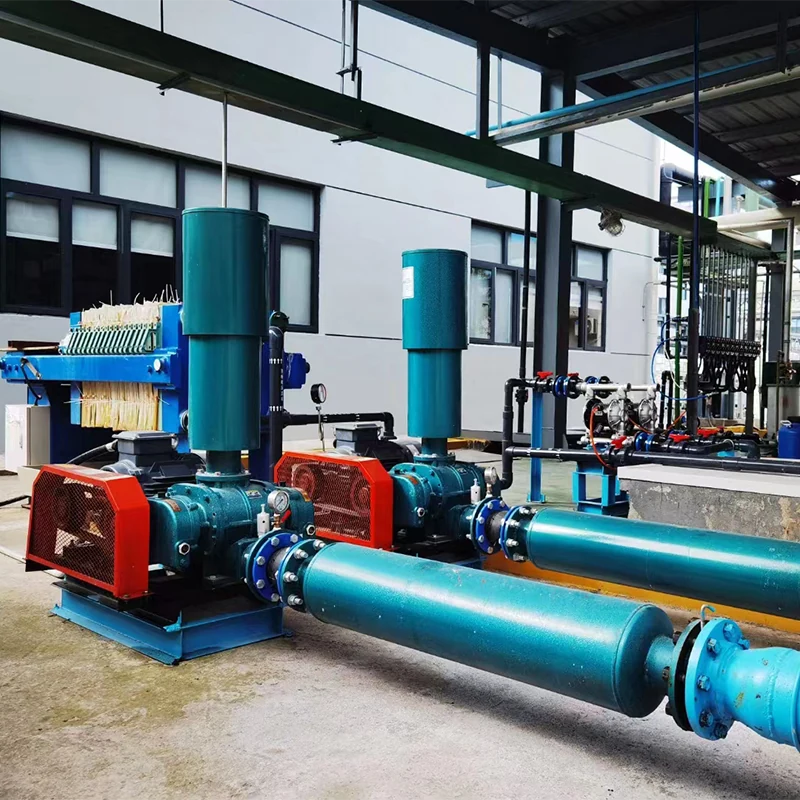
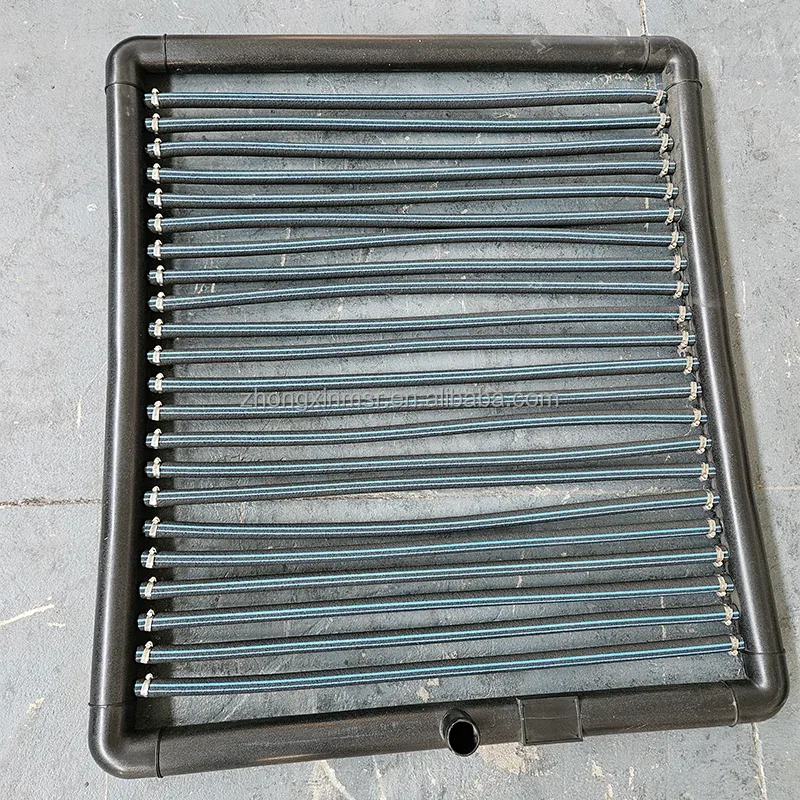
Two simple options work: mechanical air blasting, or pump-driven cascade (drop) aeration. If you use a pump for cascade aeration, fit a guard or screen over the intake to cushion the flow and stop shrimp being sucked against the pump.
Designing around vannamei biology — shallow wide tanks, staged biofiltration, disciplined waste removal and reliable oxygenation — is what separates a recirculating farm that hits 15 kg/m² from one that loses a crop in a day. For the greenhouse (non-recirculating) high-density alternative, see our guide to vannamei factory greenhouse farming; for aeration hardware sizing in intensive systems, contact us with your tank area, depth and target density.
Frequently asked questions
Q: What temperature range does vannamei perform best in? A: It survives in water from 6–40 °C, grows between 15–38 °C and performs best at 22–35 °C. The upper lethal limit is about 43.5 °C with gradual change, and feeding activity drops below 18 °C.
Q: How deep should a recirculating shrimp tank be? A: Only 50–70 cm. Because vannamei is a bottom-dwelling animal, deep water buys nothing and only wastes aeration energy — maximise the usable floor area per cubic metre instead.
Q: How is salinity brought down for freshwater farming? A: Exchange one seventh of the water daily with freshwater. After about ten days at 25 °C, salinity drops from full seawater to roughly 5 ppt and the stock is essentially adapted.
Q: What do the density numbers look like? A: An earthen pond often yields under 1 kg per square metre, while a well-run recirculating system can exceed 15 kg per square metre — an order of magnitude more, which is what pays for the tanks, pumps and aeration hardware.
Q: How are moult shells and biofiltration handled? A: A vortex (hydrocyclone) bottom drain removes shells efficiently, and nitrification is staged: one module while shrimp are small, the second as they grow, the third at adult stage. If shells still will not drain, add a tee with a second drain port opened periodically to increase purge flow; a 50 mm PVC waste line is sufficient.