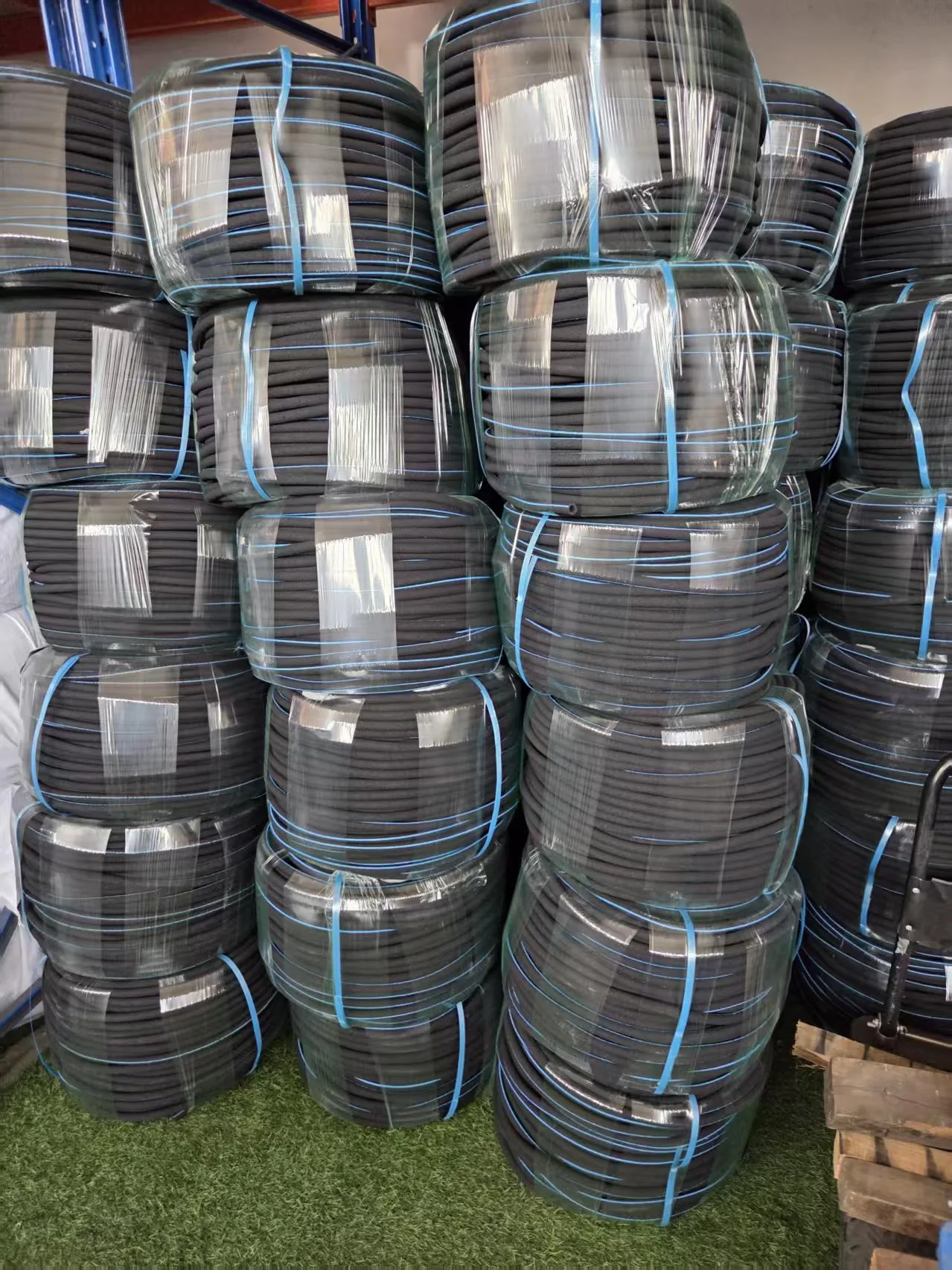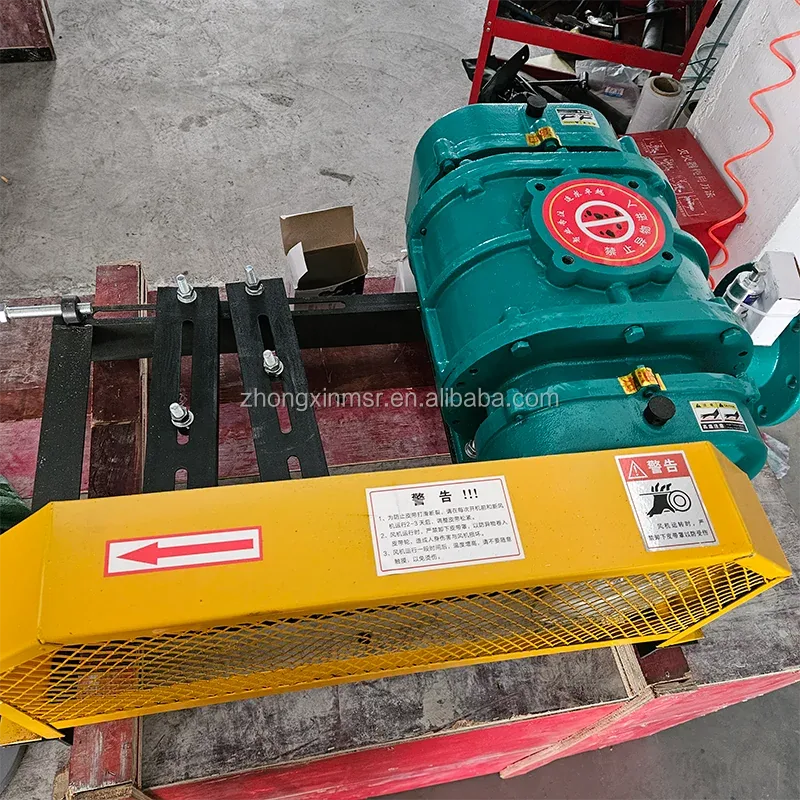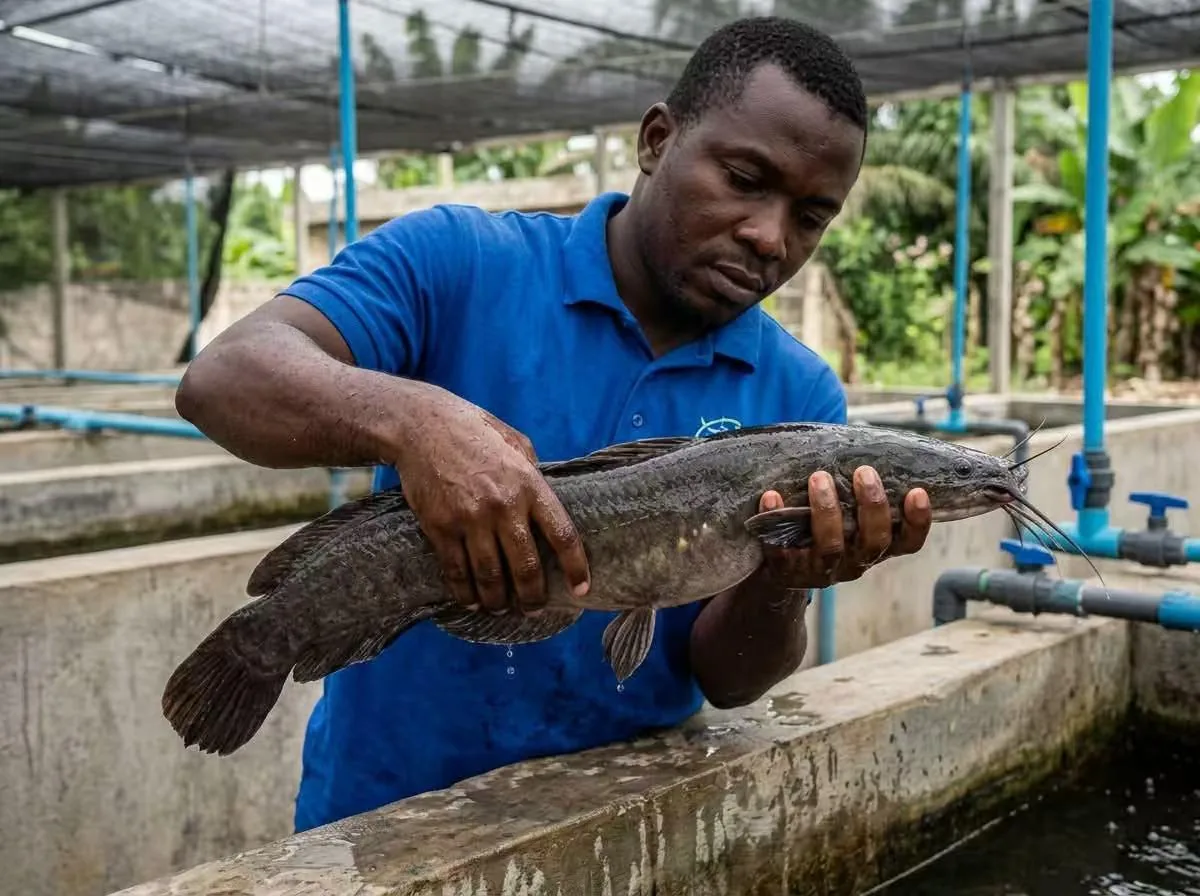
Indoor factory fish farming started simple: a water-lift pump, an air blower, a settling tank, a gravity no-valve filter, a tempering tank, the rearing hall and open flow pipes. There was no serious water treatment at the front end and no effluent treatment at the back — discharge went straight to the sea. That is the first-generation stage of factory aquaculture. Because stocking density was high and water was untreated, disease broke out constantly. The industry clearly needed seawater RAS: standardised designs, scientific management, disease prevention instead of medication, and an end to drug-residue problems in farmed seafood.
Three failure patterns in early RAS
Comparing companies and systems across the industry, almost every early failure fell into one of three patterns:
1. Assembled ("patchwork") systems. Foreign systems and components were copied and bolted together without understanding the design logic. The result never achieved the performance of the original system.
2. Contradictory process design. Because the fundamentals of recirculating filtration were never systematically studied, the water-treatment steps worked against each other and could not run stably long term — production stalled.
3. Under-spec equipment. To cut cost, equipment was under-designed and built with inferior materials. It could not survive the corrosive environment, failed constantly, and losses ended the business.
With failures mounting, farms struggled to survive and farmers lost faith in RAS altogether. The sector stalled.
What works: the ecological tank model with five mandatory systems
A working solution uses advanced recirculating water-treatment technology and a purpose-designed high-efficiency system. The ecological tank (confinement) model combines five mandatory subsystems: tank confinement, aeration, waste removal, water recirculation and effluent treatment. The heart of the model is centralised waste removal: fish metabolic waste and uneaten feed are collected promptly, water quality stays high, the loop runs in a benign cycle, and effluent can be treated and returned to the tanks — zero discharge. That stable environment solves the traditional problems of deteriorating water, frequent disease, poor efficiency and product safety, and gives fish and shrimp a stable home.
The measurable advantages of the model
1. 95% water saving — system water exchange below 5%.
2. Zero discharge — effluent is treated centrally and reused.
3. Ecological farming — proper biofiltration, no antibiotics or hormones.
4. 25% energy saving — gravity/level-difference-driven flow design cuts power use by about 25% versus conventional factory farms.
5. 90% land saving — 450 m² produces 40-50 tonnes of fish; conventional farming needs more than ten times the land for the same output.
6. Vertical layout — a double-deck structure saves land and building cost.
7. High, stable yield — 40-50 tonnes of fish from 450 m².
8. Climate-independent — temperature-controlled halls run year-round, unaffected by season or weather.
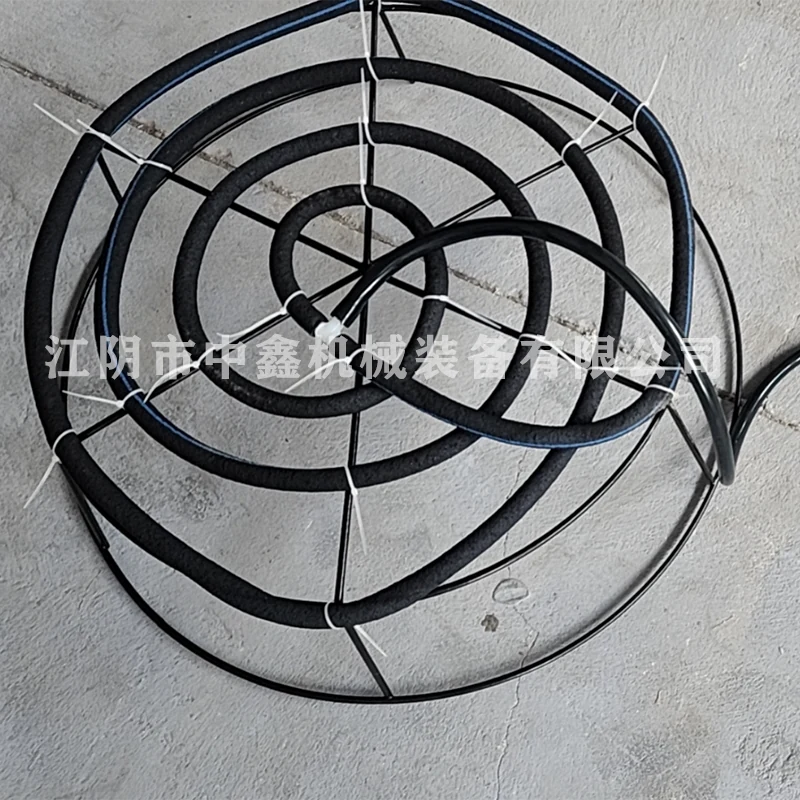
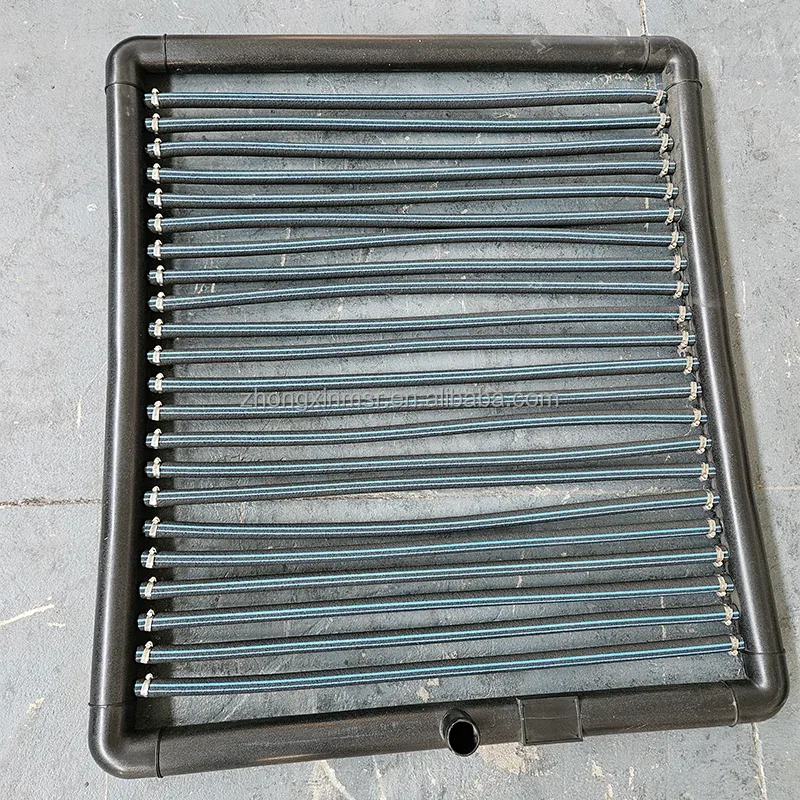
RAS fails when it is assembled instead of engineered, and works when waste removal, aeration and biofiltration are designed as one system. Aeration is one of the five core subsystems: sizing the blower, diffusers and oxygen delivery to the biofilter load is what keeps the loop stable. For blower and aeration design for your RAS tanks, contact us with your water volume, species and target density — or compare intensive culture options in our cement-pond shrimp farming guide and the vannamei recirculating system guide.
Frequently asked questions
Q: Why did first-generation factory farming fail? A: The setup was a water-lift pump, an air blower, a settling tank, a gravity no-valve filter, a tempering tank and open flow pipes — with no serious water treatment at the front and no effluent treatment at the back, so discharge went straight to the sea. High density plus untreated water meant disease broke out constantly.
Q: What were the three failure patterns in early RAS? A: Assembled patchwork systems, copied and bolted together without understanding the design logic; contradictory process design, where water-treatment steps worked against each other and could not run stably; and under-spec equipment with inferior materials that could not survive the corrosive environment.
Q: What are the five mandatory subsystems of the ecological tank model? A: Tank confinement, aeration, waste removal, water recirculation and effluent treatment — with centralised waste removal at the heart, so metabolic waste and uneaten feed are collected promptly and the loop runs in a benign cycle.
Q: What does the model deliver in measurable terms? A: 95% water saving with system water exchange below 5%, zero discharge, about 25% energy saving from gravity-driven flow, and 90% land saving — 450 m² producing 40–50 tonnes of fish.
Q: Where does aeration sit in that system? A: It is one of the five core subsystems. Sizing the blower, the diffusers and the oxygen delivery to the biofilter load is what keeps the loop stable.