The Short Answer
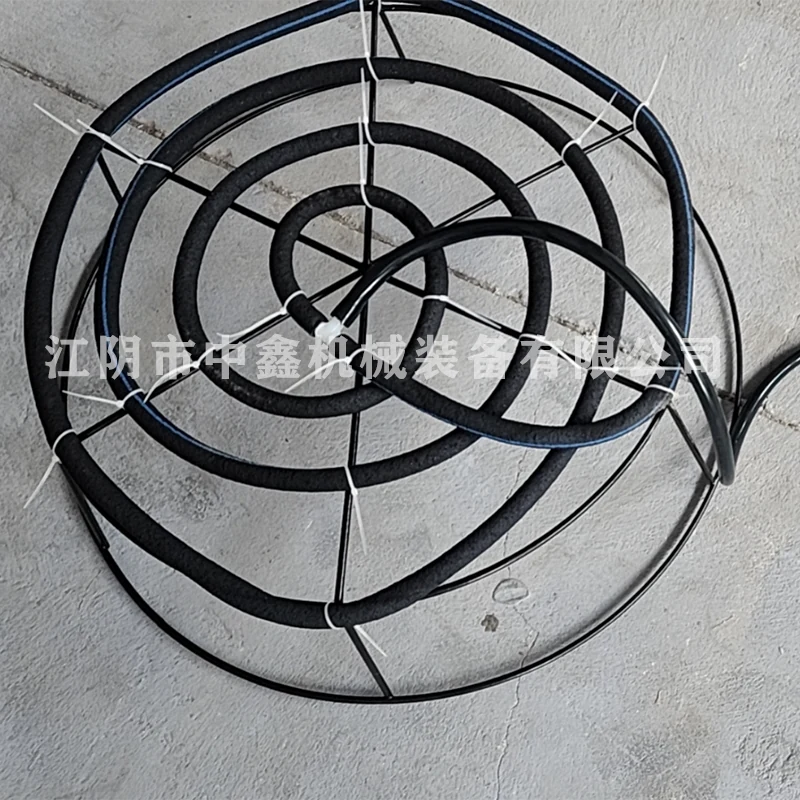
Desert aquaculture (GCC countries, Saudi Arabia, Egypt, Iran) is possible and growing — but it runs on three hard constraints: scarce water, extreme evaporation, and 40°C+ summers. The aeration system must therefore be: energy-efficient (solar-compatible), evaporation-aware, and heat-tolerant. Microporous bottom aeration at ~0.15 kW/mu is the best match — it oxygenates without splashing water into the air (paddle wheels waste water through evaporation in climates where every liter counts), runs perfectly off solar, and pairs with the recirculating systems that desert farms increasingly use.
Why Desert Farming Is Different
| Constraint | Impact on aeration |
|---|---|
| Water scarcity | Aeration must not waste water — surface splashing (paddle wheels) accelerates evaporation |
| Extreme heat (45–50°C air) | Water holds less oxygen; blower rooms need ventilation/shade |
| High evaporation | Ponds lose 5–10 mm/day; water exchange is precious, so water quality must be managed in place |
| Salinity | Many desert farms use brackish/treated water — saltwater-rated tubing required |
| Unreliable or costly grid power | Solar aeration is often the lowest-cost option (see our solar guide) |
The Desert Aeration Strategy
1. Fine bubble as the base (water-wise by design)
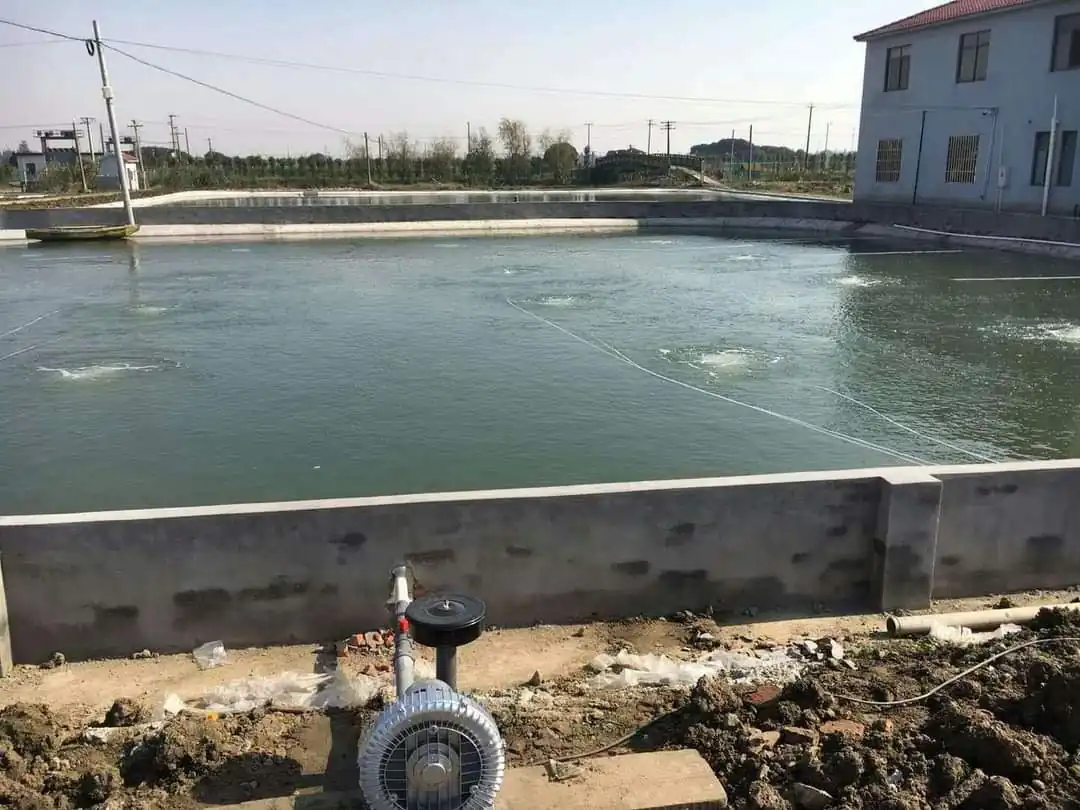
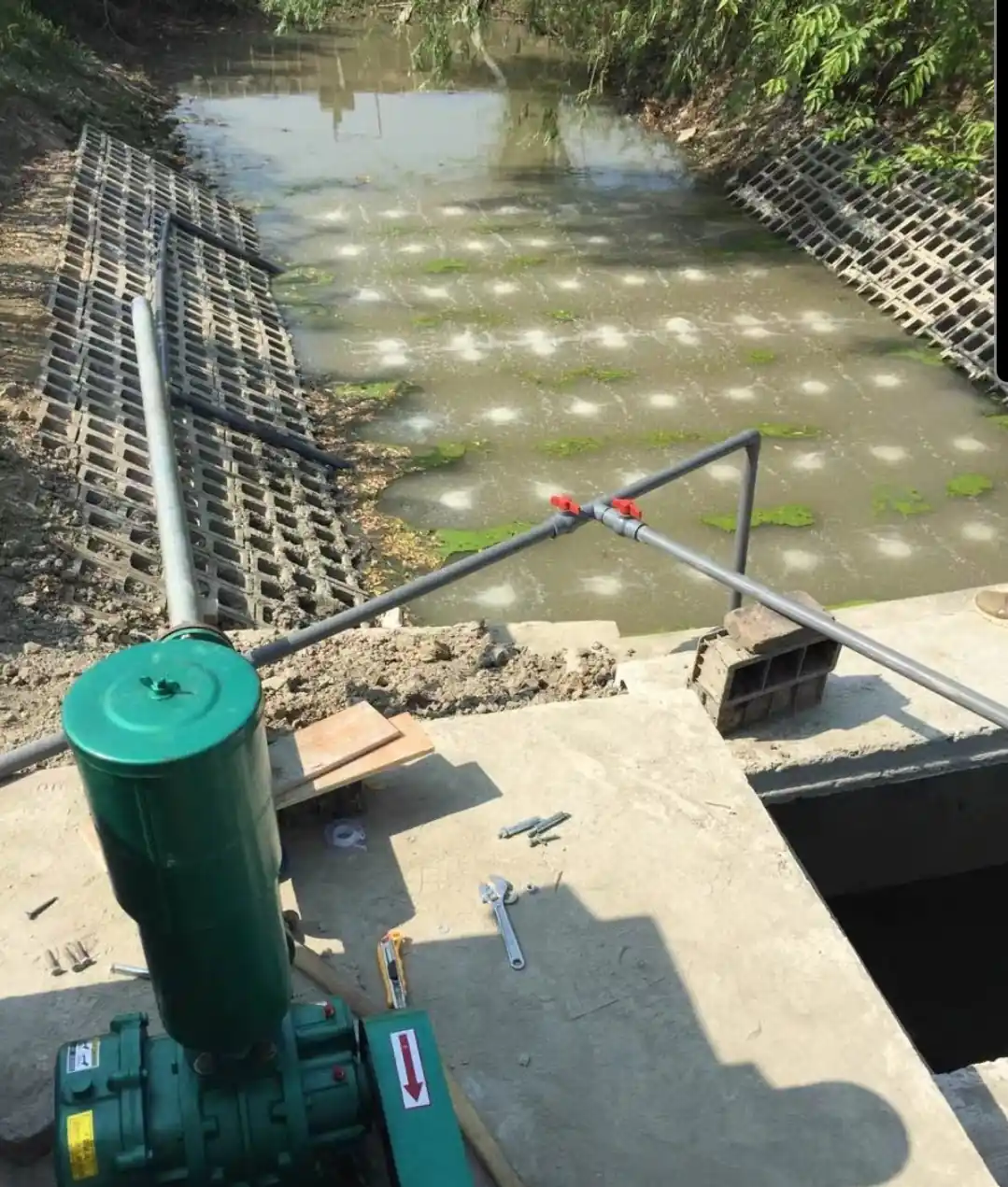
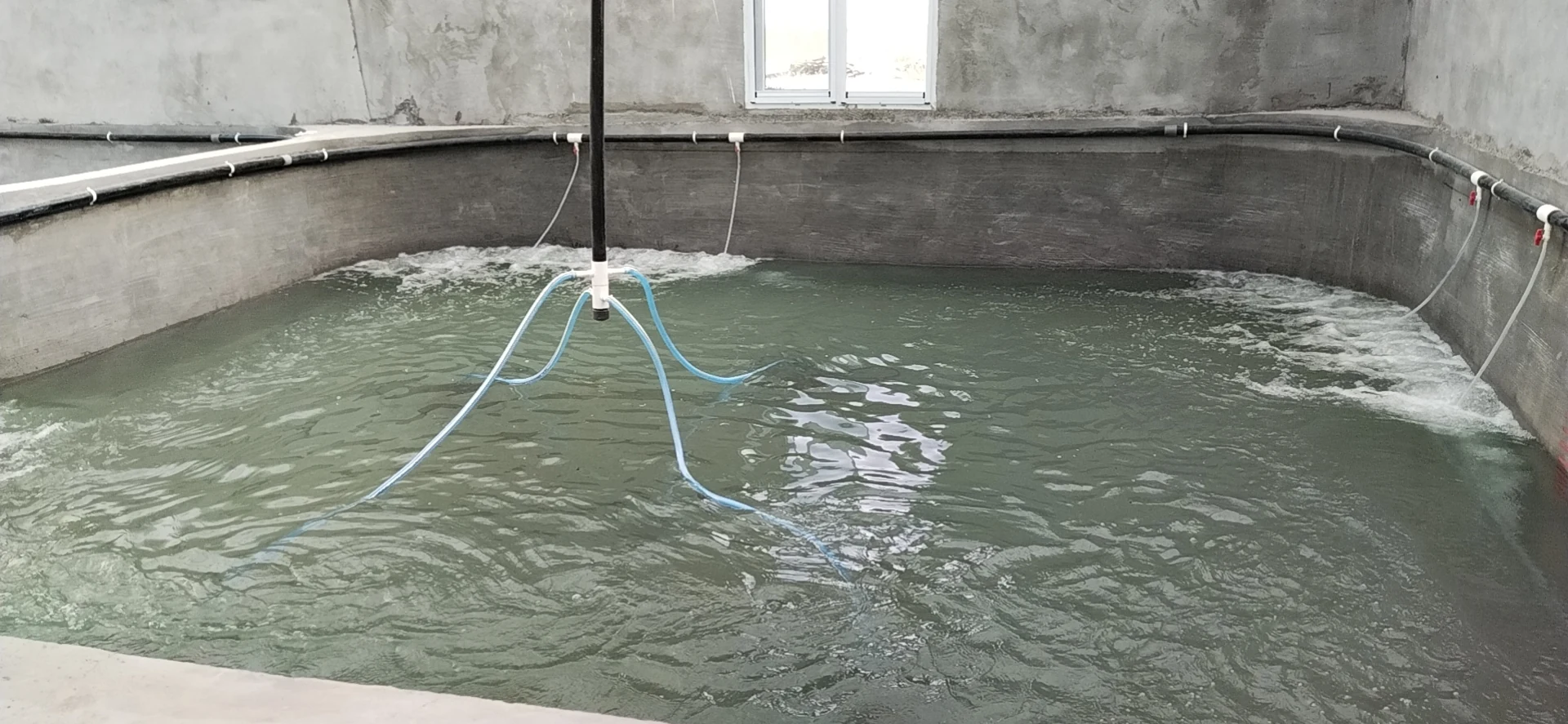
Microporous bottom aeration puts oxygen into the water without spraying water into the air. In the desert, that is not just efficiency — it is water conservation: paddle wheels can measurably increase evaporation loss from a pond surface.
- Energy: ~0.15 kW/mu (about half of paddle wheels)
- Water: zero splash, minimal evaporation contribution
- Solar-ready: low power draw matches solar panel output
2. Solar power — made for the desert
Desert farms have the best solar resource on earth (5–7 kWh/m²/day). A solar + battery aeration system:
- Runs the blower through the day on sunlight and through the night on battery
- Eliminates grid dependency in remote desert sites
- Pays back fastest where electricity is expensive or unreliable
- Sizing: see our solar pond aeration guide for the full math
3. Match the system to the production model
| Production model | Typical in the region | Aeration approach |
|---|---|---|
| Earthen/liner ponds (tilapia, carp) | Egypt, Iran | Fine bubble + blower, 15–20 h/day |
| RAS / indoor tanks | GCC, Saudi Arabia (high-value species) | Continuous blower + diffusers, DO 5–8 mg/L, VFD control |
| Biofloc shrimp tanks | Saudi Arabia, UAE | High-rate aeration, 24/7, robust blowers |
4. Heat management for the equipment itself
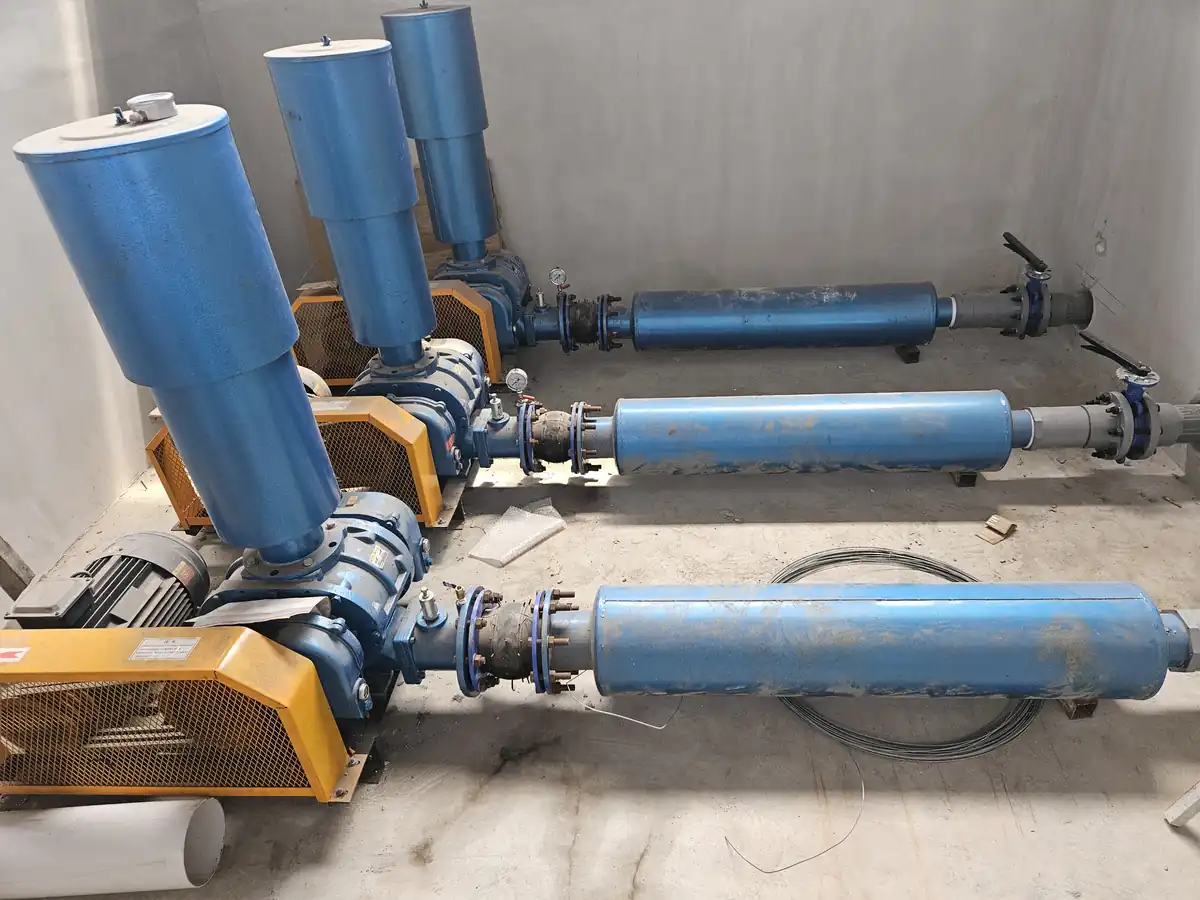
- Blowers in a shaded, ventilated shelter — a 50°C room cuts blower efficiency and life.
- Check intake filters more often — desert dust is abrasive and clogs filters fast.
- Consider VFD control so the blower matches output to demand, reducing heat and energy.
Sizing Reference for Desert Ponds
| Pond/tank type | Tubing | Blower |
|---|---|---|
| 1–3 mu pond | 30–50 m | ZXMSR small (0.5–1.5 kW) |
| 3–5 mu pond | 50–80 m | ZXMSR medium (1.5–2.2 kW) |
| RAS tank (50 m³) | 2–4 diffusers | ZXMSR-65 / ZXMSR-80 |
| Biofloc shrimp (100 m³) | 4–8 diffusers | ZXMSR-80 / ZXMSR-100 |
Solar sizing: ~1 kW of solar per kW of blower + battery for night coverage; get a site-specific calculation from us with your insolation data.
Frequently Asked Questions
Q: Does aeration waste water in the desert? A: Fine-bubble bottom aeration adds negligible evaporation. Paddle wheels spray water into dry air — measurable loss in 40°C, low-humidity conditions. Choose fine bubble as the base.
Q: Can solar really run aeration at night? A: Yes, with a battery bank sized for the night window (see our solar aeration guide). In the desert, daytime surplus can be large, which helps fill the battery.
Q: Is desert water too salty for microporous tubing? A: Use saltwater-rated tubing for brackish water; standard tubing for freshwater systems. Rinse tubing after harvest either way.
Q: Do I need RAS for desert farming? A: Not necessarily — lined ponds with fine-bubble aeration and careful water management work for tilapia in Egypt and Iran. RAS is chosen for high-value species and maximum water reuse in the GCC.
Q: How hot is too hot for a blower? A: Blowers are rated for ambient temperature; above ~40°C, derate output and ensure ventilation. In extreme sites, mount the blower in an air-conditioned or shaded, ventilated room.
The Bottom Line
Desert aquaculture succeeds when every input is treated as precious — especially water and power. Microporous bottom aeration + solar power delivers oxygen at the lowest water and energy cost, works with ponds, RAS and biofloc, and is built for the region's climate. For desert farms, it is not the "eco" choice — it is the economical choice.
Zhongxin Machinery supplies desert-ready packages: saltwater-rated microporous tubing, heat-tolerant ZXMSR roots blowers (with VFD), solar-ready configurations, and layout drawings for ponds or RAS. Send us your production model, water type and grid situation — we will configure the system and the solar sizing.