Micro-nano bubble (fine and ultra-fine bubble) technology is moving from other industries into aquaculture, with potential applications that include rapid water re-oxygenation, water restoration and purification, higher flotation efficiency, drag reduction for fishing vessels and pipelines, disease treatment and prevention, more efficient fermentation of feed, faster growth, and colour removal in surimi processing. These predicted uses are based on the physical properties of micro-nano bubbles and on research in other fields — practical farm-scale validation is still under way.
1. Flotation and water purification
Studies of micro-nano bubble aeration in aquaculture found that the bubbles carry a negative surface charge and adsorb fine particles more strongly than ordinary bubbles. In equalisation-basin aeration, solid organic matter adsorbed onto the bubbles rises to the surface and can be filtered off, reducing the oxygen demand inside the system.
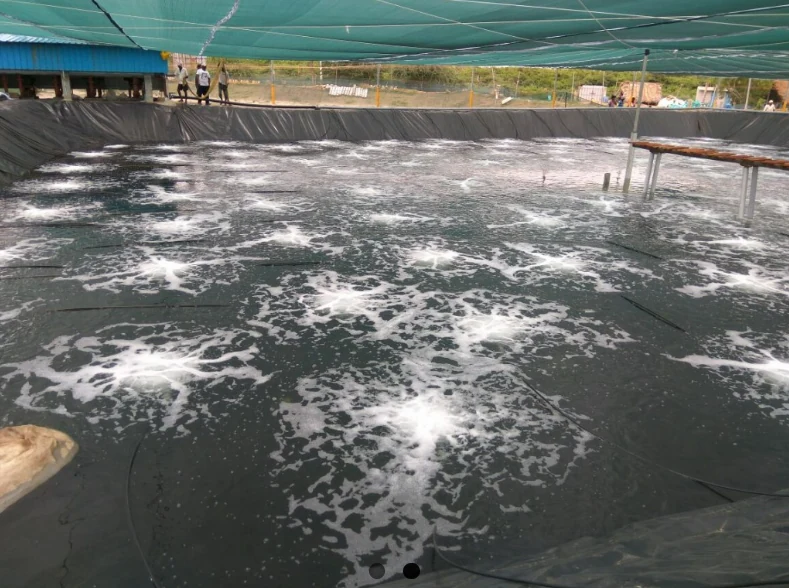
Ultra-fine bubble trials in indoor shrimp farming showed faster breakdown of suspended particles. The generator sits at the tank bottom and its jet travels horizontally, scouring settled particles back into suspension. The charged bubble surfaces adhere to the suspended solids efficiently, and a visible accumulation of particles forms at the surface of the micro-bubble tank. Moving particles from the bottom sediment into the water column increases their contact with oxygen, accelerating biological degradation and purifying the water. In tests using an AH-type ultra-fine bubble generator, BOD, total phosphorus and ammonia nitrogen fell significantly, dissolved oxygen rose sharply and colour improved markedly. These results offer a reference for using micro-nano bubbles to cut oxygen demand and degrade ammonia in aquaculture water treatment.
2. Microbial nitrification
Research on micro-nano bubbles in the nitrogen cycle found that when nitrite concentrations are high, micro-nano bubbles convert nitrite nitrogen effectively. Ozone micro-nano bubbles promote nitrite conversion. Oxygen micro-nano bubbles affect nitrite conversion in a way that depends closely on solution pH: within a certain range, the more acidic the water, the higher the oxidation efficiency; under near-neutral or alkaline conditions, oxygen does little or nothing for nitrite conversion. This provides a reference for using micro-nano bubbles to support microbial nitrification in aquaculture treatment systems.
3. Purification with aquatic plants
In a comparative study of floating plant (Thalia dealbata) beds — micro-nano aeration versus conventional blower aeration versus no aeration — the micro-nano aerated bed removed COD, total nitrogen, ammonia nitrogen and total phosphorus at rates 19.95%, 13.35%, 21.72% and 18.20% higher than the non-aerated bed respectively, while the blower-aerated bed improved removal by 8.23%, 5.64%, 10.61% and 10.53%. One caveat: the oxygen-rich environment created by micro-nano aeration was unfavourable to nitrate-nitrogen removal. The study supports micro-nano aeration in the plant-purification stage of aquaculture water treatment.
4. Ozone disinfection
Because micro-nano bubbles persist in water, ozone water made with them is physically and chemically stable. Micro-nano bubbles not only accelerate ozone mass transfer into the water — raising ozone utilisation — they also strengthen its oxidising power. This points to micro-nano ozone aeration as a route for degrading ammonia and other pollutants in aquaculture.
5. Higher production
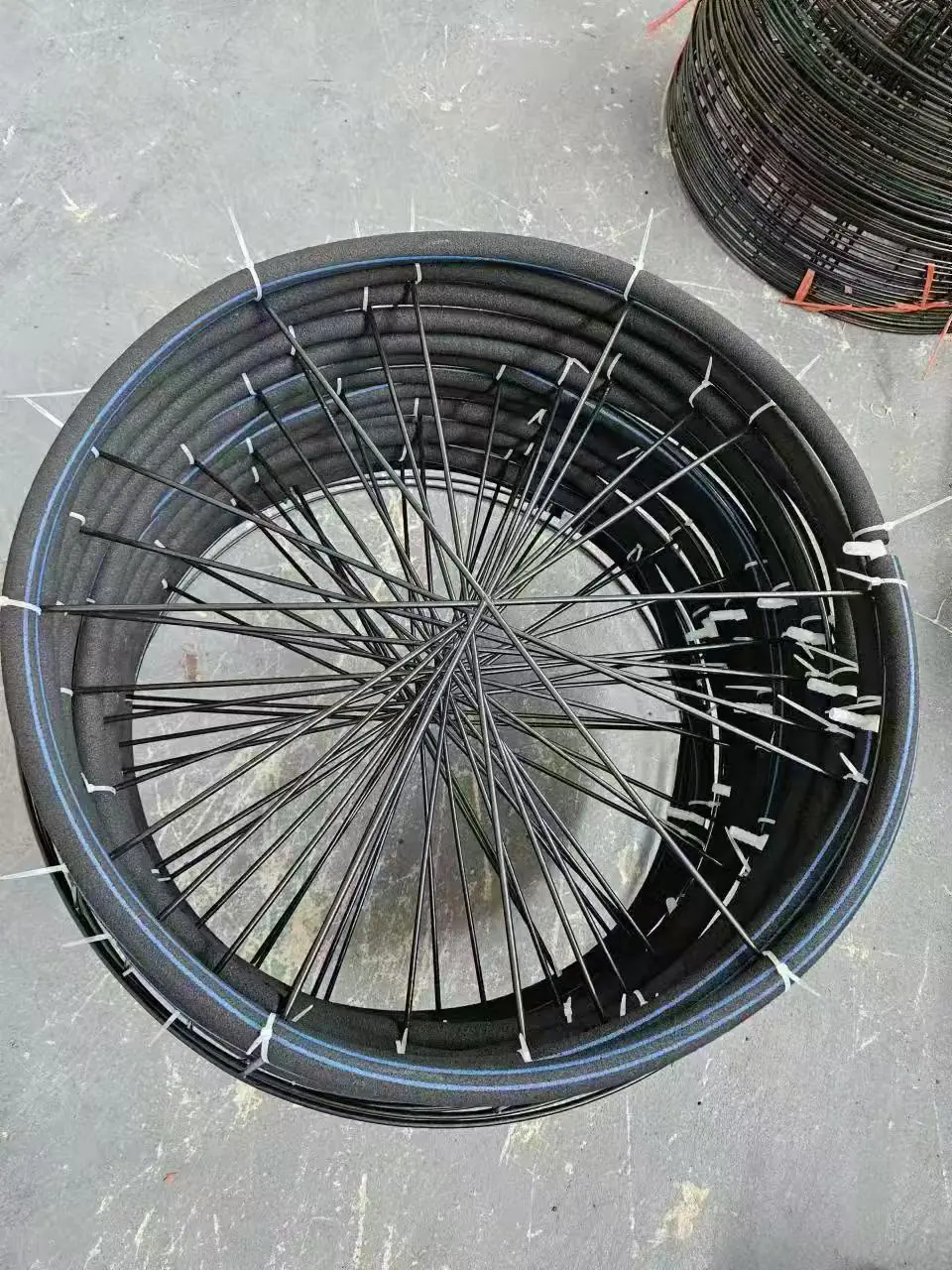
In trials on Pacific white shrimp (Litopenaeus vannamei), microporous aeration outperformed paddlewheel aerators: feed conversion ratio fell 9.5%, average yield rose 17.1%, and average profit increased 50%. The physiological activity of fine bubbles is credited for part of the gain, and the result suggests measurable production upside from upgrading aeration method.
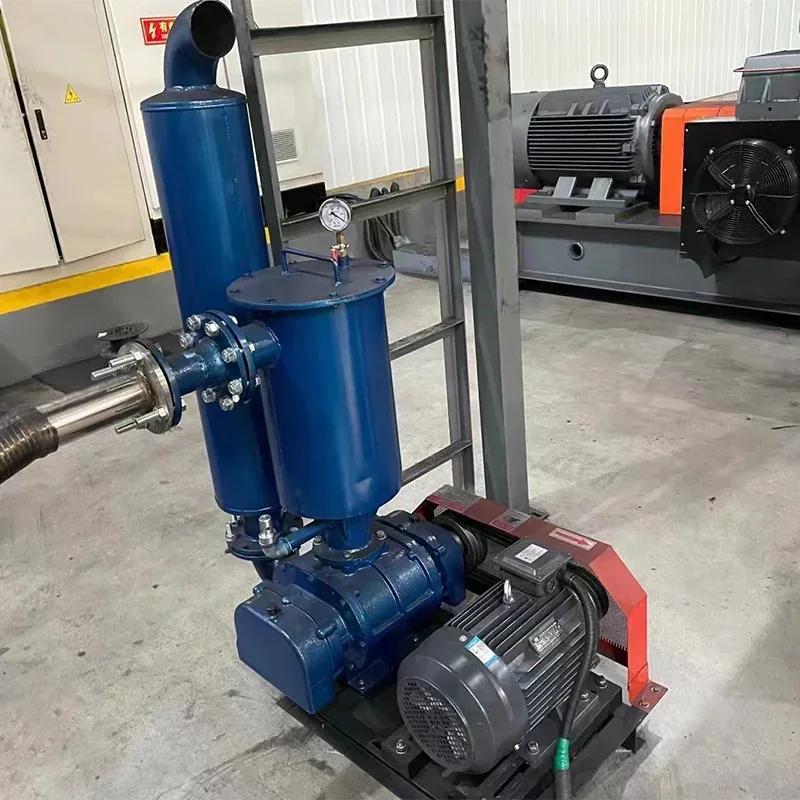
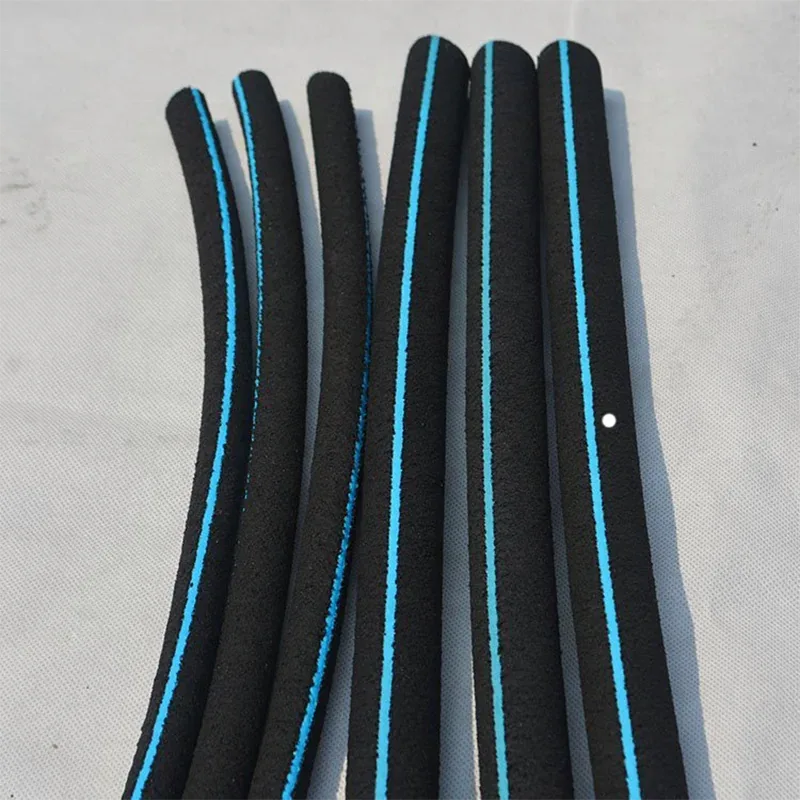
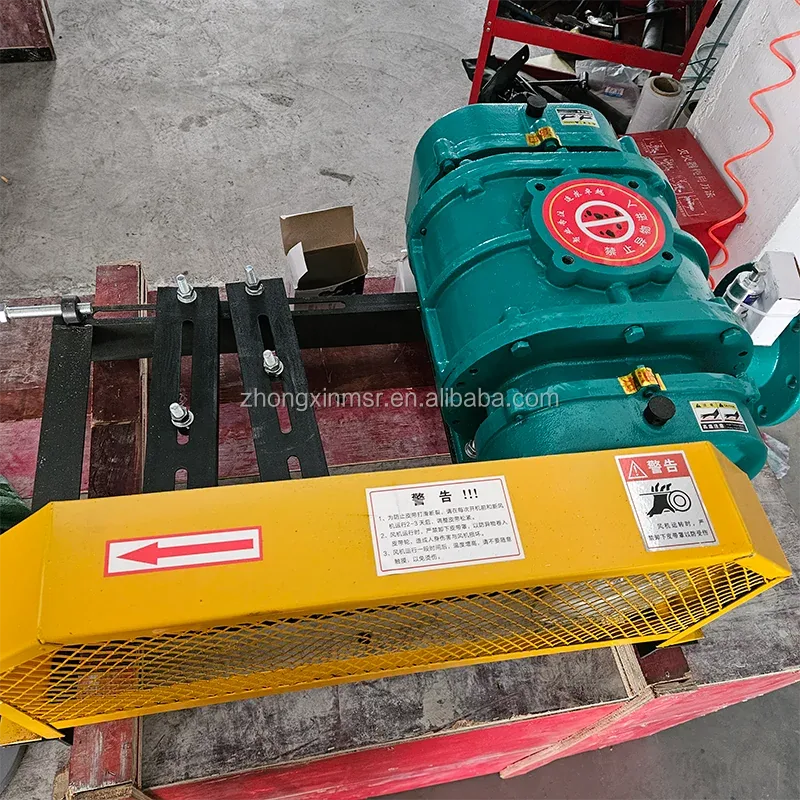
Micro-nano bubble technology is promising but young in aquaculture. Farmers evaluating it should compare it against mature microporous aeration on capital cost, energy use and measurable yield before committing. For aeration systems proven at farm scale — roots blowers, microporous tubing and discs — contact us with your pond area and target species.
Frequently asked questions
Q: Is micro-nano bubble technology proven at farm scale? A: Not yet. The predicted uses are based on the physical properties of micro-nano bubbles and on research in other fields, and practical farm-scale validation is still under way.
Q: How does it help purify water? A: The bubbles carry a negative surface charge and adsorb fine particles more strongly than ordinary bubbles. The generator sits at the tank bottom and jets horizontally, scouring settled particles back into suspension where they meet oxygen and degrade faster.
Q: What did the floating-plant bed comparison show? A: Micro-nano aeration removed COD, total nitrogen, ammonia nitrogen and total phosphorus 19.95%, 13.35%, 21.72% and 18.20% better than no aeration, against 8.23%, 5.64%, 10.61% and 10.53% for blower aeration — though the oxygen-rich environment was unfavourable to nitrate removal.
Q: What did the vannamei trial show? A: Microporous aeration outperformed paddlewheel aerators: feed conversion ratio fell 9.5%, average yield rose 17.1% and average profit increased 50%.
Q: What should a farmer do before committing to it? A: Compare it against mature microporous aeration on capital cost, energy use and measurable yield.