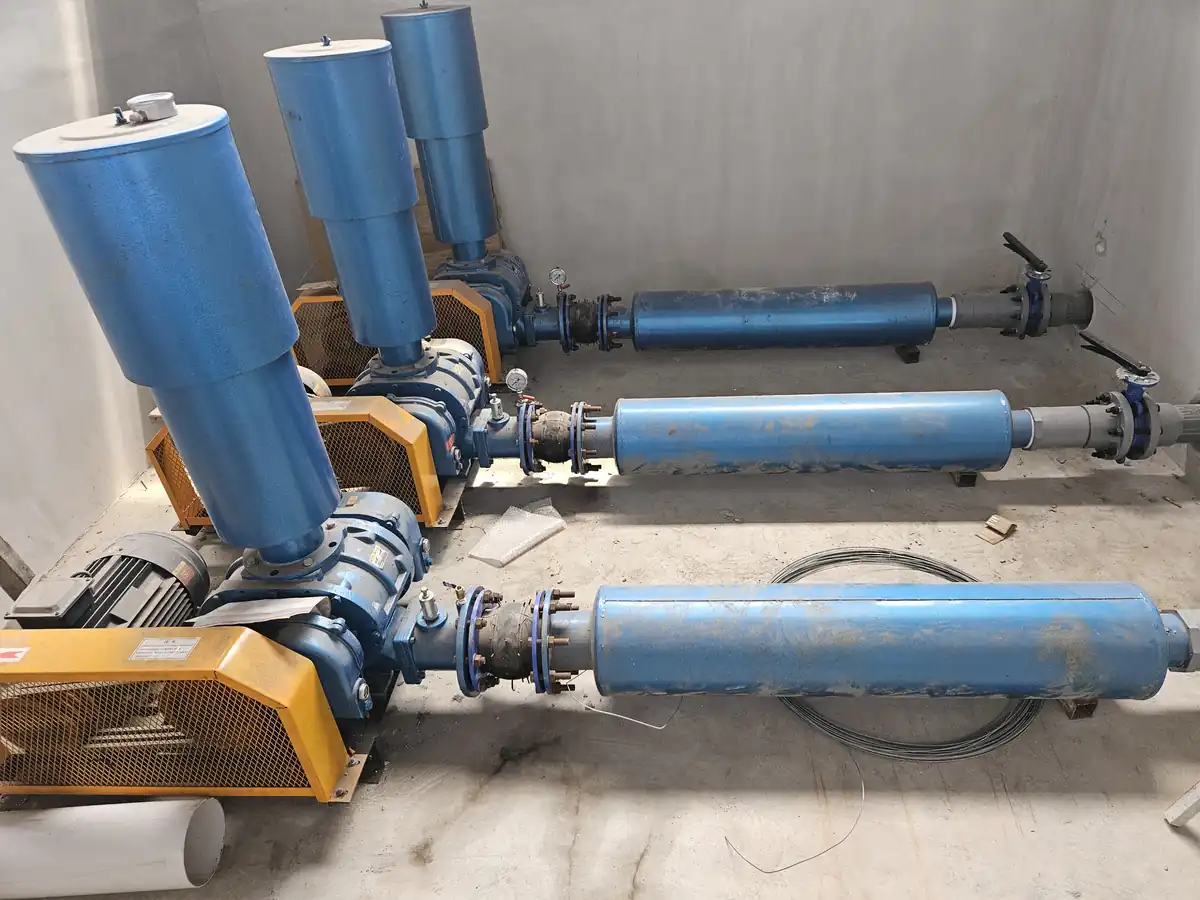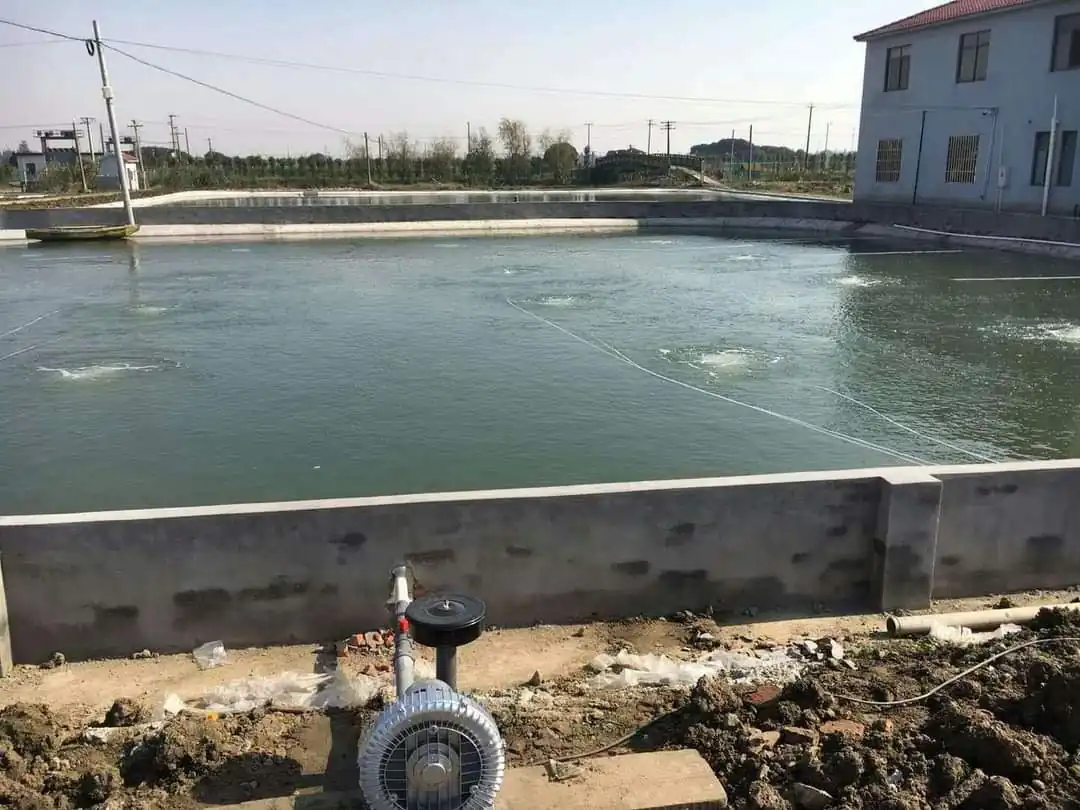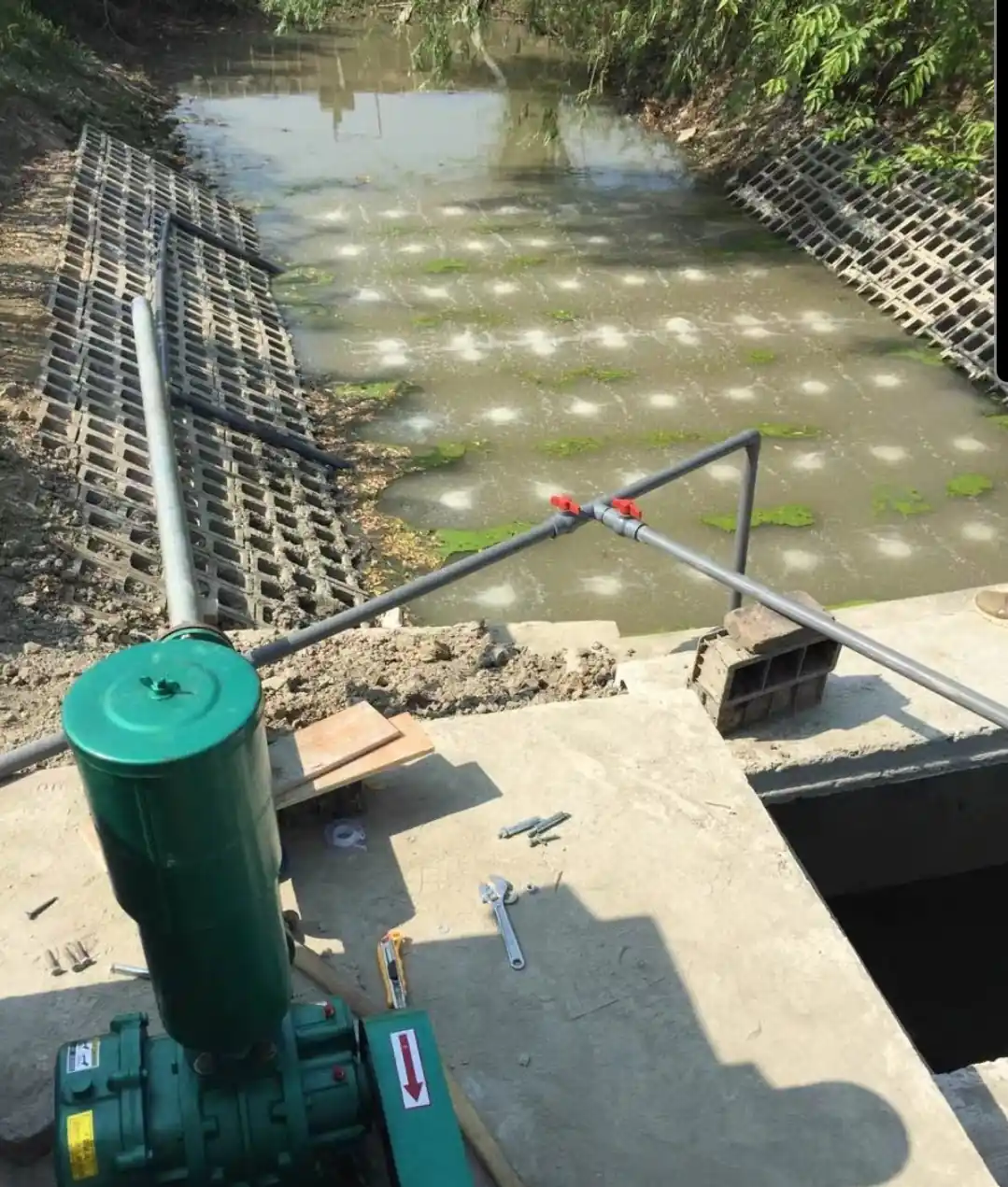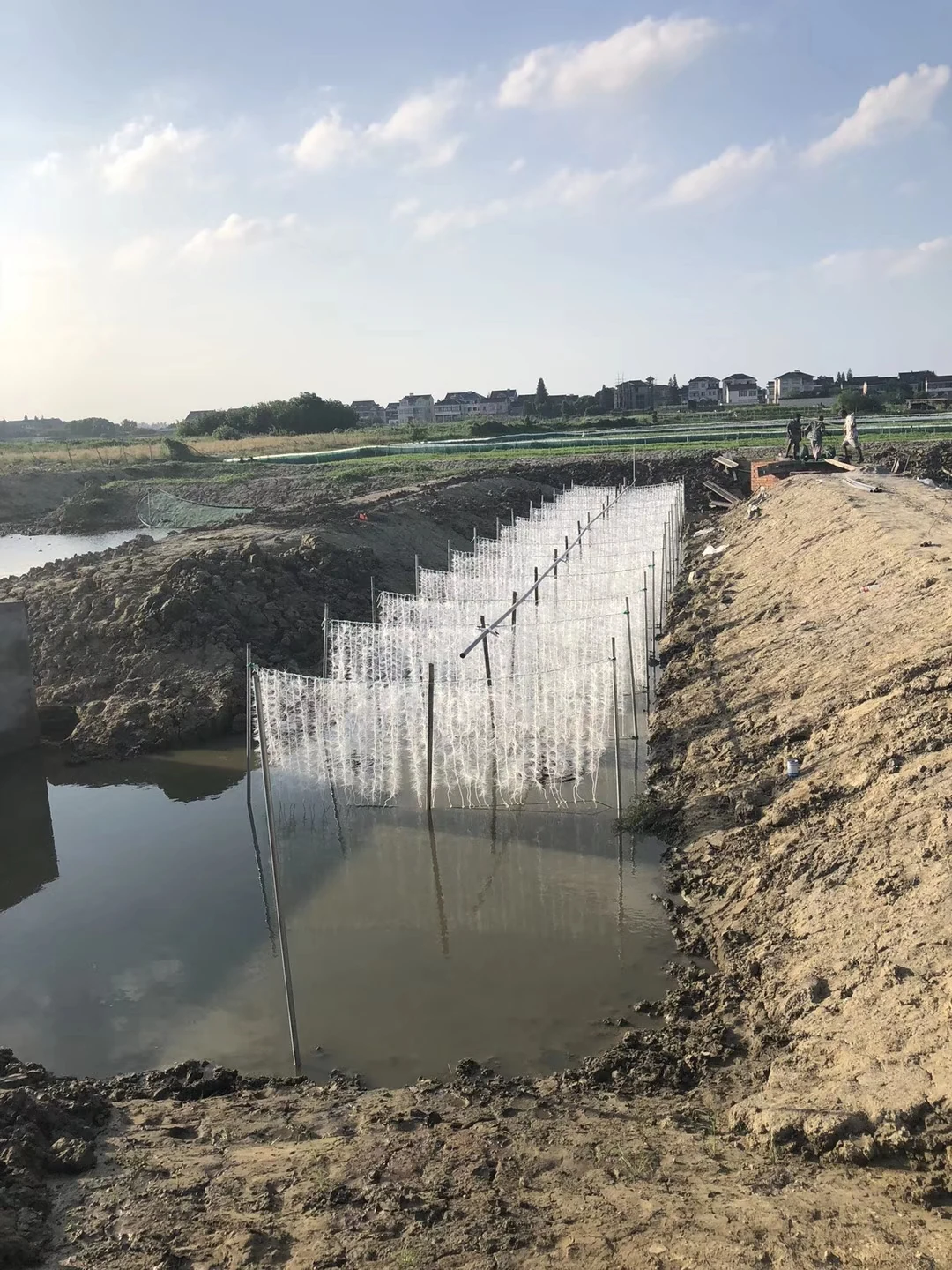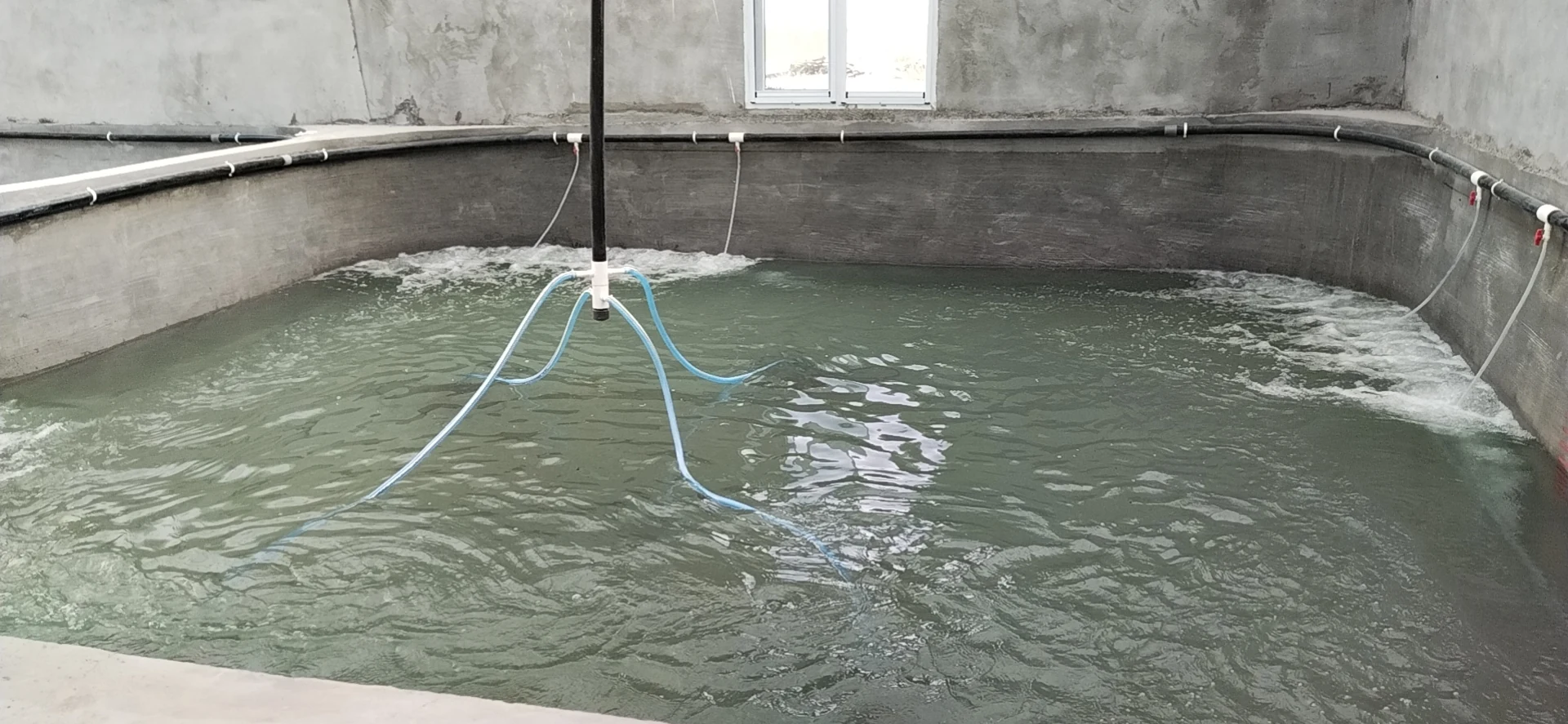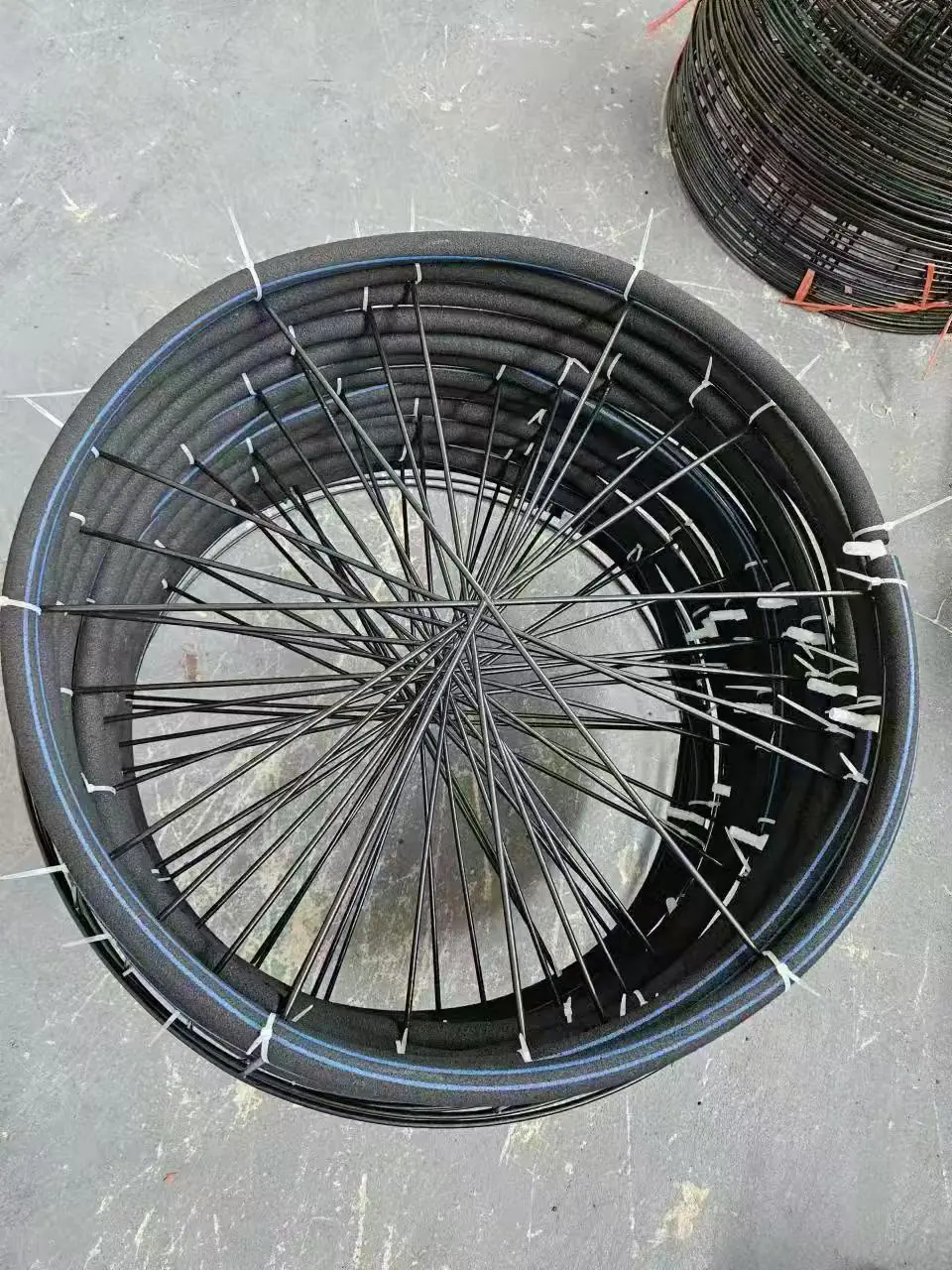
The microporous nano aeration disc is an anti-clog, anti-bacterial diffuser designed for roots blowers and air pumps. Key features:
1. Uniform aeration across the whole pond.
The discs can be adjusted to the same horizontal plane, so aeration performance is consistent over the entire farming water surface.
2. Self-adjusting on uneven bottoms.
The disc adapts to an uneven pond floor and keeps delivering effective aeration.
3. No mud disturbance.
While aerating, the disc does not cut into the sediment or stir up the pond-bottom sludge — the original water quality is preserved and no pits are formed on the pond floor.
4. Self-levelling action when running.
When the blower starts, the disc floats up and sieves slightly, spreading the bubble plume wider than a conventional aeration disc for better coverage and effect.
What microporous bottom aeration does to the water
Microporous bottom aeration produces small bubbles that rise slowly with a large water-contact surface, raising dissolved oxygen throughout the water column. It completely changes bottom hypoxia, accelerates oxidation of organic matter and reduces harmful gas damage — lowering disease probability. Working noise is low, so farmed species show no stress response; vitality and feed intake increase, growth speeds up and the breeding cycle shortens.
What users report
Benefits reported by users include: higher stocking density and yield; better water quality with far fewer disease outbreaks; better product quality; omnidirectional silent oxygenation without stress; an effective dissolved-oxygen increase in the anoxic layer; and reduced ammonia, nitrogen, chloride and other harmful substances.
Compared with mechanical surface aerators
Mechanical surface aerators stir only the surface, can injure fish and shrimp, and cannot reach the hypoxic bottom. Microporous aeration is powered from the shore and works from the bottom up. The rising airflow also prolongs feed suspension time, improving feed utilization, and user experience shows it can save about 80% of electricity.
Background: why the bottom layer matters
In a farming water body, bottom-layer oxygen shortage is one of the main causes of sediment deterioration, water-quality decline, restricted productivity and disease in the stock. With bottom gas aeration, the total oxygen content of the whole water body rises substantially; at the same time, the constant exchange between oxygen-rich surface water and oxygen-poor bottom water brings the dissolved oxygen of the surface and bottom layers toward the same level, greatly improving the bottom oxygen shortage. Extensive testing has shown that in natural farming water bodies, a nano aeration disc bottom-aeration system raises dissolved oxygen by more than 40% compared with other aeration machines, thoroughly improving oxygen conditions at the bottom.
The hardware side of this is covered on our microporous aeration system page.