Why dissolved oxygen decides the crop
Pond farming depends on dissolved oxygen in the water. When the dissolved oxygen level is high, farming becomes much simpler.
Three ways to add oxygen to a pond
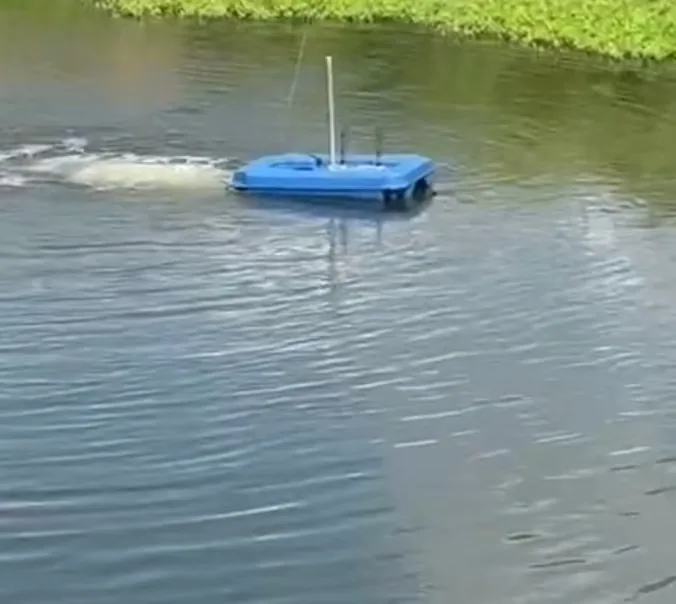
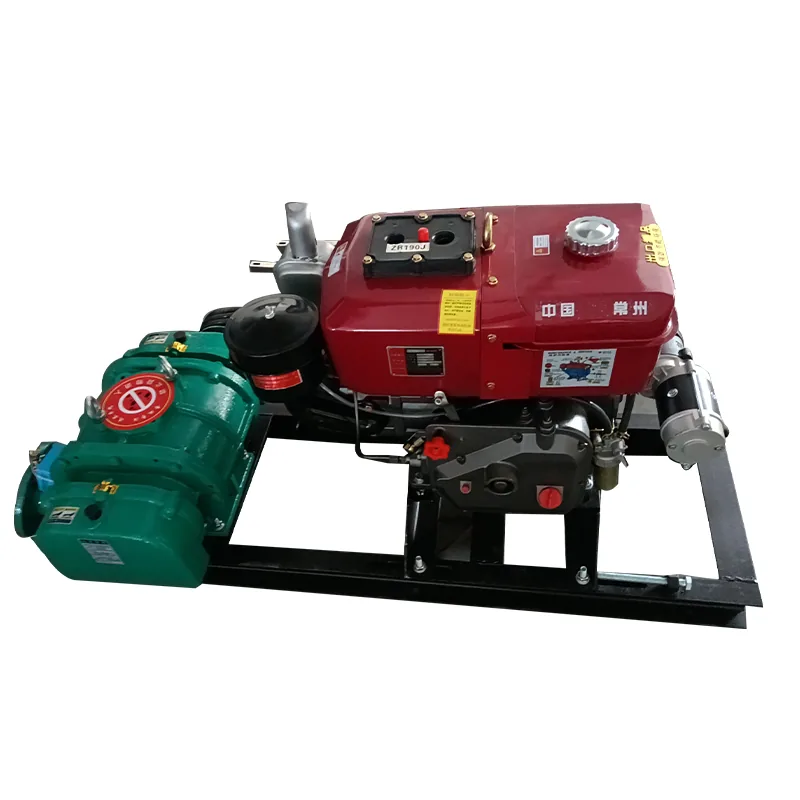
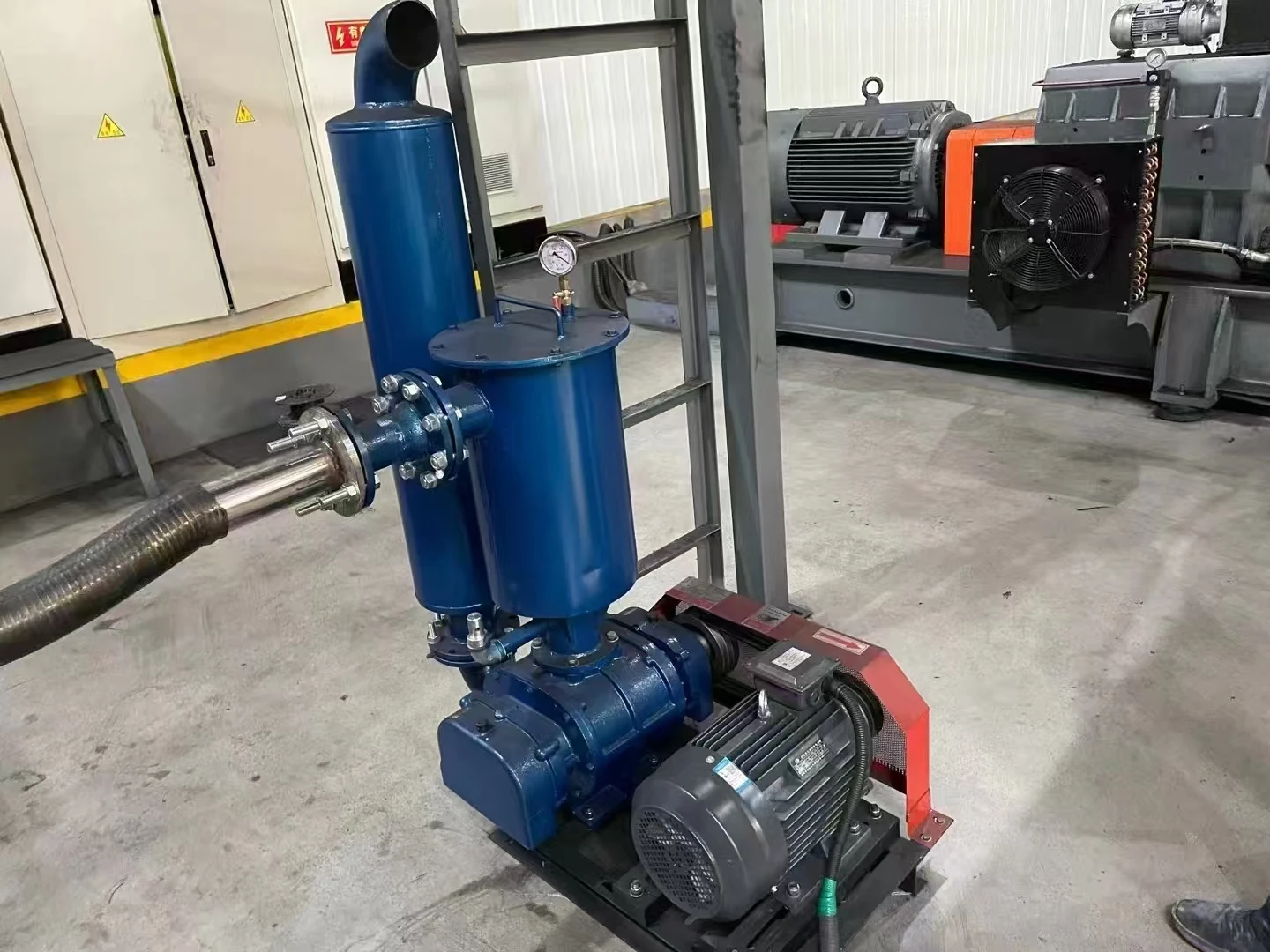
Oxygen can be added with chemicals, through the photosynthesis of aquatic plants, or mechanically. Among mechanical methods, the most common is air aeration — pumping air directly into the water body to increase its movement and thereby its oxygen content.
What the self-sinking hose is used for
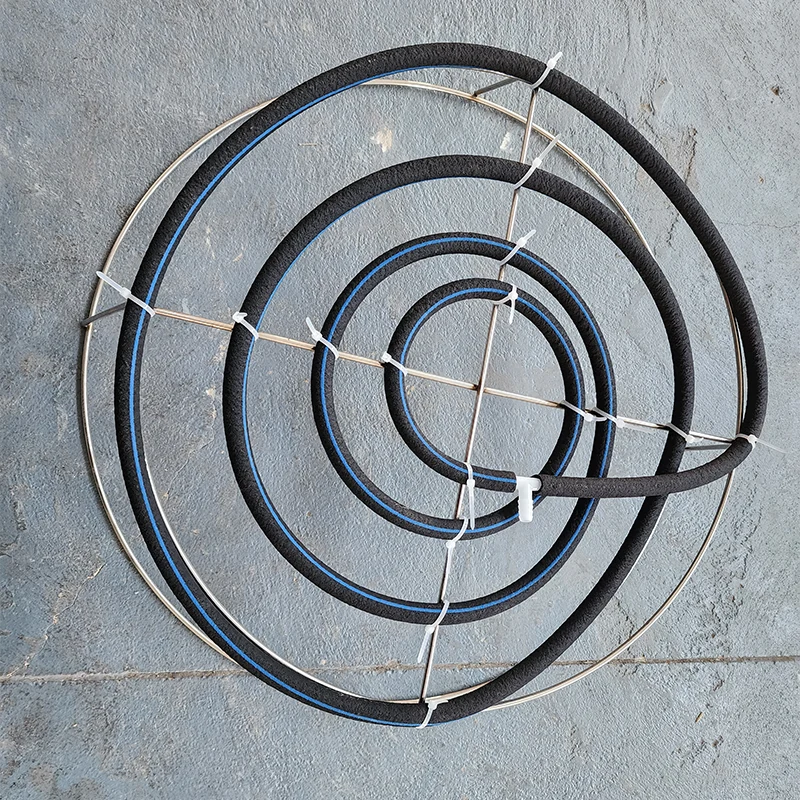
The self-sinking hose is an important part of bottom aeration.
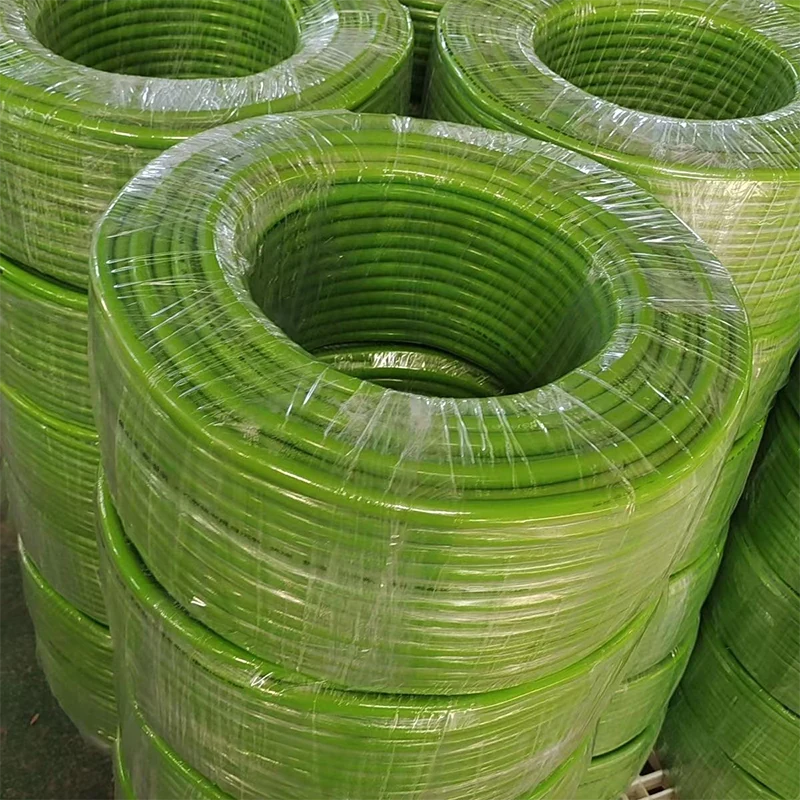
The self-sinking hose (also called a self-sinking aeration hose) can be used as a ventilation hose, or for intermittent point aeration.
Model 14: dimensions and duty
Model 14: outer diameter 14 mm, inner diameter 9 mm.
Frequently asked questions
Q: What is a self-sinking aeration hose used for? A: It is a component of bottom aeration, used either as a ventilation hose or for intermittent point aeration.
Q: What are the dimensions of Model 14? A: 14 mm outer diameter and 9 mm inner diameter.
Q: What are the three ways to add oxygen to a pond? A: Chemicals, the photosynthesis of aquatic plants, and mechanical aeration. Mechanical air aeration is the most common — air is pumped directly into the water body, and the movement it creates raises the oxygen content.
Q: Why does dissolved oxygen decide the crop? A: Pond farming depends on dissolved oxygen in the water, and when the level is high, farming becomes much simpler.
Q: Does the hose replace a blower? A: No. The hose is part of a bottom-aeration layout — it is where the air leaves, not where it comes from.