Strict temperature control
Prevent temperature-change stress in the shrimp, which leads to disease. Feed immune enhancers such as vitamin C to raise stress resistance. Avoid violent water changes through aeration and water-quality management. Patrol each pond three times daily (morning, noon, evening): check the feed trays and observe water quality changes, shrimp activity, feeding and disease signs.
Water quality regulation
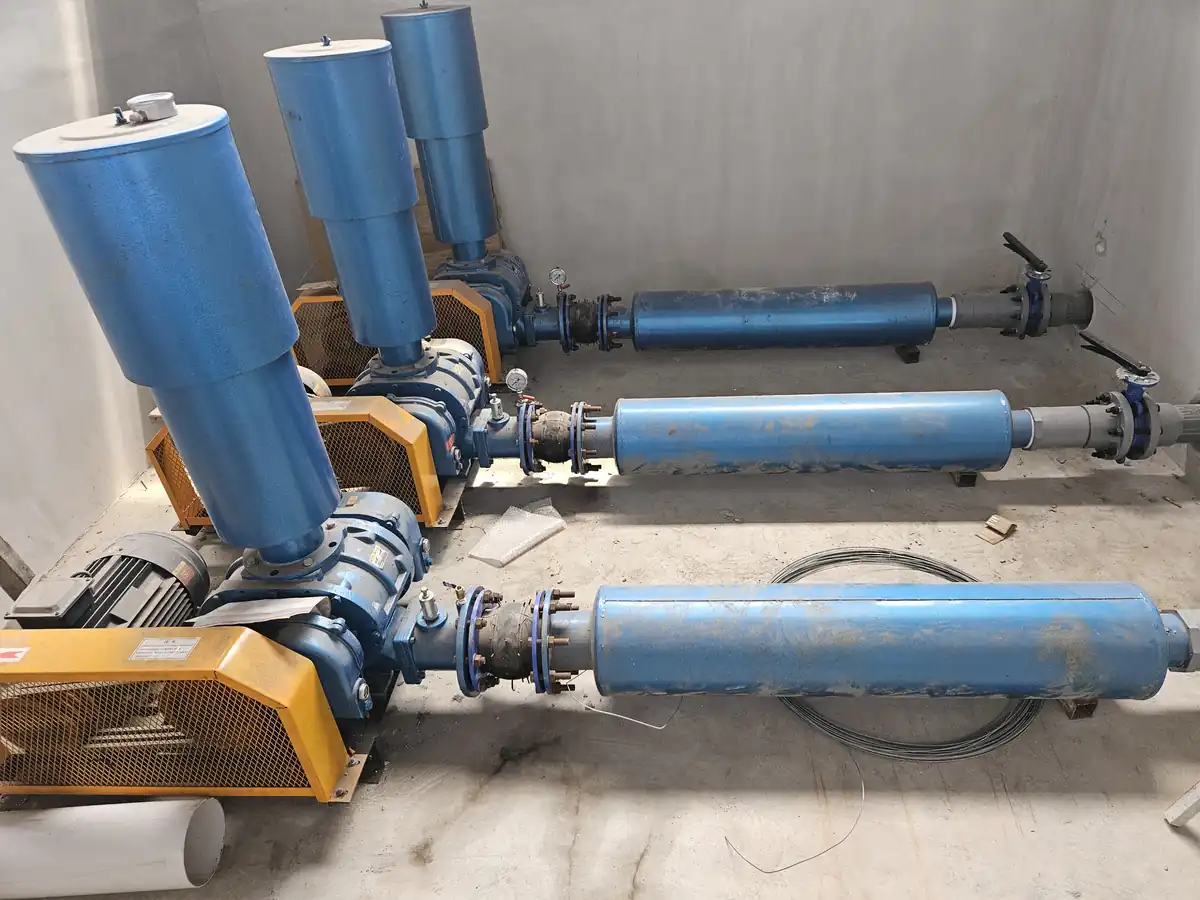
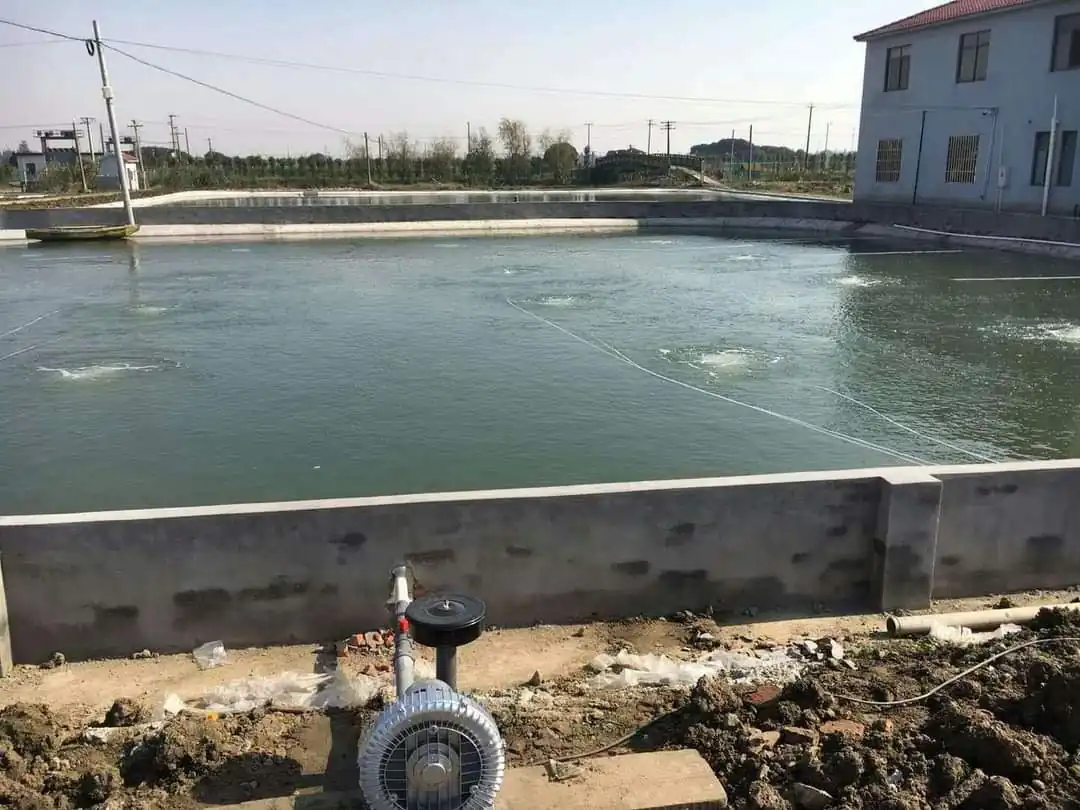
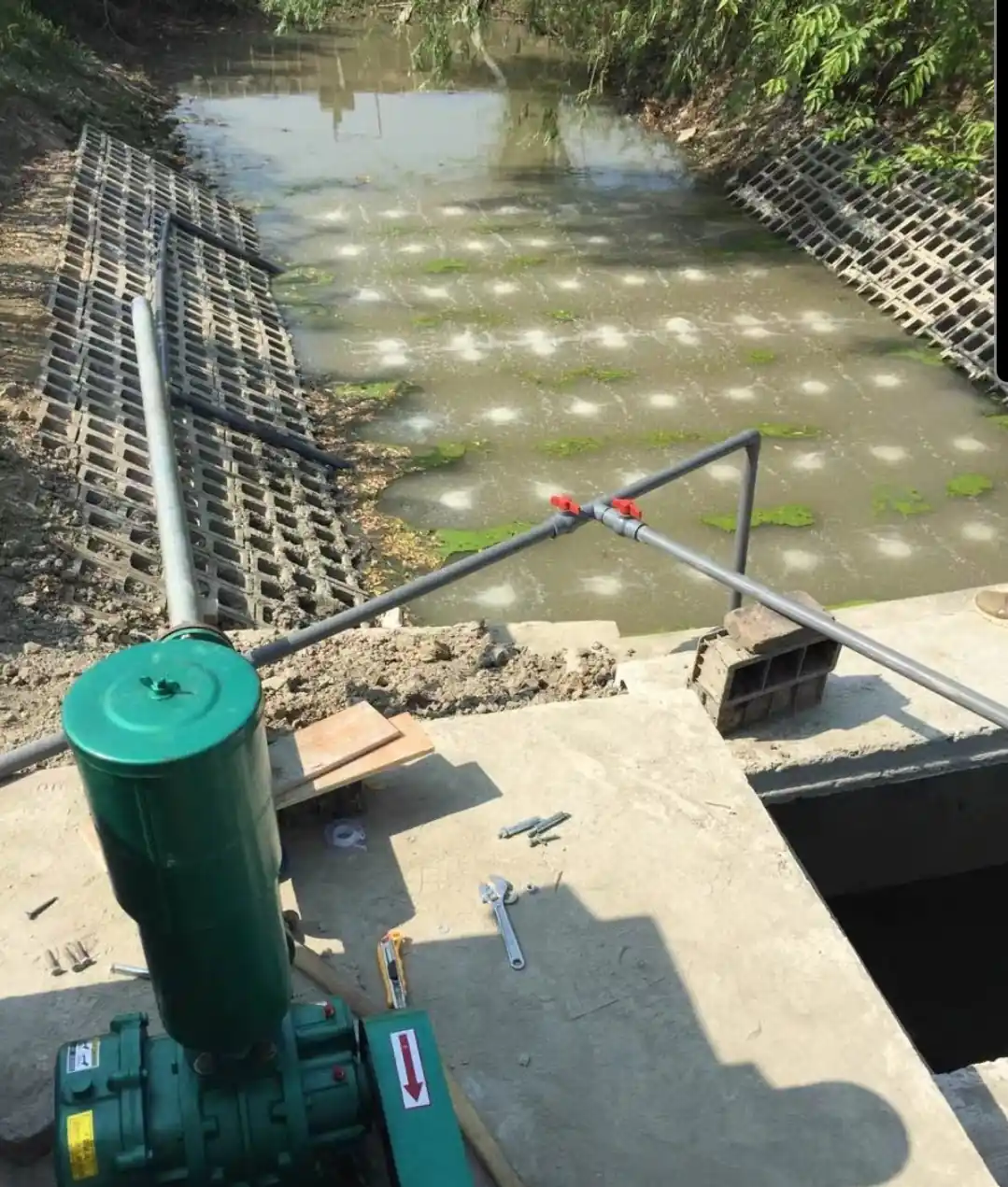
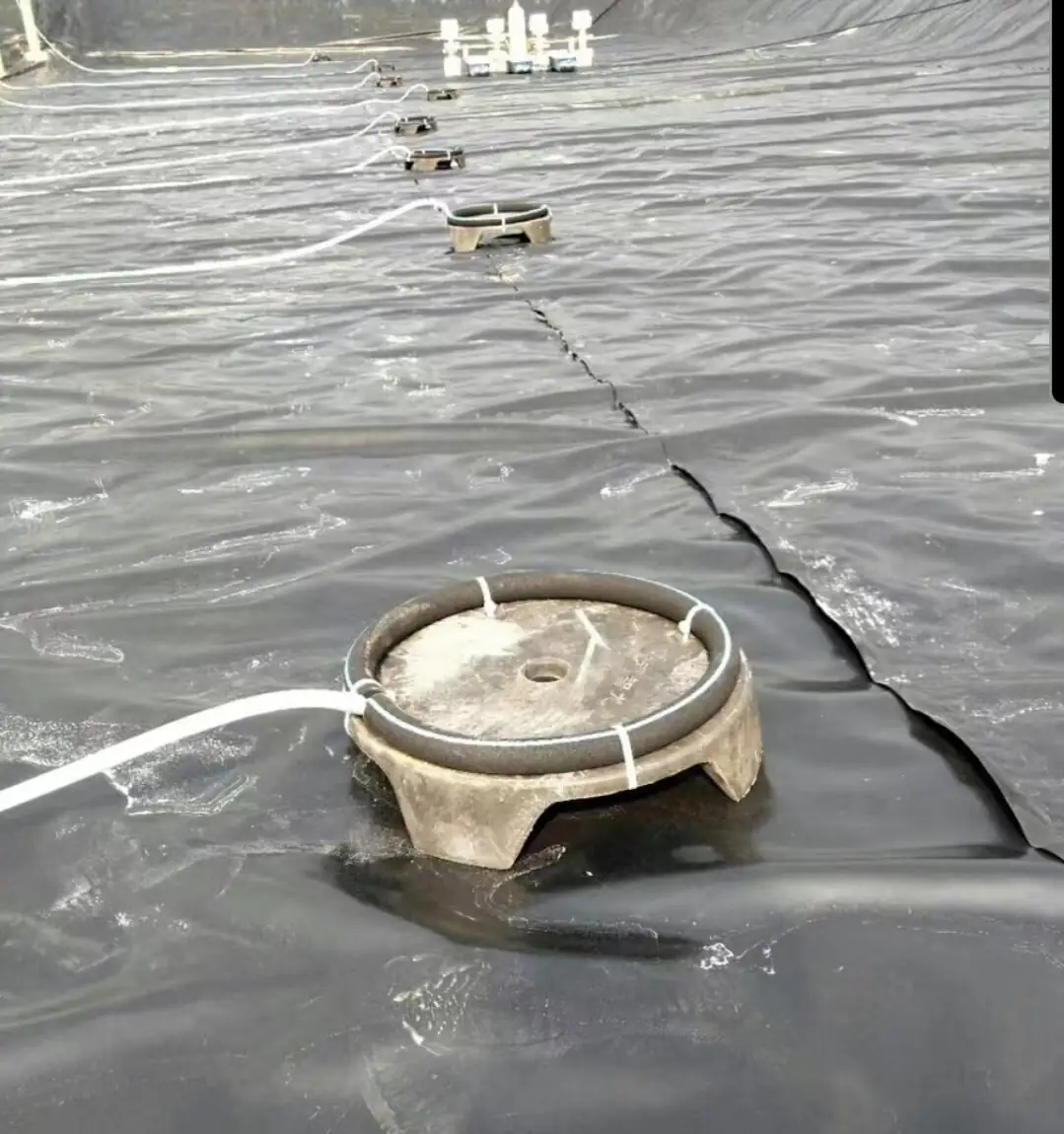
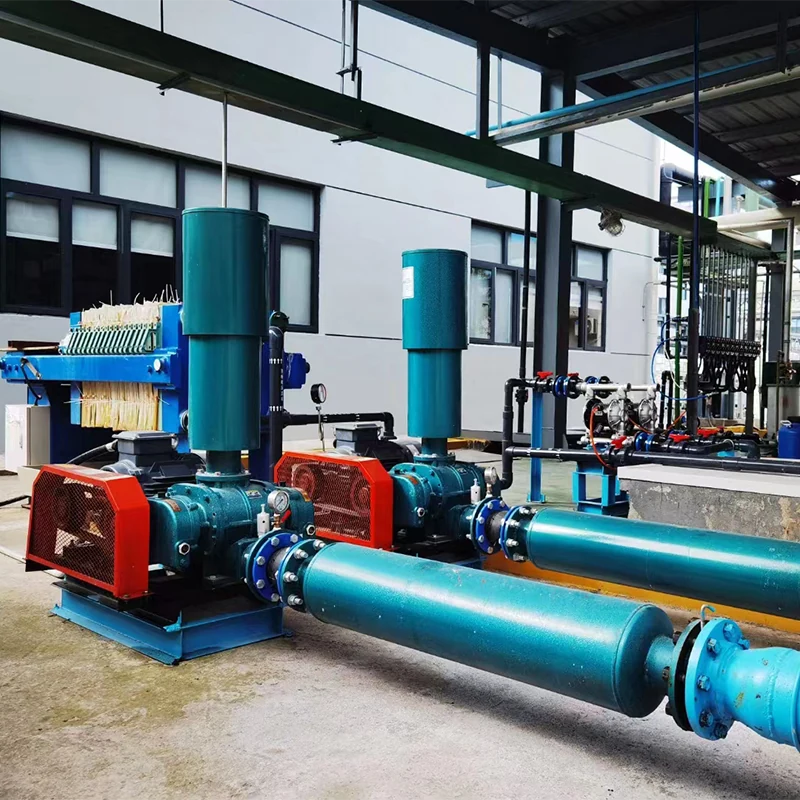
Keep dissolved oxygen at no less than 5 mg/L at all times. Apply microbial preparations regularly to prevent ammonia-nitrogen, nitrite and hydrogen sulfide from rising too high. Culture water parameters: pH 7.5–8.5, ammonia-nitrogen below 0.5 mg/L, hydrogen sulfide below 0.1 mg/L, transparency 30–40 cm, clean water colour. Monitor water quality at least once a day (DO, ammonia, nitrite, pH). Use a Roots blower with bottom nano aeration tubing to raise dissolved oxygen. Cement tanks and greenhouse ponds with centre drainage should be flushed daily with fresh water to reduce disease.
Precise feeding
Choose feed with the right protein level for the shrimp's nutritional needs. Adjust daily feed by appetite, weather, water quality, farming stage and health; cut back on overcast days, during moulting and when disease appears. After grading, feed 4–6 meals a day. Measure shrimp growth every 10–15 days.
Input control
Use feed, fertiliser, water-conditioning, bottom-conditioning, disinfection, algae-control, aeration and pond-cleaning products scientifically — know the source, main ingredients, content and possible side effects of everything you add. Prefer microbial preparations. Never use banned drugs or "three-no" products, counterfeit or inferior veterinary drugs, human medicines, or unapproved "non-drug"/"animal-care" products.
Disease prevention and control
Watch especially for white spot syndrome, Enterocytozoon hepatopenaei (EHP) infection, acute hepatopancreatic necrosis syndrome (AHPNS), iridovirus infection, and infectious hypodermal and haematopoietic necrosis virus. Observe feeding and activity regularly; when sick or dead shrimp appear, examine and analyse the cause and act immediately. Prevention combines healthy seed, pathogen control, water-quality management and raising the shrimp's own immunity.
Tail-water discharge
Discharge tail water in line with national and local standards.