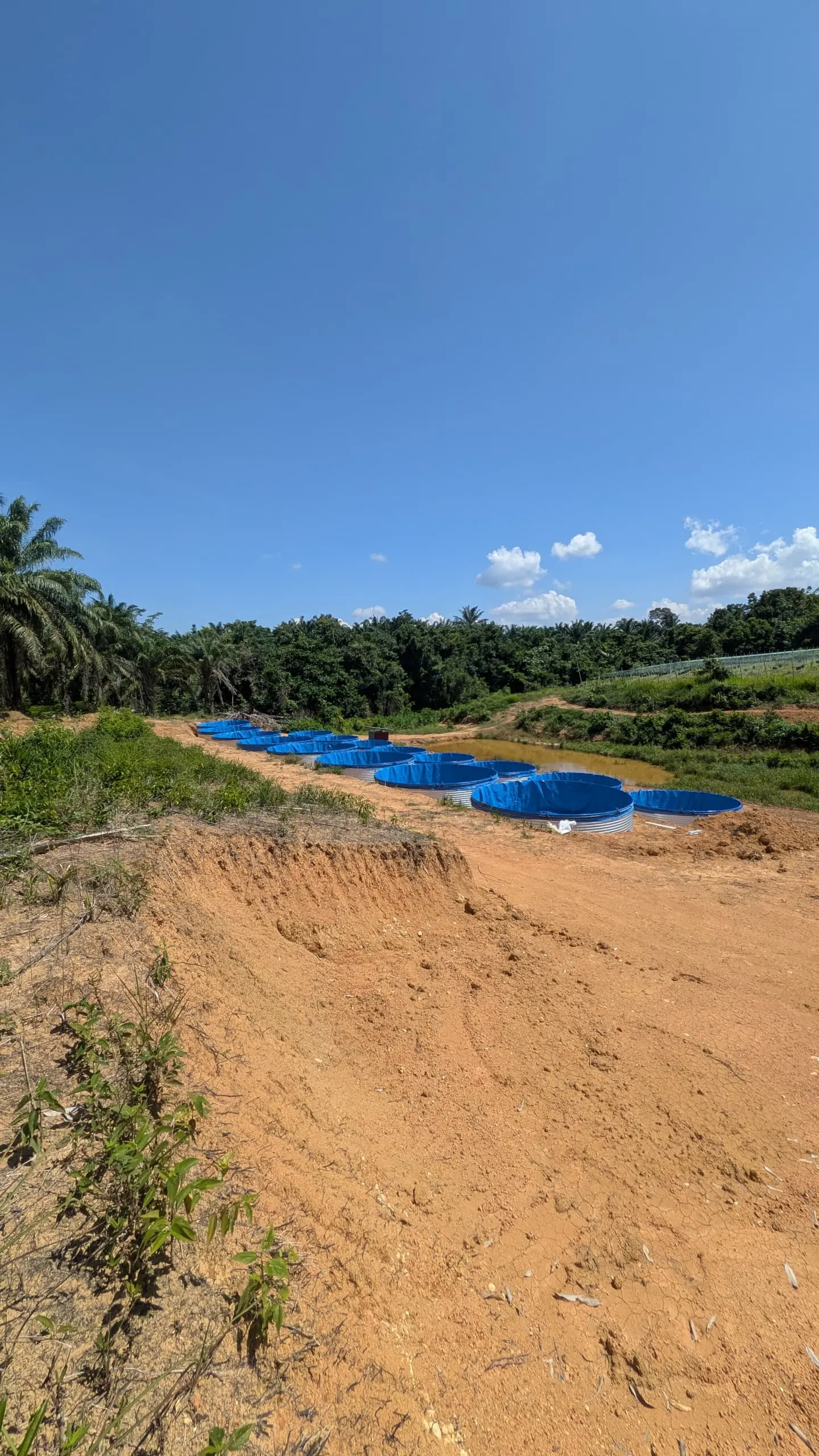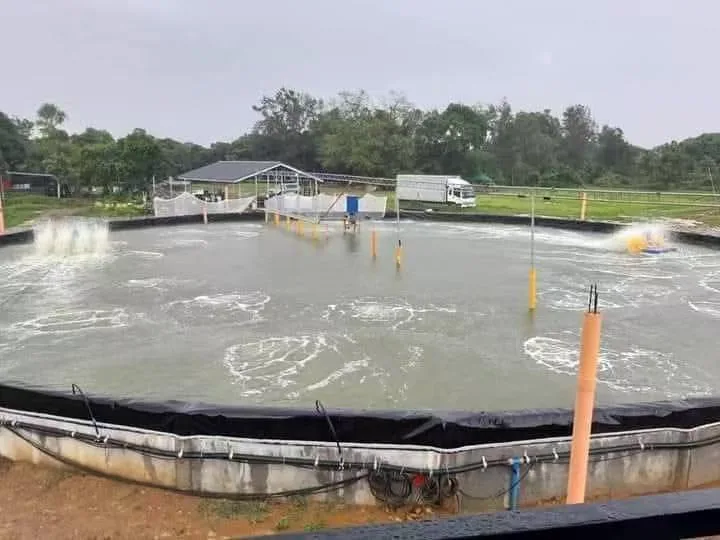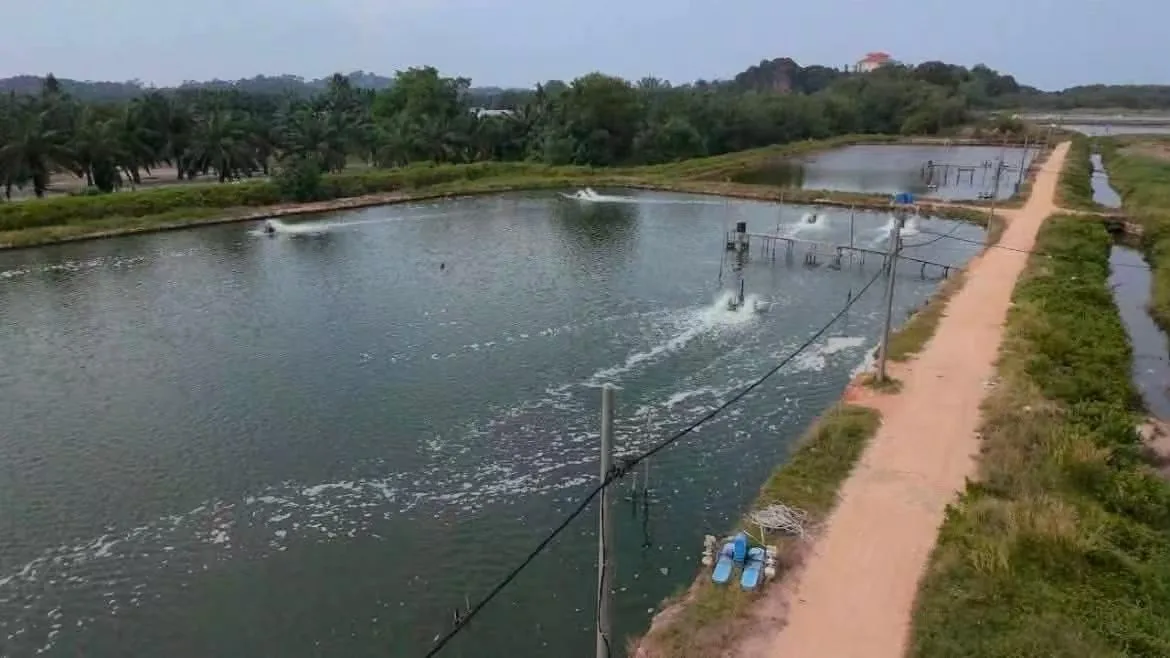
In July, giant freshwater prawn farming enters the middle-late stage, and farmers gradually start netting and selling prawns. Judging from the current weather, July is still dominated by overcast and rainy days. Notes for this stage:
1. Estimate the prawn stock and harvest on time
"As farming time extends, the prawns grow larger. Because giant freshwater prawns live on the pond bottom and have a certain 'territorial awareness', high density and large individuals cause them to fight for territory and kill each other; frequent overcast and rainy weather also easily causes oxygen shortage. At this time, increase sampling frequency, estimate the stock correctly, harvest and sell promptly, reduce overall density, and give the prawns more room to grow."
2. Strengthen water-quality management and keep the water stable
More overcast and rainy days make pond water quality change easily — algae crashes and clear, thin water are common, while aquatic weeds may die and rot at the roots, causing nitrite and hydrogen sulfide at the pond bottom to exceed limits. Countermeasures:
- Condition the bottom frequently: every 10–15 days, use biological bottom-conditioning products (e.g. Tongwei Huojun Dgaiwang) together with high-oxygen products for biological bottom improvement, while replenishing dissolved oxygen at the bottom and reducing accumulation of harmful substances.
- Detoxify more: after consecutive rainy days, use a water-conditioning/detoxifying product (e.g. Tongwei Gaishui Jiedubao) to detoxify the water, reduce turbidity caused by rain, and lower the harmful substances that rain brings into the pond.
- Every 5–7 days, use an organic carbon/peptide product (e.g. Tongwei Huangjintai) plus feed companion and photosynthetic bacteria to adjust the water and replenish beneficial bacteria. (With frequent rainy weather, reduce the dosage and increase the frequency.)
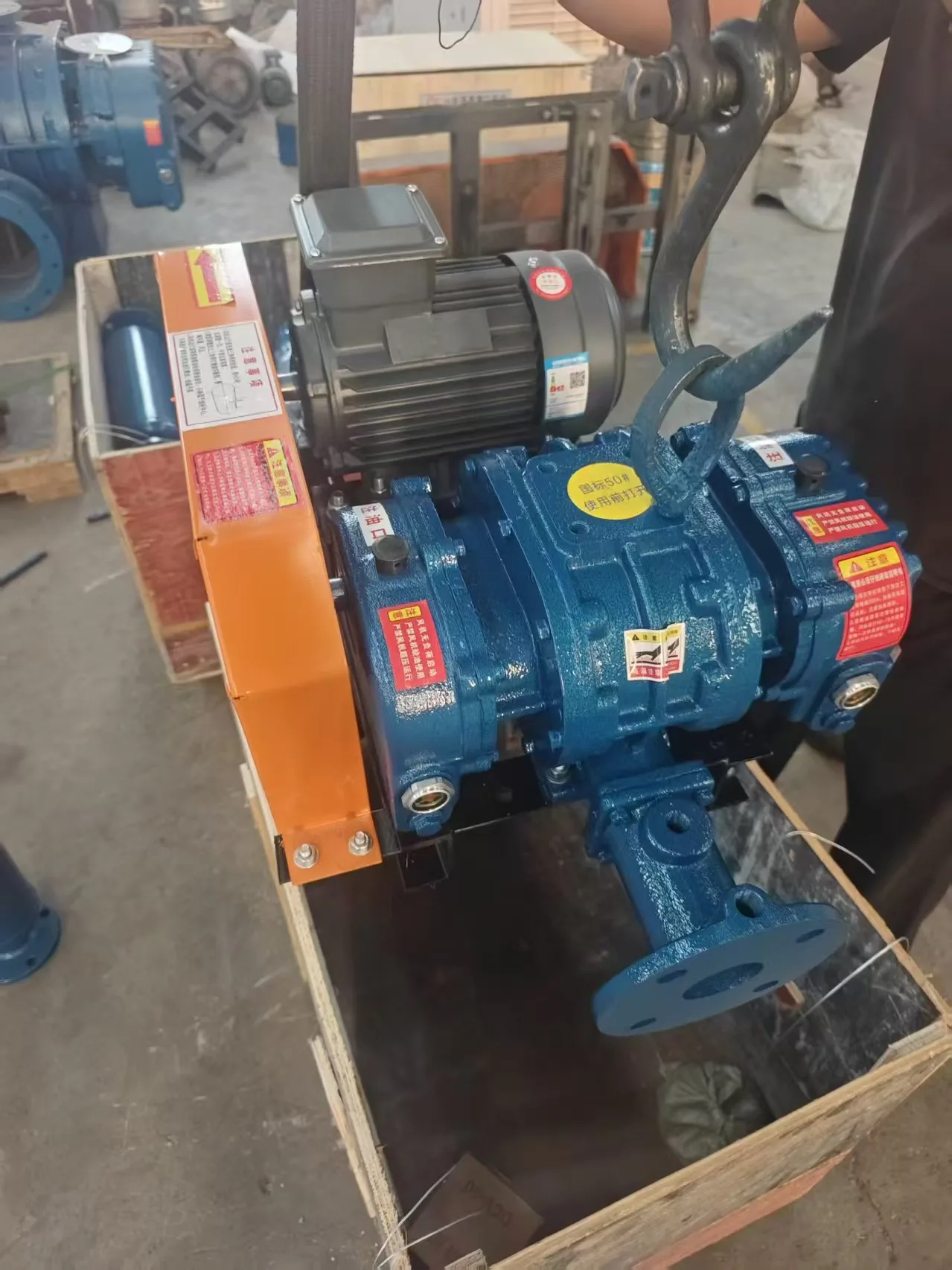
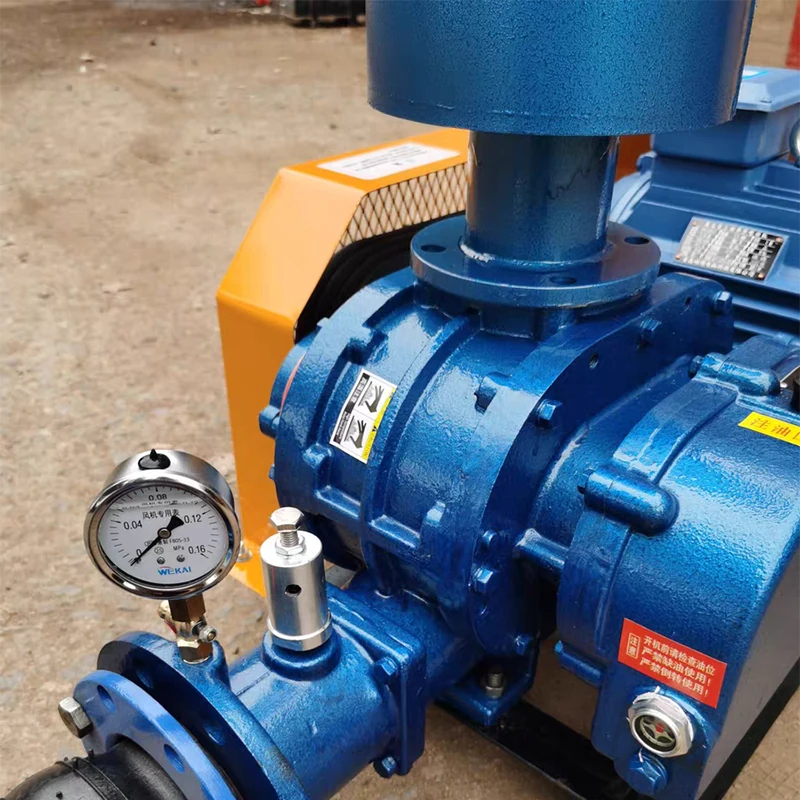
- Run aerators more to raise dissolved oxygen and avoid prawns "swimming to the surface" due to oxygen shortage.
3. Strengthen pond patrols and deal with problems in time
Frequently asked questions
Q: Why harvest in July rather than waiting? A: Because prawns grow larger with time and, living on the pond bottom with a territorial instinct, high density and large individuals make them fight and kill each other. Prolonged overcast and rain also brings oxygen shortage. Increase sampling, estimate the stock and sell promptly to cut density.
Q: What does prolonged bad weather do to the water? A: Algae crashes and clear, thin water are common, aquatic weeds may die and rot at the roots, and nitrite and hydrogen sulphide at the pond bottom can exceed limits.
Q: How often should the pond bottom be conditioned? A: Every 10–15 days, using biological bottom-conditioning products together with high-oxygen products — which replenishes dissolved oxygen at the bottom and reduces the accumulation of harmful substances.
Q: What should be done after consecutive rainy days? A: Use a water-conditioning and detoxifying product to reduce the turbidity the rain brings in and lower the harmful substances it carries; then every 5–7 days use an organic carbon or peptide product with a feed companion and photosynthetic bacteria — reducing the dosage and increasing the frequency while the rain continues.