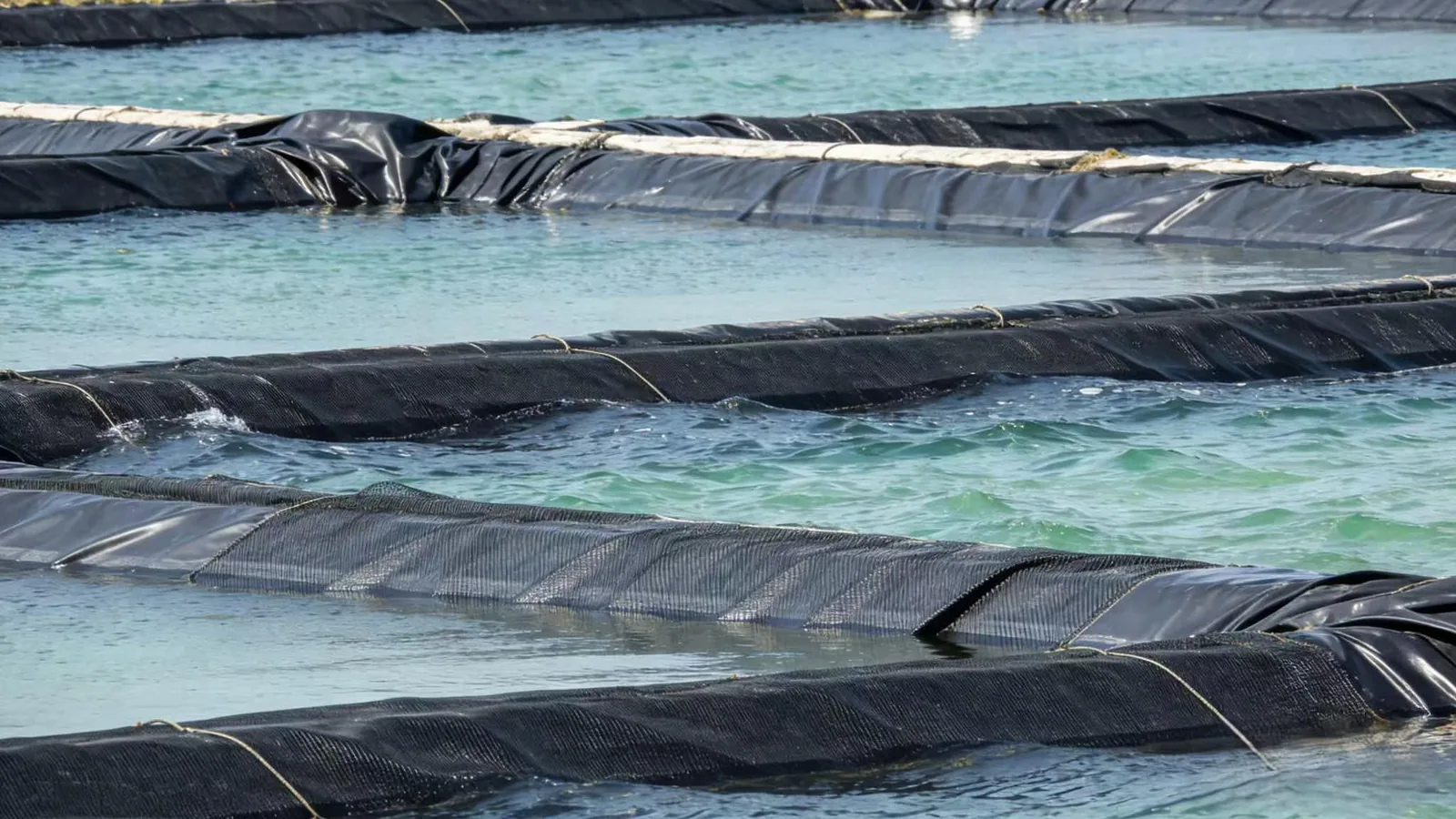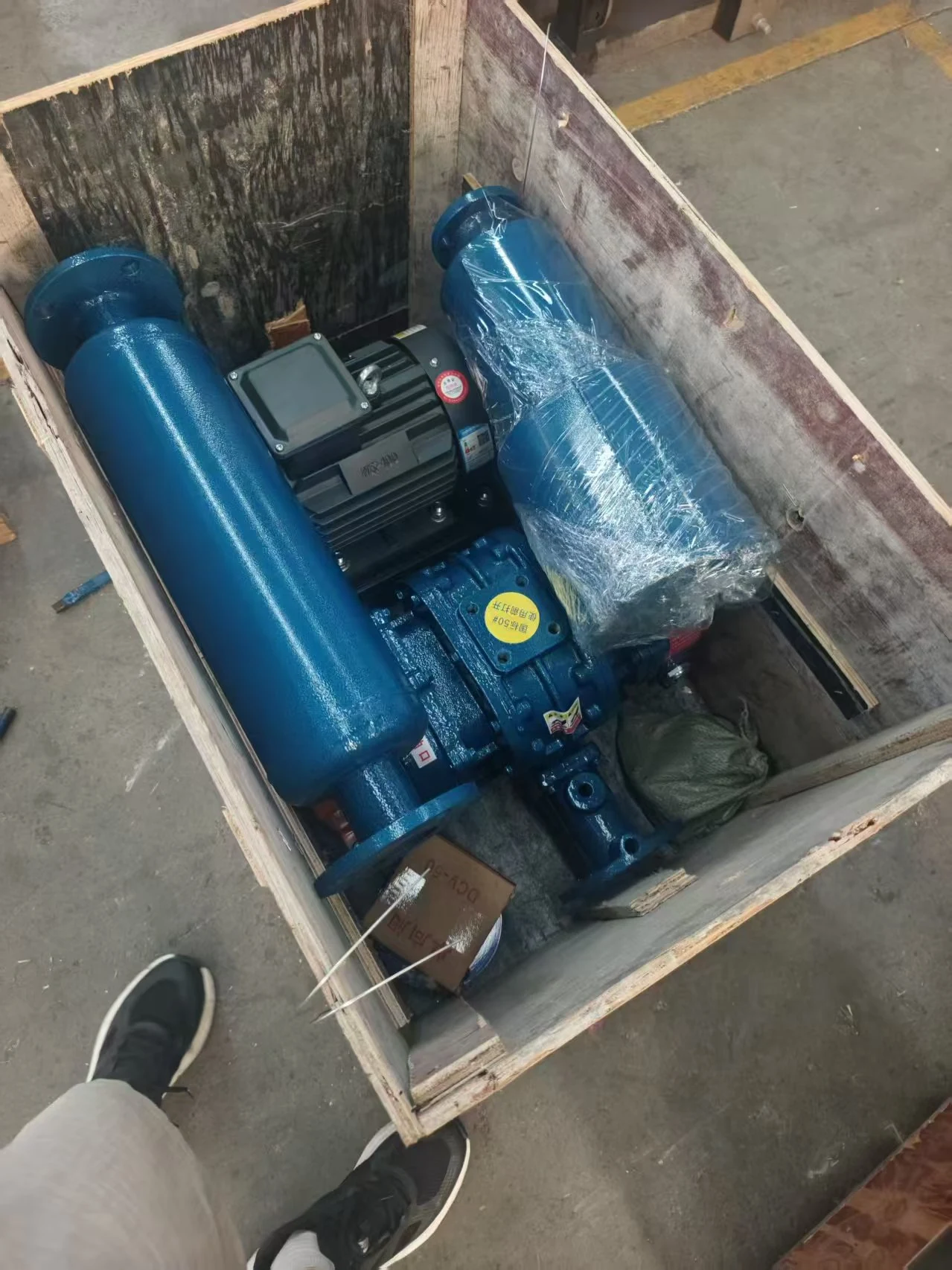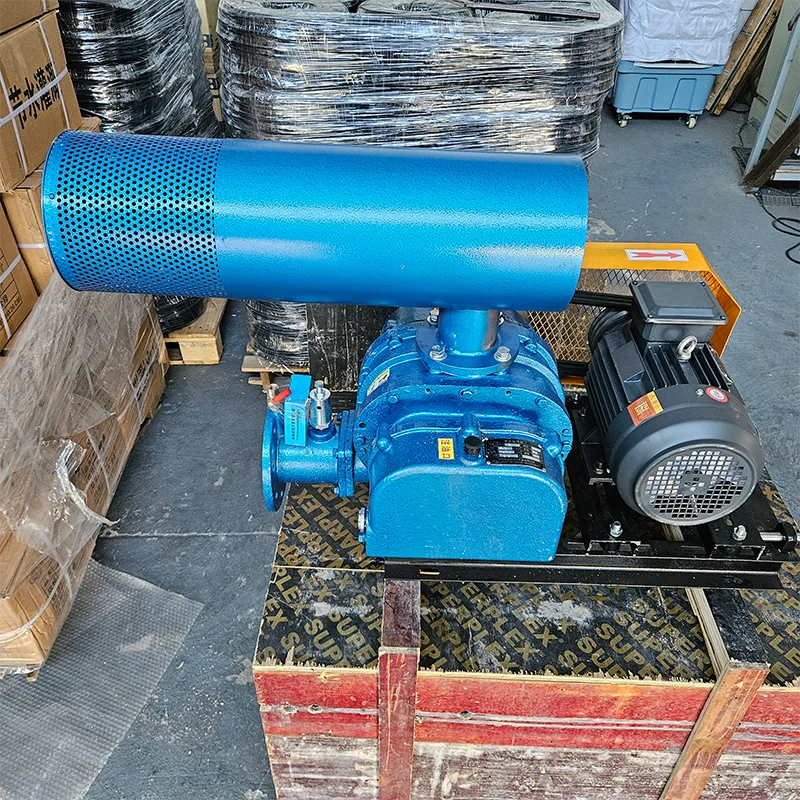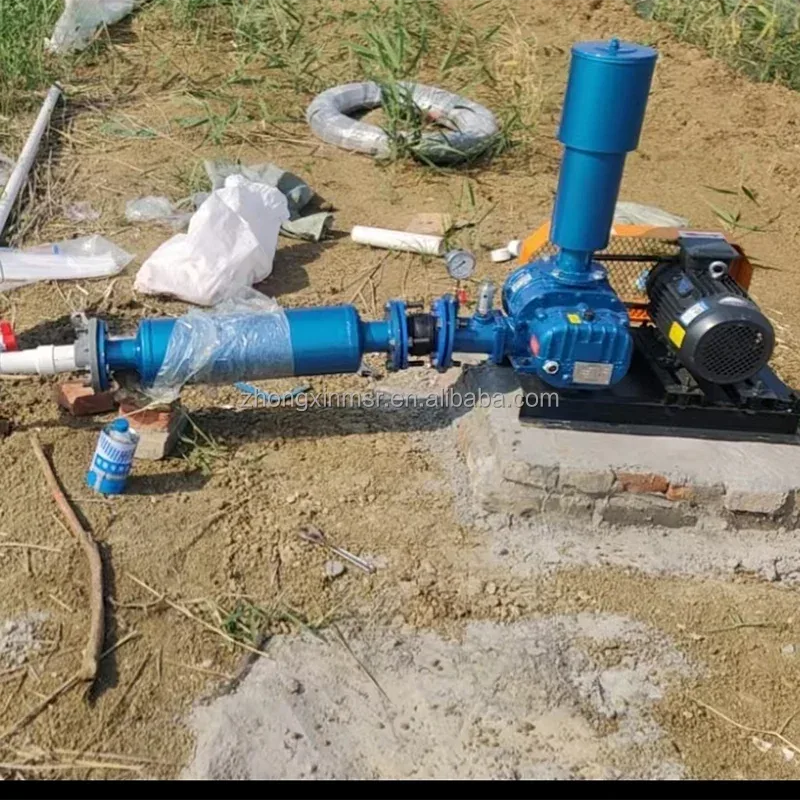
Aquaculture blowers are air blowers used in fish farming. Their main benefits include:
1. Better water quality.
The blower disperses gases and microorganisms in the water and improves water quality through circulation.
2. Improved water flow.
It accelerates water movement, improving circulation and the overall farming environment.
3. Higher stocking density.
It increases the oxygen content of the water, raising the water's carrying capacity so you can stock more fish and improve yield.
4. Energy saving and eco-friendly.
Aquaculture blowers save electricity and reduce wastewater discharge.
Operating notes:
1. Regular maintenance.
Clean and maintain the blower regularly to prevent dust build-up or faults caused by prolonged use.
2. Reasonable layout.
Arrange blowers and air lines evenly across the farm so water movement stays consistent.
3. Precise air adjustment.
Adjust the air volume according to stocking conditions and oxygen demand, keeping dissolved oxygen at a suitable level.
4. Electrical safety.
Use equipment that meets national safety standards to protect both people and equipment.
5. Follow regulations.
Use the equipment in line with relevant farming rules and standards for the best results.
In short, aquaculture blowers play an important role in fish farming: they improve efficiency, improve the environment, save energy and protect the environment. Follow the management and operating notes above to keep the equipment running reliably and reach your production goals.
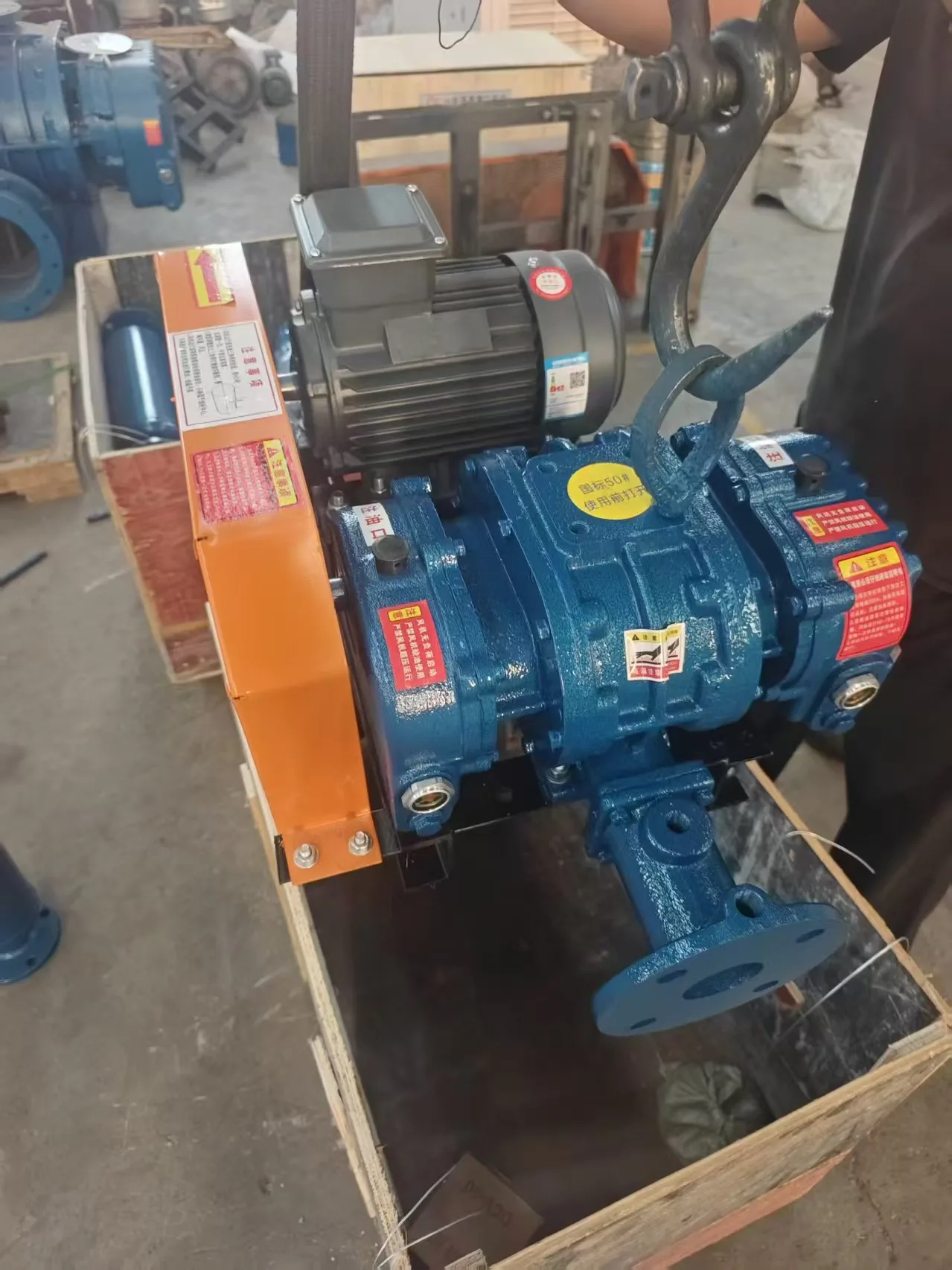
The machine itself is specified on our roots blower page.
Frequently asked questions
Q: What do aquaculture blowers improve? A: Water quality, by dispersing gases and improving circulation; water flow, by accelerating movement through the farm; and the water's carrying capacity, so a higher stocking density is possible with a better yield. They also save electricity and cut wastewater discharge.
Q: How should blowers and air lines be laid out? A: Evenly across the farm, so that water movement stays consistent from one part of the farm to another.
Q: How should the air volume be set? A: According to the stocking conditions and the oxygen demand, keeping dissolved oxygen at a suitable level — not simply running the blower flat out.
Q: What maintenance does the blower need? A: Regular cleaning and maintenance, to prevent dust build-up and the faults that come with prolonged use.