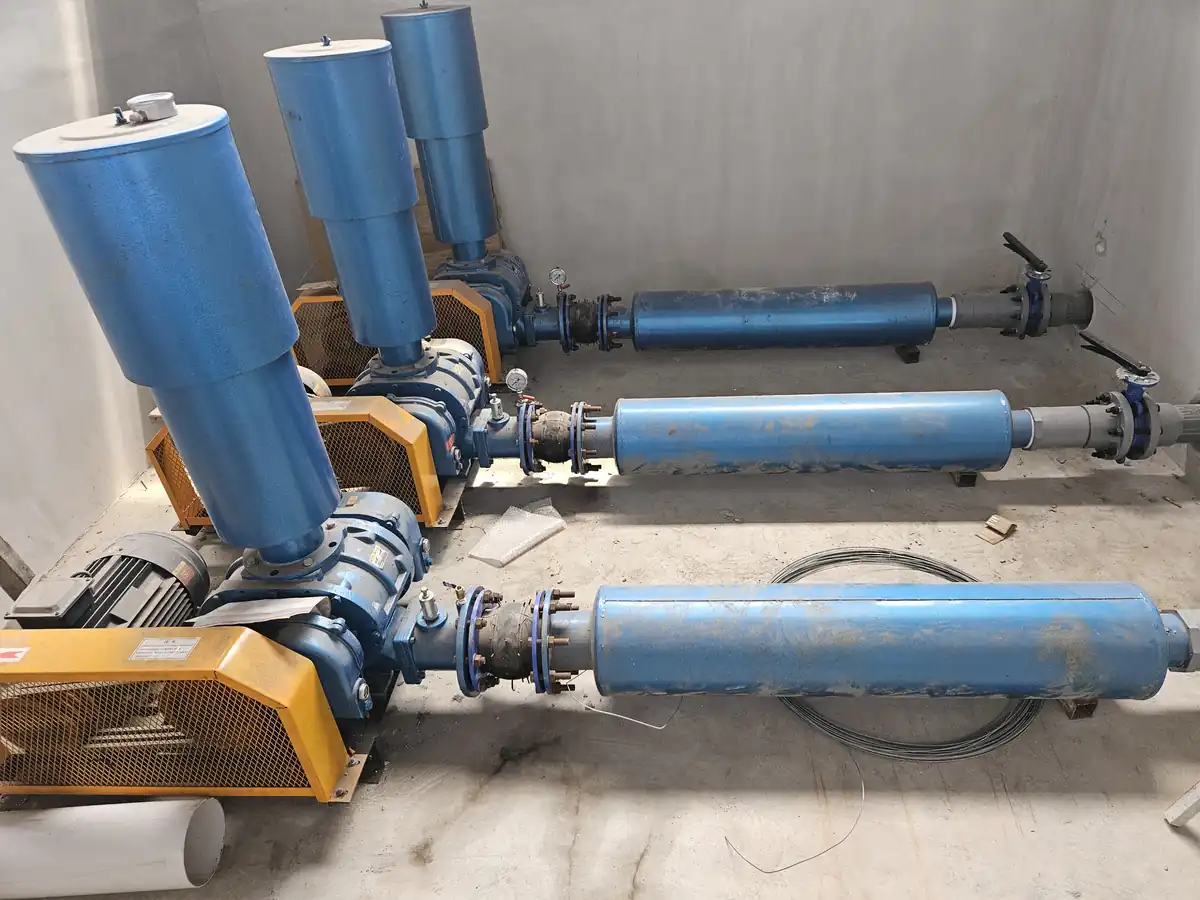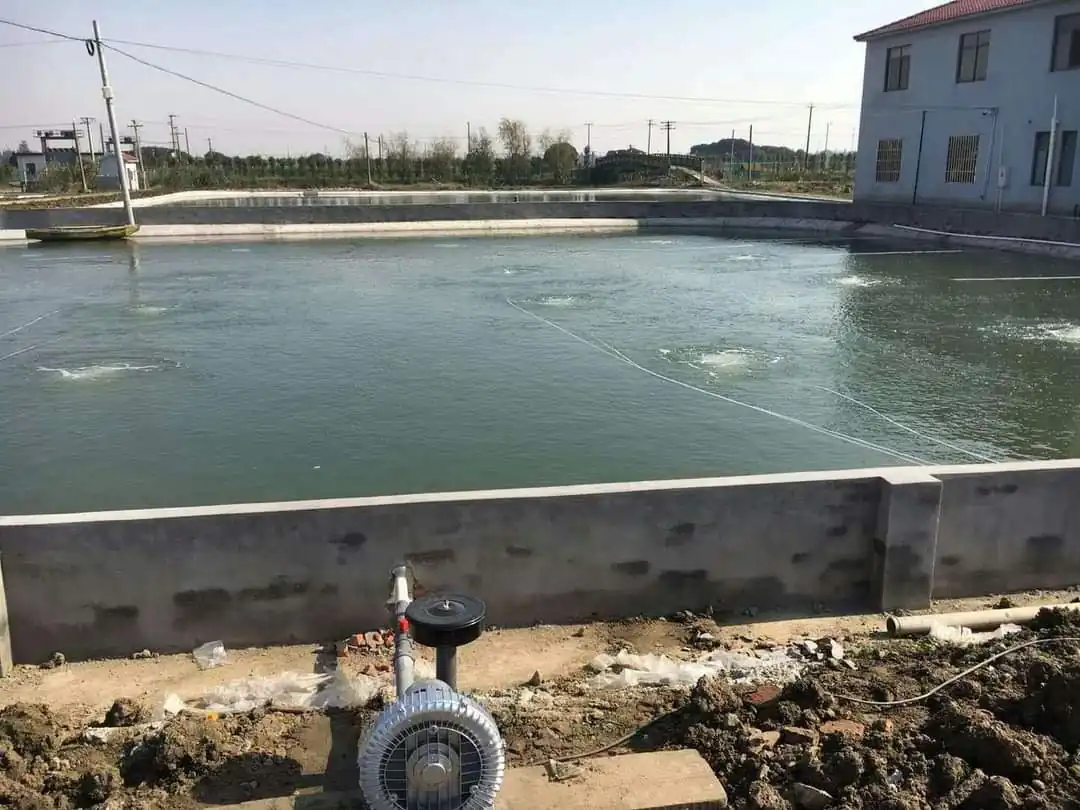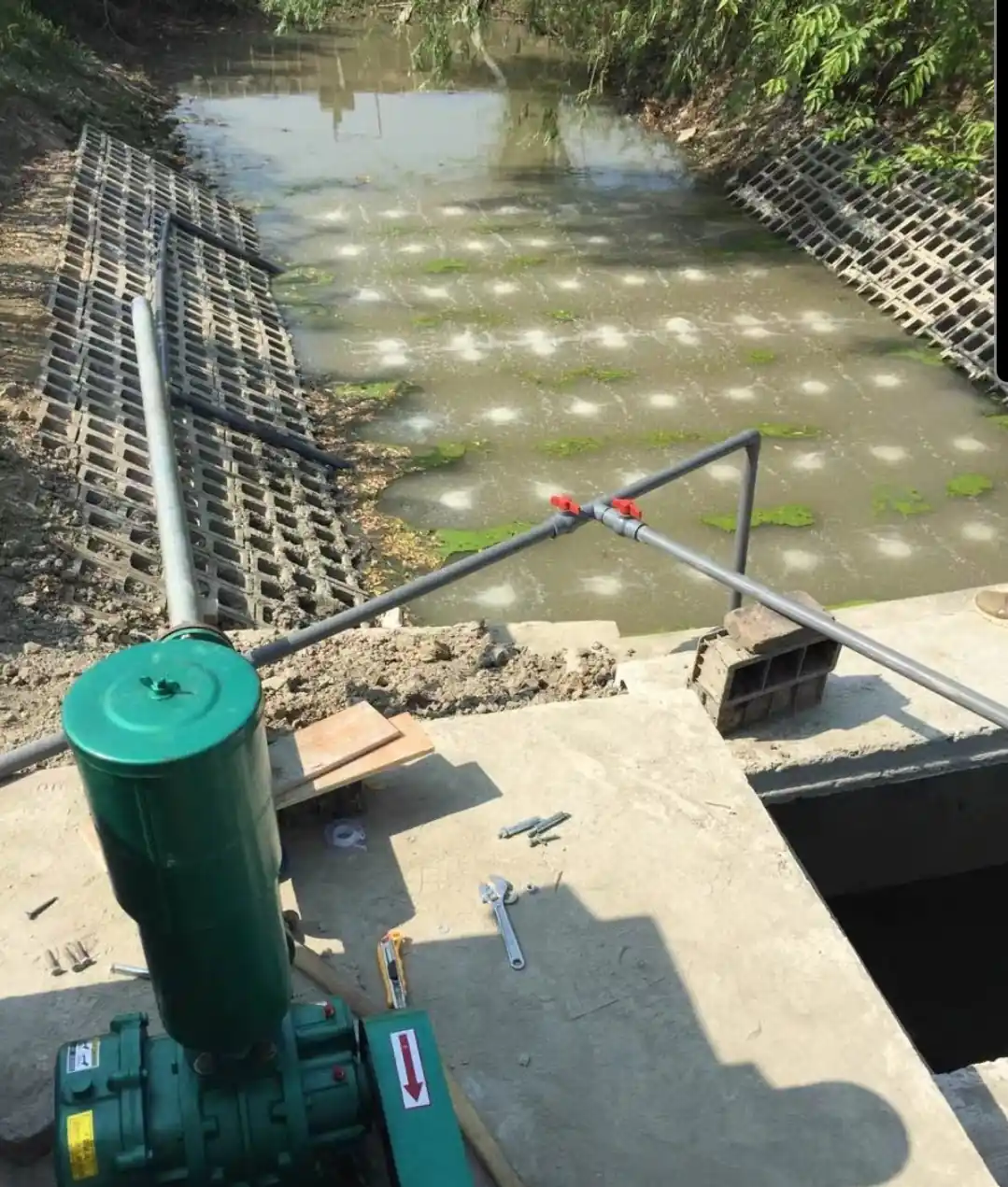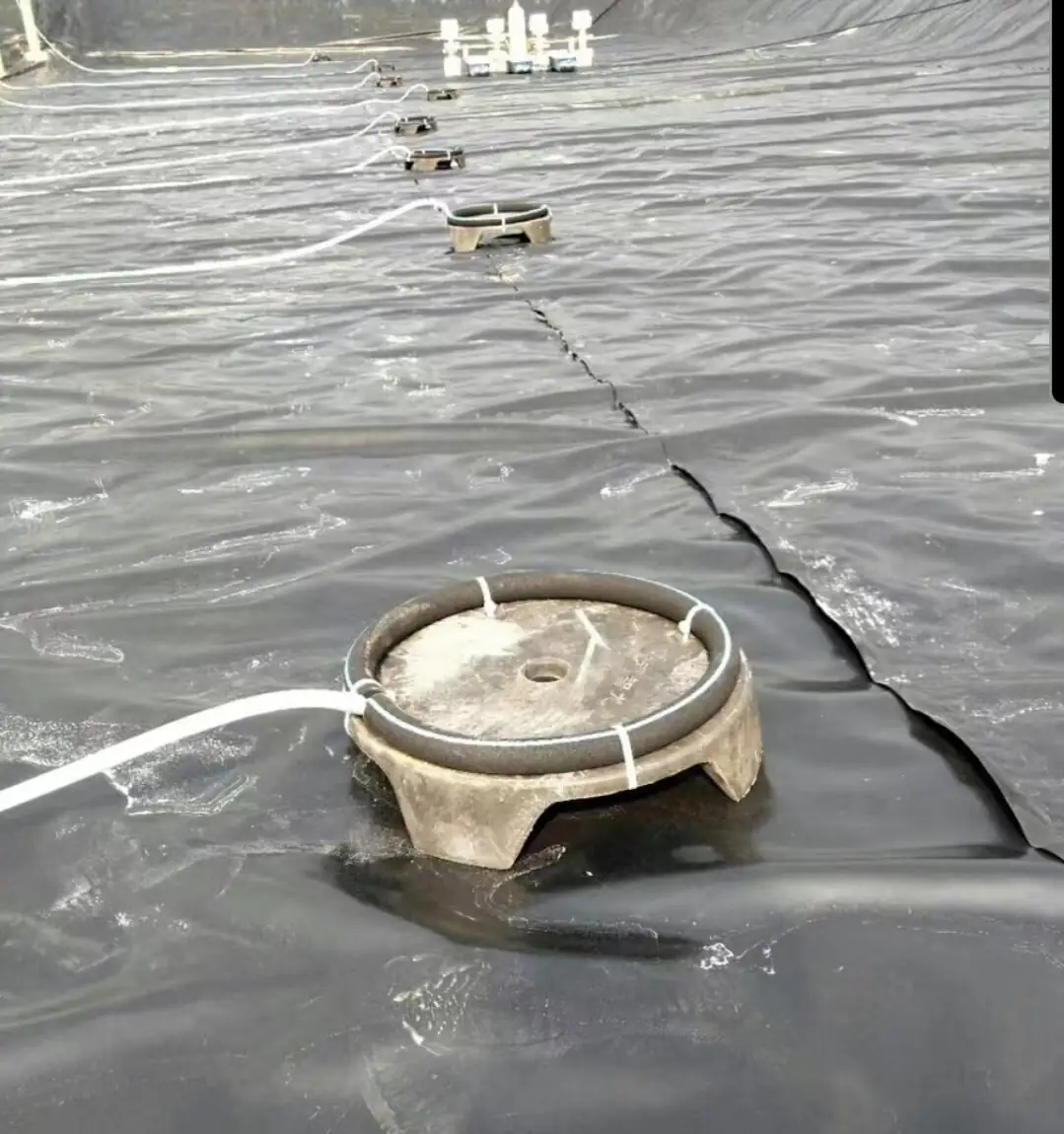
Aeration Roots blowers are used in wastewater treatment to bring the water into full contact with air — dissolving oxygen into the water and removing dissolved gases and volatile substances.
In the activated sludge process, dissolved oxygen in the mixed liquor is replenished by aeration. The wastewater Roots blower's main jobs are to supply enough dissolved oxygen for the aerobic bacteria in the water and to drive the mixing of the aeration tank's mixed liquor. It is widely used in the aeration of industrial wastewater from papermaking, textiles, printing and dyeing, electroplating, viscose fibre, food processing and fermentation brewing, as well as municipal sewage.
Bubble aeration vs mechanical aeration
The activated-sludge aeration tank can be aerated two ways: bubble aeration and mechanical aeration.
In bubble aeration, fine-bubble diffuser heads, rotary-cut diffuser heads or microporous aeration tubes are placed at or near the bottom of the aeration tank. Because fine-bubble diffusers sit deep in the water, the resistance of the diffuser pores is higher, so the Roots blower needs higher discharge pressure. Oxygen transfer efficiency is typically 10–30%.
Mechanical aeration mixes the wastewater and sludge thoroughly in mechanical equipment, continuously renewing the contact between the mixed-liquor surface and the air to raise dissolved oxygen. Oxygen enters the liquid through the mechanical action of blades, impellers, sprayers or turbines. The two aerators in common use today are surface aerators and submerged turbine aerators.
For reliable, maintenance-friendly aeration air, a wastewater Roots blower remains one of the most practical choices.