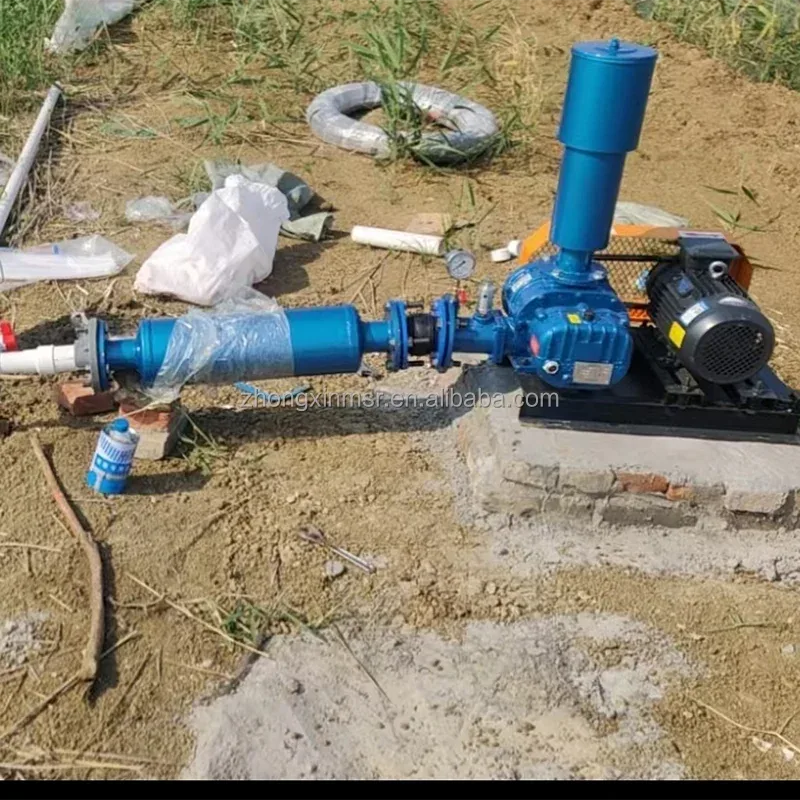
A roots blower is simple to run and easy to ruin. The twelve rules below cover siting, installation, first start-up, normal operation, shutdown and maintenance — follow them and the blower will deliver its rated life; skip them and even a new machine fails early.
Siting and installation rules
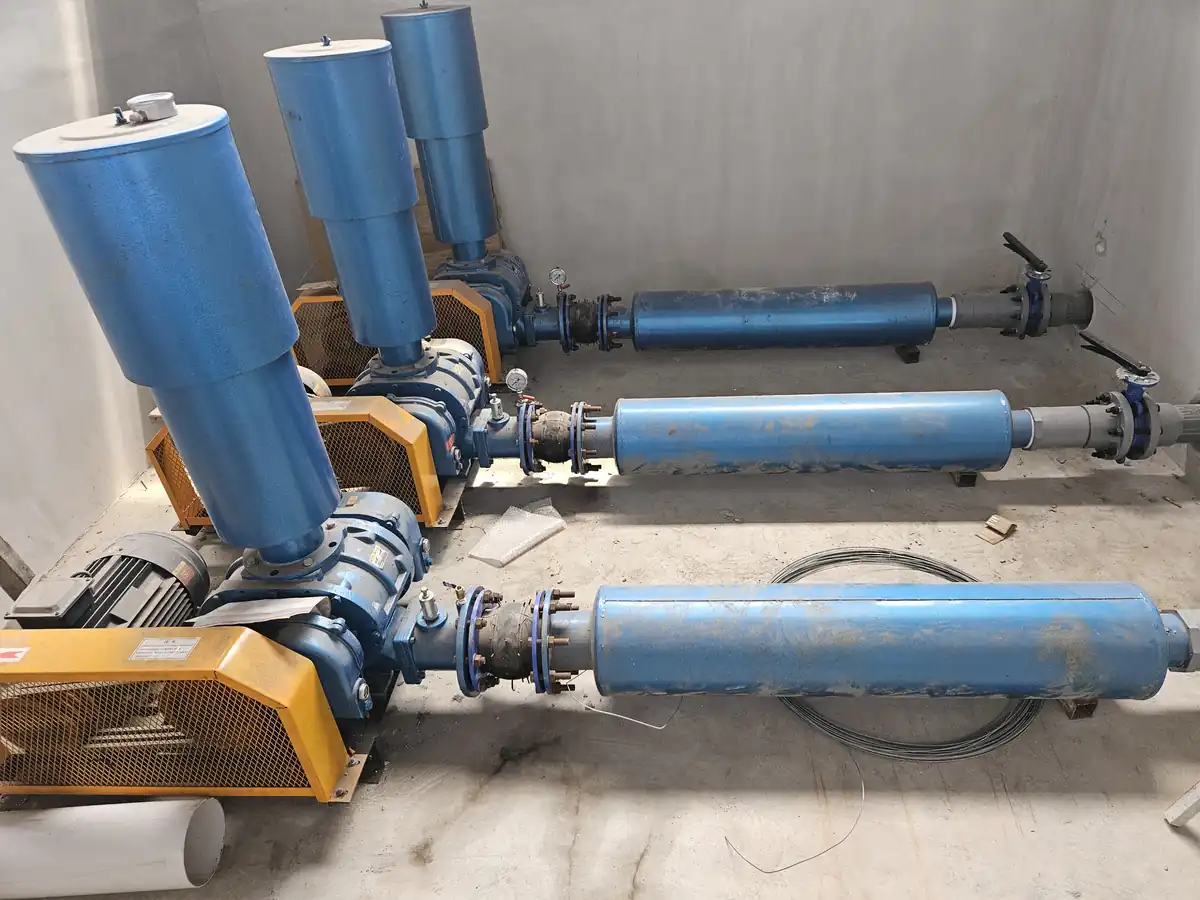
1. Do not install the blower where people pass frequently — hot surfaces and rotating parts can injure or burn.
2. Do not install it where flammable, explosive or corrosive gases may accumulate — fire and poisoning hazards.
3. Leave working space around the unit on all sides, sized for the intake/exhaust port direction and for maintenance access.
4. Check the foundation before mounting: firm ground, a level surface and a base that stands above floor level.
5. Fit a rain shelter when the blower is installed outdoors.
6. Ambient temperature must not exceed 40 °C for continuous duty; above that, add ventilation (an extractor fan) to protect service life.
7. Keep dust in the air stream below 100 mg/m³ (fine dust loads shorten blower life).
Pre-start inspection
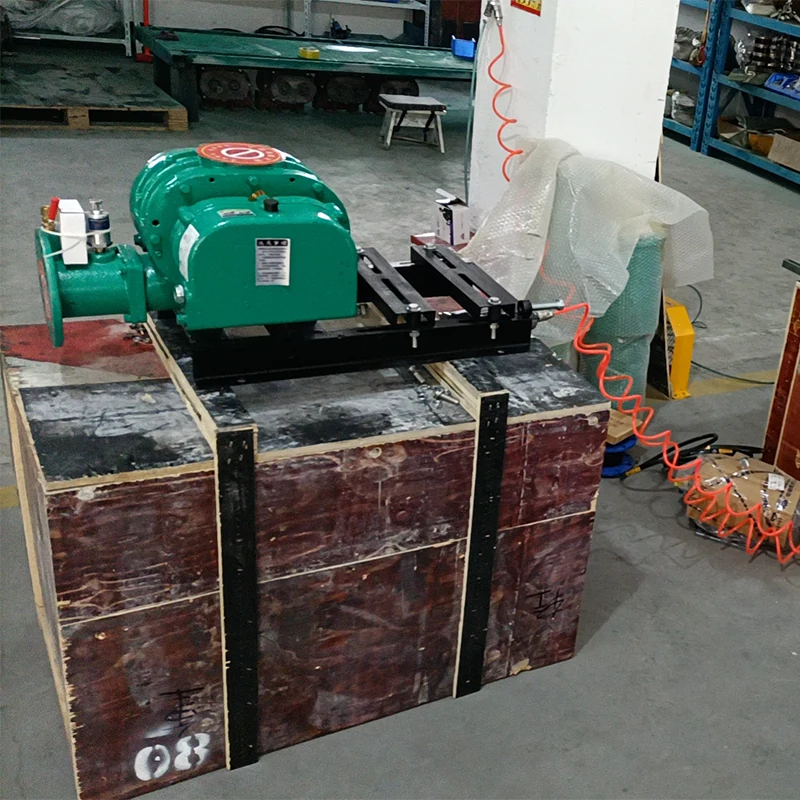
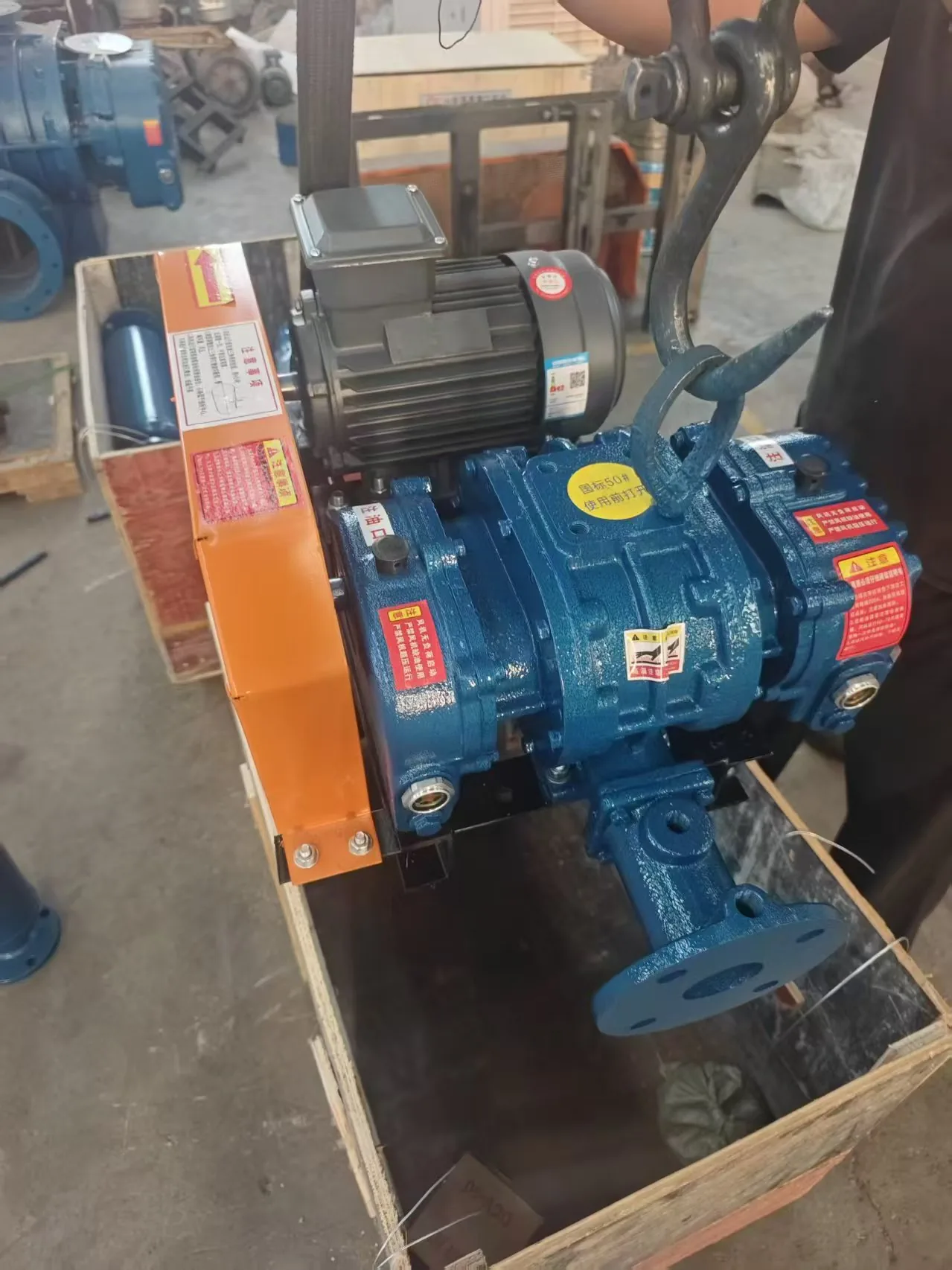
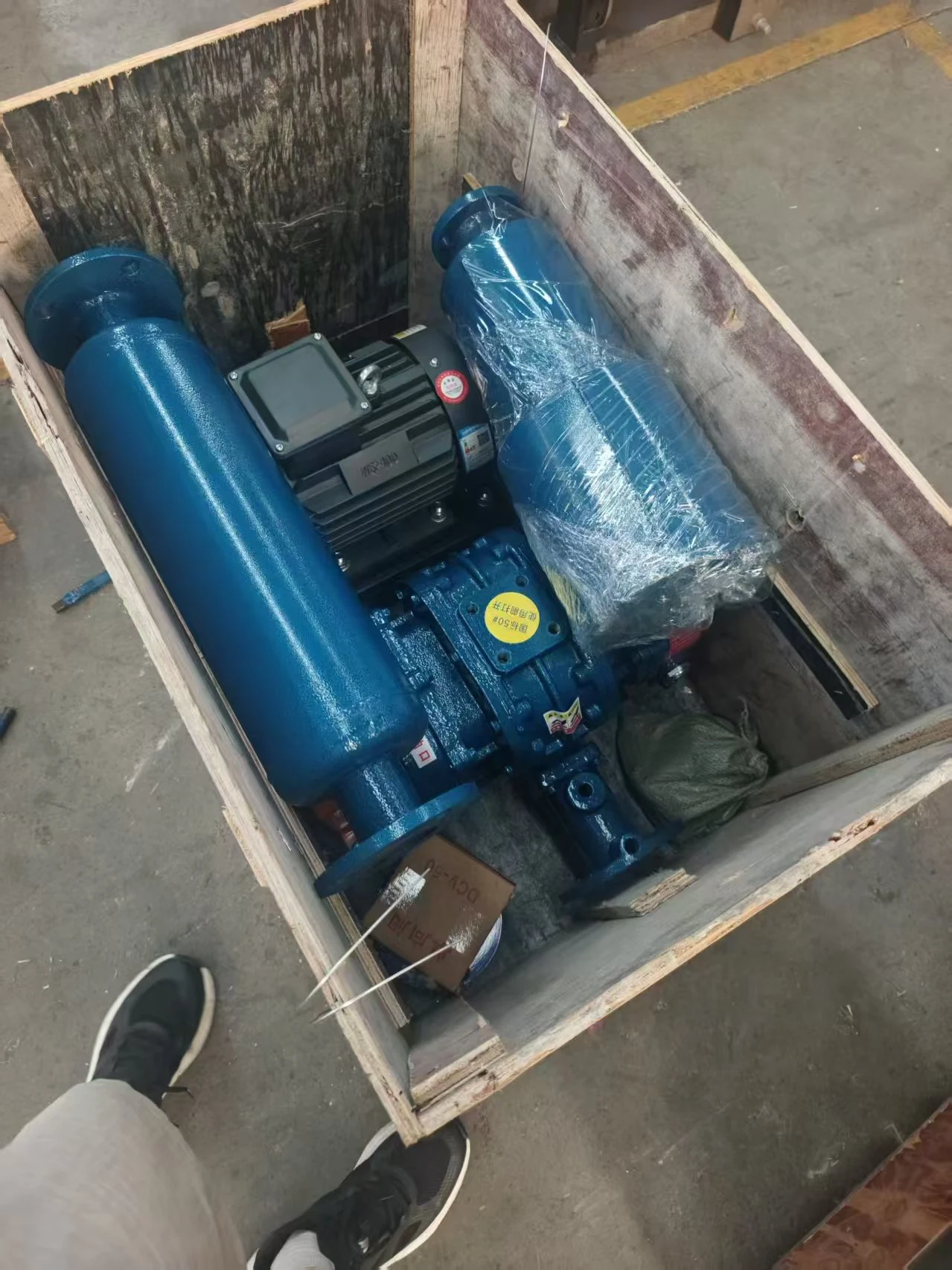
1. Inspect every component: completeness of parts, tightness of bolts and nuts, quality of fasteners and dowel pins, and the mounting of intake/exhaust piping and valves.
2. Never let piping, valves or frames load the blower casing — the unit must carry no external weight.
3. Check the alignment (centring) between blower and motor.
4. Confirm the base is fully bedded and the anchor bolts are tight.
5. Fill the oil tank to the level mark with the specified oil — for roots blowers, a medium-duty gear oil of grade R320.
6. Check the motor rotation direction matches the arrow on the unit.
7. Install the belt guard (or coupling guard) before operation.
8. Open the intake and exhaust valves fully and turn the rotor by hand: it must rotate freely with no impact or rubbing. Only then start the machine for a trial run.
No-load trial run
1. Every newly installed or overhauled blower must pass a no-load trial run.
2. "No-load" means running with both intake and exhaust valves fully open.
3. Acceptability criteria: no abnormal smell, smoke, impact or rubbing sounds; radial vibration velocity at the bearings no higher than 6.3 mm/s.
4. Run no-load for about 30 minutes. If normal, proceed to load; if anything is wrong, find and fix it, then repeat the no-load trial.
Normal loaded operation
1. Apply the load gradually — never jump straight to rated load in one step.
2. Rated load is the static pressure difference between intake and exhaust as marked on the nameplate. Watch the intake pressure as well as discharge pressure to avoid overload.
3. Never fully close the intake or exhaust valves during normal running. Monitor pressure regularly; the safety valve must relieve on overload — if it does not, adjust it. Do not run overloaded.
4. Do not recirculate discharge air back to the intake for long periods — roots blowers raise intake temperature this way, which threatens machine safety. If you must use bleed/recirculation control, provide cooling.
5. Check oil level frequently, inspect on schedule and keep records.
Shutdown
Never stop a roots blower suddenly at full load. Unload gradually, then stop. Emergency-stop procedures should be defined separately for your site.
Maintenance that protects service life
Safe operation and service life depend on correct, regular maintenance — watch for the first signs of trouble:
1. Check tightness of all fasteners and looseness of dowel pins.
2. No oil leaks from inside the casing.
3. No scaling, rusting or flaking inside the casing.
4. Watch lubrication and heat dissipation, oil quality, unusual noise, operation outside specified conditions — and regrease on schedule.
5. Roots blower overload does not always show immediately: watch the trend of intake/exhaust pressure, bearing temperature and motor current to judge running condition.
6. Before dismantling, measure and record all mating dimensions and mark parts, so original fits are restored on reassembly.
7. Clean the oil tank of a new or overhauled blower before commissioning, and replace all lubricating oil after about 8 hours of running.
8. Set a maintenance schedule matched to actual duty and keep records — an annual overhaul (with bearing and wear-part replacement) is recommended.
9. Major overhauls are best done by the manufacturer or a professional service team.
Consistent lubrication, clean air, gradual loading and controlled shutdowns are what keep a roots blower running for years. For companion reading see roots blower benefits and operating notes and the ZXMSR blower range — or contact us with your pressure and airflow requirements.
Frequently asked questions
Q: Where should a Roots blower not be installed? A: Not where people pass frequently, because of hot surfaces and rotating parts, and not where flammable, explosive or corrosive gases may accumulate.
Q: What ambient limits apply? A: Ambient temperature must not exceed 40 °C for continuous duty — above that, add an extractor fan — and dust in the air stream must stay below 100 mg/m³.
Q: Which oil is used, and what are the no-load acceptance criteria? A: A medium-duty gear oil of grade R320. No-load means running with both valves fully open for about 30 minutes, with no abnormal smell, smoke, impact or rubbing, and radial vibration velocity at the bearings no higher than 6.3 mm/s.
Q: Why should discharge air not be recirculated to the intake? A: Because Roots blowers raise intake temperature that way, which threatens machine safety. If bleed or recirculation control is required, provide cooling.
Q: How should the blower be stopped? A: Never stop it suddenly at full load: unload gradually, then stop.