1. High-efficiency dissolving.
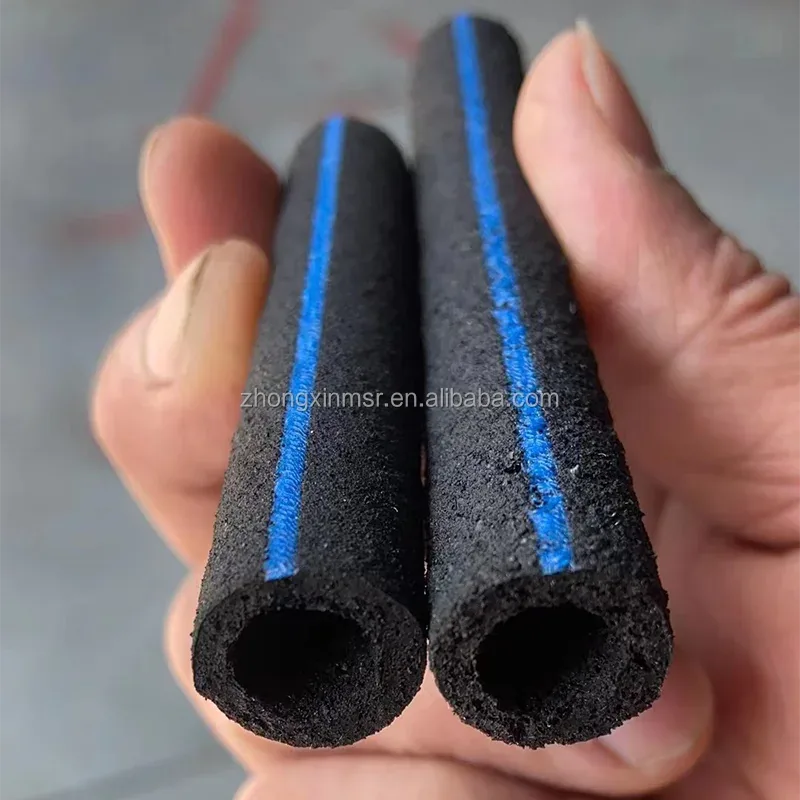
The microporous aeration tube is covered with ultra-fine pore channels over its whole surface. The material is hydrophobic, so its affinity with the water film is small: when the water is aerated, bubbles escape around the tube wall because the water-pressure difference is small. The contact surface between air and water is enormous, the bubbles float slowly, the water is gently disturbed, and the gas-liquid circulation moves and contacts for a long time - so oxygen transfer and renewal efficiency is exceptionally high. The anti-bacterial type does not clog the microporous aeration tube, resistance does not build up over time, and it keeps low energy consumption with highly efficient oxygen dissolving.
2. Aerates the whole water body.
When microporous bottom aeration is running, the mass of micro-bubbles turns the surrounding water into a slowly rising buoyant current, and the oxygen-deficient bottom layer is brought to the surface in mushroom-shaped plumes, where it is disinfected and warmed by sunlight. As the bubbles surface, harmful gases in the water body - ammonia nitrogen and hydrogen sulphide - diffuse into the air; the enormous droplet surface of the splashing water fully contacts the air. The result is a balanced bacterial phase and a balanced algae phase.
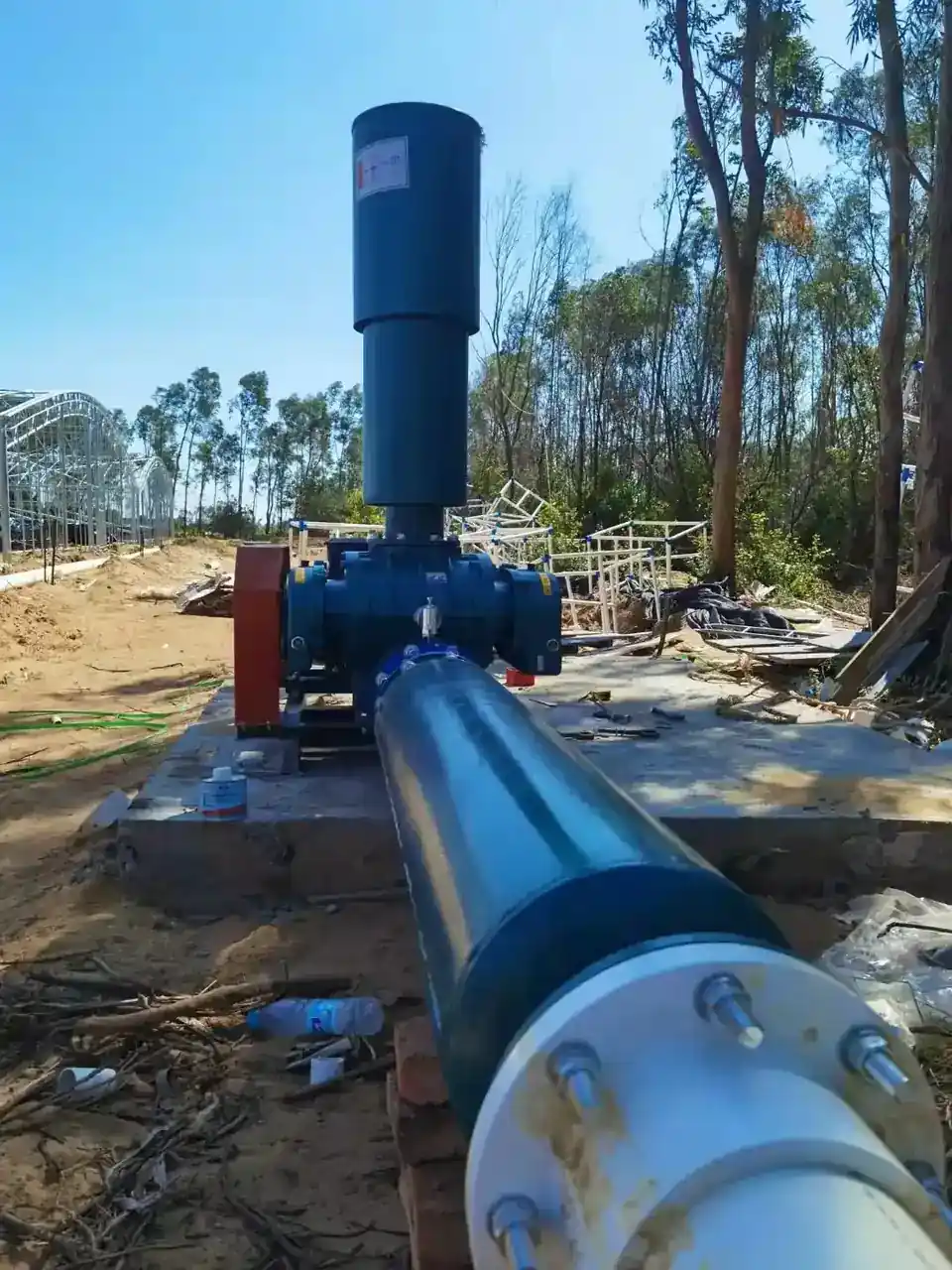
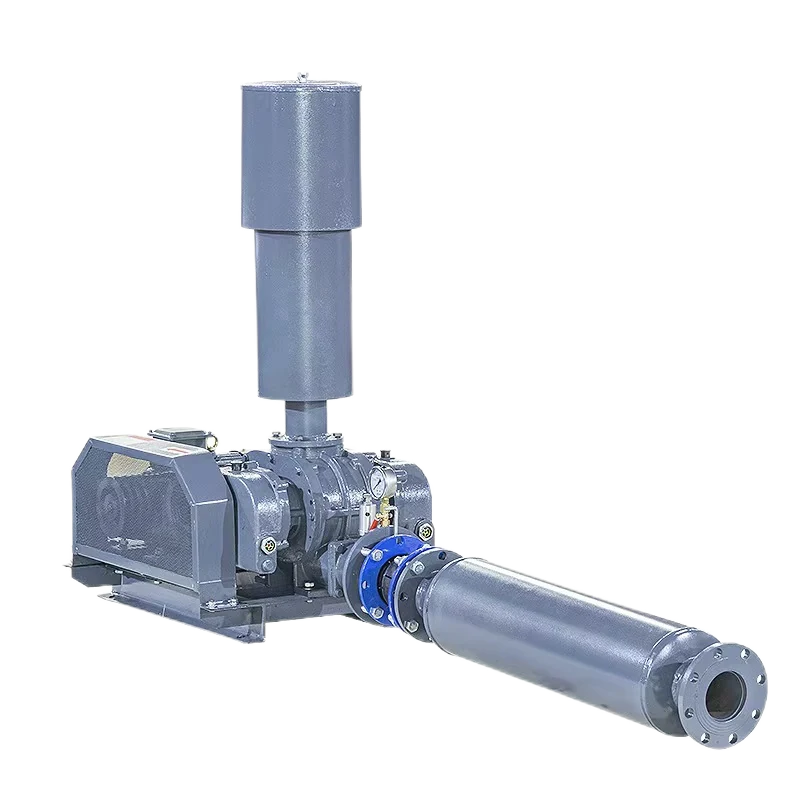
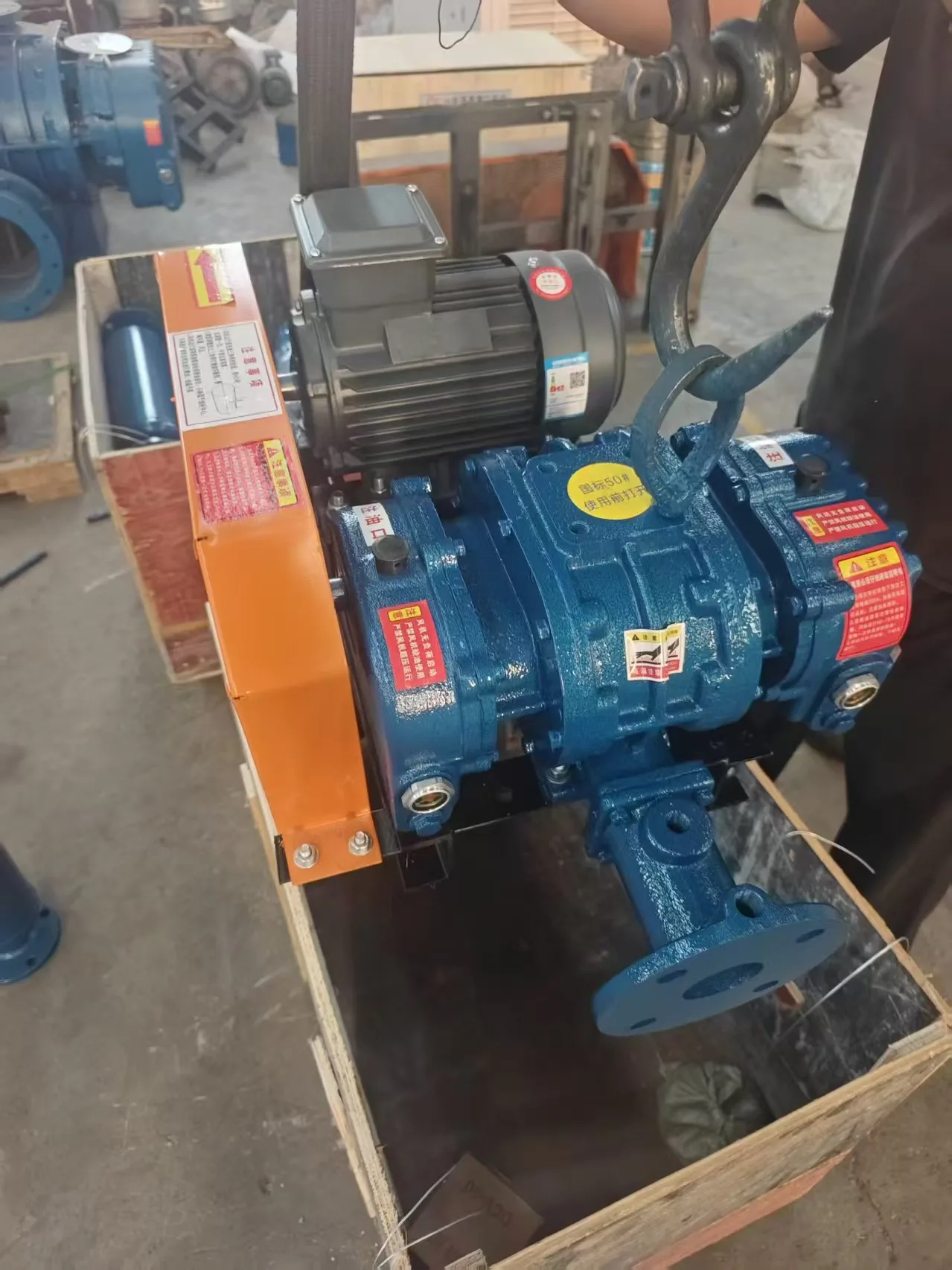
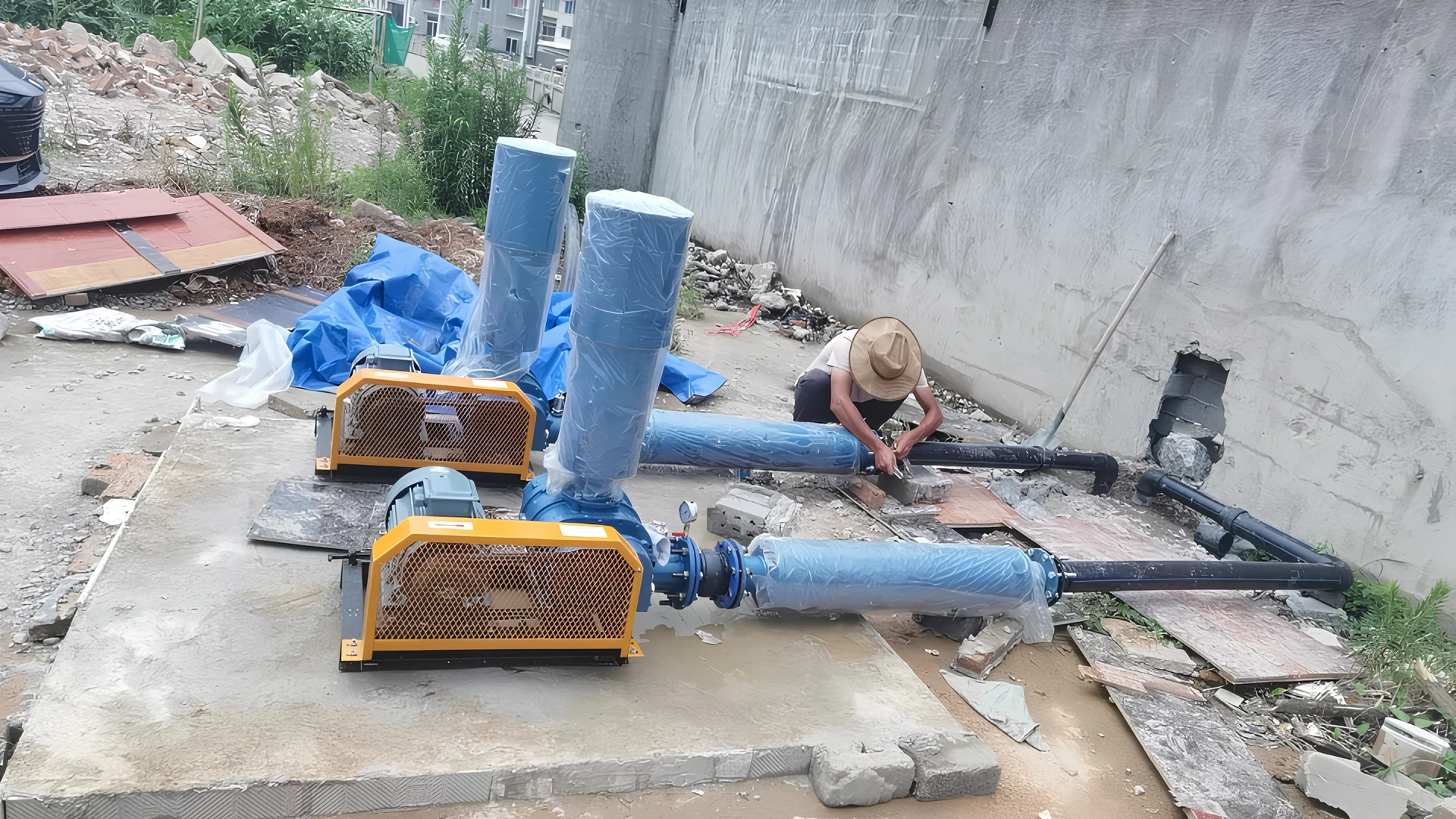
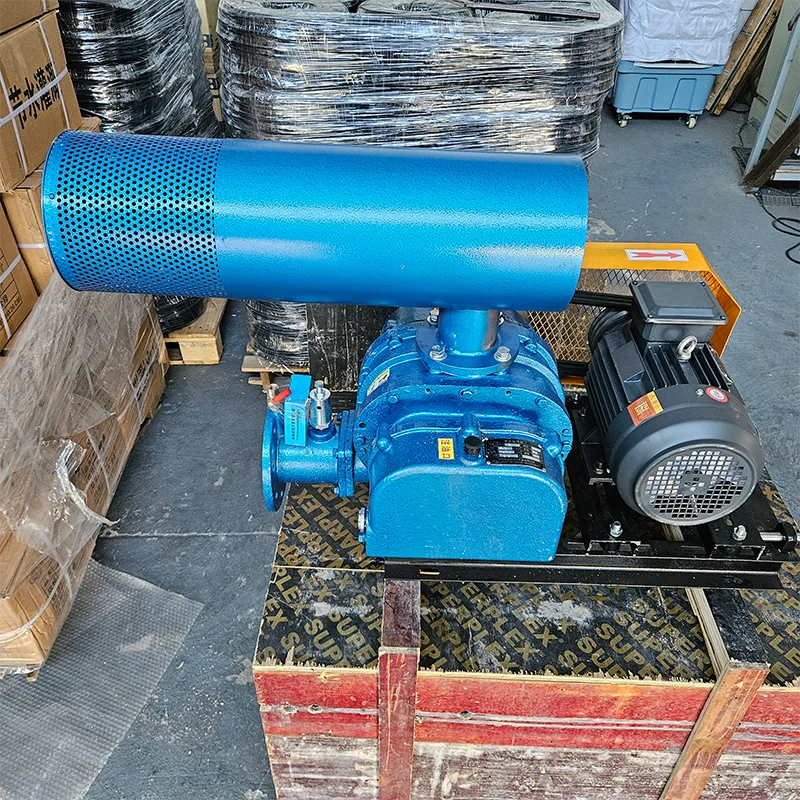
The machine itself is specified on our roots blower page.
The features listed here are on the roots aerator page.
Frequently asked questions
Q: Why does a hydrophobic membrane release such fine bubbles? A: Because its affinity with the water film is small: when the tube is aerated, bubbles escape around the tube wall where the water-pressure difference is small. That gives an enormous air-water contact surface, slowly floating bubbles and long gas-liquid contact, so oxygen transfer is very high.
Q: Does the anti-bacterial type clog over time? A: No. It does not clog the microporous tube, so resistance does not build up and energy consumption stays low while the oxygen dissolving stays efficient.
Q: How does bottom aeration reach the whole water column? A: The mass of micro-bubbles turns the surrounding water into a slowly rising buoyant current, bringing the oxygen-deficient bottom layer up in mushroom-shaped plumes, where it is aerated, disinfected and warmed by sunlight.
Q: Are harmful gases removed as a side effect? A: Yes. As the bubbles surface, ammonia nitrogen and hydrogen sulphide diffuse into the air, and the droplet surface of the splashing water contacts the air fully — which is how the bacterial phase and the algae phase both stay balanced.