The Short Answer
A galvanized canvas fish pond is a galvanized steel frame + PVC/TPO canvas liner that assembles on flat ground in 1–2 days, holds water without concrete, and suits high-density farming of tilapia, catfish, and ornamental fish. Pair it with bottom aeration (microporous tubing + roots blower) because high stocking densities make dissolved oxygen the limiting factor. Common sizes range from small 10 m³ nursery tanks to ponds of several hundred cubic metres.
---
What Is a Galvanized Canvas Fish Pond?
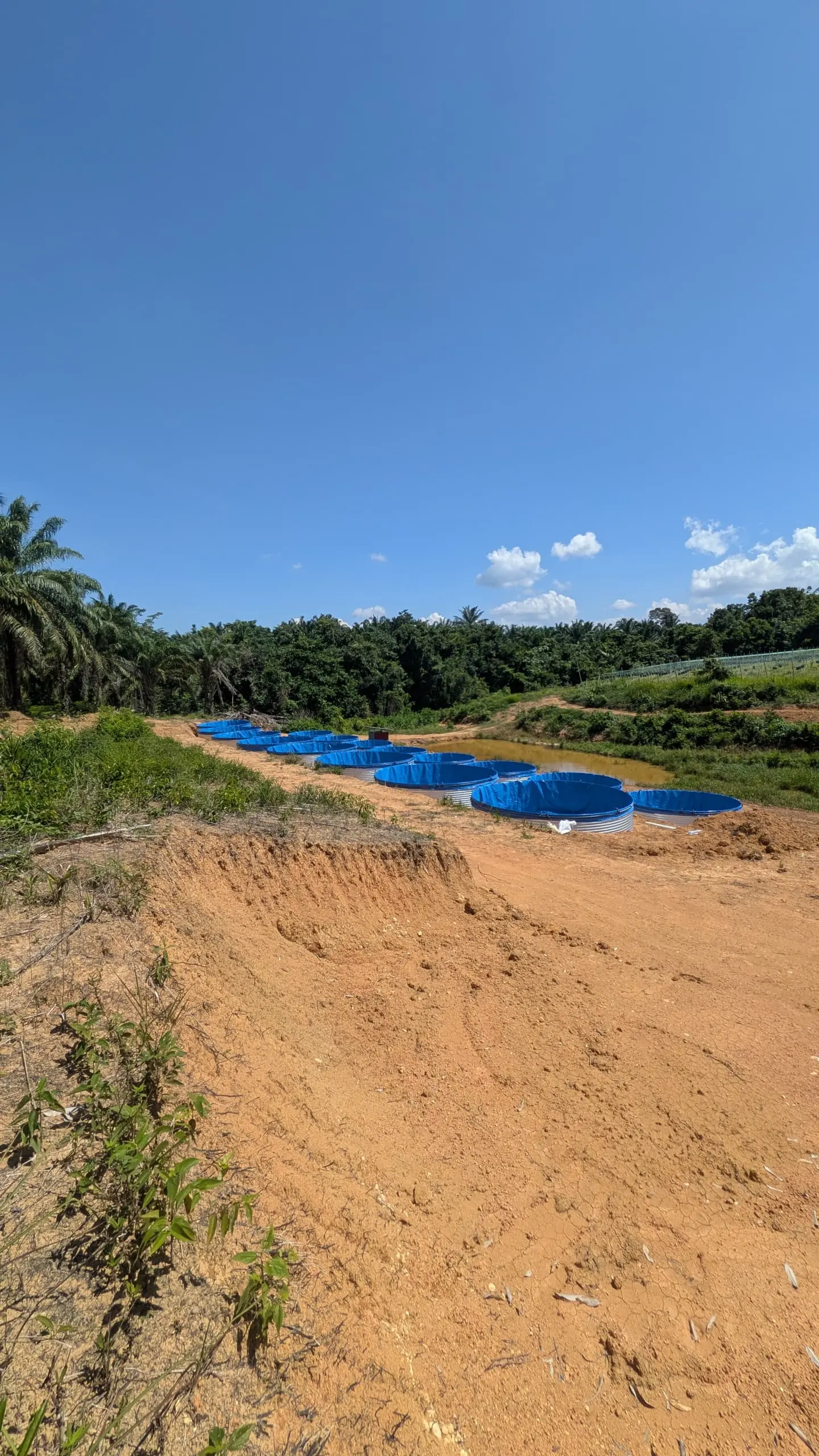
A galvanized canvas fish pond is a circular tank: 1 mm hot-dip galvanised steel strip pressed into a wave profile, lined with a knife-cut PVC canvas that is waterproof, sun-resistant and corrosion-resistant. The circular support spreads water pressure evenly rather than concentrating it on flat sides, and a blowdown bucket rotates the pool for cleaning.
---
Why Canvas Ponds Are Growing in Popularity
- No civil engineering — no concrete, no earthworks; assemble on level ground.
- Relocatable — disassemble, move, reassemble; ideal for rented land or seasonal operations.
- Full water control — you control depth, water quality, and drainage completely.
- High-density potential — with proper aeration, stocking density per m³ is far higher than open earthen ponds.
- Predator and escape control — fish cannot escape; birds and predators are excluded.
The trade-offs: higher equipment dependence (aeration is mandatory at high density), water treatment needed at very high densities, and canvas/steel requires care to avoid punctures and corrosion.
---
Benefits and Advantages
No excavation is needed — the tank assembles above ground, so rain, flood water and sediment cannot wash in. Each pool is independent: a leak is contained and repaired with glue and a canvas patch rather than rebuilt. Build cost is lower than a brick or mud pond, and galvanising outlasts paint: over 50 years in suburban air, about 20 years in coastal air.
Factory and Greenhouse Mode
In factory and greenhouse installations the tank is the production unit: a 6–10 m diameter pool fits into spare floor space, and the water body is artificially controllable, so stocking density is high. Growers report about 80 kg of fish per cubic metre, and 100–120 kg per m³ where water exchange, aeration and feeding are tightly managed. It can double as an orchard or hillside irrigation reservoir.
---
Setup Checklist
1. Site preparation
- Level, compacted ground, free of sharp stones.
- Drainage channel around the pond for overflow and wash-down.
- Access for the blower and power supply (single-phase 220V or three-phase 380V).
2. Assembly
- Erect the galvanized steel frame per the supplier's layout; check all bolts are torqued.
- Lay the canvas liner inside, smooth out wrinkles, and fix the top edge.
- Fill slowly while checking for leaks; allow the liner to settle.
3. Aeration (the critical part)
At high density, aeration is not optional:
| Stocking approach | Aeration recommendation |
|---|---|
| Low density (< 5 kg/m³) | Air stone or small aerator; water exchange |
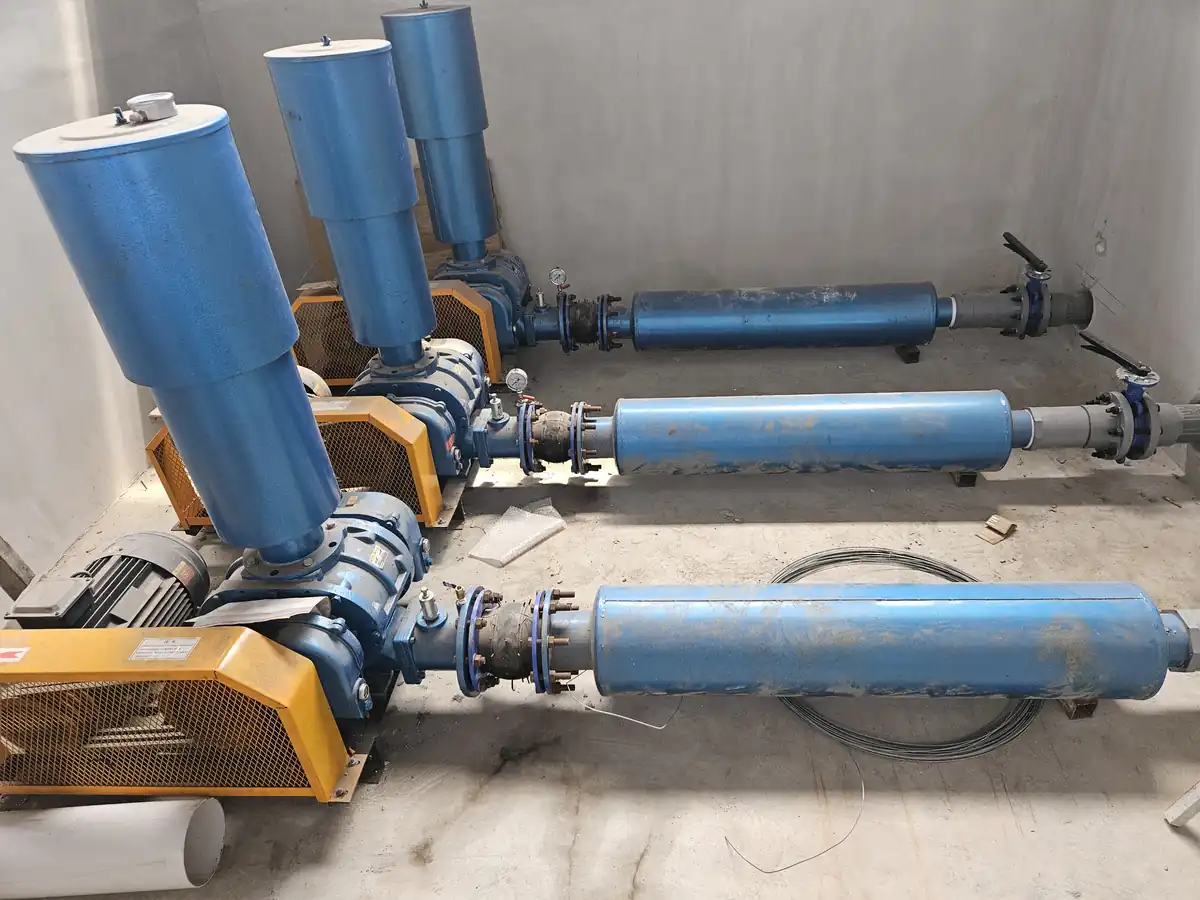
| Medium density (5–15 kg/m³) | Microporous tubing lines + small roots blower |
| High density (15–40 kg/m³) | Full bottom aeration system + backup blower + daily water exchange |
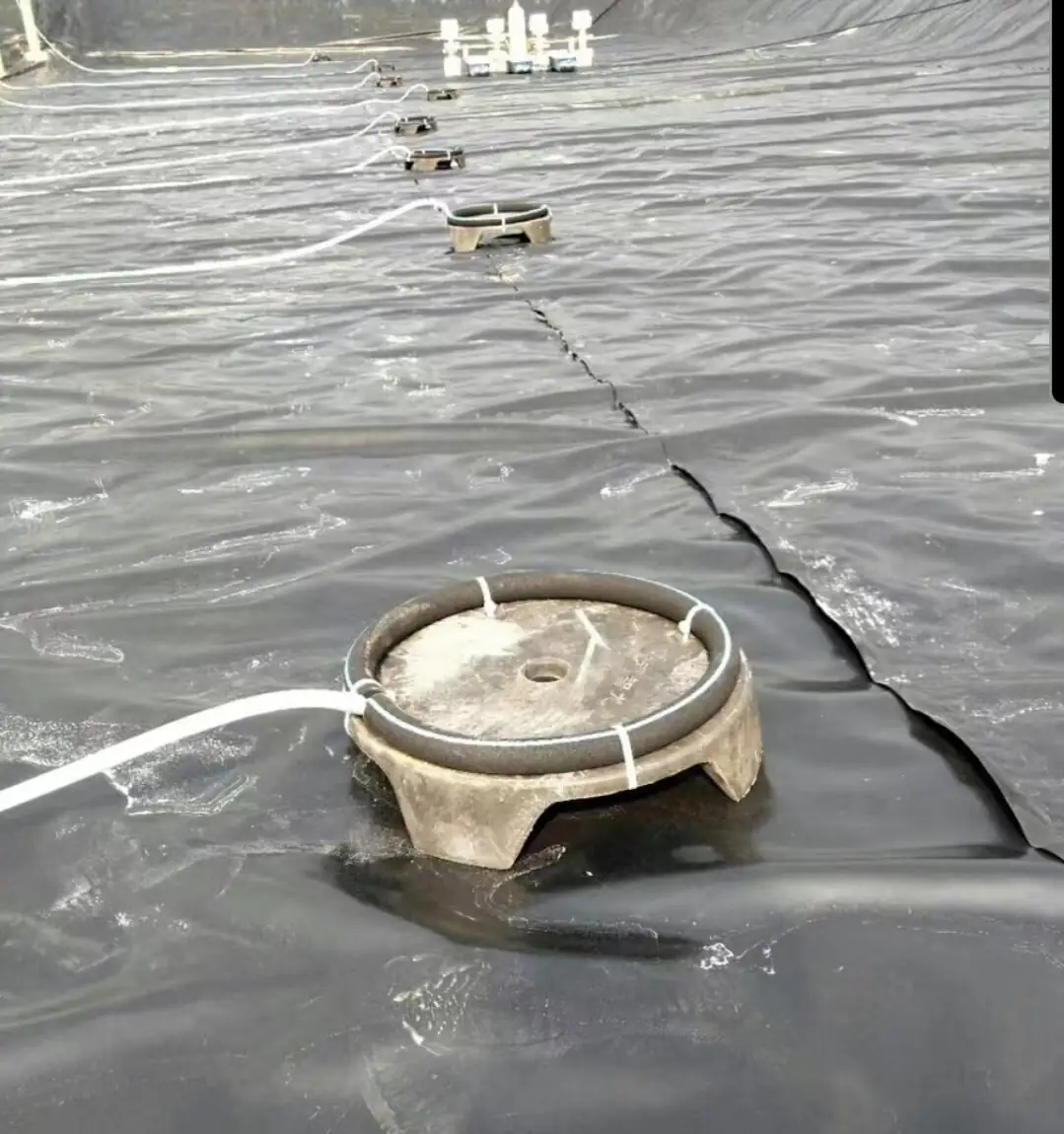
Rule of thumb for canvas ponds: 1 kW of blower per 100–150 m of microporous tubing, tubing lines 3–5 m apart, 10–20 cm off the bottom.
4. Water quality management
- Daily DO check (target 4–6 mg/L for most species).
- Remove sludge weekly from the drain sump.
- Monitor ammonia and nitrite at high density—plan biofilter or water exchange accordingly.
---
Typical Layout
[Blower on shore, sheltered]
        │ main pipe
        ▼
[Manifold + valves] → branch lines
        ├── tube line 1 ──────────┐
        ├── tube line 2 ──────────┤  (parallel lines, 3–5 m apart,
        └── tube line 3 ──────────┘   10–20 cm above bottom)
[Central drain] → sump → discharge
---
Frequently Asked Questions
Q: How long does a galvanized canvas pond last?
A: With proper care (no sharp objects, UV protection on the liner edge, rust touch-up on the frame), 5–10 years is realistic. The liner is the main wear item and is replaceable.
Q: What species are best for canvas ponds?
A: Tilapia, catfish, and ornamental fish are most common. Shrimp are farmed in canvas-lined ponds in some regions, but water quality management is more demanding.
Q: Do I really need aeration in a canvas pond?
A: At high stocking density, yes—without bottom aeration, DO crashes at night and after feeding. This is the #1 cause of losses in canvas pond farming.
Q: Can I use a canvas pond in winter?
A: In cold regions, canvas ponds are typically drained and stored for winter, or used indoors with heating. The structure itself is not frost-proof when filled.
Q: How do I clean between batches?
A: Drain fully, wash the liner with fresh water, disinfect per your biosecurity plan, rinse, and refill. Inspect the liner for punctures before refilling.
Q: What's the cost vs. a concrete pond?
A: Initial cost is typically lower and assembly is days not months, but you should budget for liner replacement and continuous aeration power. Compare total cost over 5 years, not just purchase price.
---
The Bottom Line
Galvanized canvas ponds turn flat land into high-density fish production in days, but they only deliver results when aeration and water quality management are designed in from day one. Budget for the complete system—pond, bottom aeration, and backup—not just the tank.
Zhongxin Machinery supplies galvanized canvas fish ponds together with matched aeration systems (roots blowers, microporous tubing, manifolds), so you can buy the pond and the oxygen infrastructure as one package. Send us your target volume and species—we will size the pond, aeration, and blower together.
---
Explore galvanized canvas fish ponds →
References: FAO aquaculture guidelines on pond aeration; University of Florida IFAS extension notes on dissolved oxygen management; SRAC publications on aeration for aquaculture ponds; Global Seafood Alliance shrimp farming resources; scientific reviews on diffused aeration efficiency.