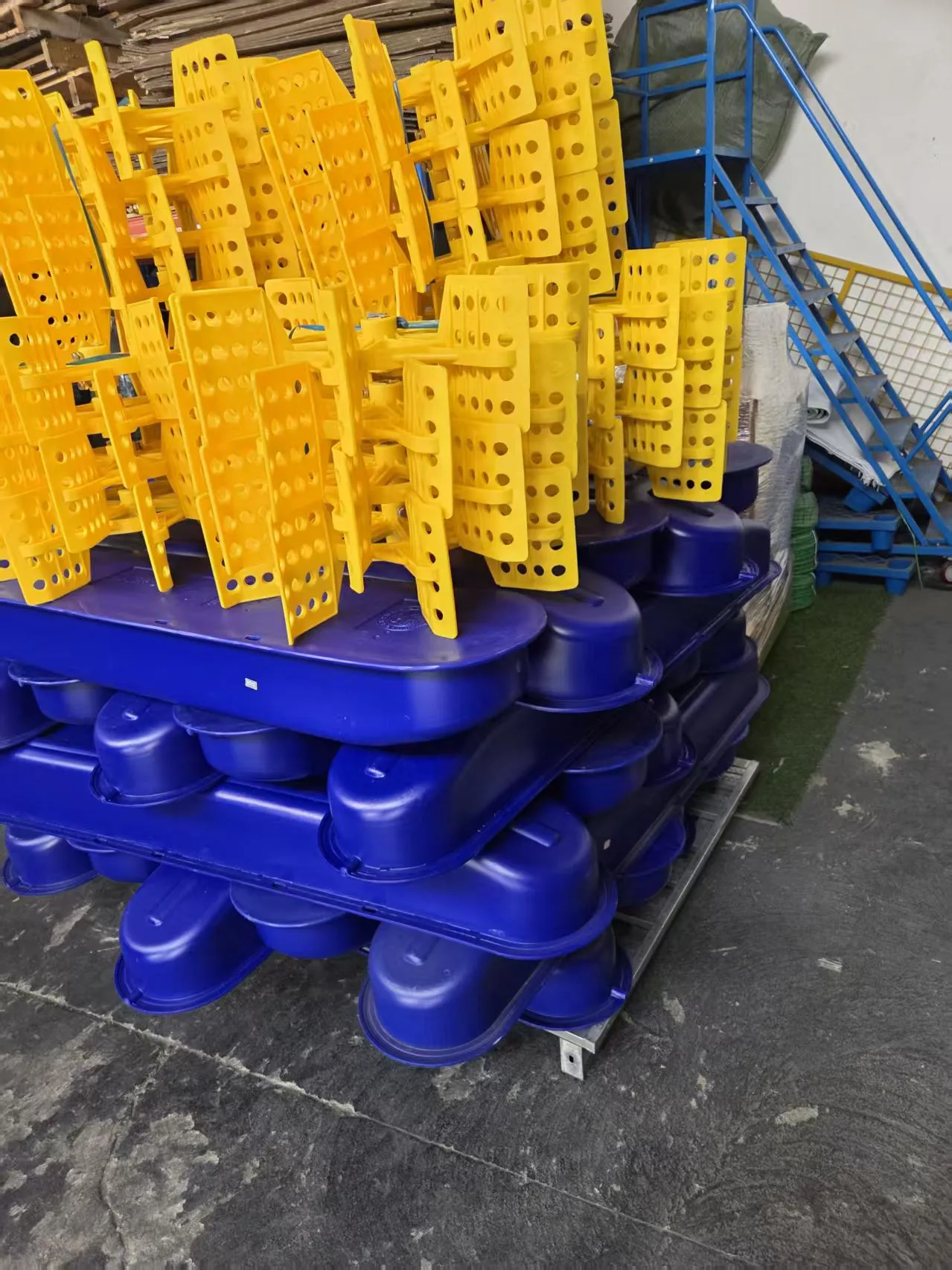
High-density tanks inside a Chongming greenhouse
Smart temperature control, biological water purification, species-separated farming… at an aquaculture cooperative in Xinhe Town, you will not only see rare speciality aquatic species, but a new farming model that protects product quality.
Nine tanks in one greenhouse
Inside the greenhouse of the Shanghai Yinhe Aquaculture Cooperative, nine large tanks stand in a row, each holding a different species of fry. According to the manager, Wei Junliang, the farm is currently fattening American shad and Murray cod fry — each tank holds more than 2,000 fish.
Acclimatising imported fry
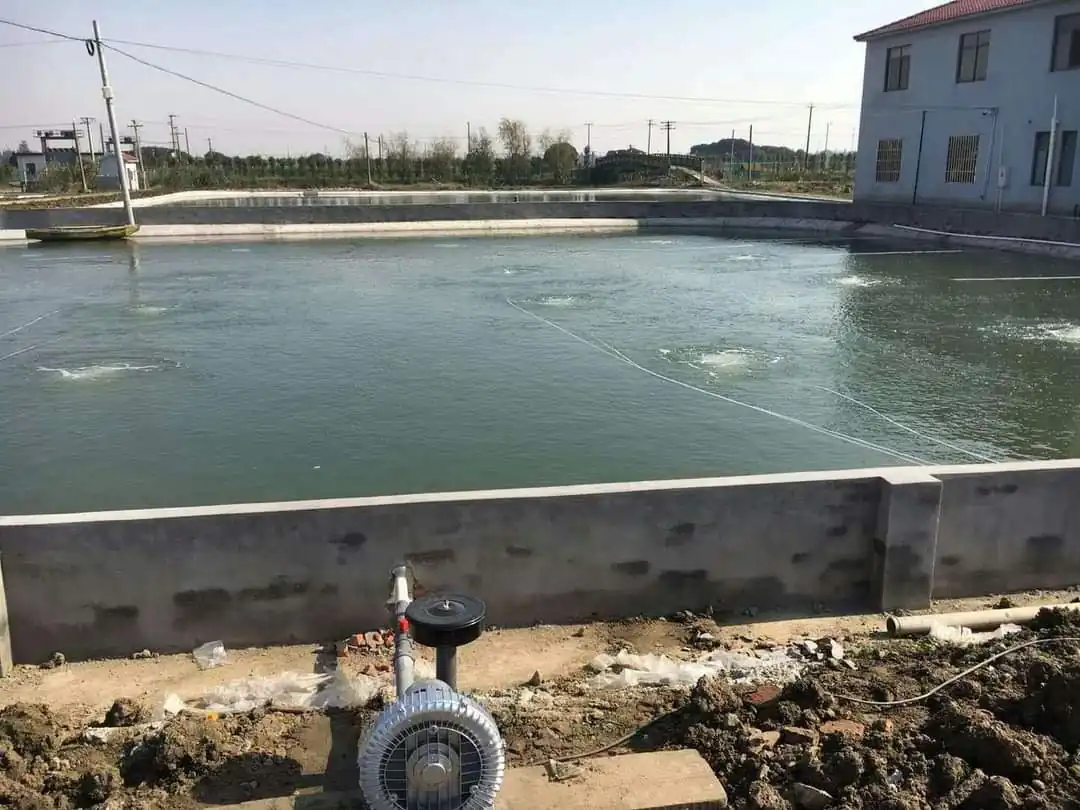
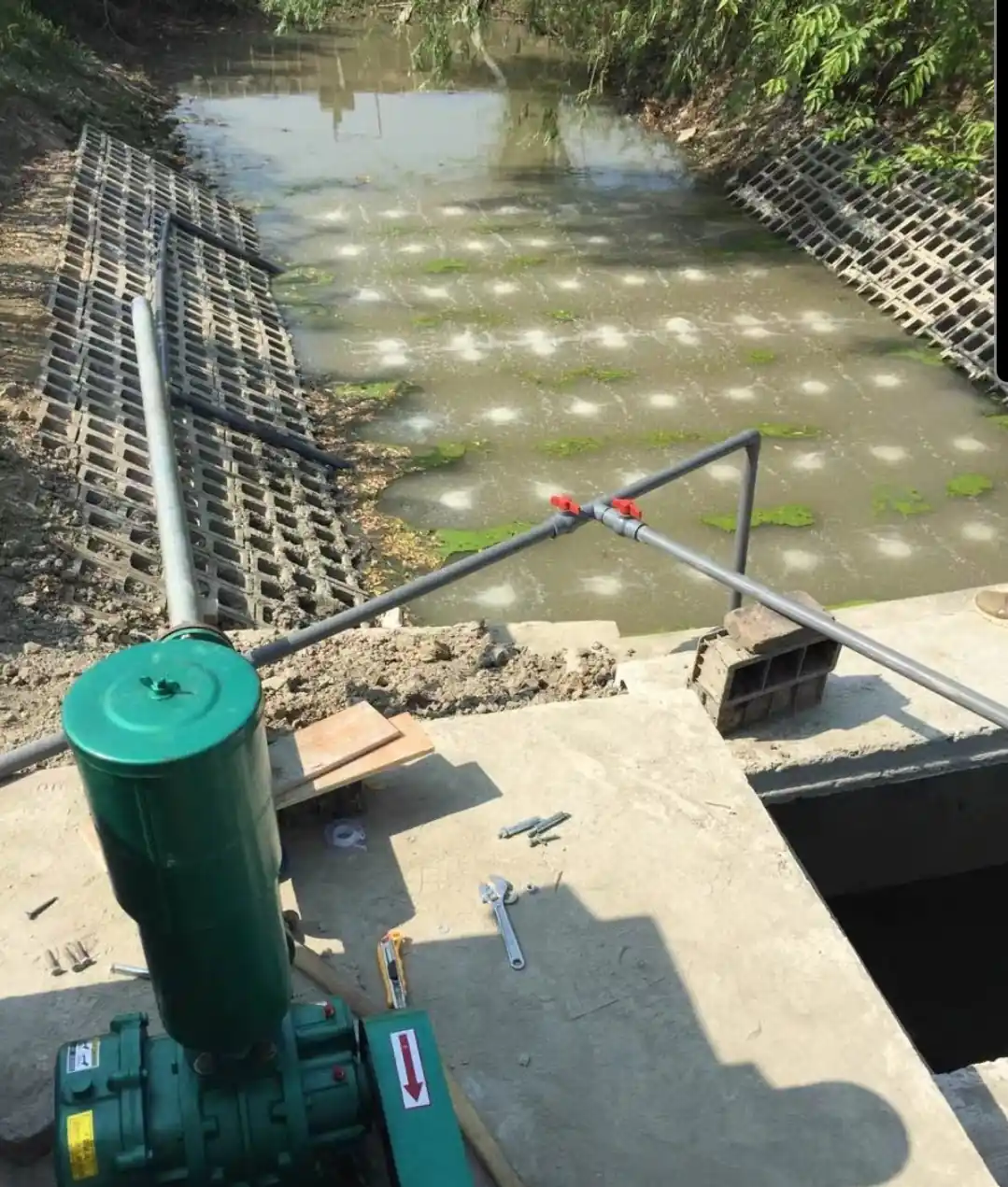
To help these imported fry adapt to Chongming's environment, the high-density tanks are fitted with professional water-purification units that save water while providing a safe, healthy growing environment. The base also uses a smart temperature-control system to keep each species at its ideal temperature — American shad prefers 22–28 °C, while Murray cod prefers 21–24 °C.
"
Why the fry stay in tanks
Keeping fry in tanks gives a relatively controllable environment," Wei explains. "Once the fish reach a larger size we move them outdoors, where the conditions match what they need."
The biofloc shrimp trial
Alongside these freshwater fish, the cooperative is running a "biofloc" shrimp trial with the Shanghai Fisheries Research Institute and Shanghai Ocean University. Chen Xin, a graduate student from Shanghai Ocean University, is interning there on the project: "The heterotrophic bacteria in the biofloc consume shrimp waste and leftover feed, and the shrimp can also eat them. It reduces water pollution and waste, and the water quality stays very stable."
Clear-shell crab ponds outside the greenhouse
Outside the greenhouse, the crab ponds raise Chongming's native clear-shell crab. Unlike traditional farming, the male and female crabs are kept separately — in mixed culture, seed sizes differ (males are generally larger), and during moulting the crabs attack each other, with females suffering higher mortality. Separating the sexes reduces cross-size aggression and raises survival.
Vallisneria: the weed that purifies water
The pond weed "whorled-leaf naiad" (Vallisneria) in the crab ponds is another new introduction this year. After surviving 49 extreme-heat days last summer, the weed is growing well and gives crabs a hiding place during moulting — greatly improving moult survival.
"Pull out a handful of this weed and the crabs love it — it purifies the water and has a slightly sweet taste. Crabs raised on it have green shells and white bellies, with fine flesh; the largest reach about 400 grams," says a staff member.
Bringing the crop to market
The farm's products will come to market around October, and the cooperative plans to build on green farming standards with information technology, automation and progressive mechanization.