Everyone in the fishery industry knows: to raise fish, first raise the water. The best aquaculture method is one that can achieve recirculating water farming. Recirculating aquaculture reduces dependence on the surrounding water environment, lowers wastewater discharge during farming, improves survival rate, reduces farming risk, raises yield and quality, and realizes green farming. It is of great significance for the healthy and sustainable development of the aquaculture industry, and its market prospects are very broad.
Traditional fishery water treatment technology is low-level and the equipment is simple; most systems only go through simple sedimentation - filtration - air flotation - disinfection, with no efficient biochemical treatment, cannot achieve recirculating farming, and lack detoxification treatment for small-molecule toxic compounds such as pesticides and herbicides in the raw water. This is an important factor limiting the sustainable development of China's aquaculture industry.
The traditional domestic farming methods for sea bass include: 1) offshore cage culture, 2) freshwater pond monoculture, and 3) brackish-water pond monoculture. These methods have exposed many drawbacks: severely limited site selection, large investment, high risk, low yield, and farming technology that is hard to improve.
Closed recirculating high-density sea bass farming is very demanding. Based on the fish's strong disease resistance and fast growth, and using the advantages of the canvas tank aquaculture system, special feed formulation, microbial preparations and advanced farming concepts and management technology, the whole process achieves closed-loop zero discharge and no pollution, finally reaching stable and efficient output.
Preparation before stocking sea bass fry
First, set up and plan the canvas tank recirculating aquaculture system properly; second, select fry correctly - body length above 3 cm, uniform size, clear back color, strong activity - and choose sunny weather; third, stock the fry on a day with good weather.
Daily management
Daily management during sea bass farming is also very important: feeding technique control, water-quality regulation inside the farming tanks, daily inspection and measurement, sewage treatment, and so on. In addition, disease prevention and control deserve special attention, following the principle of "prevention first, combination of prevention and treatment, prevention over treatment". Three basic points must be achieved:
1. Parasitic diseases
generally treated with Chinese herbal bath combined with oral administration; for example, Trichodina disease is treated with compound Kushen powder applied externally plus mixed into feed orally.
2. Bacterial diseases
generally treated with Chinese herbal oral administration combined with body-surface disinfection; for example, bacterial enteritis is treated by mixing 5% Sanhuang powder into feed for a week, plus external disinfection with 10% PVP-I so the effective iodine concentration reaches 0.3-0.5 ppm.
3. Fungal infections
generally treated with body-surface disinfection plus oral administration; for example, saprolegniasis (water mold) is treated by spreading 10% acetylsalicylic acid over the whole pond and mixing 5% electrolytic multivitamins into feed orally.
Water environmental pollution is currently the most serious challenge facing China's aquaculture: deteriorating water quality raises farming cost, lowers success rate, increases risk and reduces profit. Environmental hormones enter fishery waters through sewage discharge, waste dumping, seepage and runoff, clearly affecting the fishery ecological environment and product quality, and their potential threat is growing.
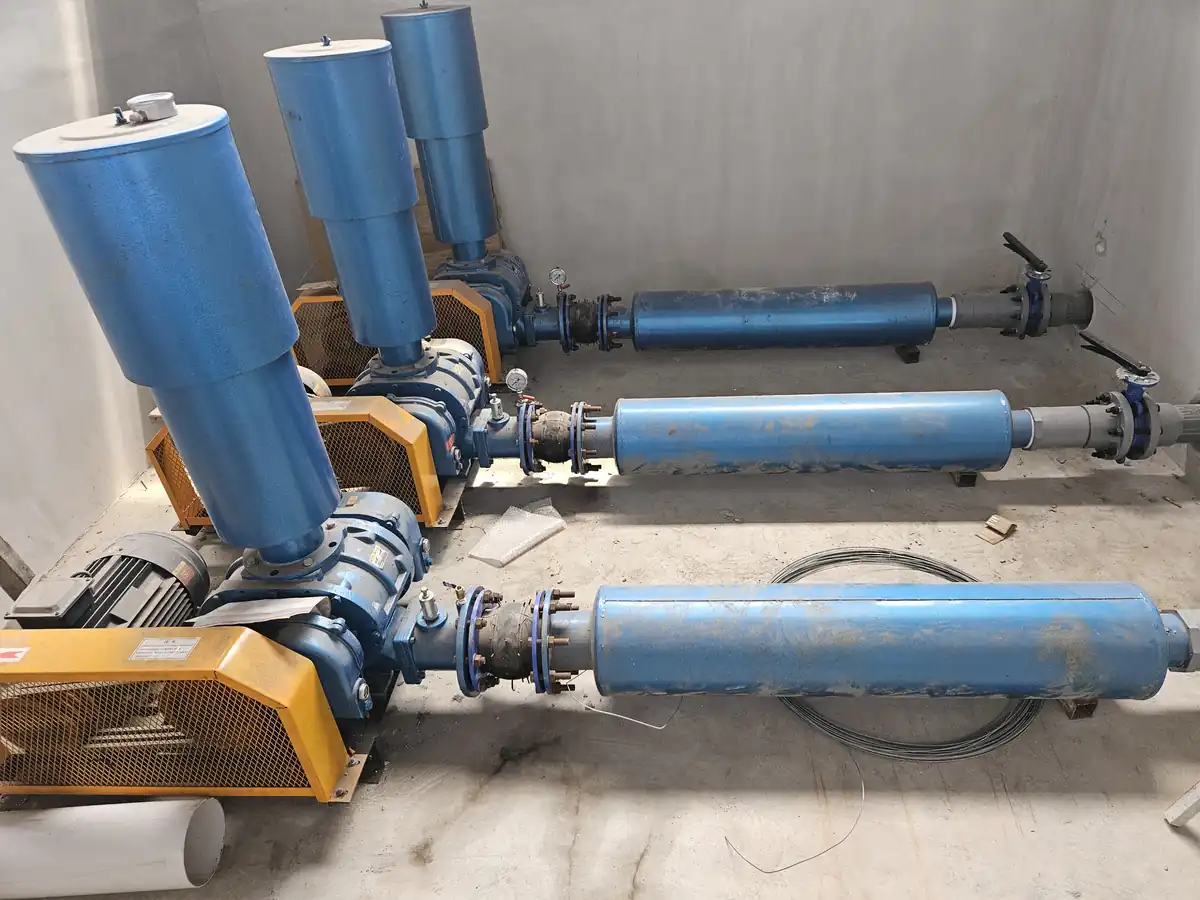
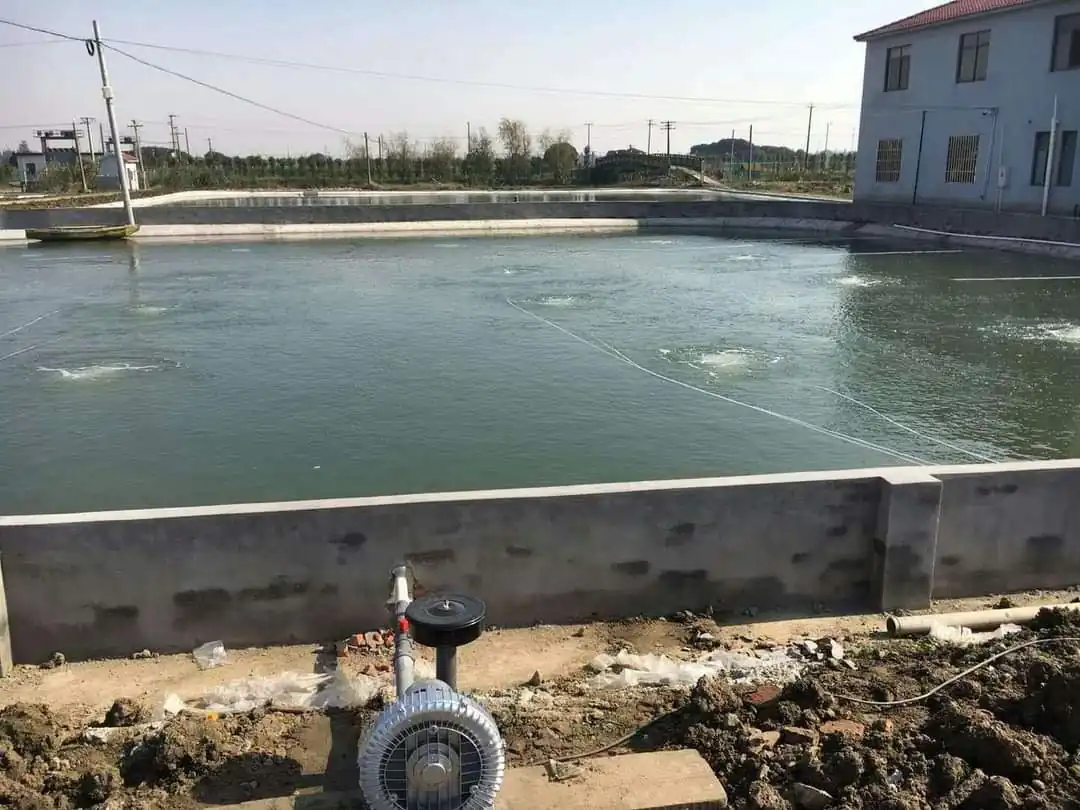
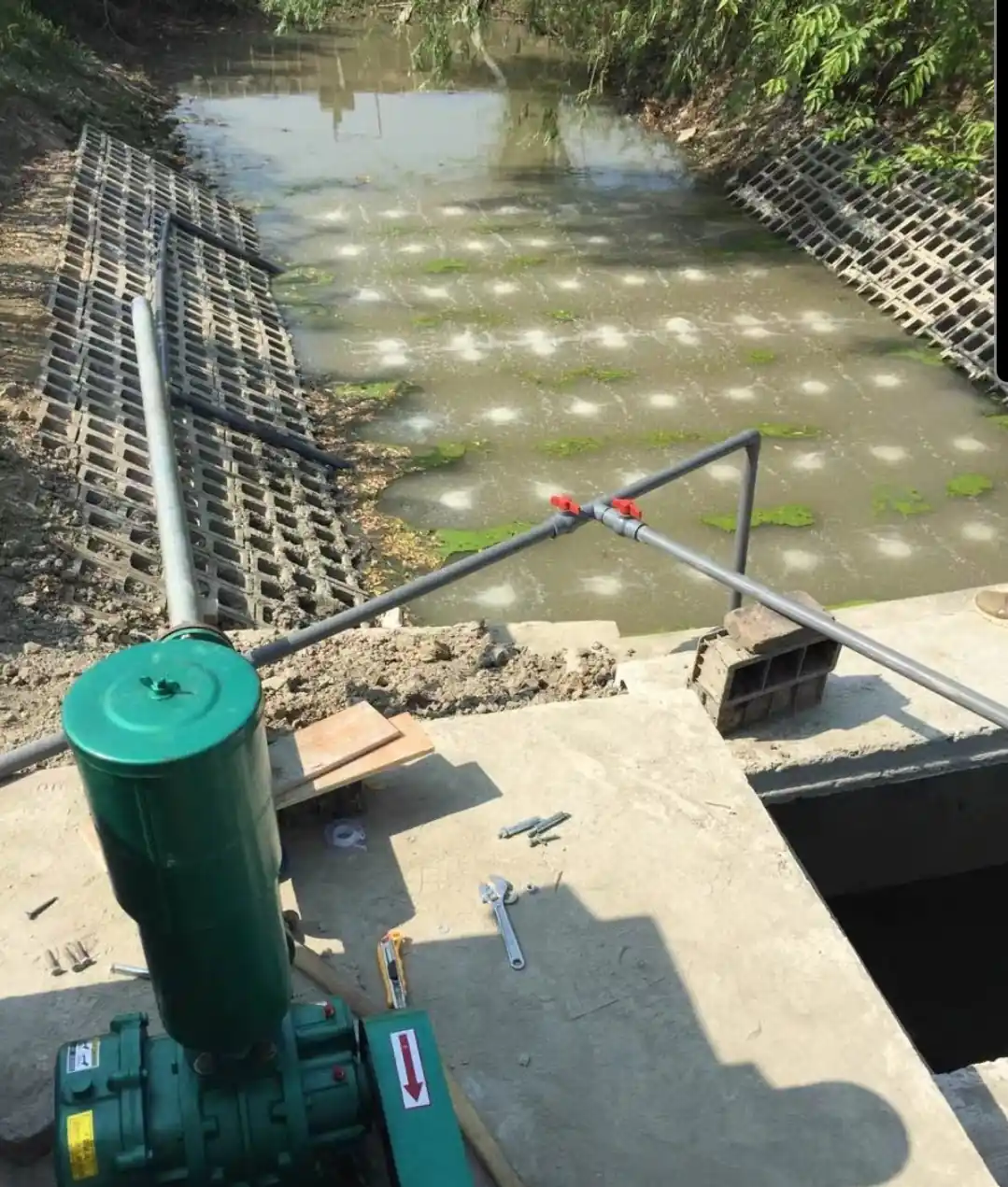
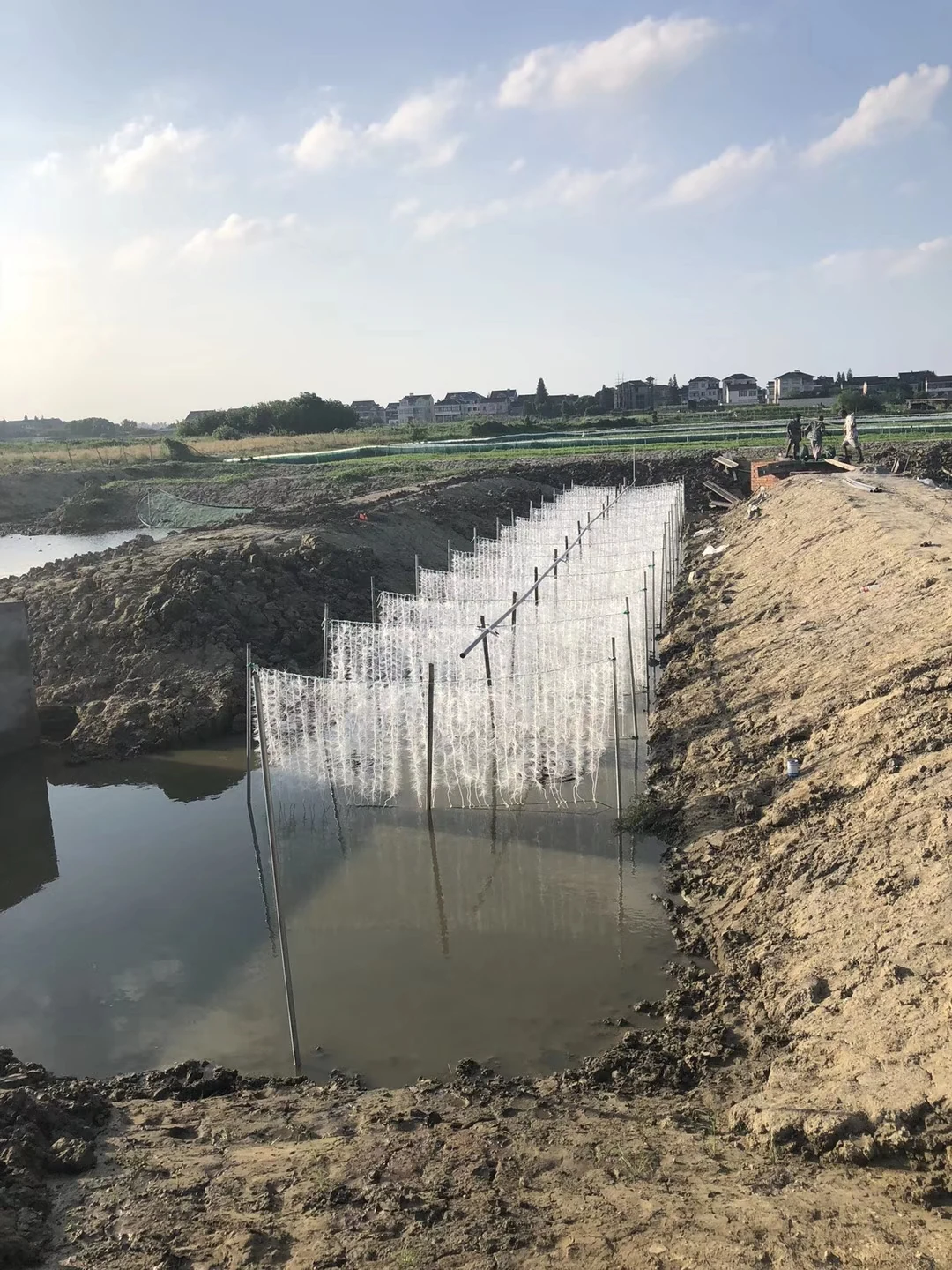
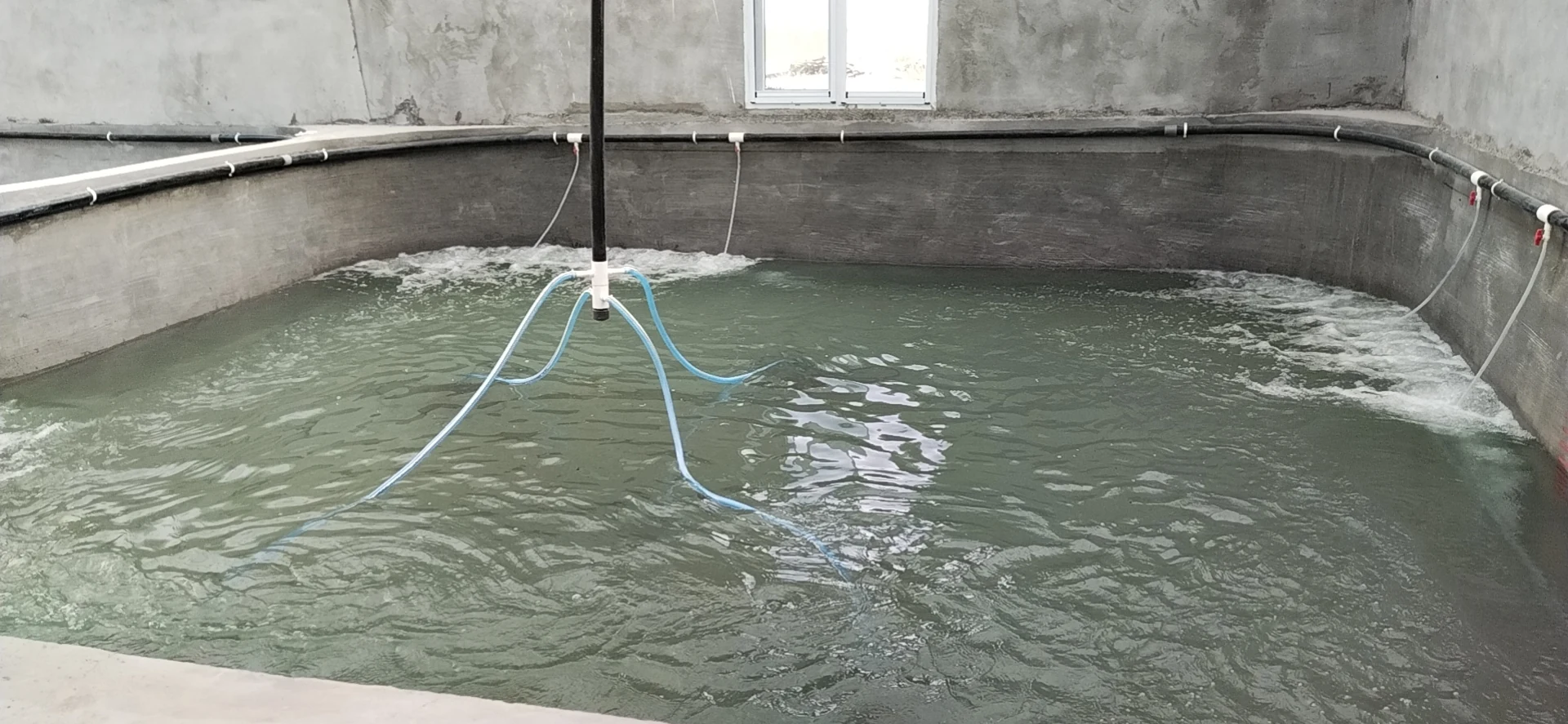
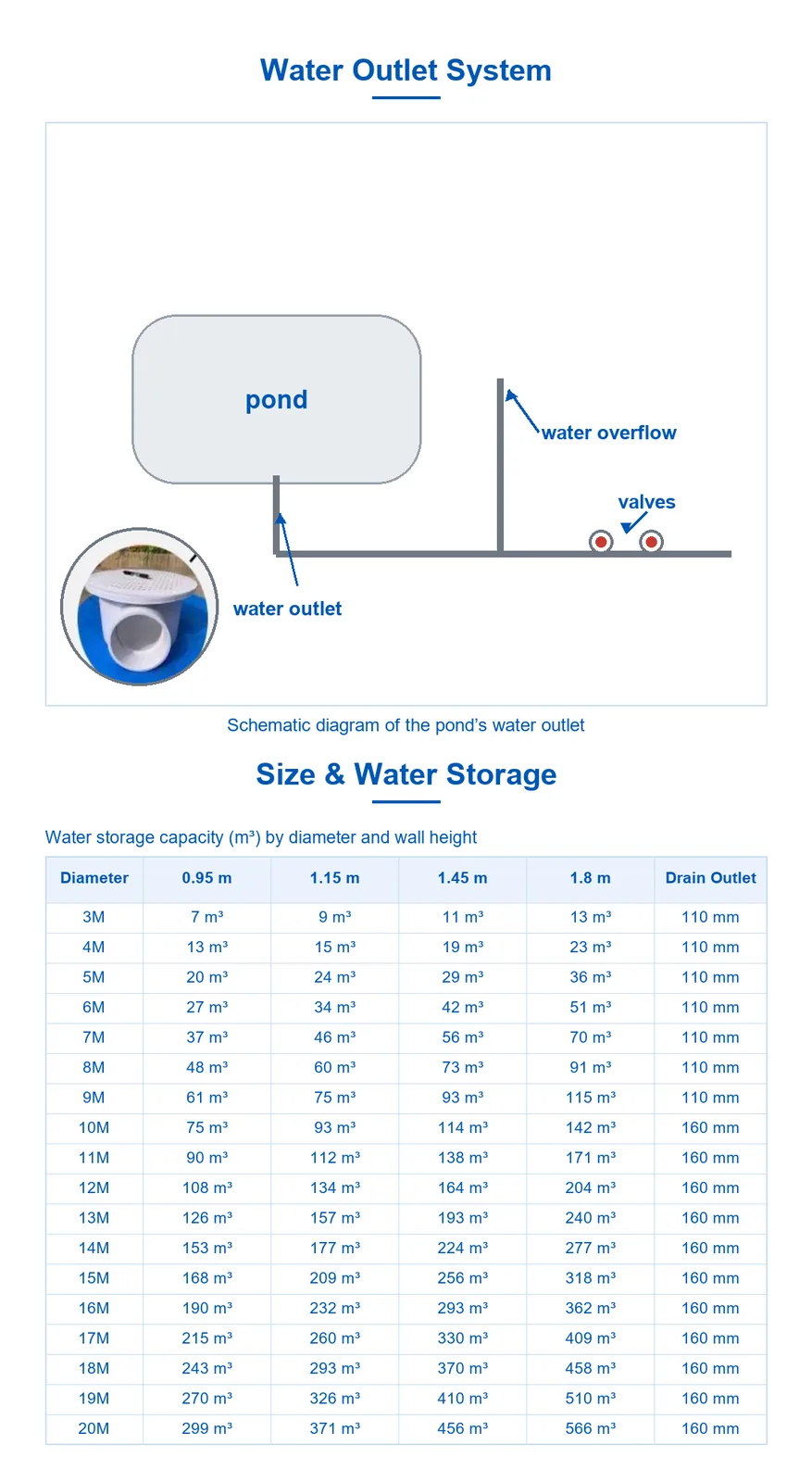
When setting up and planning the sea bass farming system, a canvas tank recirculating aquaculture system is recommended. Following the principle of microbial decomposition, use pond symbiosis and mutual benefit to jointly promote the circulation of matter and energy in the farming water, give full play to the microbial community, reduce farming discharge, make full use of water resources, reduce disease occurrence and farming cost, and promote healthy sea bass farming.