pH is a comprehensive indicator of a farming water body. It is closely linked to the carbonate-bicarbonate-CO2 buffer system and the calcium-CaCO3 solid buffer system, and partly to the organic acid and humus buffers. So pH moves with water hardness and CO2 levels. In a pond, pH usually rises from sunrise, peaks around 16:30-17:30 (sometimes near 13:00), then falls continuously to a minimum just before dawn the next day. The normal daily range is 1-2 pH units. pH that is too high, too low, or swings too much all harm aquatic life.
When pH is too low
A low pH, or a rapid fall, usually reflects deteriorating water: falling dissolved oxygen and rising hydrogen sulphide and other harmful substances. A low or rapidly falling pH reduces the oxygen-carrying capacity of the stock's blood, causing physiological hypoxia and stress; it lowers phosphate solubility, weakening plankton growth and slowing organic decomposition; and in acidic water fish are more vulnerable to parasite infections.
Remedies:
1. Drain old water and add fresh water, repeated 2-3 times, to rebalance pH.
2. Sprinkle hydrated lime (quicklime) in moderation; it adjusts pH and helps prevent disease.
3. For a very fast or large fall, use NaOH or baking soda: dilute a 1% NaOH solution (for example 1,000-fold), spray little by little and evenly, and re-measure pH to check the effect.
4. Fertilize to grow beneficial micro-algae, which regulate pH and increase buffering, preventing fast swings.
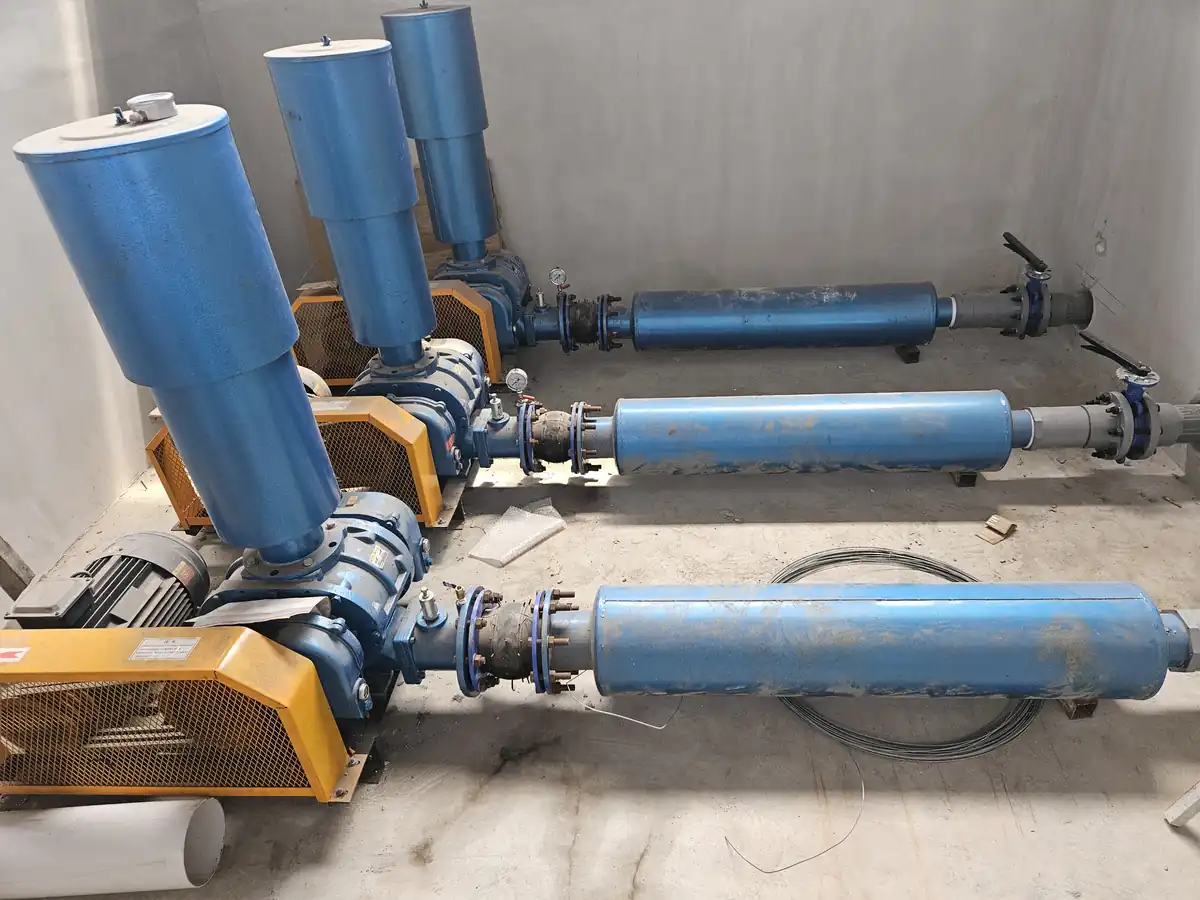
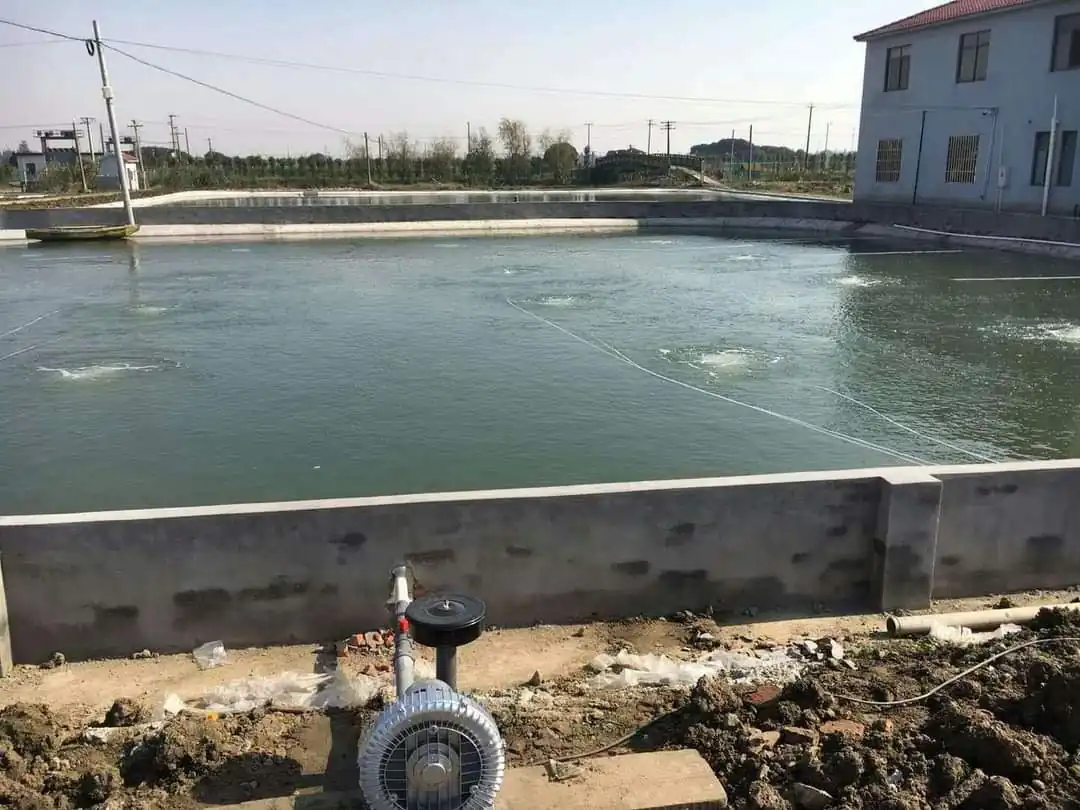
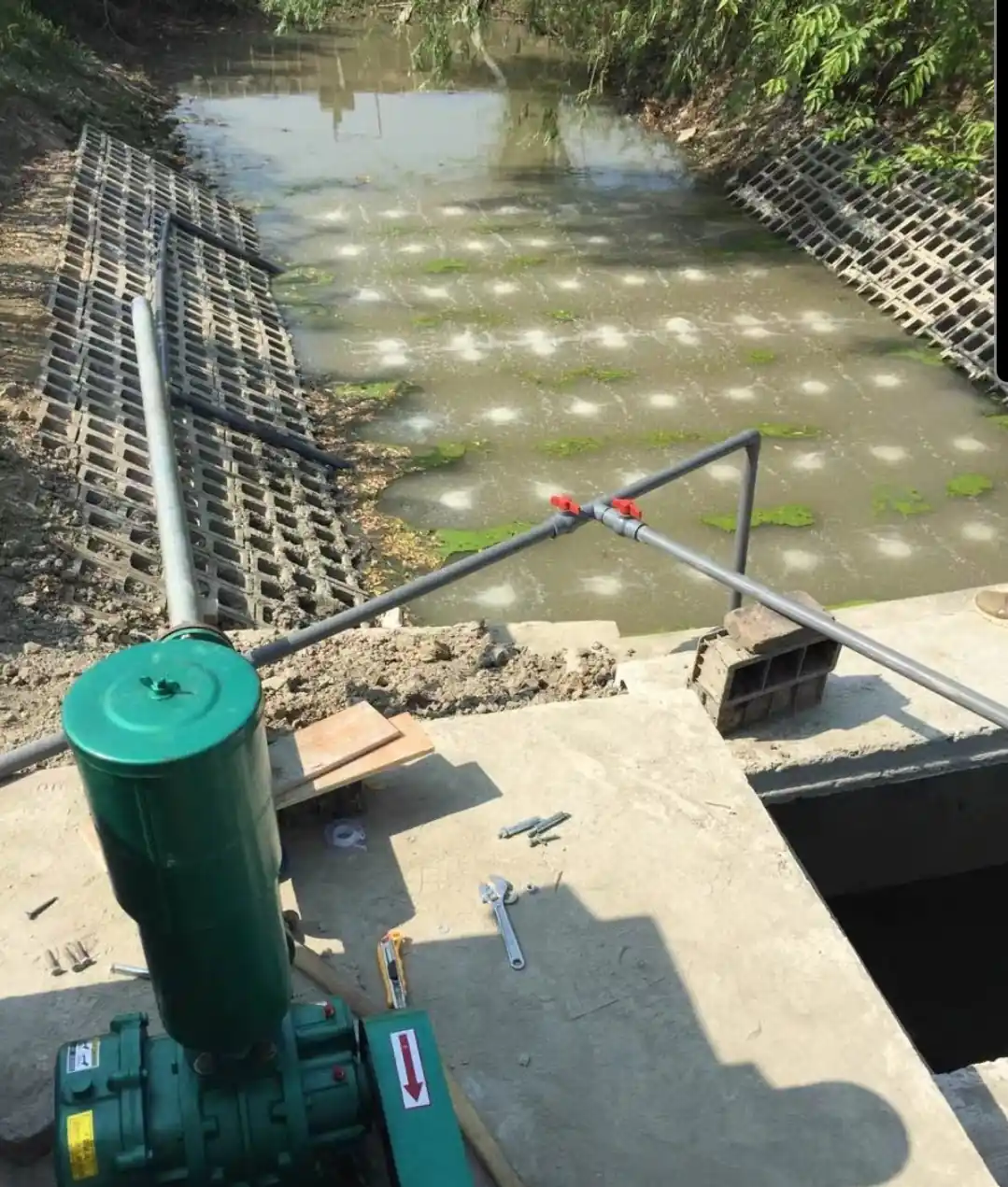
5. Aerate well, especially the bottom layer, to control production of reduced substances.
When pH is too high
A high pH, or a rapid rise, converts ammonium into molecular ammonia with sharply higher toxicity (especially above pH 10); high pH corrodes the gill tissue of fish, shrimp and crab and makes mucus coagulate (in severe cases mucus becomes stringy); alkaline water favours blue-green algae blooms; and very alkaline water forms insoluble tricalcium phosphate, slowing nutrient and energy cycling.
Remedies for high pH (for example freshwater shrimp ponds above 8.5):
1. Use talc (mainly magnesium silicate) at 1-2 kg per mu; broadcast 1.5-2.5 g/m3 over the whole pond, which lowers pH by 0.5-1.
2. Broadcast 0.5-1 kg of alum per mu over the whole pond.
3. Avoid using strongly alkaline river water when topping up.
4. Apply moderate organic fertilizer to balance the alkalinity.
5. If pH stays high for a long time, spray a 3x-strength detoxification concentrate to prevent alkali poisoning and ammonia poisoning.