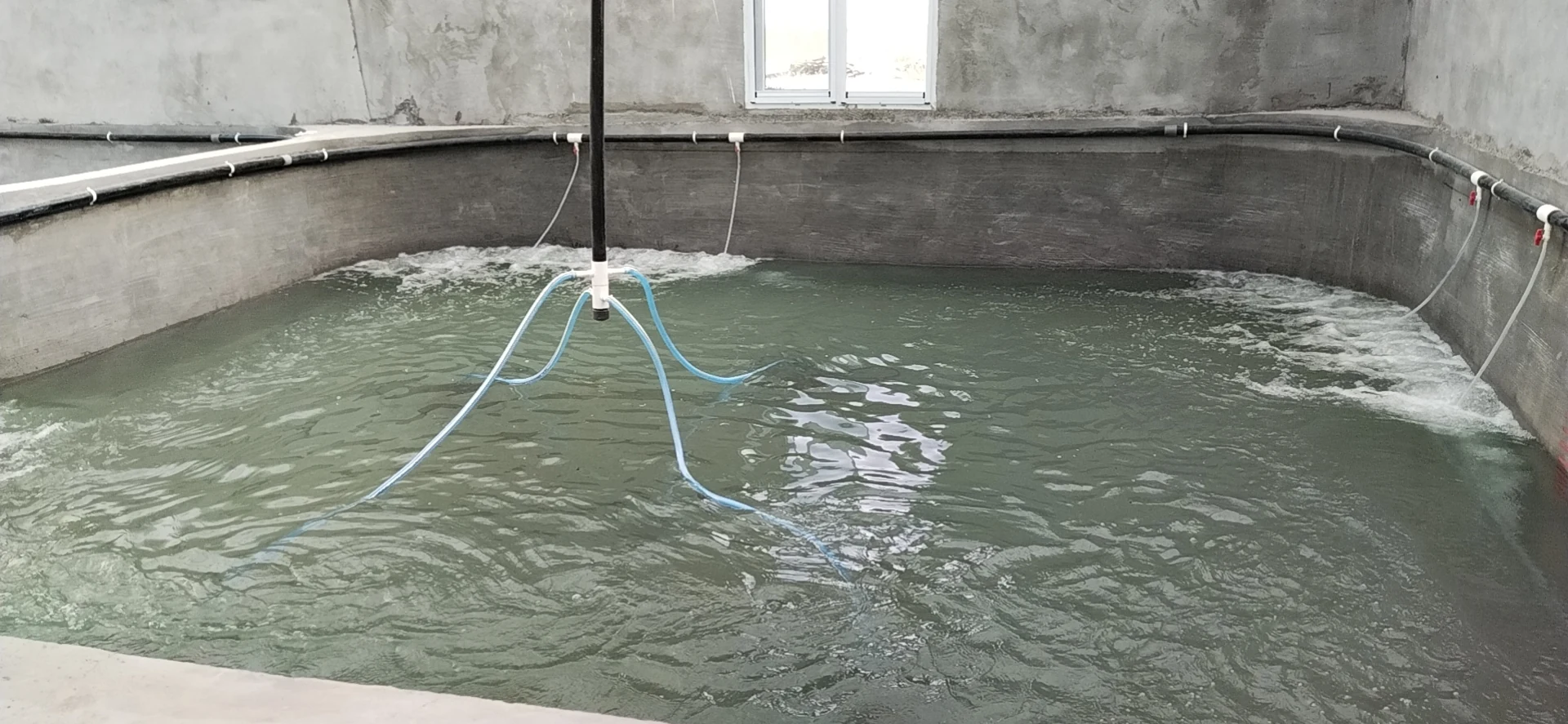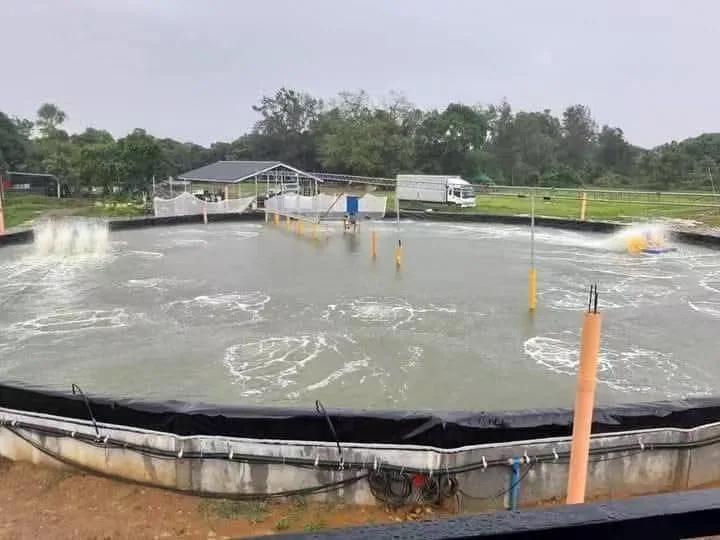
To reduce fry mortality, increase production and improve returns, farmers commonly use biological, chemical and physical methods to add oxygen to the water. In recent years, the microporous aeration tube made of high-quality synthetic rubber and compounding ingredients has proven to be an excellent way to aerate.
Compared with several other common aerators, this microporous tube is mainly characterised by very small pores, dense bubble output and even air distribution. Its main advantages are threefold:
(1) Compared with surface aerators of various kinds:
underwater microporous tube aeration delivers oxygen to the oxygen-deficient lower layers of the water, spreads the air evenly through every water layer, accelerates the escape of toxic gases produced at the bottom under anoxic conditions into the air, and reduces noise interference with the fish's normal activity.
(2) Compared with air stones and small, medium and large diffusers:
the bubbles produced by the microporous tube are far smaller. The smaller the bubble, the larger the gas-liquid contact surface and the longer it stays in the water — the better the aeration effect.
(3) Compared with ceramic or titanium-plate microporous tubes that can only open (not close) and perforated pipes:
the main advantages are better clog resistance, less water backflow into the tube, lower airflow resistance, 1–3 times higher oxygen utilisation, and savings in energy and cost.
The hardware side of this is covered on our microporous aeration system page.