Whether in pond culture or intensive factory farming, an aerator is an essential part of the operation: it increases the oxygen content of the water to guarantee the normal growth and activity of farmed animals. The traditional view is that an aerator is only a "fish rescue machine" for sudden oxygen emergencies. In fact, an aerator is a "production machine" - the basic guarantee for raising farming output. Choosing an efficient aeration method largely reduces cost, lowers risk and increases profit.
There are many types of aerators: paddle-wheel, impeller, spray, and so on. After years of practical testing, microporous aeration has shown huge advantages over traditional aeration methods in both aeration efficiency and energy consumption. It performs remarkably in farming practice and is now widely accepted and adopted by farmers.
What is a microporous aerator?
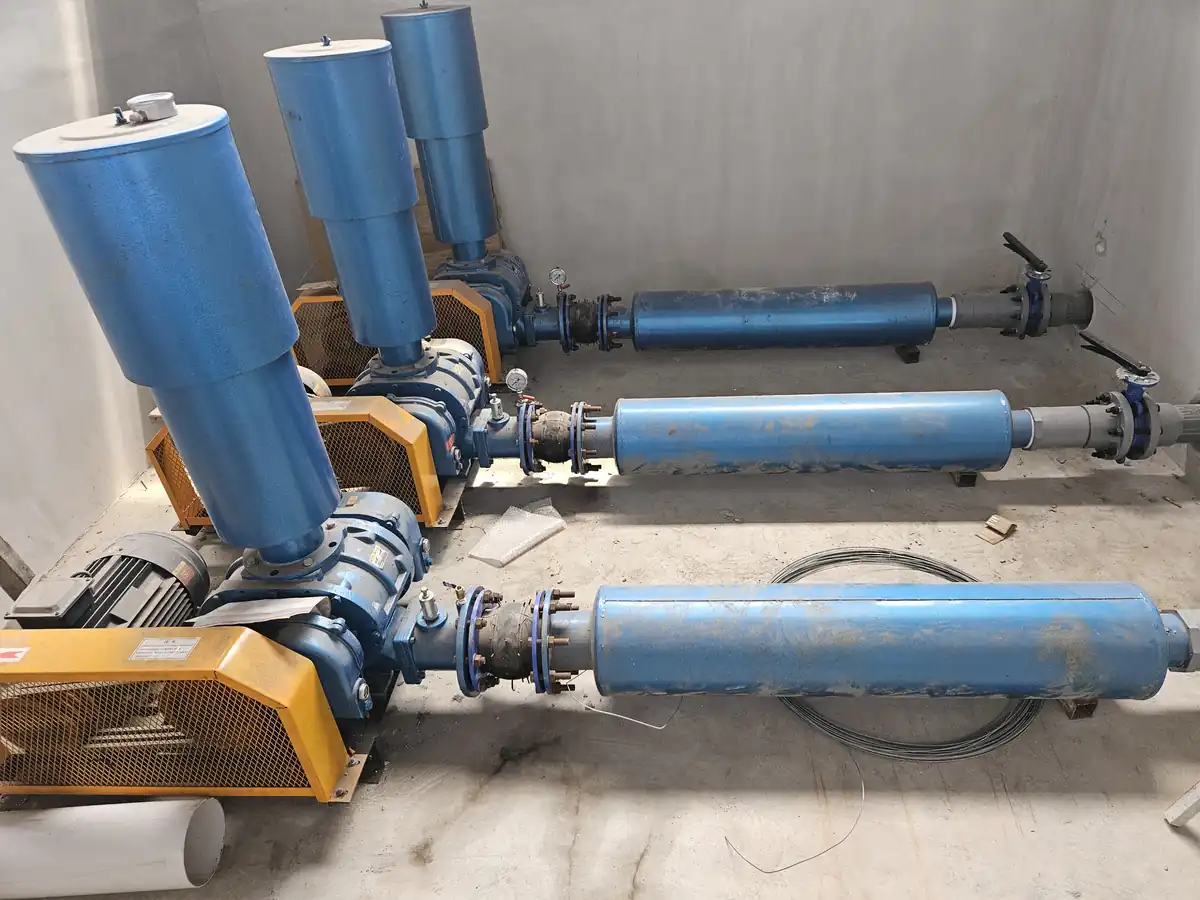
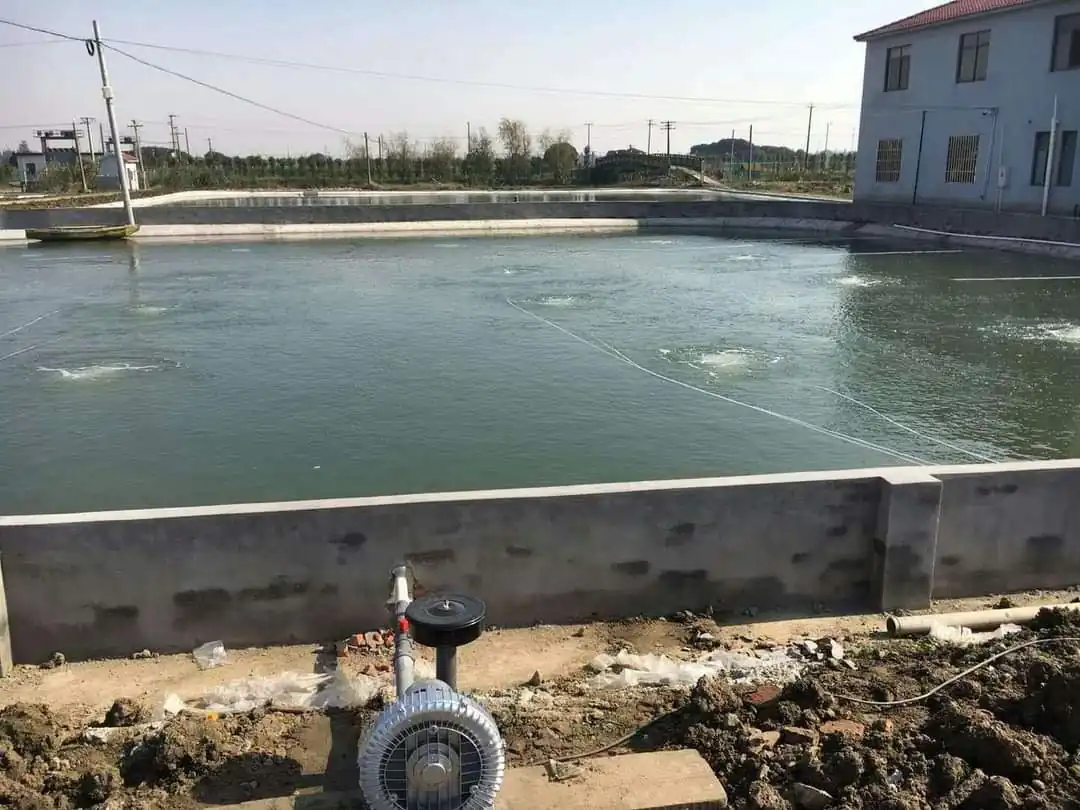
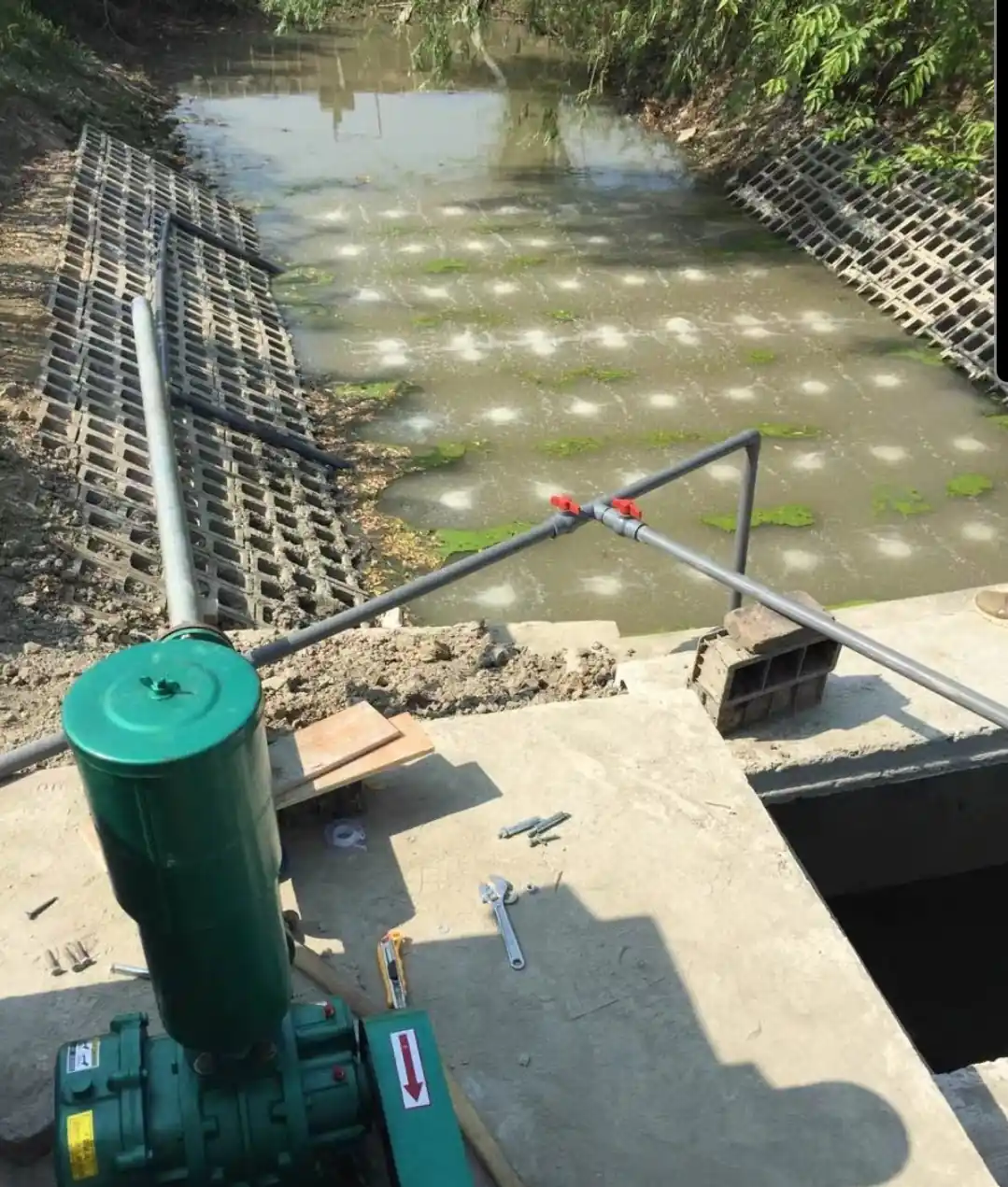
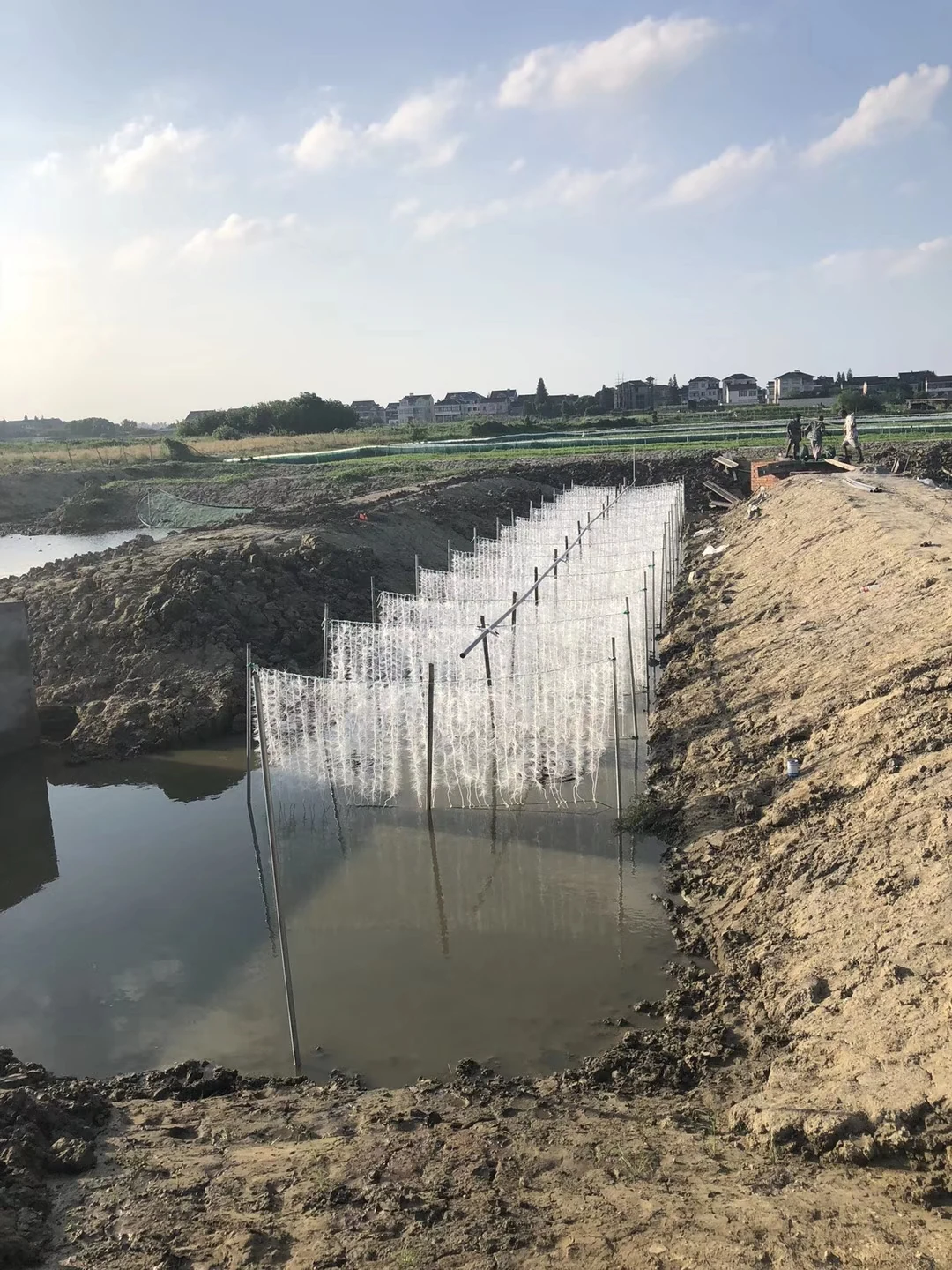
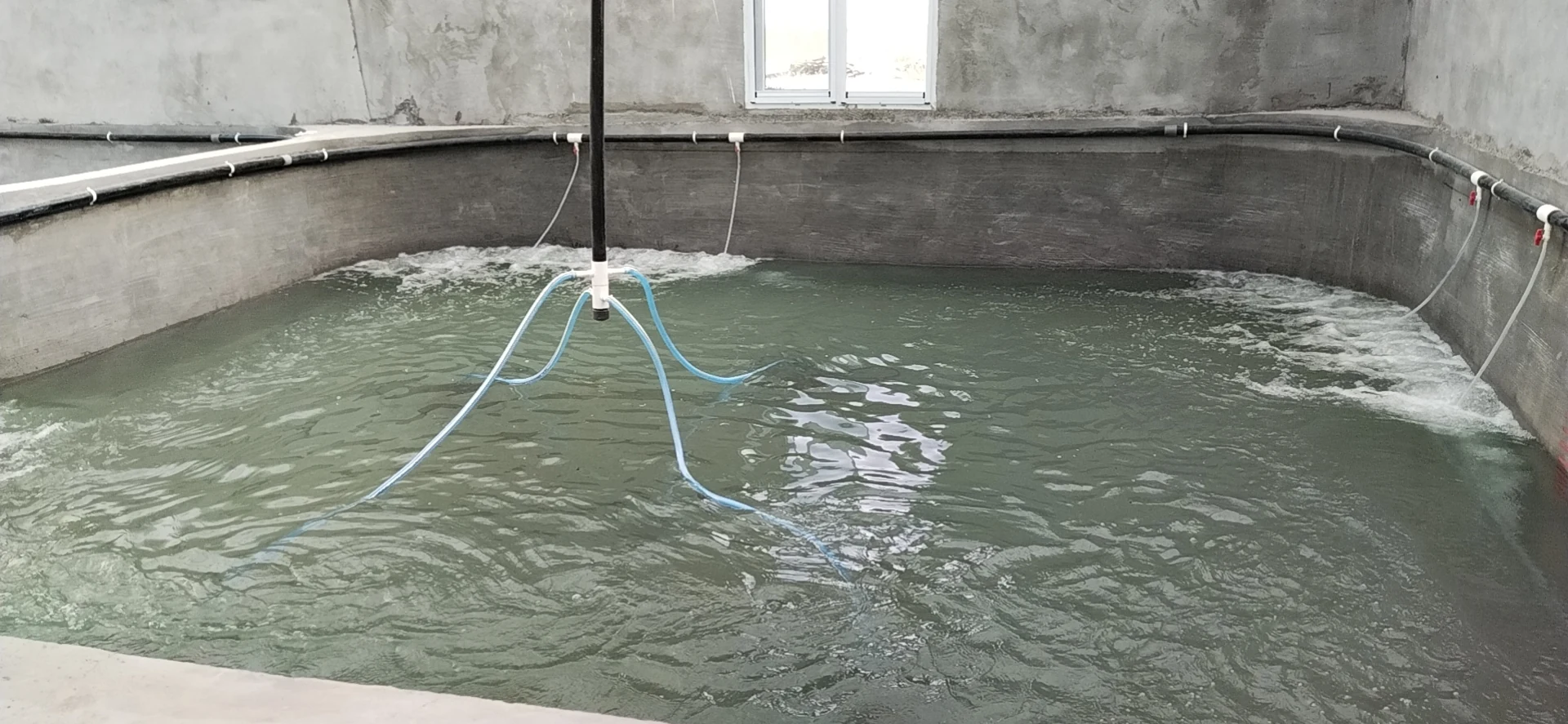
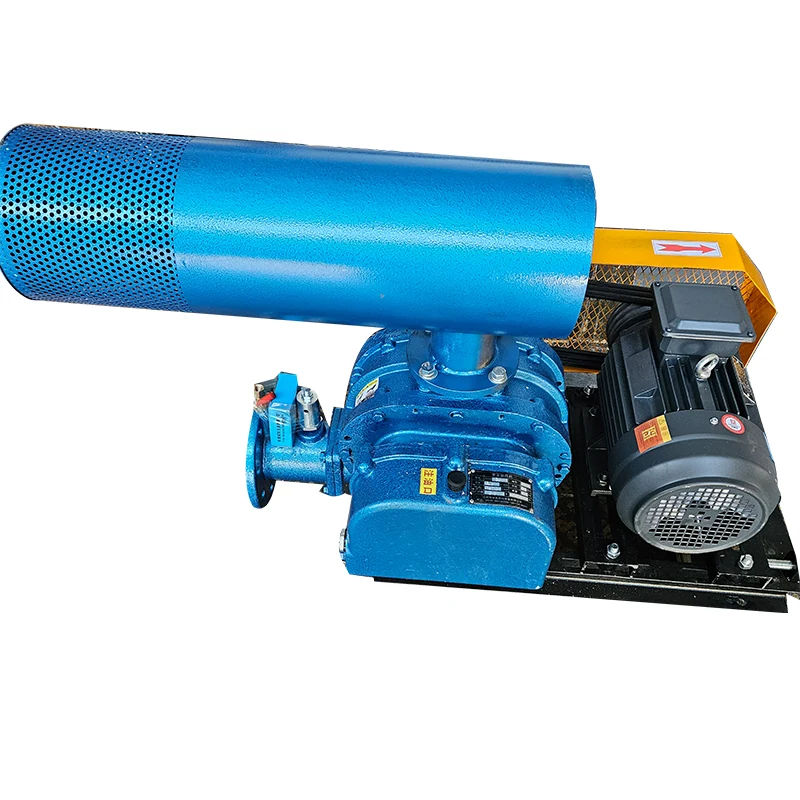
The microporous aerator (also called microporous aeration technology) is a new aeration technology that came after the traditional paddle-wheel, impeller and spray aerators. It consists of three parts: a blower, air delivery pipes and microporous aeration discs. A roots blower compresses air into the delivery pipes; the compressed air passes through plastic hoses into the microporous discs and disperses into the water as microbubbles. As the microbubbles rise from the bottom, part of the oxygen dissolves into the water while the rising bubbles create vertical convection and rotation, achieving exchange between upper and lower water layers and even aeration of the whole pond.
Advantages compared with traditional aerators
1. Both upper and lower water layers are aerated - three-dimensional, efficient aeration
Microporous aeration discharges air directly from the bottom layer, significantly raising the dissolved oxygen of the bottom and middle water. As the bubbles rise, they carry bottom water upward, creating exchange between upper and lower layers and even aeration across the whole pond. Because the bubbles are extremely fine, the contact area with the water is large and the dissolving capacity is stronger, so both the aeration speed and efficiency are very high.
2. Better aquatic ecology - prevents water-quality deterioration
Studies show that ammonia nitrogen and nitrite levels in microporous-aerated water are lower than with impeller and paddle-wheel aeration. Both paddle-wheel and impeller aerators aerate the bottom layer poorly - especially in water deeper than 2 m - so bottom water easily becomes oxygen-depleted. Microporous aeration makes up for this: it compresses and discharges fine air from the bottom, directly raising bottom dissolved oxygen, and carries bottom "polluted" water up into the oxygen-rich upper layer, where bacterial nitrification converts ammonia nitrogen and nitrite into harmless nitrate that algae can use, lowering their concentrations.
3. Low energy consumption per unit area - lower farming cost
Compared with paddle-wheel, impeller and spray aerators, microporous aeration is the fastest and most effective per unit area at the same power. In power demand, a roots blower needs only 0.1-0.3 kW per mu, just 30-40% of traditional aeration equipment. Moreover, as water depth increases with the same air volume, the power efficiency of microporous aeration increases further.
4. Low noise and higher safety
Traditional aerators are installed directly in the water: they run noisy, disturb the fish and shrimp, and the motor and cables carry the risk of water ingress and electric leakage, with inconvenient maintenance. In a microporous system the power unit is installed on the bank - only the air hoses and microporous discs are in the water - so there is no water-ingress risk for motor and cables, maintenance is convenient, and the machine noise has little effect on the farmed animals, particularly shrimp and crabs, reducing stress responses.
The hardware side of this is covered on our microporous aeration system page.