The Short Answer
Clean microporous aeration tubing after every harvest and monthly during operation: run the blower at 1.2–1.5× normal pressure for 10–15 minutes to blow pores clear, and flush with fresh water. Quality microporous tubing lasts 3–5 years with this routine; replace it when cleaning no longer restores bubble output. Most aeration failures are fouling problems, not equipment failures—and fouling is preventable.
---
Why Maintenance Matters More Than You Think
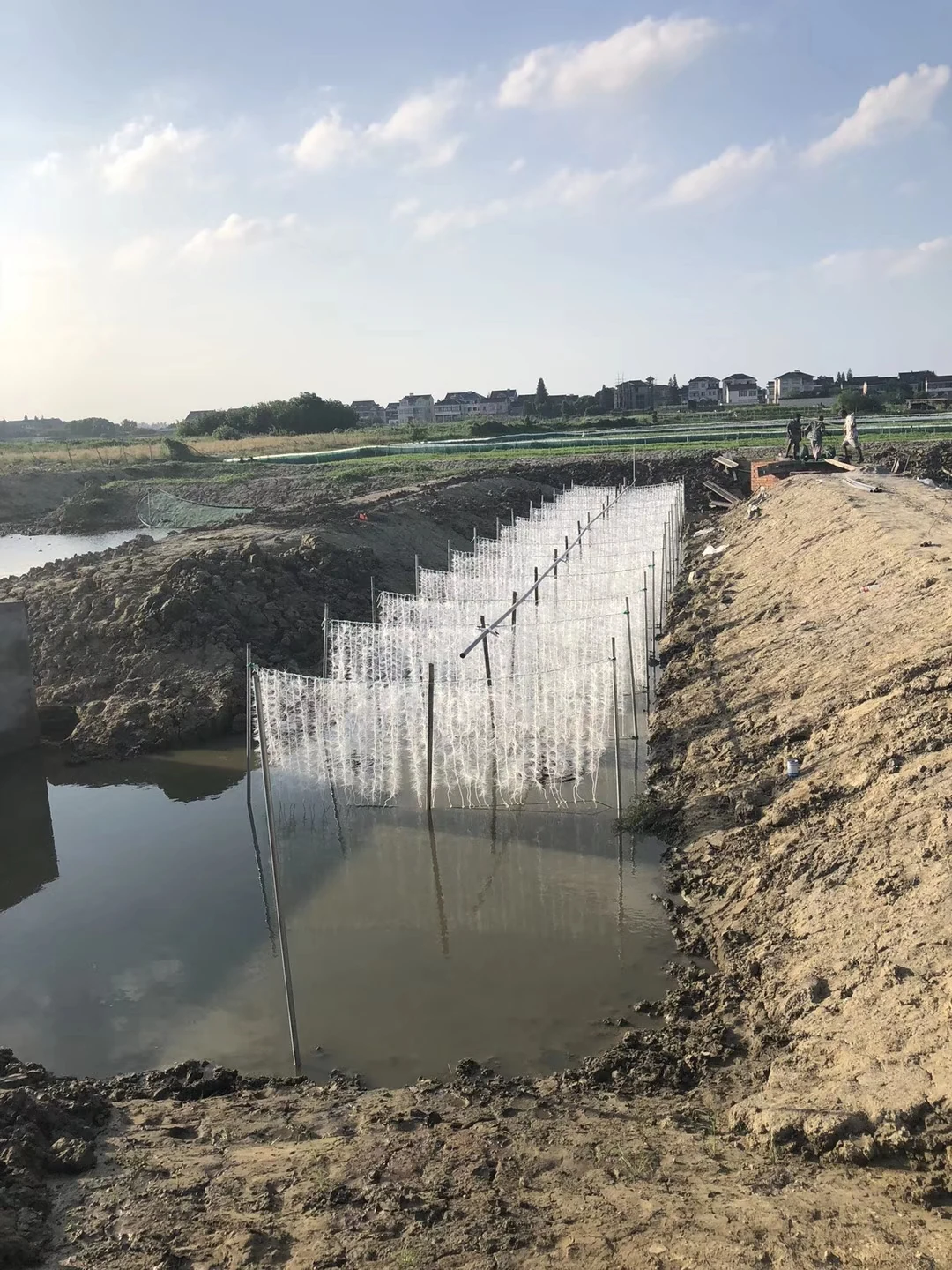
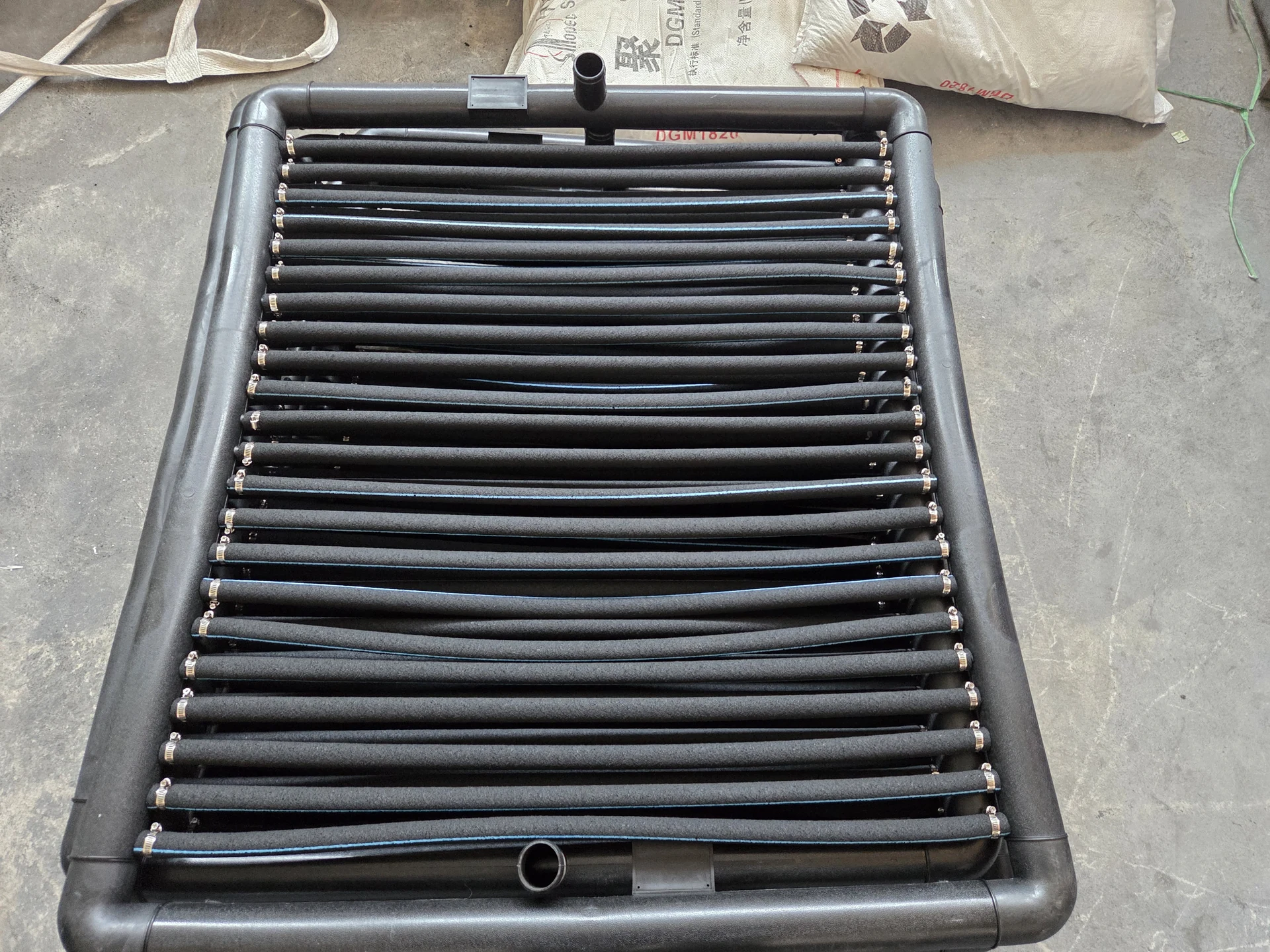
Microporous tubing works because of its pores (1,000–1,600 per metre in Zhongxin's tubing). Each pore is a tiny nozzle; anything that blocks it silently reduces oxygen transfer. The failure is gradual: you notice no difference for weeks, then one hot night the DO drops and shrimp stress.
Fouling sources in real ponds:
- Sludge and sediment — tubing laid on the bottom gets sealed by settled organic matter.
- Biofilm — bacteria and algae grow on and inside pores over a season.
- Calcium / mineral scale — common in hard water and seawater ponds.
- Condensation and oil — carried from the blower if the intake filter is neglected.
---
The Maintenance Routine (3 Levels)
Level 1 — Every operation (quick)
| Action | When | Time |
|---|---|---|
| Visual check of bubble pattern along all lines | Daily during operation | 2 min |
| Run blower at full pressure 5 min after starting | Daily | 5 min |
| Check blower oil level and intake filter | Weekly | 5 min |
Level 2 — After harvest / monthly
1. Fresh-water flush: run clean water through the lines, then blow through with the blower at full pressure for 10–15 minutes.
2. Pressure pulse: close half the isolation valves so the open lines get 1.2–1.5× normal pressure — this pops out lodged particles.
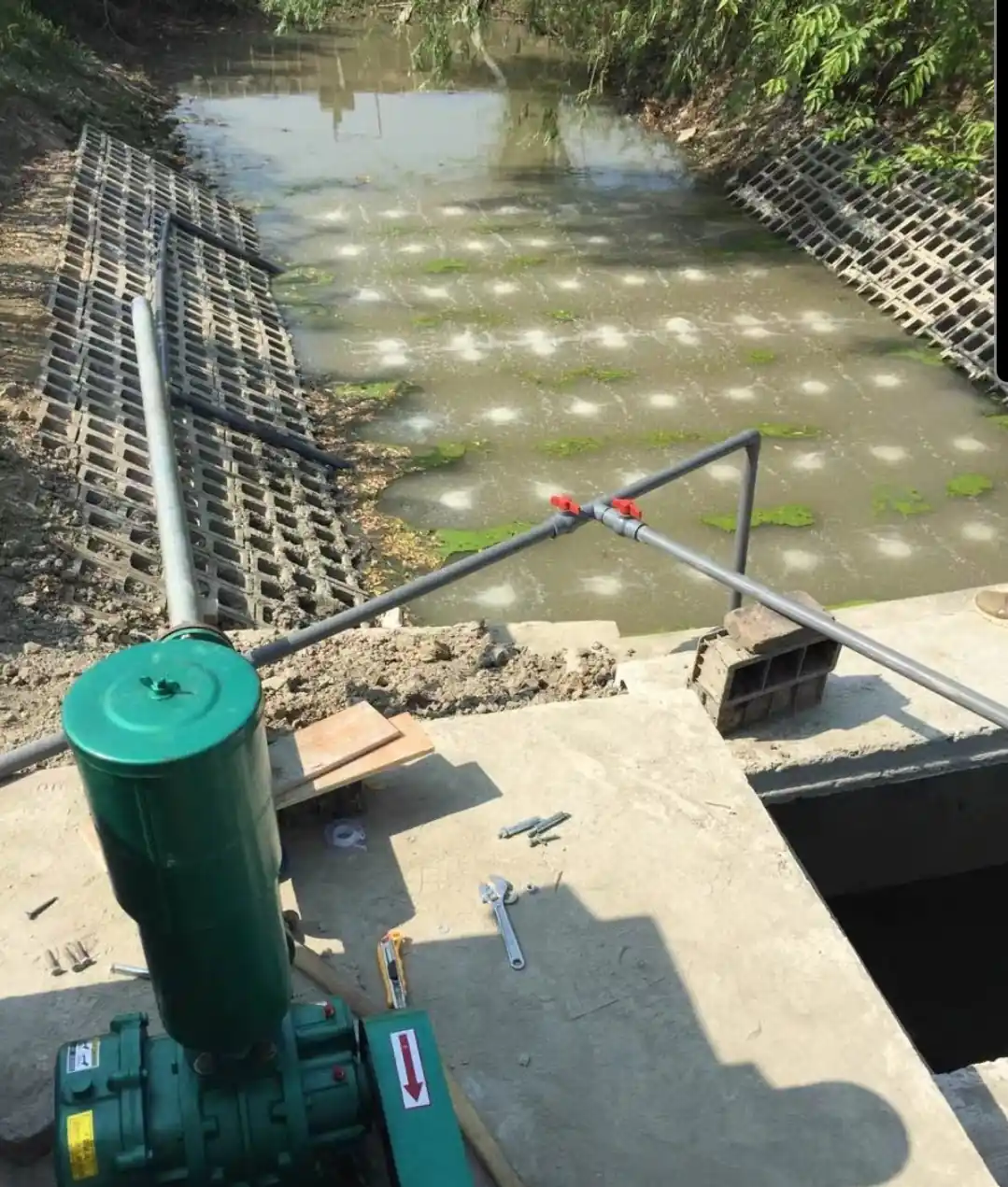
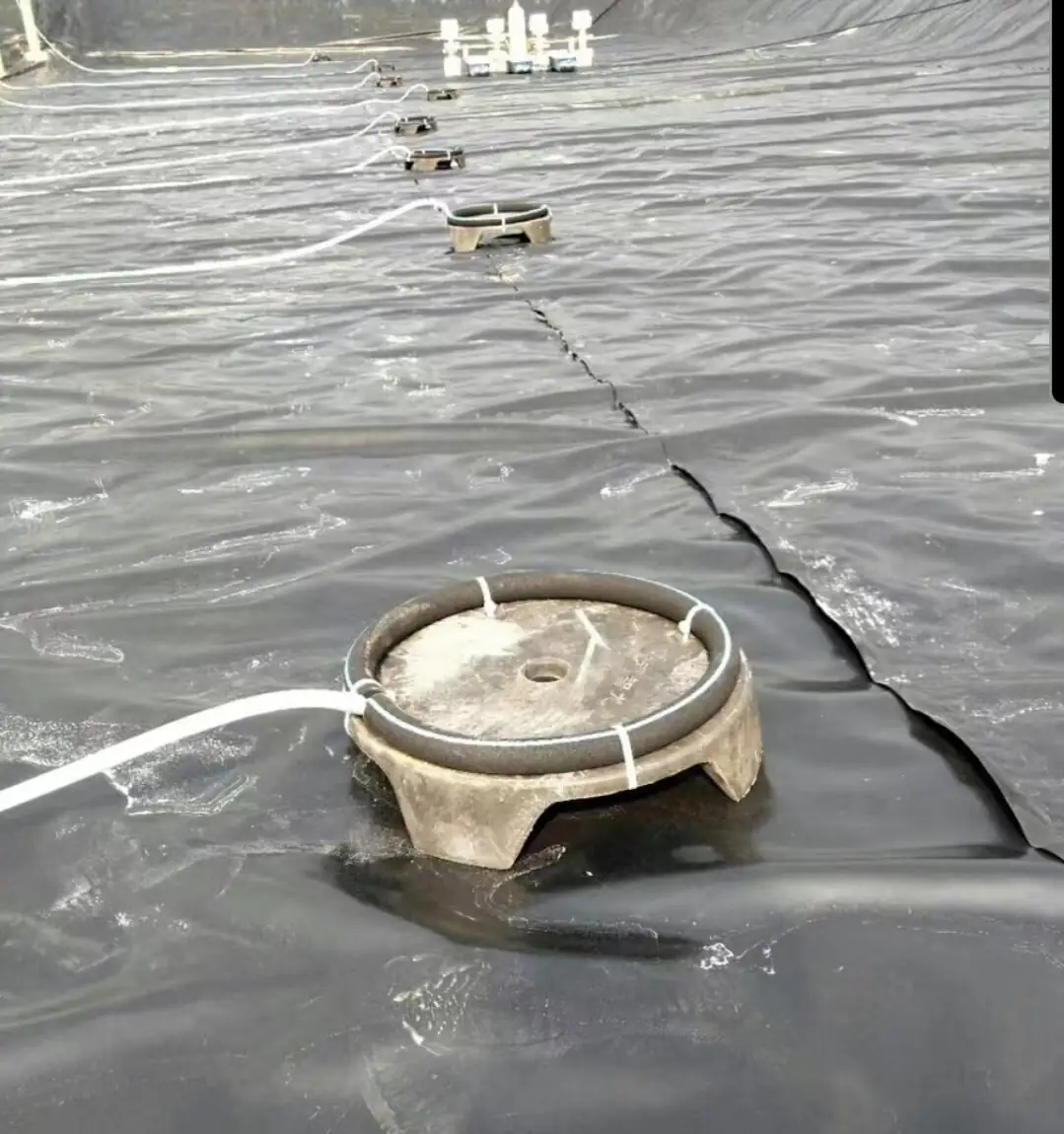
3. Inspect: lift a sample of tubing at the inlet and far end of each line; compare bubble output. If the far end is weak, the line is partially blocked.
Level 3 — Seasonal deep clean
- Acid wash (only for calcium scaling): flush with dilute acid solution (follow the manufacturer's safe concentration), then rinse thoroughly with fresh water before returning to the pond.
- Replace worn sections: tubing that stays weak after cleaning, or shows cracks and stiffening, should be cut out and replaced with new sections and couplers.
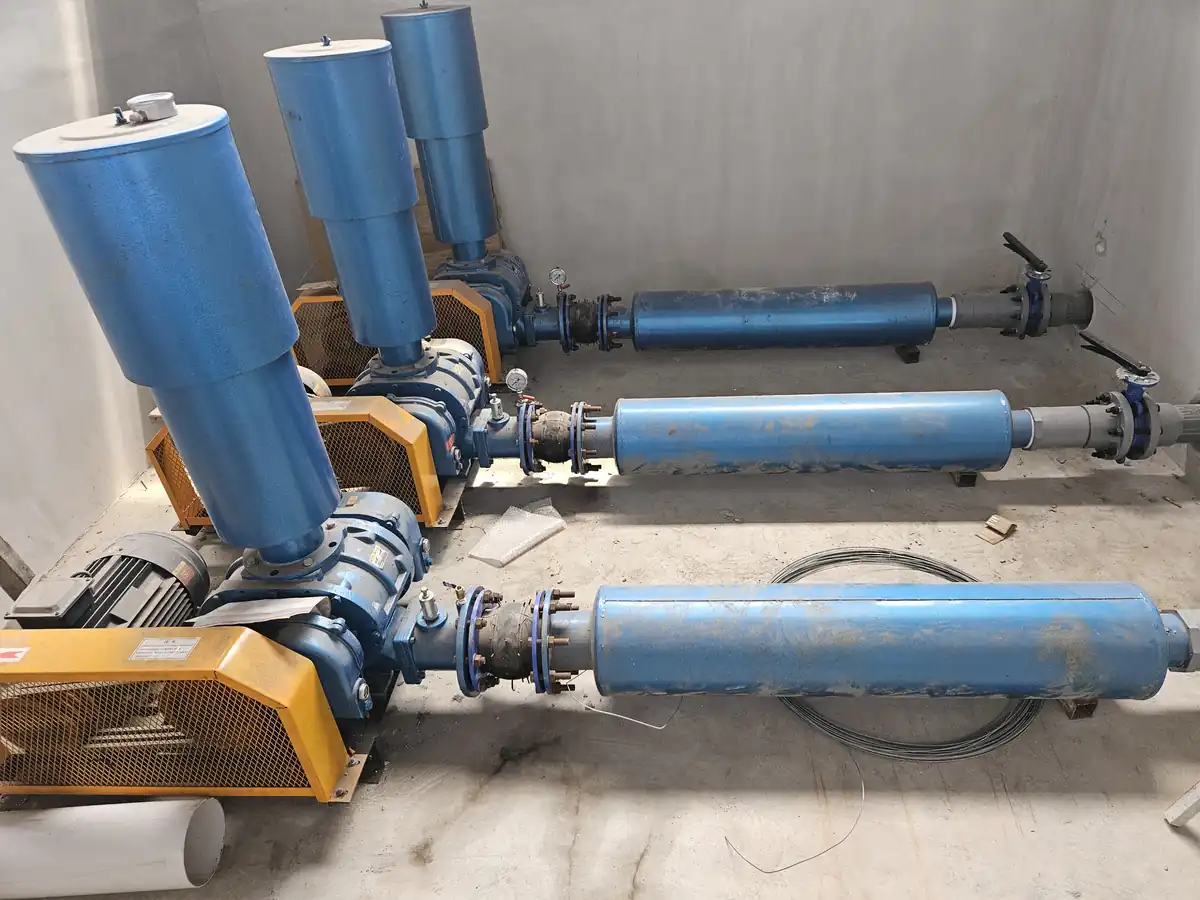
- Blower service: change oil per the manual, replace the air filter, and check belt tension.
---
How Long Does Aeration Tubing Last?
| Condition | Expected life |
|---|---|
| Regular cleaning, freshwater pond | 4–5 years |
| Regular cleaning, seawater pond | 3–4 years |
| No cleaning, sludge-covered bottom | 1–2 years (pores sealed) |
| UV exposure, direct sunlight storage | Reduced — store tubing indoors |
Signs it's time to replace:
- Bubble output stays low after a full pressure-pulse clean.
- Visible cracks, hardening, or permanent flattening.
- Bubble size visibly larger than spec (pores enlarged by wear or abrasion).
---
Storage Tips Between Seasons
- Clean and dry tubing before storage.
- Keep rolls indoors, away from direct sunlight and ozone sources (e.g. electric motors).
- Store blowers with intake covered to keep dust out.
- Mark each roll's age — replace oldest first next season.
---
Frequently Asked Questions
Q: Can I clean aeration tubing while it's in the pond?
A: Yes for routine cleaning—run the blower at elevated pressure. A full fresh-water flush and acid wash should be done after harvest when lines are out of the pond.
Q: How do I know if my tubing is clogged?
A: Compare bubble output between the inlet and far end of the same line, and between lines. Uniform weak output usually means blower issues; uneven output means fouling.
Q: Does salt water shorten tubing life?
A: Seawater is more aggressive. Use tubing rated for seawater (bubble diameter 0.5–3 mm), rinse with fresh water after harvest, and plan replacement at 3–4 years.
Q: What should I do if a line is completely blocked?
A: Isolate the line with its valve, disconnect it, flush with fresh water under pressure, and inspect. If it won't clear, replace that section.
Q: Does blower maintenance affect the tubing?
A: Yes—a neglected blower pushes oil mist and dirt into the lines. Keep the intake filter clean and the oil level correct to protect both blower and tubing.
---
The Bottom Line
Aeration tubing fails gradually and silently; a 10-minute cleaning routine after harvest and monthly pressure pulses during the season can extend its life from 1–2 years to 4–5. Watch the bubble pattern, flush after harvest, and replace only what won't clear.
Zhongxin Machinery supplies microporous tubing, couplers, and blowers as matched components, and our engineers can advise on cleaning procedures for your specific water conditions. Send us your pond details if you see uneven bubble output—we will help you diagnose whether it's fouling, blower pressure, or a sizing issue.
---
Need to service or replace tubing? See microporous aeration tubing options →
References: FAO aquaculture guidelines on pond aeration; University of Florida IFAS extension notes on dissolved oxygen management; SRAC publications on aeration for aquaculture ponds; Global Seafood Alliance shrimp farming resources; scientific reviews on diffused aeration efficiency.