The Short Answer
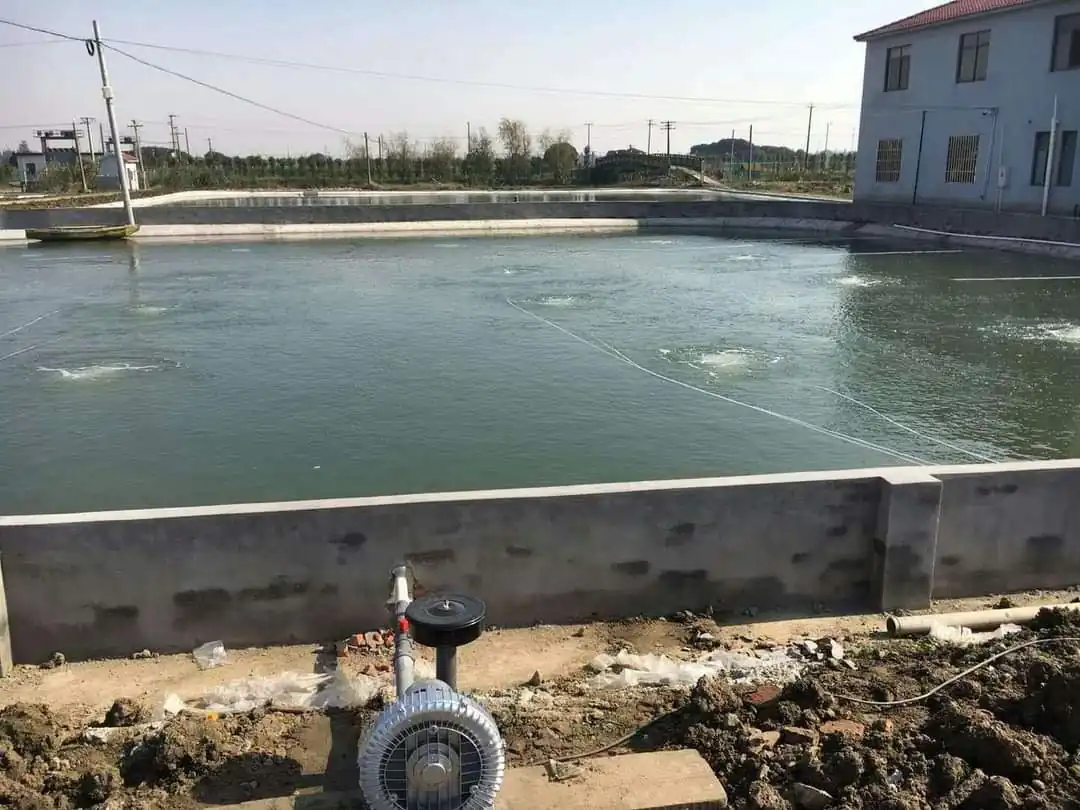
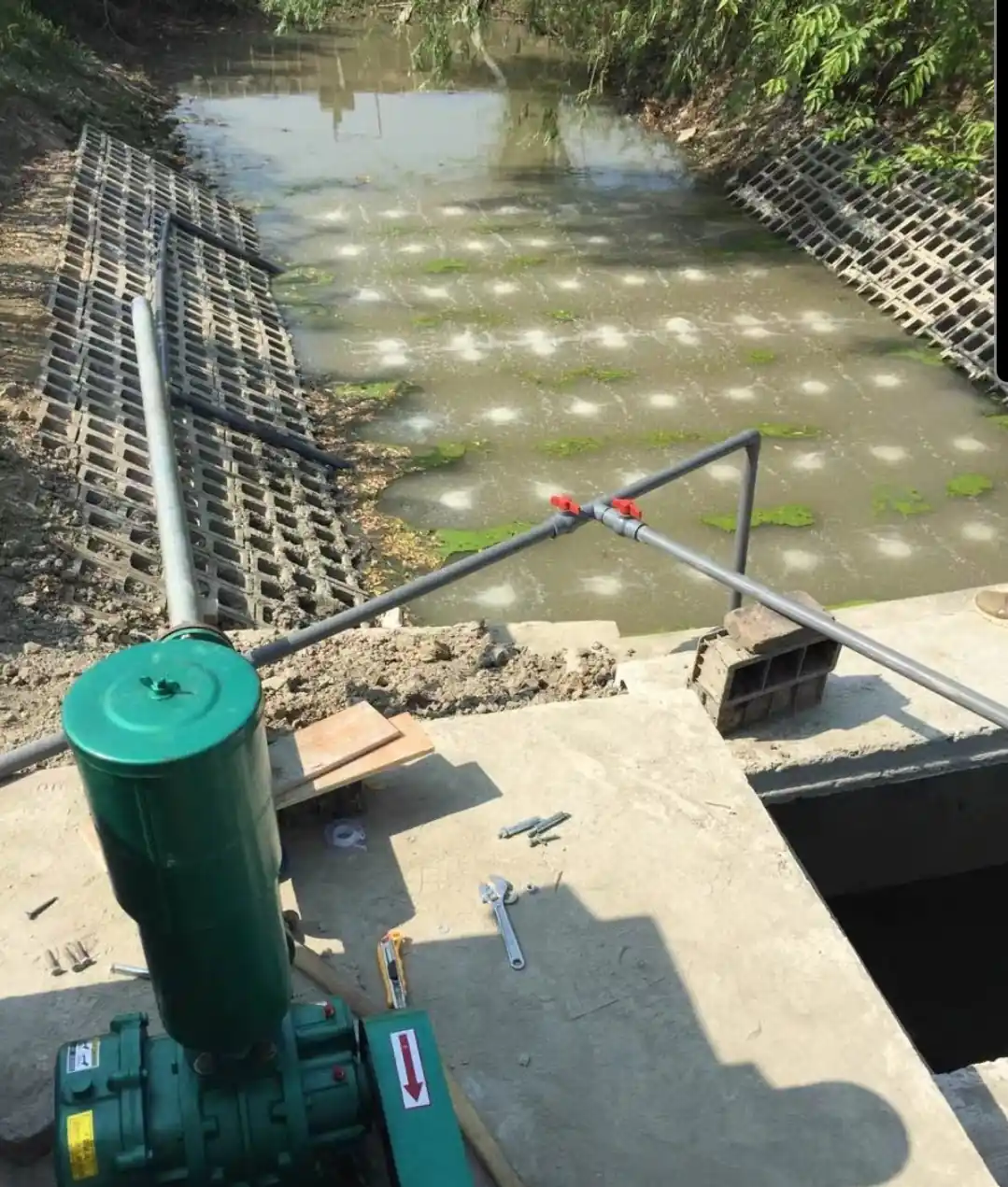
Use aeration tubing for rectangular ponds, long raceways, and any pond where you want even oxygen distribution along the bottom; use aeration discs for circular ponds, point-source aeration, and recirculating aquaculture systems (RAS) tanks. Both deliver fine bubbles at the bottom; the difference is geometry. A 10×16 to 20×28 mm microporous tube covers 1–8 m² per metre and is laid in parallel lines, while discs sit as individual points spaced across the floor.
---
Why the Shape of Your Diffuser Matters
Diffuser geometry determines where oxygen enters the water and how evenly it spreads:
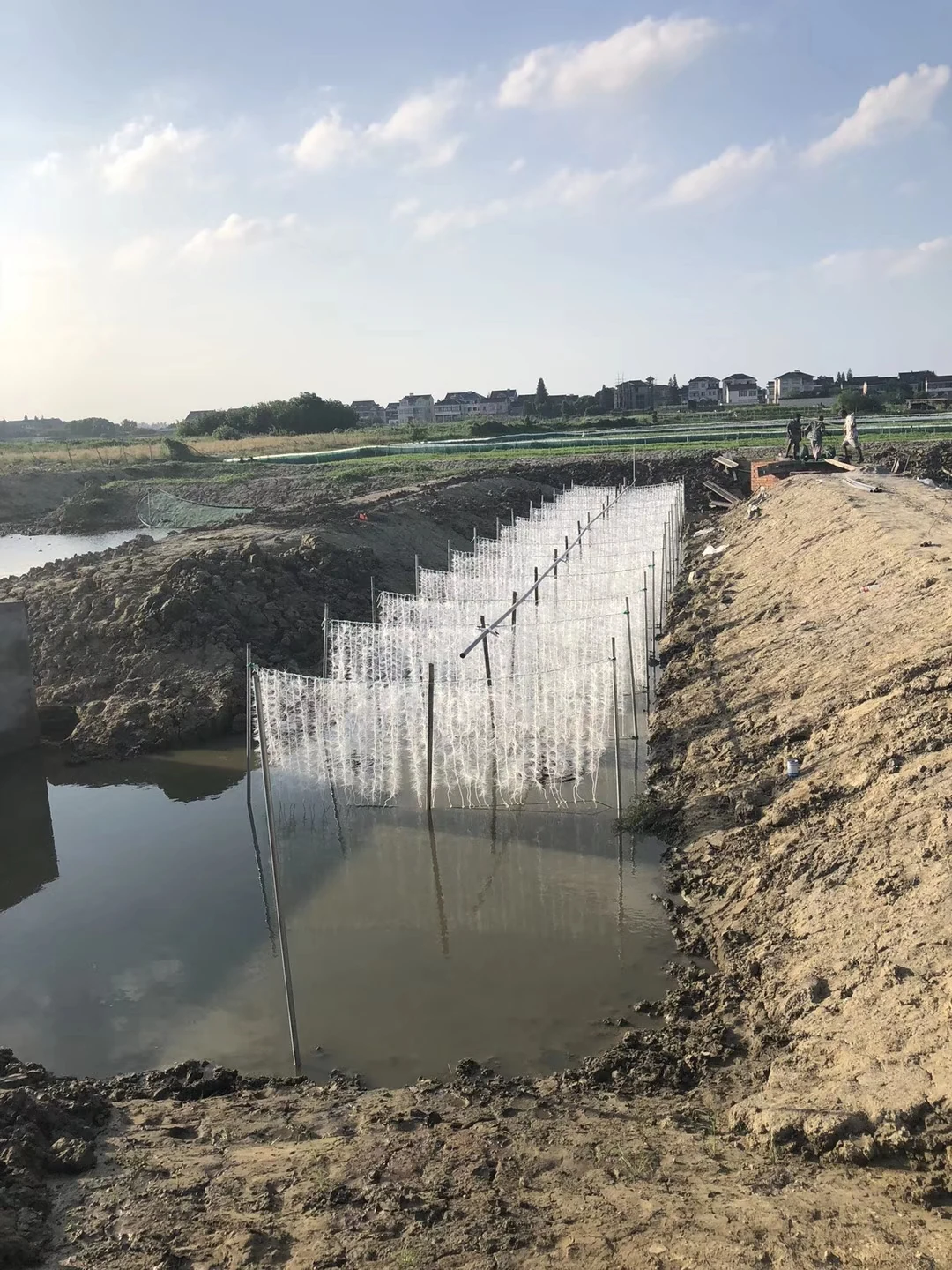
- Tubing creates a continuous line of rising bubbles — ideal for long, rectangular ponds where lines can run the full length.
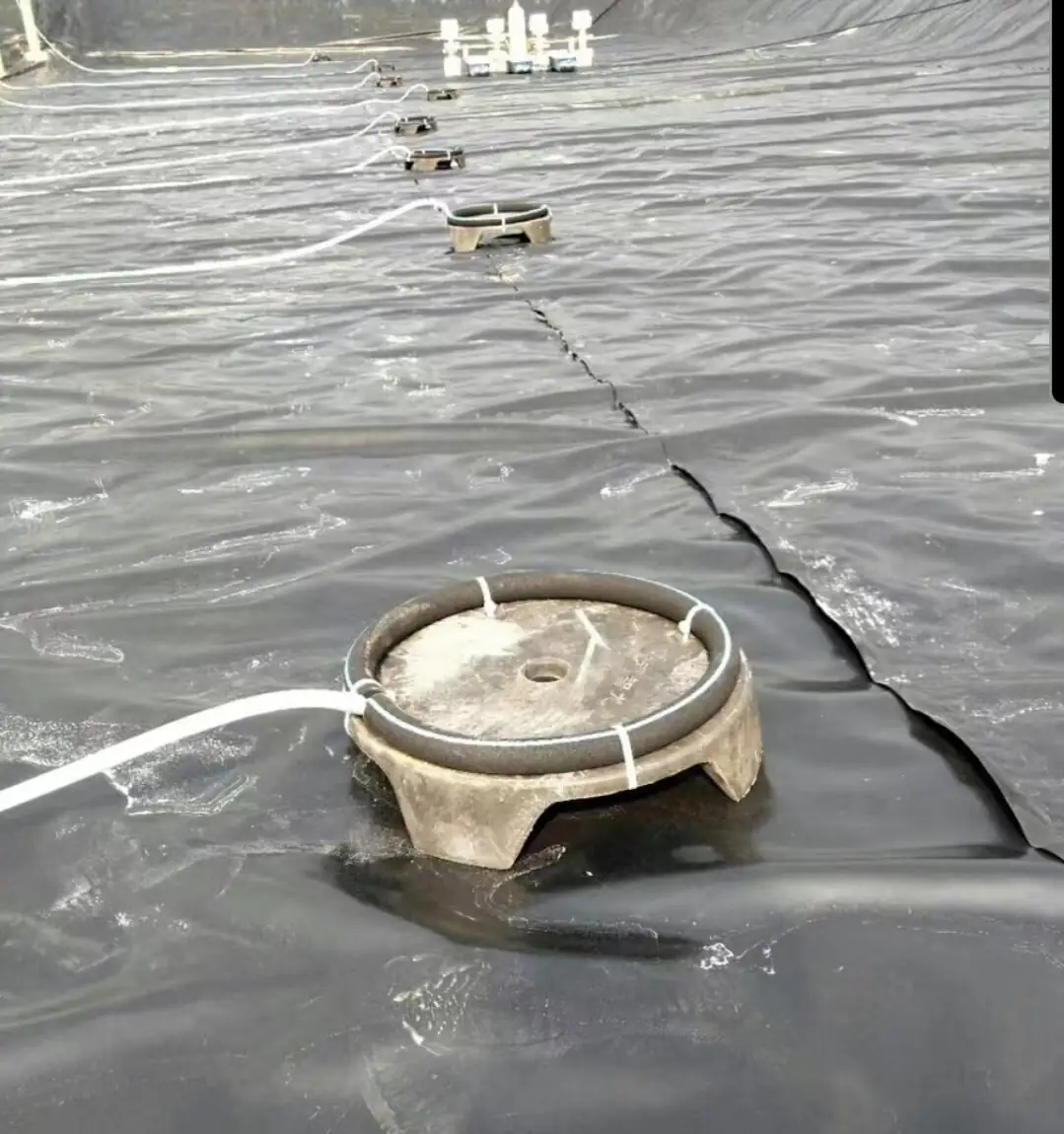
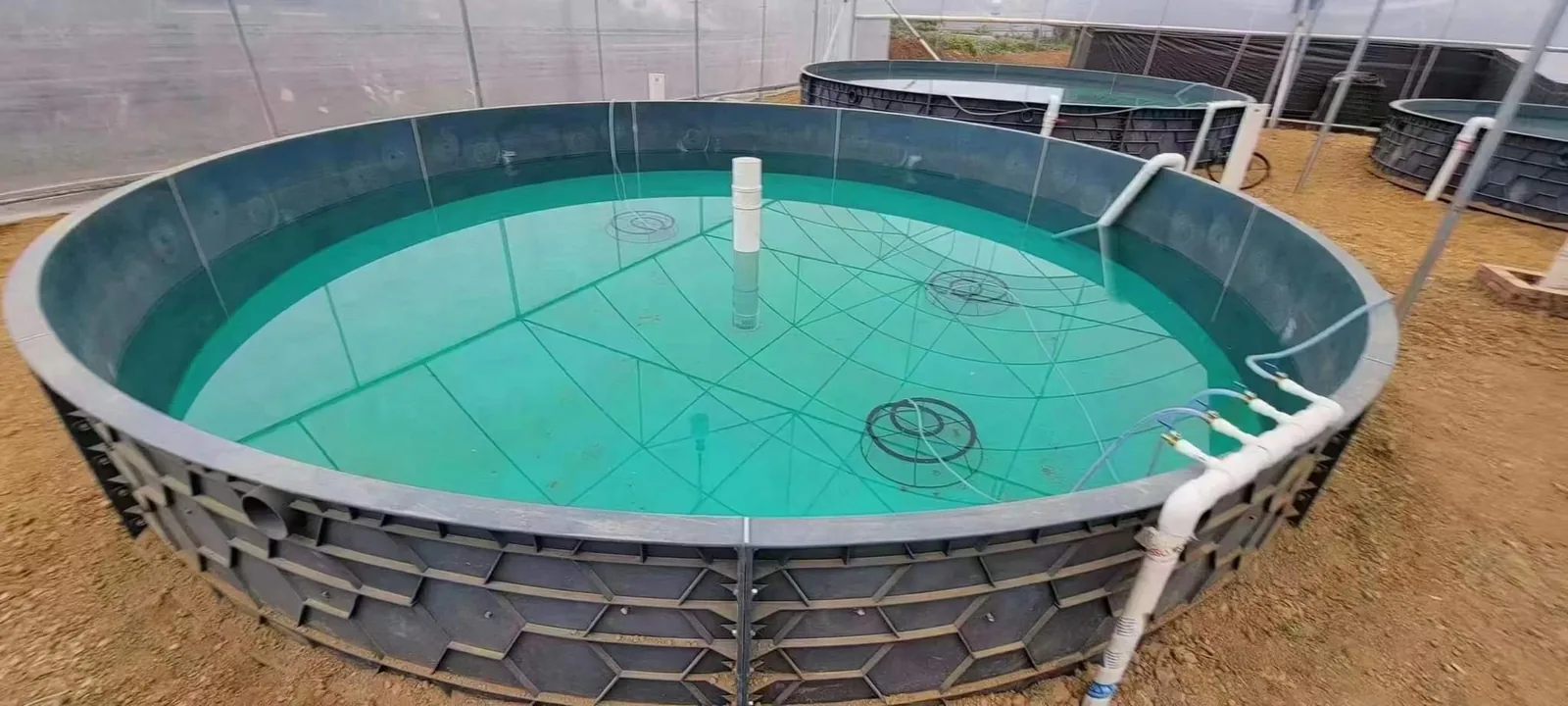
- Discs create point sources of bubbles — ideal for circular tanks and RAS where water circulates around a central drain and discs ring the perimeter.
Matching diffuser shape to pond shape is the cheapest "efficiency upgrade" you can make, because it costs nothing but improves mixing and DO distribution.
---
Head-to-Head: Tube vs Disc
| Criterion | Aeration tube | Aeration disc |
|---|---|---|
| Bubble size | 0.3–2 mm (freshwater) / 0.5–3 mm (seawater) | Fine (similar range, check spec) |
| Coverage pattern | Continuous line | Point source |
| Service area | 1–8 m² per metre | Per disc (check spec) |
| Best pond shape | Rectangular, raceways, large ponds | Circular, square tanks, RAS |
| Installation | Lay lines 3–5 m apart, 10–20 cm off bottom | Place discs individually, space evenly |
| Layout flexibility | Fixed line pattern | Easy to add/relocate discs |
| Pipe/air connection | One manifold feeds many lines | Each disc or small group needs a line |
| Common pairing | With roots blower + main/branch pipes | With blower or air pump, small systems |
| Maintenance | Rinse and run blower at full pressure to clear pores | Same; inspect disc membrane for fouling |
| Best for | Shrimp ponds, tilapia ponds, deep ponds | RAS tanks, hatcheries, circular ponds, biofilters |
---
When to Choose Tubing
1. Rectangular or square ponds (most earthen shrimp and fish ponds) — run parallel lines across the full length for even bottom coverage.
2. Ponds deeper than 2 m — continuous lines distribute pressure more evenly than point sources.
3. Large pond areas — tubing cost per m² of coverage is generally lower, and 1 kW of blower supports 100–150 m of tube.
4. Systems you want to size as one package — blower + manifold + tubing is a simple, standard design.
When to Choose Discs
1. Circular tanks and RAS — discs ring the perimeter and work with the circular flow pattern.
2. Point aeration — oxygenating a specific zone (a feeding area, a transport tank, a nursery tank).
3. Flexible layouts — you may relocate discs as stocking patterns change.
4. Small-scale systems — a compact air pump and a few discs can serve a hatchery tank without a full manifold layout.
---
Can You Combine Them?
Yes, and many farms do: tubing as the baseline for the main pond body, plus a few discs in high-demand zones (feed stations, nursery corners, or around the drain where sludge accumulates). The blower sizing method is the same: add the air demand of all diffusers and size pressure from the deepest point.
---
Frequently Asked Questions
Q: Is a disc more efficient than a tube? A: At the same bubble size, efficiency is similar—the difference is coverage geometry. Choose by pond shape, not by efficiency claims.
Q: Can I mix tubes and discs on one blower? A: Yes, if total air flow is within the blower's FAD and pressure covers the deepest diffuser. Use isolation valves per line.
Q: Which is easier to clean? A: Both are cleaned the same way: run the blower at 1.2–1.5× normal pressure for 10–15 minutes. Discs are easier to lift out and inspect individually.
Q: What about RAS tanks — tube or disc? A: Discs are the common choice for RAS because tanks are circular and discs match the flow pattern. Small rectangular tanks can use short tube lines.
Q: How many discs equal 10 m of tubing? A: Compare service areas: if a disc covers ~0.5–1 m² and a tube covers 1–8 m² per metre, 10 m of tube roughly equals 10–30 discs depending on spec. Always compare the manufacturer's service-area numbers, not count alone.
---
The Bottom Line
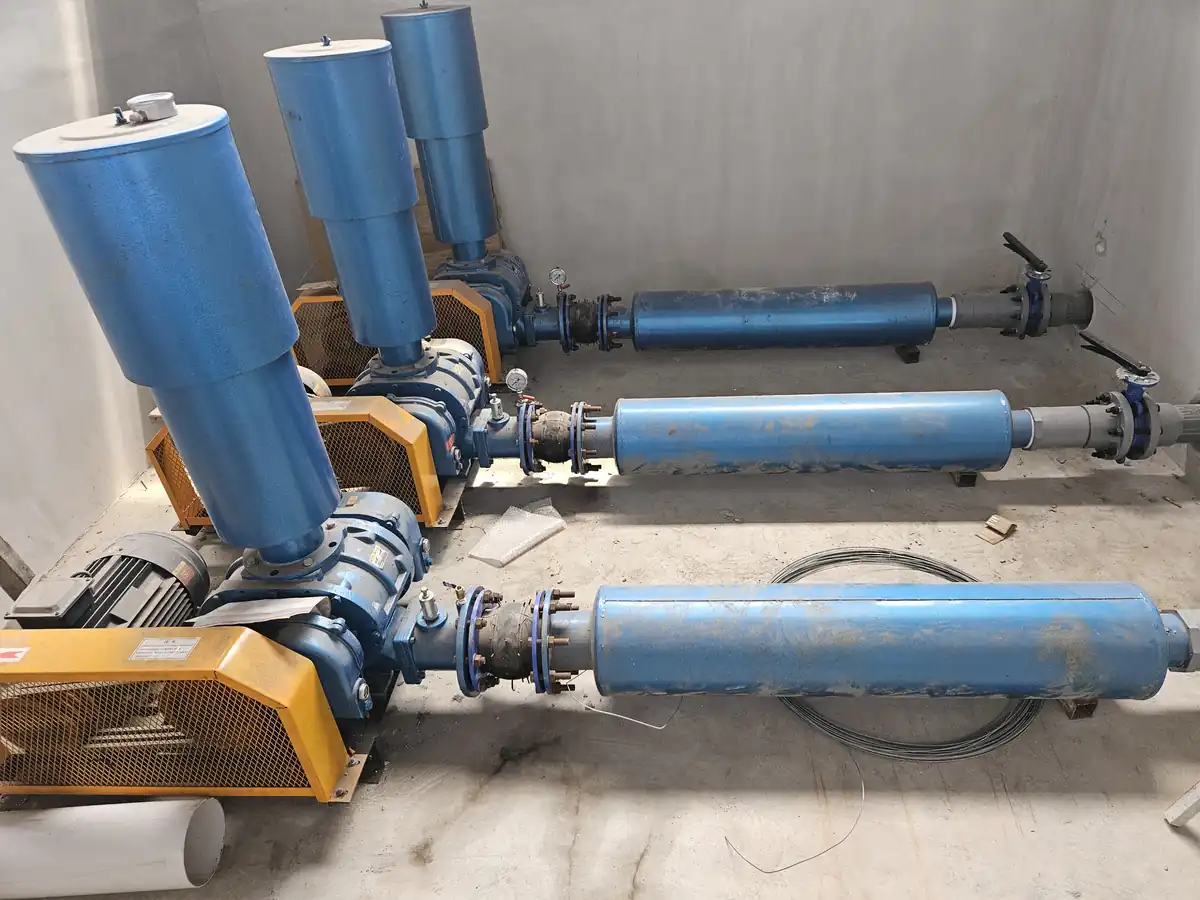
Choose the diffuser that matches your pond's geometry: tubing for rectangular ponds and large areas, discs for circular tanks and point aeration. Check bubble size and service area on the spec sheet, and size the blower from total air demand.
Zhongxin Machinery manufactures both microporous tubing and aeration discs, so we can recommend the right diffuser mix for your pond shape and supply the matching blower as one system. Send us your pond dimensions and layout—we will reply with a diffuser plan and a blower recommendation.
Need a diffuser plan for your pond shape? Compare microporous tubing options →
---
References: FAO aquaculture guidelines on pond aeration; University of Florida IFAS extension notes on dissolved oxygen management; SRAC publications on aeration for aquaculture ponds; Global Seafood Alliance shrimp farming resources; scientific reviews on diffused aeration efficiency.