The trial
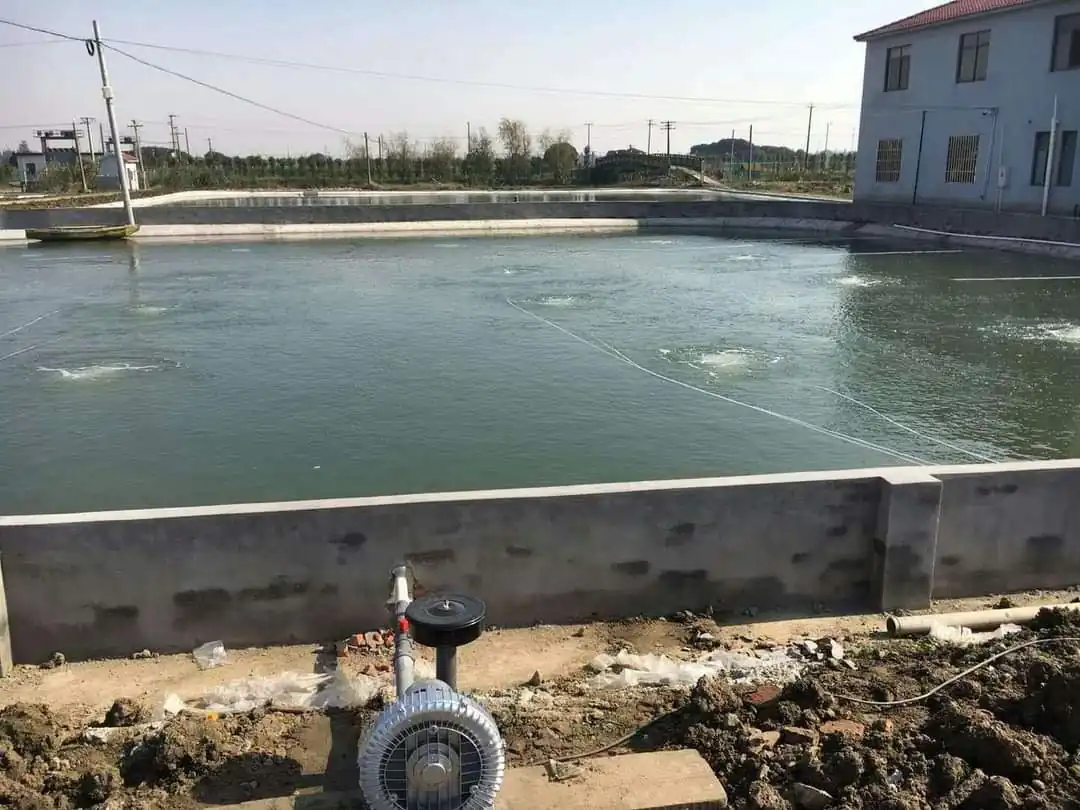
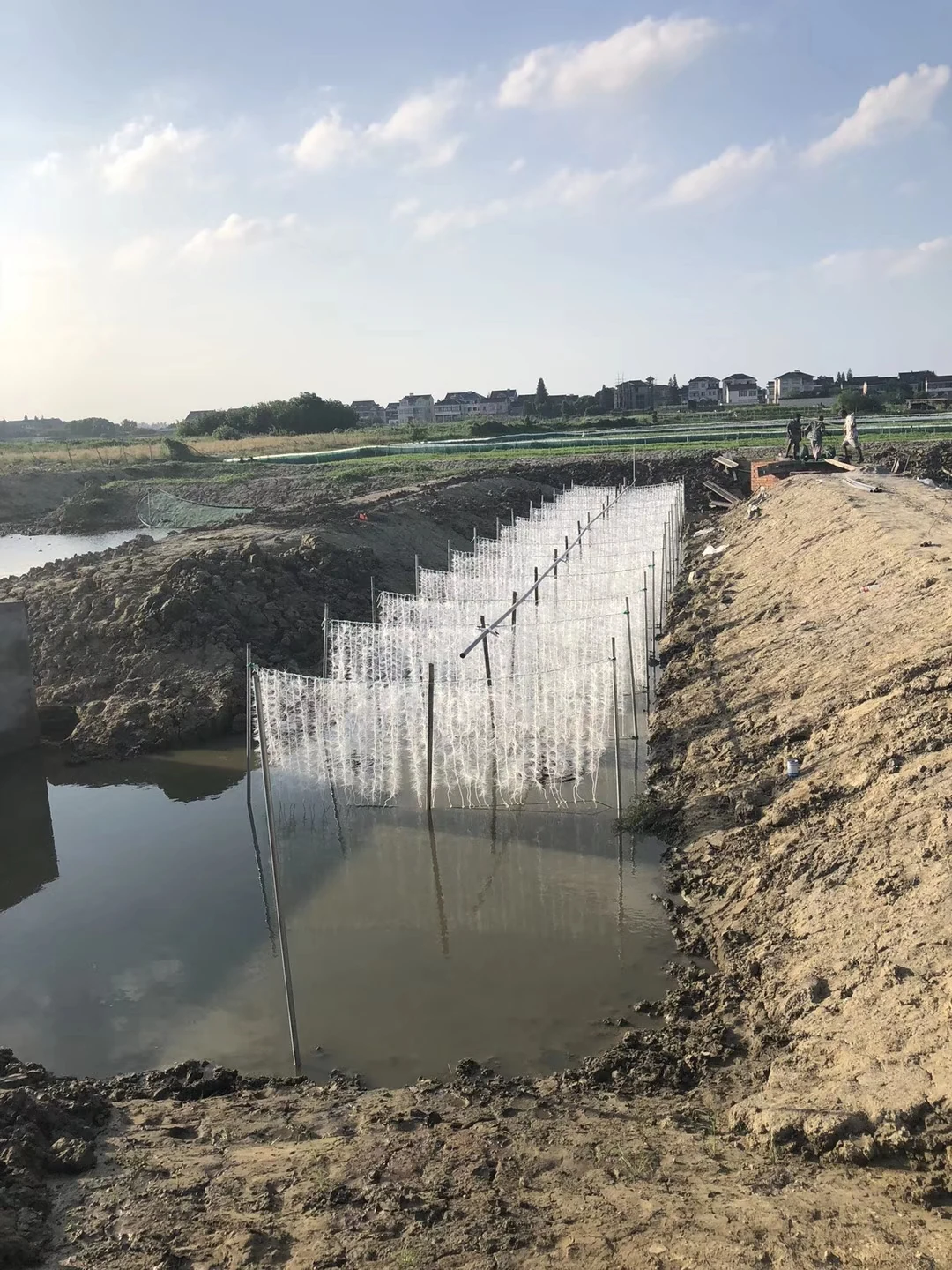
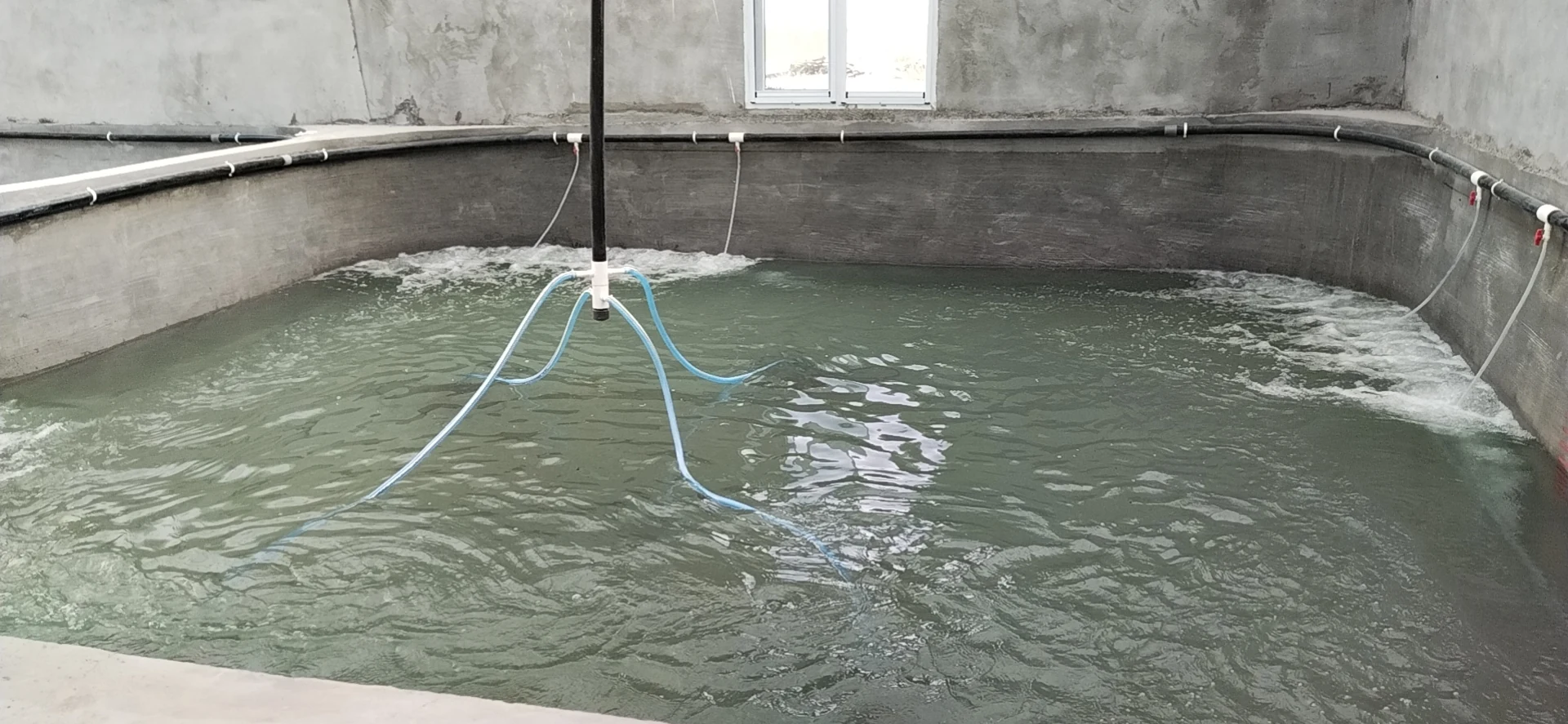
Two vannamei (Pacific white shrimp) farms in Daishan County are currently trialling nano-tube aeration technology.
What changed in the water
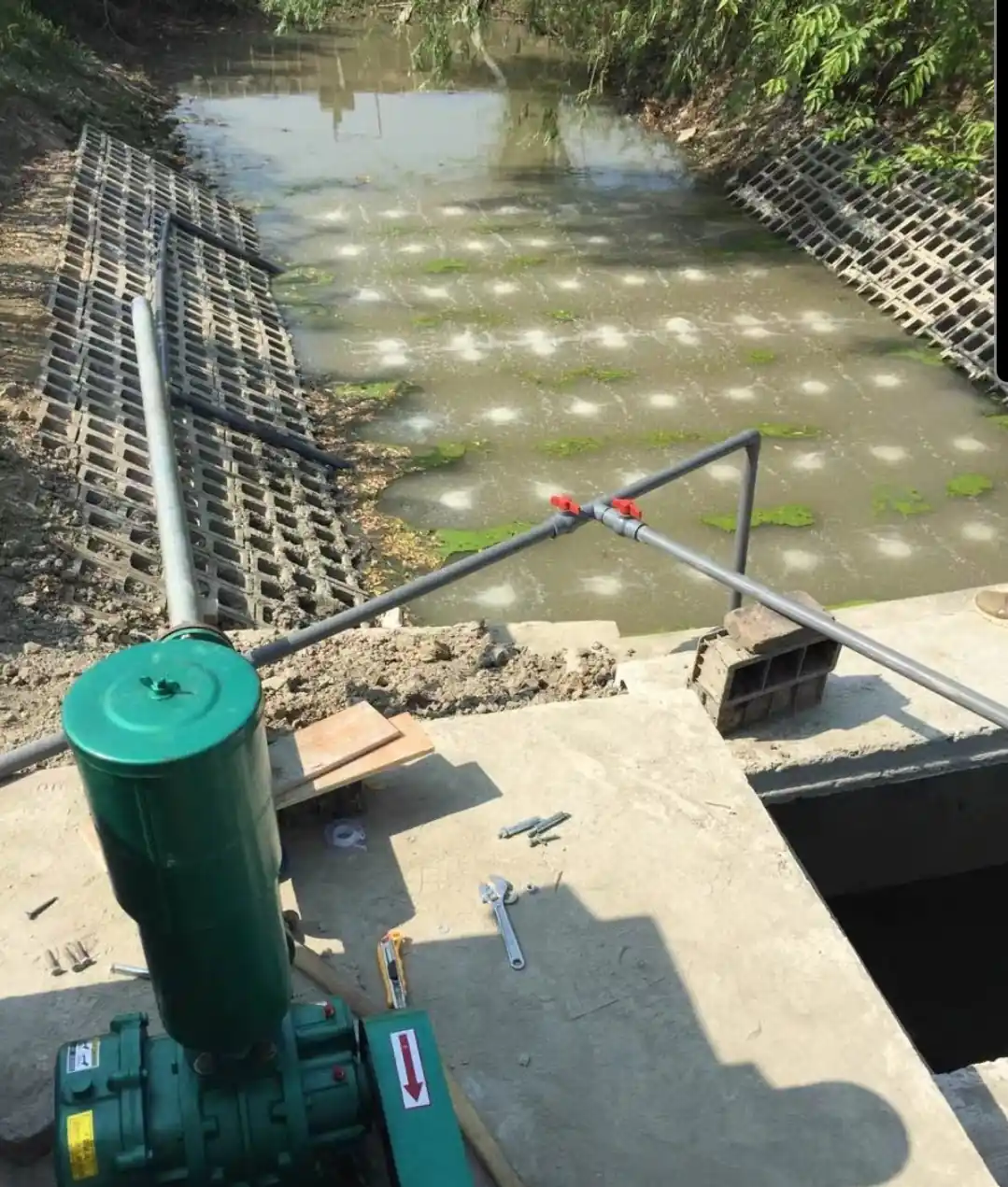
Compared with conventional bottom-pipe aeration, nano-tube aeration covers a wider area and distributes dissolved oxygen more evenly, raising the dissolved oxygen at the pond bottom. During the shrimp feeding period, dissolved oxygen in the water increased from around 3.2 mg/L to around 5 mg/L. Water quality in the ponds stayed comparatively stable, and feeding time lengthened from about 0.5 hours to about 1.5 hours, improving feed conversion and promoting shrimp growth.
Density and yield
The technology also improves quality and efficiency: factory-style stocking density rose from 160,000–180,000 shrimp per mu to 280,000–300,000 shrimp per mu, and factory-style production can increase from 3,000–4,000 jin per mu to 6,000–8,000 jin per mu.
The farms involved
Hengzhou Aquatic Products Cooperative farms about 80 mu in total, of which 12 mu has already been converted to nano-tube aeration; Gongmen Shengyue Aquatic Farm converted all 27 mu of its greenhouse ponds. These days both farms are busy moving shrimp between ponds, and the farmers are confident of a bumper first crop in early May.
What it means for the county
Daishan County currently has about 1,000 mu of factory-style farming area. The promotion of nano-tube aeration is expected to help shrimp farming make a breakthrough in controlling drug residues and improving quality and yield.
About the equipment
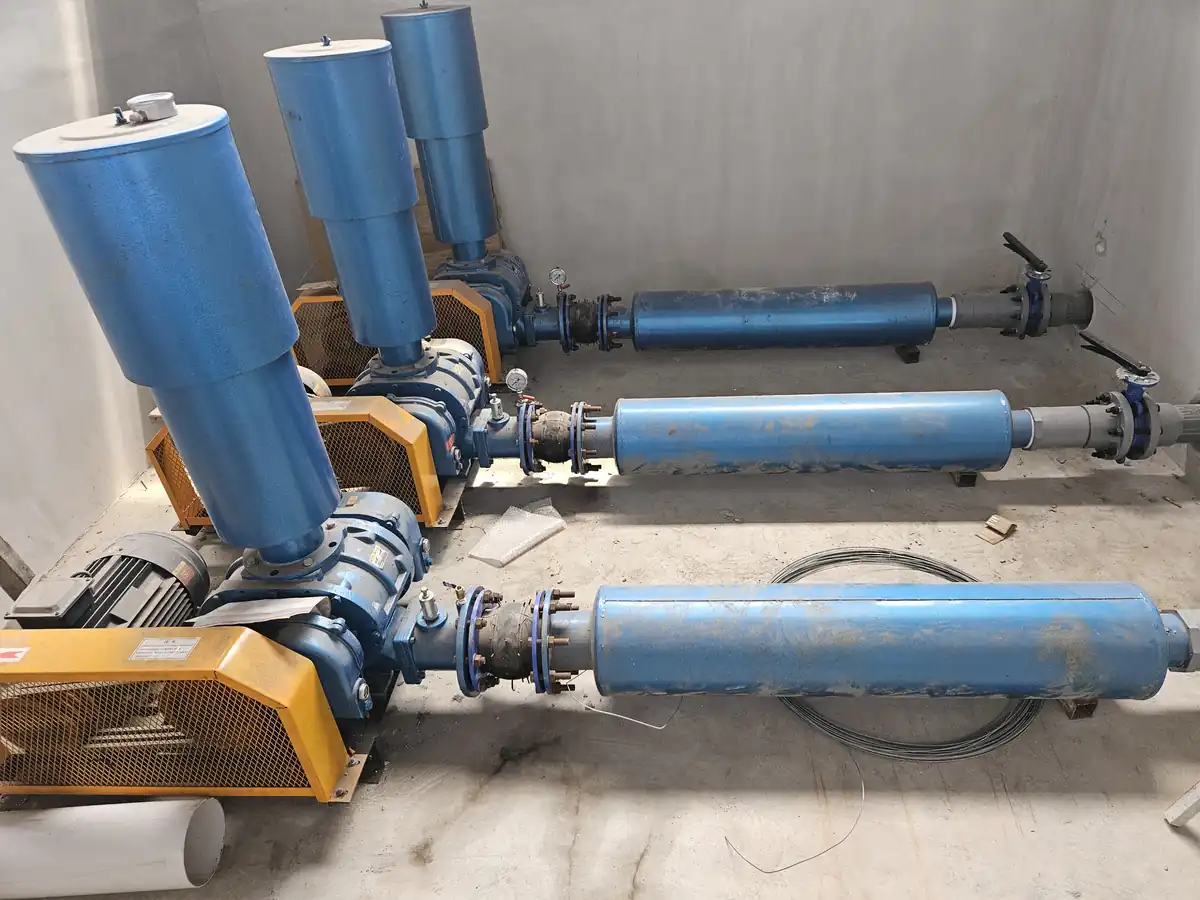
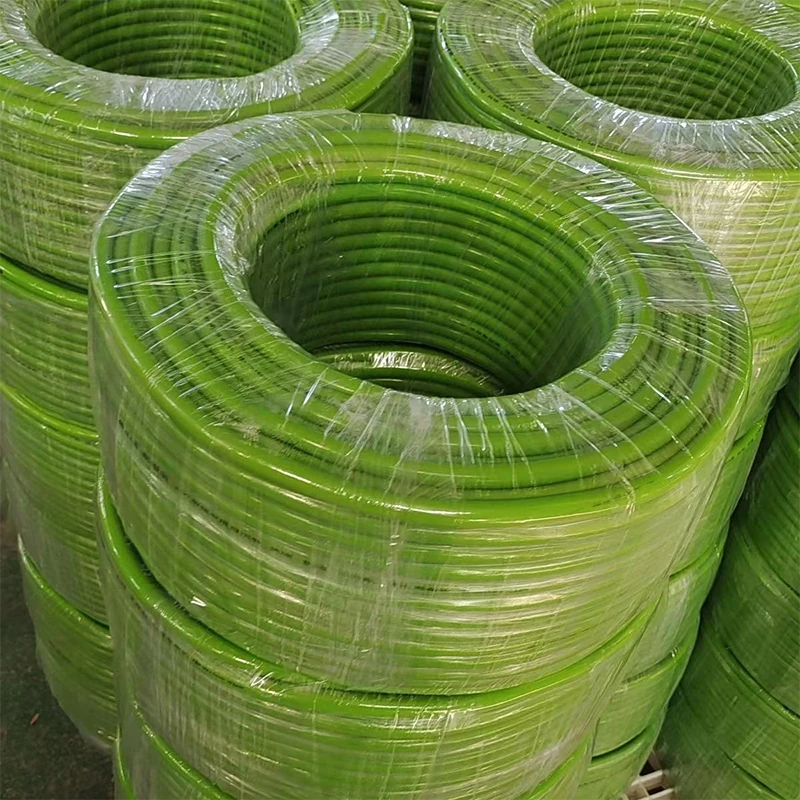
Jiangyin Zhongxin Machinery Equipment Co., Ltd. is a company focused on aquaculture aeration technology, helping farmers raise production and cut costs. Our Roots blowers and nano aeration tubes are both mature technologies.
The hardware side of this is covered on our microporous aeration system page.