Why aeration is the first place to save
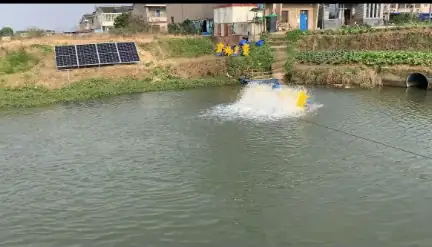
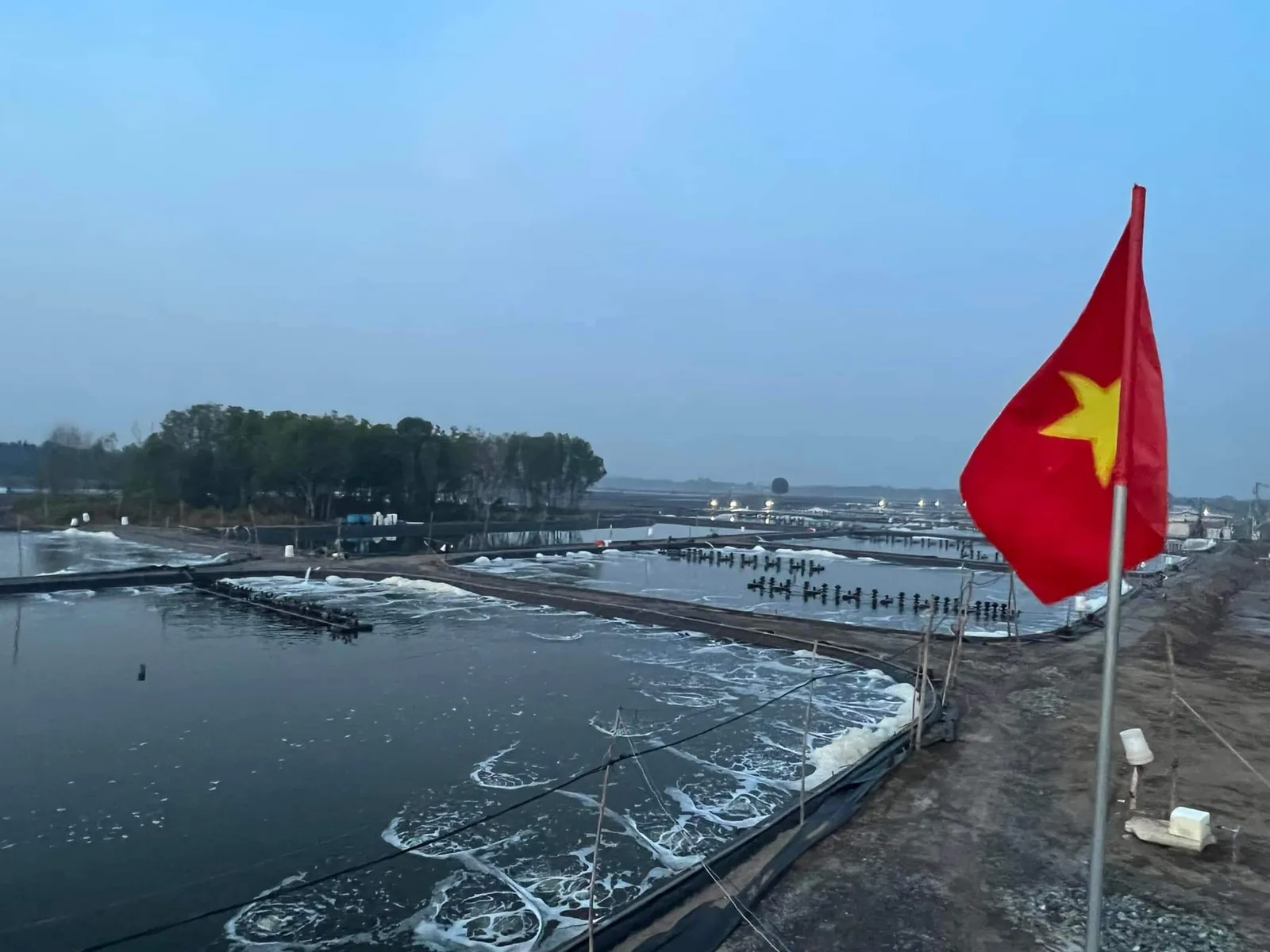
Aeration is the largest electricity consumer on an intensive shrimp farm — commonly 60-70% of total farm electricity, because a single paddle wheel aerator draws 1.5-3 kW and runs 20-24 hours a day through the crop (CapSolar reporting). Cutting aeration energy by half is worth more than any other single efficiency measure on the farm.
How a VFD saves energy
A variable-frequency drive (VFD) saves electricity in three ways on a paddle wheel aerator:
1. Soft start — the motor ramps up instead of taking a 5-8x current surge; no wasted start-up energy and less stress on motor and wiring.
2. Demand-based speed — you lower the motor speed in cool months, at low biomass, or at night when oxygen demand drops, instead of running flat out 24 h.
3. Better part-load efficiency — a VFD-driven motor keeps efficiency high when throttled, unlike a fixed-speed motor that simply wastes the excess.
Field retrofit results reported by aerator suppliers (AEROXY) show a 40-50% electricity reduction on converted paddle wheel units.
The payback calculation (copy the table)
Payback in months ≈ (retrofit cost per unit × units) ÷ (kW per unit × daily run hours × 365 × tariff × saving fraction).
Worked at 2.2 kW (3 hp) per unit, 20 h/day, 45% saving and a retrofit kit of about USD 700 per unit:
| Tariff (USD/kWh) | Saving per unit per year | 2-unit farm | 4-unit farm | 8-unit farm |
|---|---|---|---|---|
| $0.08 | $578 | invest $1,400 → 14.5 months | invest $2,800 → 14.5 months | invest $5,600 → 14.5 months |
| $0.12 | $867 | invest $1,400 → 9.7 months | invest $2,800 → 9.7 months | invest $5,600 → 9.7 months |
| $0.15 | $1,083 | invest $1,400 → 7.8 months | invest $2,800 → 7.8 months | invest $5,600 → 7.8 months |
Because the saving is proportional to the investment, payback depends on tariff and run hours, not on farm size. The table is easy to adapt: divide 700 by (2.2 × hours × 365 × tariff × 0.45) for the payback in years, then multiply by 12 for months.
A documented retrofit
A 4-unit paddle wheel retrofit reported by AEROXY cut annual aeration electricity from USD 3,504 to 1,752 — a 50% reduction — with payback in about 5 months at that farm's tariff and run schedule. Farms on higher tariffs recover the kit even faster.
Asynchronous VFD vs permanent-magnet VFD
Not all "VFD aerators" are equal. Two drive families are common:
- Asynchronous (induction) motor + VFD — the retrofit path above: your existing motor gains soft start and adjustable speed. Lower upgrade cost, works with the motor you already own.
- Permanent-magnet synchronous motor (PMSM) + VFD — the motor itself is more efficient than an induction motor at the same power, adds high torque at low speed, and typically comes in a direct-drive machine with fewer parts to wear. Best for new purchases and for farms that run aeration hardest.
If you are buying new machines rather than retrofitting, compare our high-efficiency permanent-magnet VFD aerator (built for high-tariff, long-run farms) with the variable-frequency floating aerator (VFD soft start at a conventional price point).
FAQ
Q: Can any paddle wheel aerator be retrofitted with a VFD?
A: Most three-phase induction-motor units can be retrofitted with an external VFD sized to the motor. Single-phase motors generally cannot. Check the motor nameplate and ask your supplier for the matching drive kit.
Q: Will lowering the speed at night hurt oxygen levels?
A: No — oxygen demand falls at lower biomass and temperature. The point of speed control is to match output to demand; see the timing rules in our smart aeration guide for when to run aerators at full versus reduced speed.
Q: Do VFDs need special protection in salty air?
A: Yes — mount the drive in a ventilated, sheltered cabinet away from direct spray, since coastal shrimp farms are corrosive environments. Most retrofit kits include an IP-rated enclosure.
Q: What other savings come with the retrofit?
A: Soft start extends motor and belt life, adjustable speed reduces mechanical wear at low load, and the drive reports running hours and current — useful data for farm management. Combined with the energy savings, operators usually report the retrofit pays for itself twice over in the first year.
Q: Where can I get a payback estimate for my farm?
A: Send us the number of units, kW rating, daily run hours and your tariff — we will return a payback estimate and, if you are buying new, a comparison between asynchronous and permanent-magnet VFD aerators.