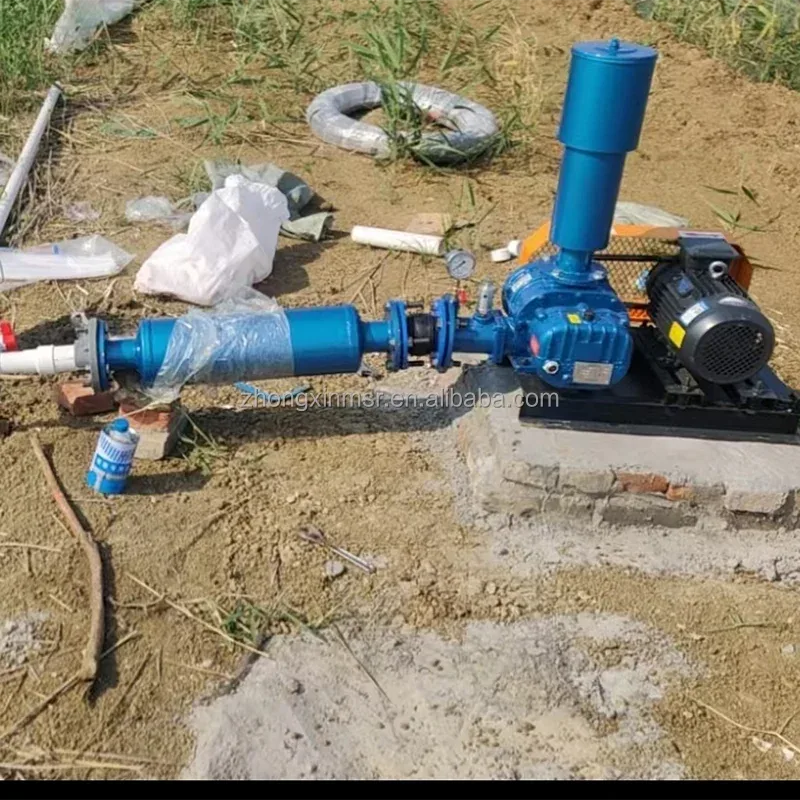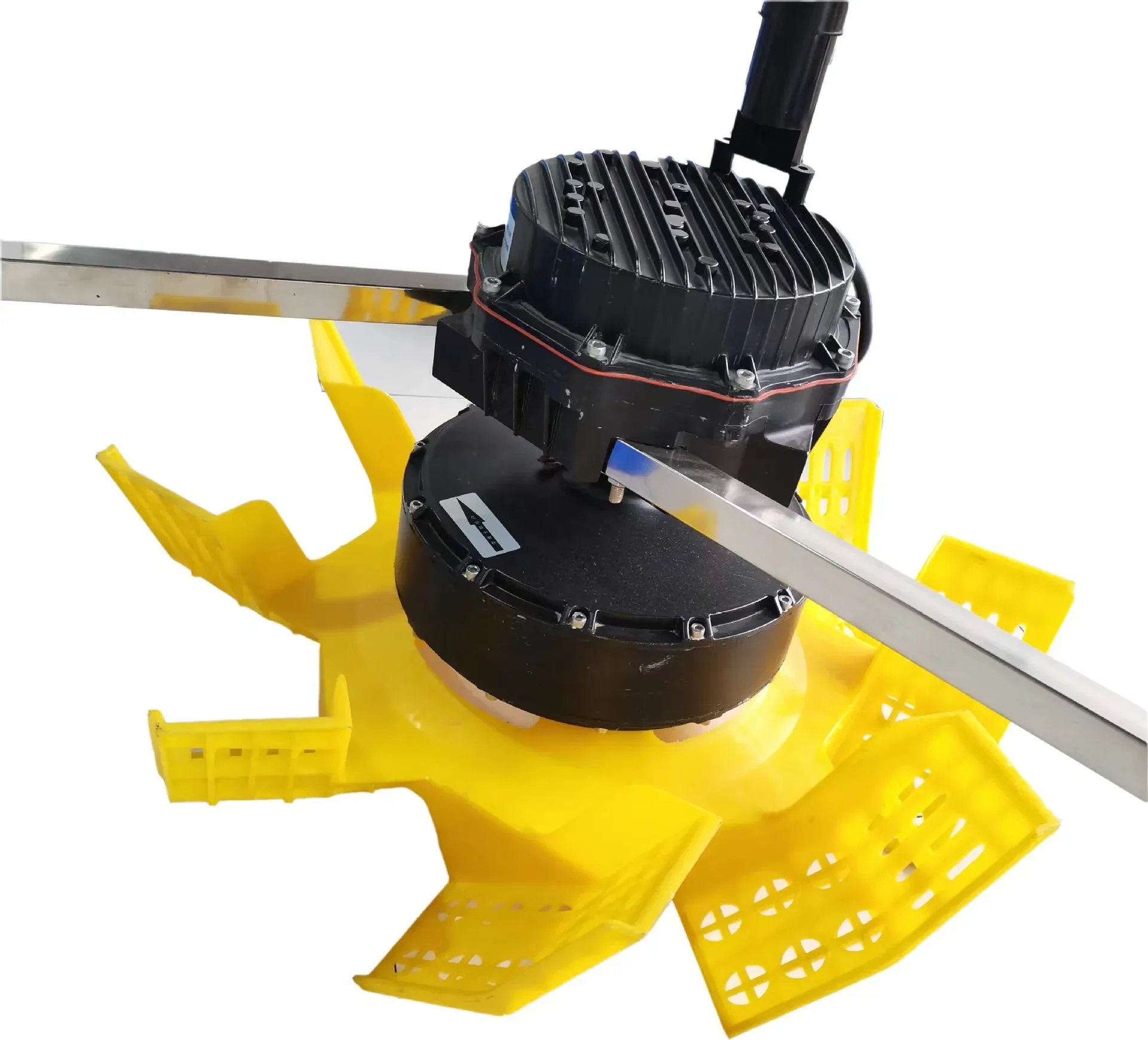
Aerating a pond is not about running the machine as much as possible — it is about running it at the right moments. The same roots blower can cost a fortune or save one depending on when it starts and stops. Chinese farmers sum up the three rules that matter:
Rule 1: Start before the fish surface — never treat the aerator as a rescue machine
If fish are already gasping at the surface, they have spent serious energy on an oxygen emergency. The old saying captures the cost: "one day of surface gasping means three days of eating nothing." Fish that have fought for air eat less, convert feed worse, lose disease resistance and grow slowly. Meanwhile low oxygen kills plankton, and the water quality itself deteriorates.
So do not wait for fish to surface — neither during the day (cloudy weather included) nor at night. Start aeration when DO is still 1-2 mg/L above the critical level. Aerating early prevents pond turnover, sharply improves feed utilisation, lowers the feed conversion ratio, keeps fish strong and disease-resistant, and preserves water quality.
Rule 2: Stop once oxygen is sufficient — avoid useless aeration
Once dissolved oxygen has reached an adequate level, switch the aerator off. Running it longer only burns electricity and stirs sediment for no gain. Every hour of unnecessary running is a direct cost.
Rule 3: The midday oxygen top-up — timing is everything
The midday top-up is the least understood and most valuable run of the day. When sunlight is strong at noon, photosynthesis can push dissolved oxygen in the surface layer well past saturation — often above 10 mg/L. At that moment, run the aerator to push the oxygen-rich surface water down to the bottom, raising the oxygen bank of the whole pond so the night-time drop does not bottom out. The mixing also speeds up decomposition of organic matter and oxidation of inorganic compounds, and suppresses ammonia, nitrite and hydrogen sulfide.
But the timing must be right. If the surface layer is not yet saturated, the top-up achieves little. If you run it exactly when the surface water is at or past maximum supersaturation, the effect is multiplied — oxygen is banked in the deeper water where it is needed during the night.
The aerator is a tool, not a safety net: aerate early (1-2 mg/L before the critical level), stop on target, and bank oxygen at midday. Farmers who follow these three timings report better feed conversion, fewer disease outbreaks and a measurably lower electricity bill. For the full energy-cost comparison between fine-bubble and paddle-wheel systems, see reducing aeration energy costs in tropical shrimp farming, or contact us to match blower capacity and run-time schedules to your pond.
Frequently asked questions
Q: When exactly should aeration start? A: When dissolved oxygen is still 1–2 mg/L above the critical level — not once the fish are already at the surface, and not only at night: the same rule applies during the day, cloudy weather included.
Q: Why is surface gasping so costly? A: Because one day of surface gasping means three days of eating nothing. Fish that have fought for air eat less, convert feed worse, lose disease resistance and grow slowly — and low oxygen also kills plankton, so the water quality itself deteriorates.
Q: When should the aerator be switched off? A: As soon as dissolved oxygen is adequate. Running longer only burns electricity and stirs sediment for no gain.
Q: What is the midday top-up for? A: When strong midday sun pushes surface oxygen well past saturation, often above 10 mg/L, running the aerator drives that oxygen-rich water down and banks oxygen for the night. The mixing also speeds decomposition of organic matter and suppresses ammonia, nitrite and hydrogen sulphide.