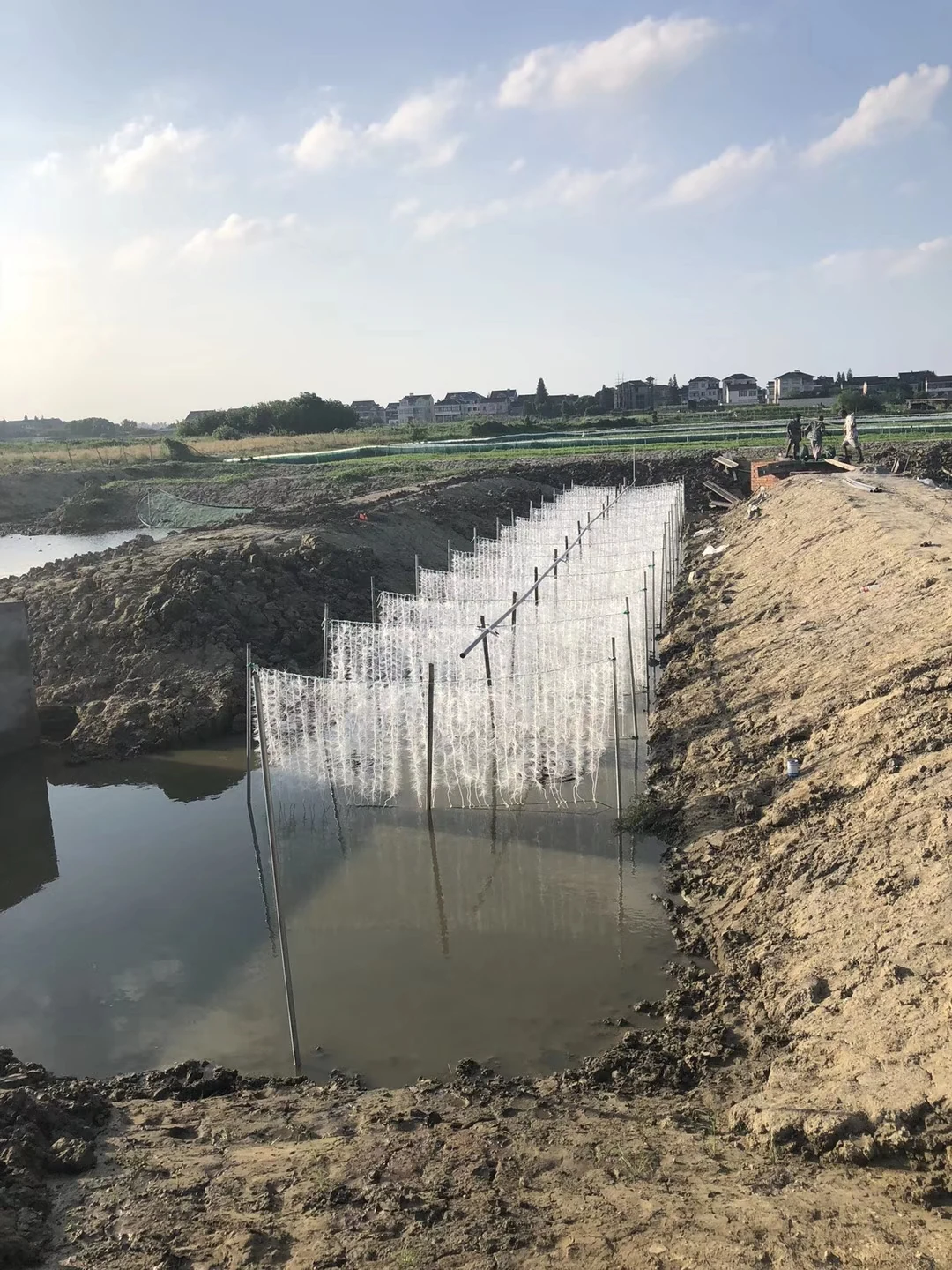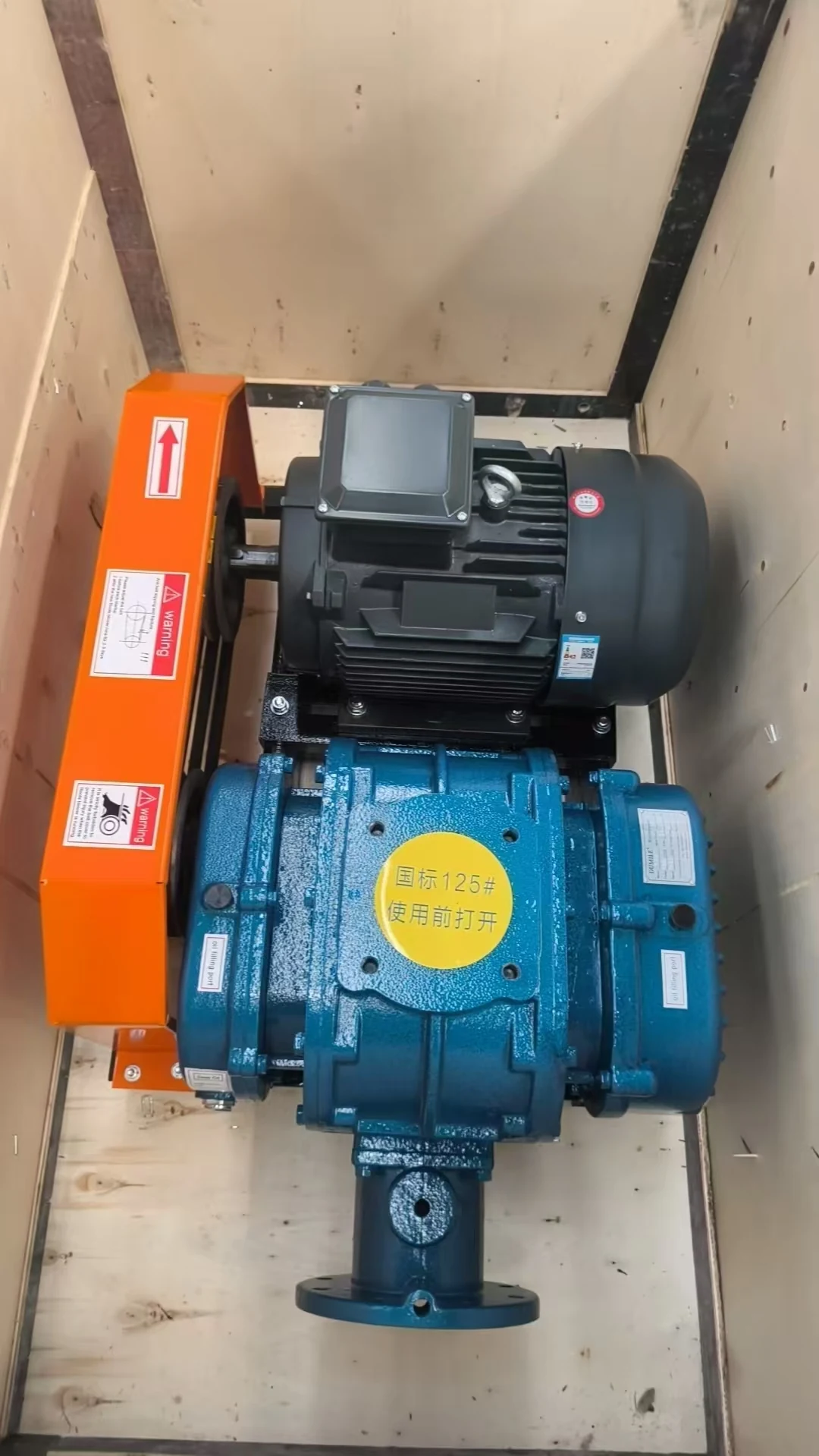
During rain
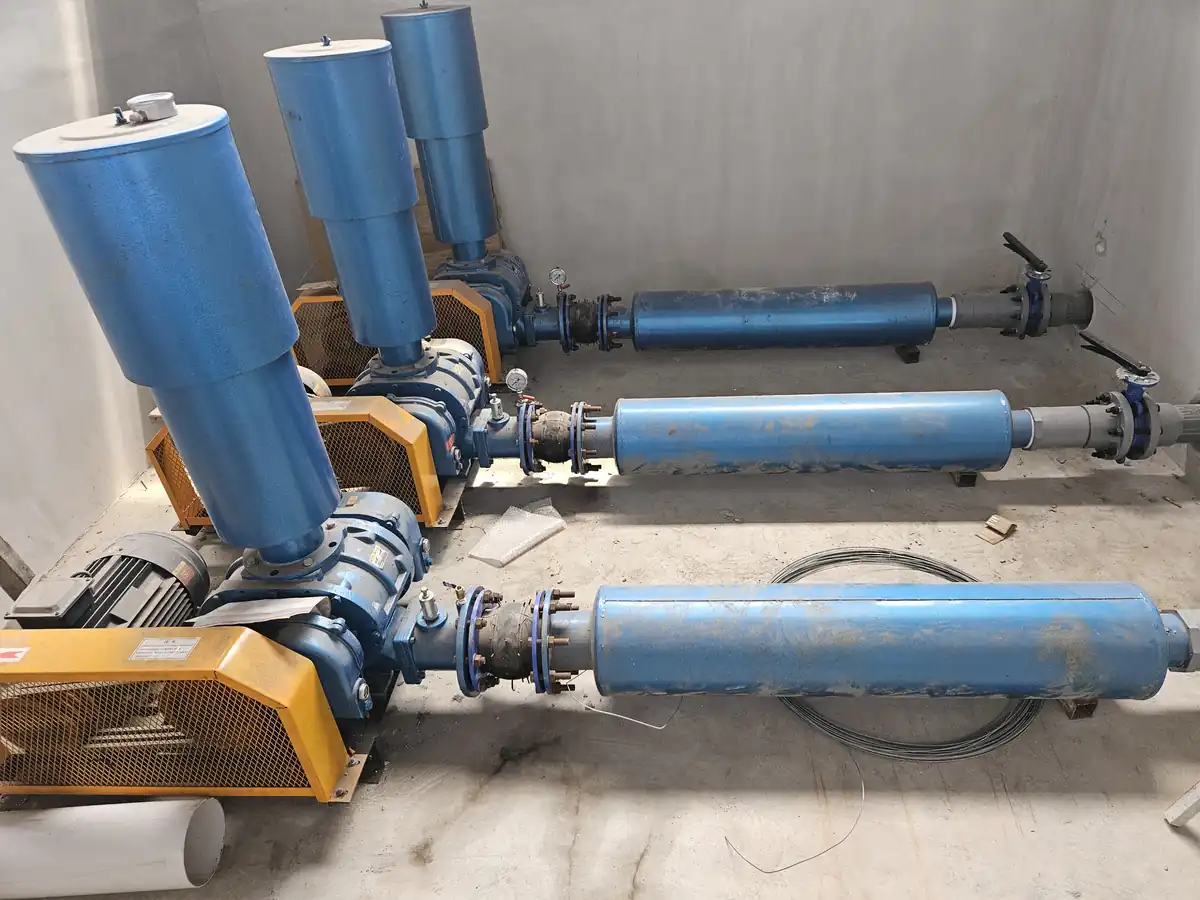
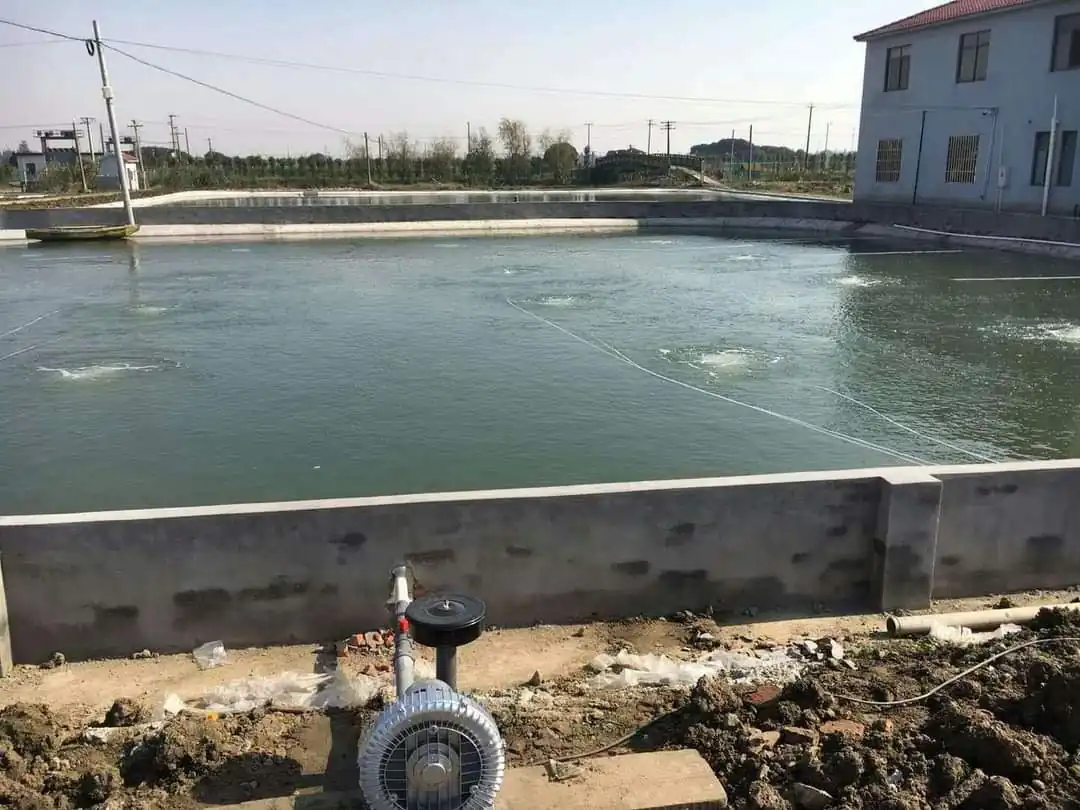
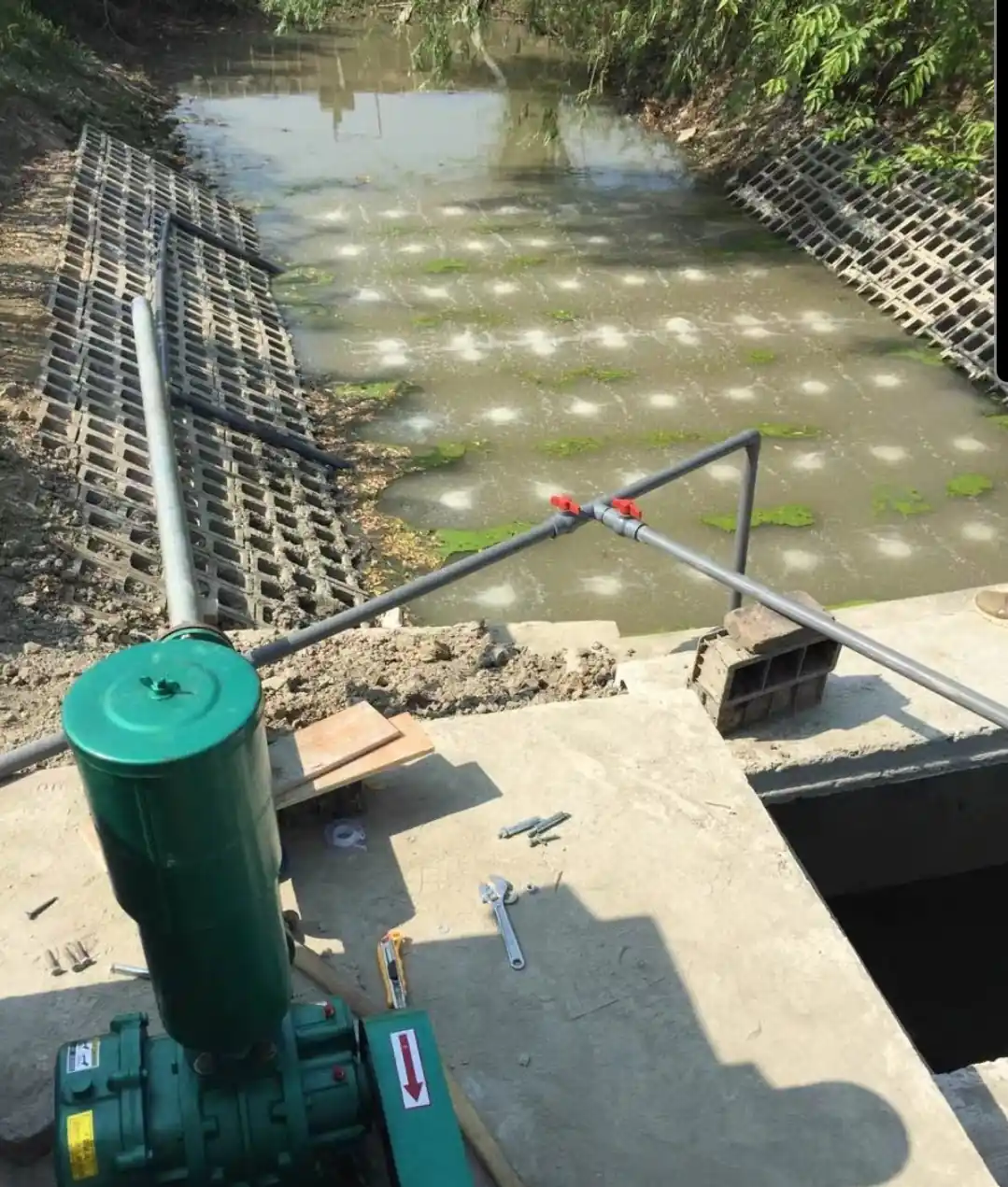
1. Watch the water quality. Muddy water enters ponds either through the water source or over the banks. Mud, sand, branches, leaves and other debris reduce water clarity and dissolved oxygen, disturbing the pond's ecosystem. During rain, cut off the muddy water source and top up with clean water, or run your Roots blower / aerator.
2. Check inlet and outlet points. Repair any spots that could flood. Ponds beside streams or small rivers should be checked regularly — especially before the rainy season — for blockages by river debris. Clear blockages promptly to avoid flooding.
3. Patrol during rain breaks. Reinforce pond banks and anti-escape fencing, check farming equipment and electrical safety, and make sure hardware failures do not cause production losses through neglect.
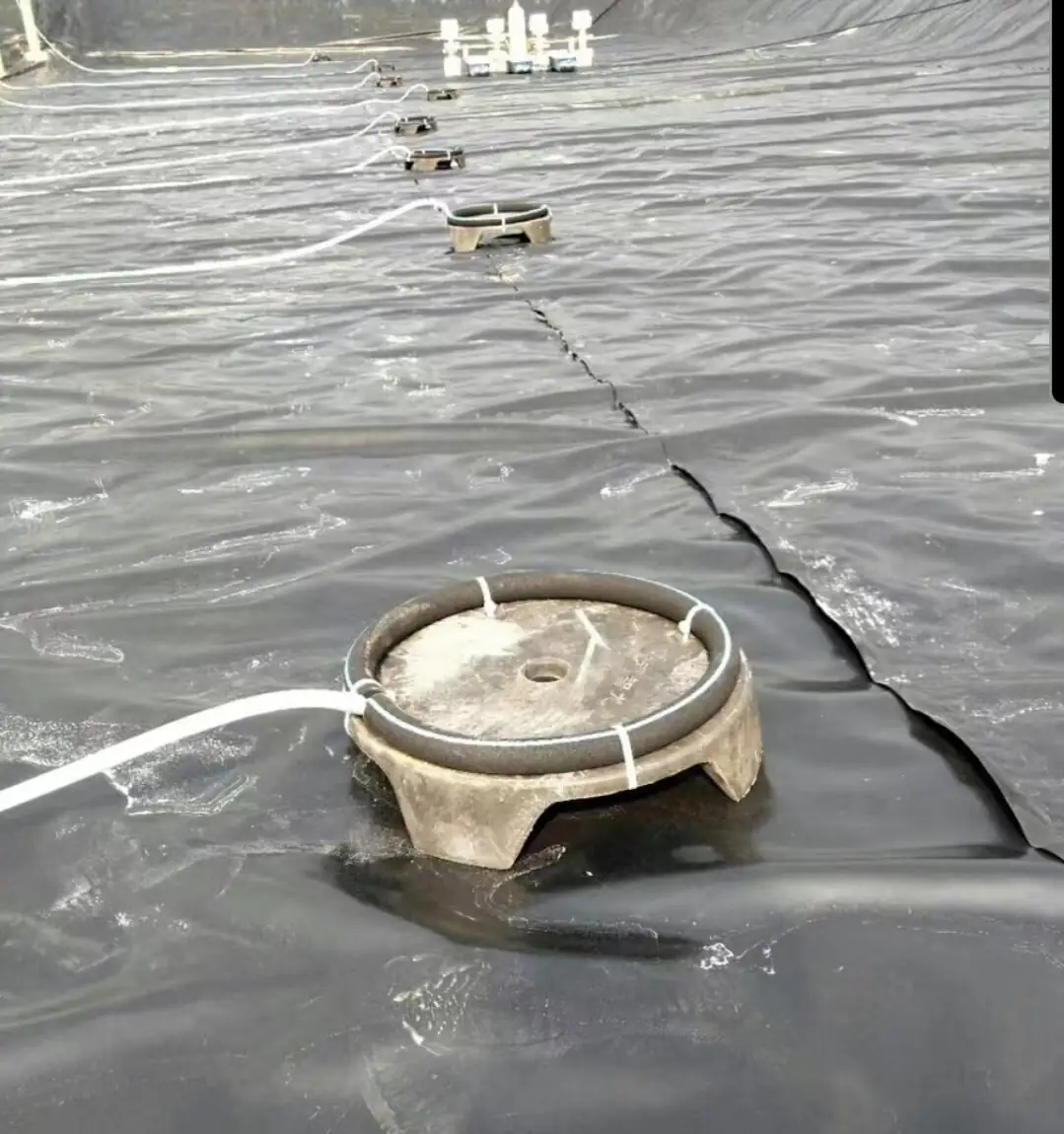
4. Keep oxygen up. Overcast, rainy weather makes ponds prone to oxygen depletion: fish, algae and organic-matter oxidation all consume oxygen. As the saying goes, "one day without oxygen, three days without growth" — oxygen shortage causes irreversible harm. Pay special attention to bottom aeration: use a three-lobe Roots blower with microporous nano-tubing to aerate the water.
5. Disinfect the bottom. Long periods of rain easily breed bacteria at the pond bottom, so carry out bottom conditioning and disinfection.
After the rain
1. Change pond water. On a stable sunny day, drain and replace water — never flood it in. Watch the temperature difference between the new water and the pond; if it is large, warm the water in the sun first.
2. Kill pests and disinfect. Rainwater and muddy inflow bring in parasites and pathogens, and can trigger fish disease.
3. Prevent disease. Fish eat and move less during rain, so their condition may decline and the risk of disease rises. Monitor closely and treat early.