Choosing the reservoir
When carrying out high-density aquaculture in a reservoir, the first thing is of course to choose the reservoir well: it should have plenty of sunshine and be well sheltered from the wind, providing sufficient light for the farmed animals and strengthening their growth. In addition, the nutrient level of the reservoir water also affects the farming profit, so the water should be rich in nutrients.
Setting aside the pen-culture zone
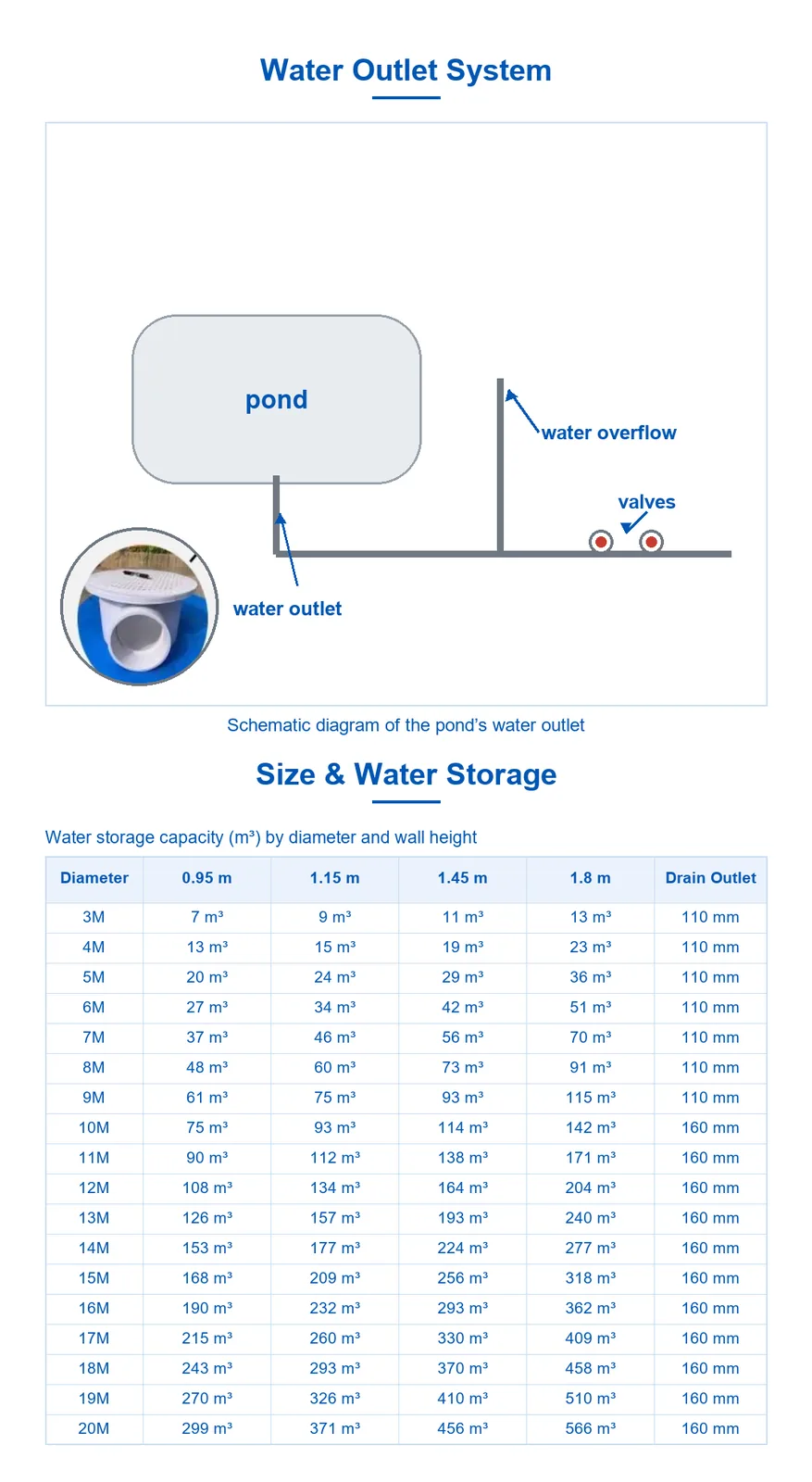
After choosing the reservoir, we set aside an area in it as the pen-culture zone. Using a 5-meter-diameter prefabricated tank barrel and a centralized pen-culture model, the fish excreta and residual feed are carried by the water flow and collect in the cone-shaped sludge collection zone; the cone-bottom sewage system can discharge the sludge at any time without polluting the water.
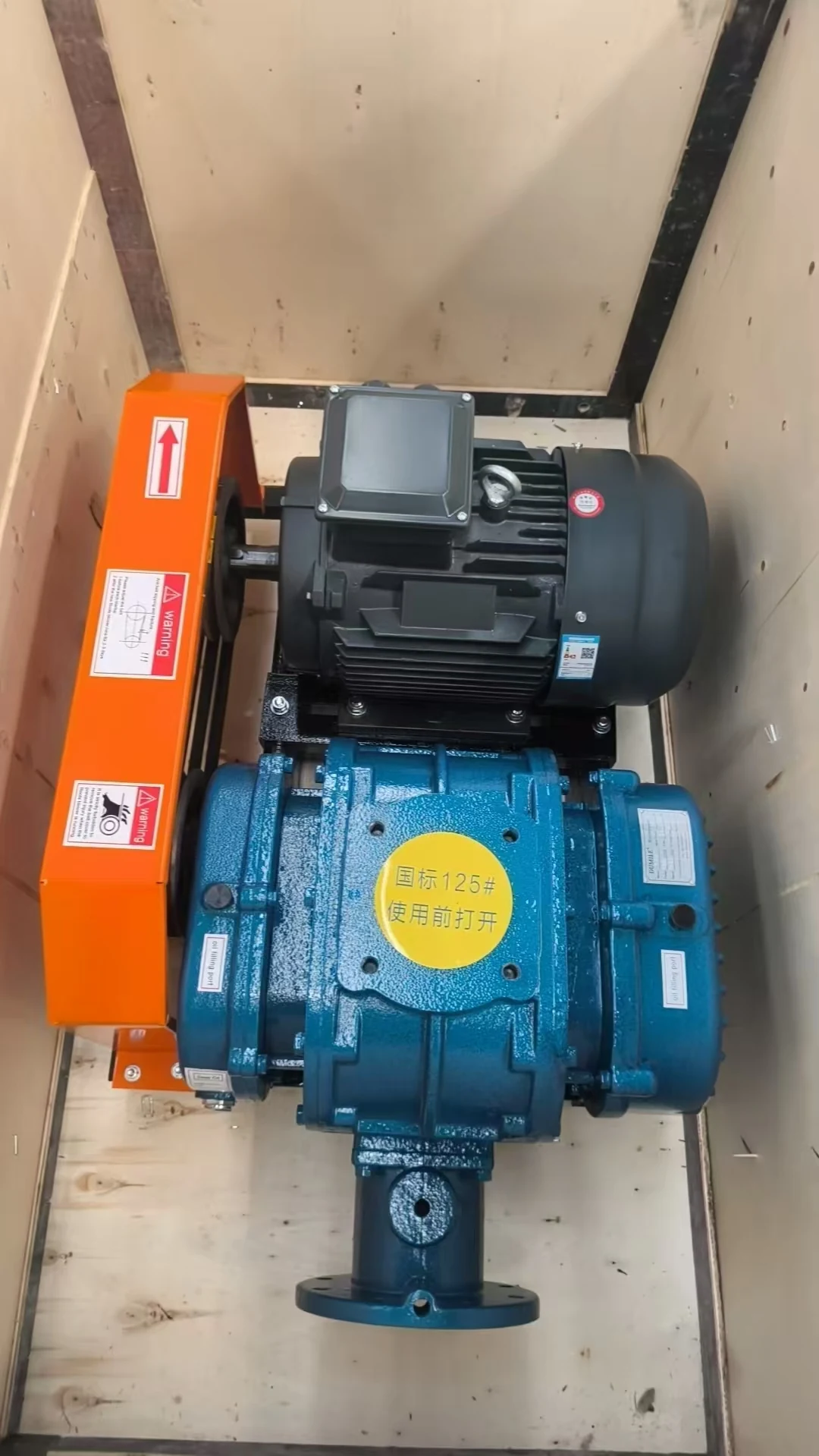
Delivering air with a roots blower
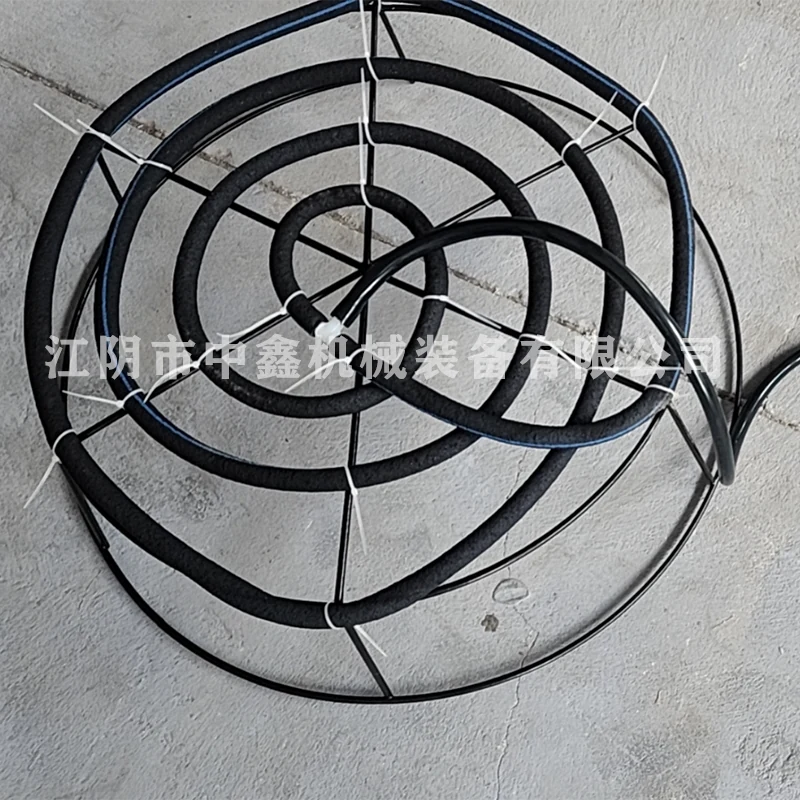
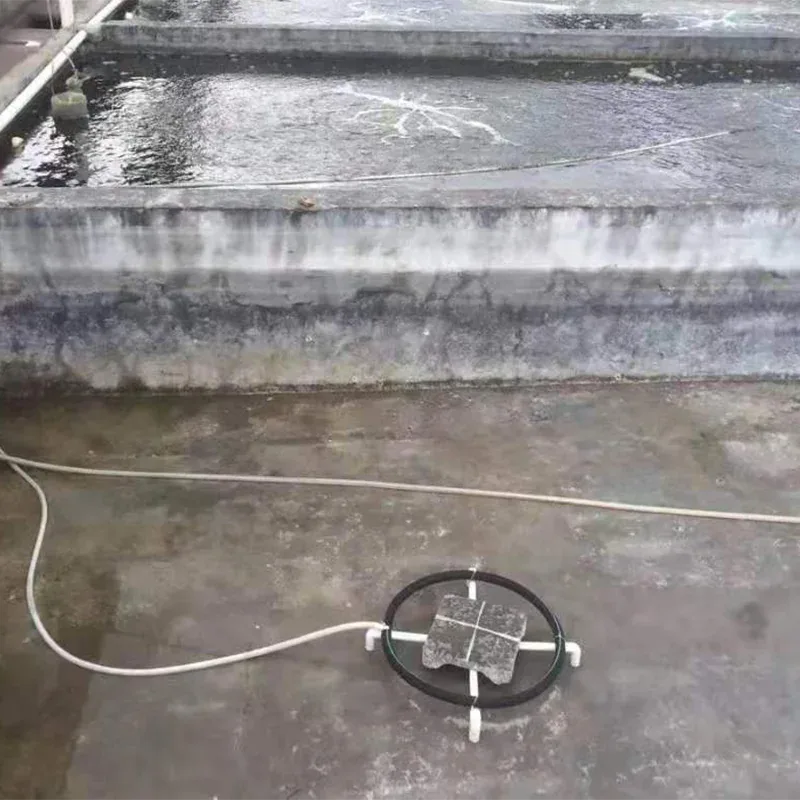
Through a roots blower, air is delivered to the aeration discs at the bottom and the aeration pipes around the tank walls, making the dissolved oxygen sufficient from the bottom to the surface, achieving all-round oxygen supply: the fish eat more, grow faster, have fewer diseases and higher yield, giving a better farming result.
Feeding and management savings
Centralized feeding improves feed utilization; scientific management saves labor and feed, reduces polluted water discharge, and is more productive and efficient.
Sludge removal and tank design
The sludge suction effect is obvious, and the smooth tank wall does not hold dirt; the collection and removal rate of fish excreta can reach 90%. The tail-water purification system can treat the collected farming wastewater through sedimentation and biochemical filtration, return it to standard and recycle it into the farming pond, reusing the water and reducing water consumption.
Natural bait and tank placement
When setting up the farming tanks, try to ensure there are enough natural baits around. Choose an appropriate cage structure and arrangement; pay attention to the layout and spacing between cages; select the farmed fish species according to the water body, and control the stocking size, density and polyculture ratio to make full use of the water body's productivity. Finally, manage feeding, escape prevention and disease prevention well: clean the cages regularly and check the mesh to ensure normal fish growth.
Frequently asked questions
Q: What should I look for when choosing a reservoir for tank culture? A: Plenty of sunshine and good shelter from the wind, so the stock gets light without being battered. The nutrient level of the water matters too, because it drives farming profit.
Q: How are waste and sludge handled inside the tank? A: The tank is a 5 m-diameter prefabricated barrel in a centralized pen-culture layout: excreta and residual feed are carried by the water flow into a cone-shaped sludge collection zone, and the cone-bottom drain empties it at any time without polluting the reservoir.
Q: How is oxygen delivered in a reservoir tank? A: A roots blower feeds aeration discs at the bottom and aeration pipes around the tank walls, so dissolved oxygen is adequate from the bottom to the surface. Fish eat more, grow faster, get sick less and yield more.
Q: How much solid waste is captured, and what happens to the water? A: The collection and removal rate of fish excreta reaches 90%, helped by a smooth tank wall that does not hold dirt. The tail-water purification system treats what is collected by sedimentation and biochemical filtration and recycles it back into the pond.
Q: What stocking decisions decide the result? A: Species chosen for the water body, plus stocking size, density and polyculture ratio, so the water body is used to capacity. Keep enough natural bait around the tanks, set a suitable cage structure and spacing, and clean the cages and check the mesh regularly.