The Short Answer
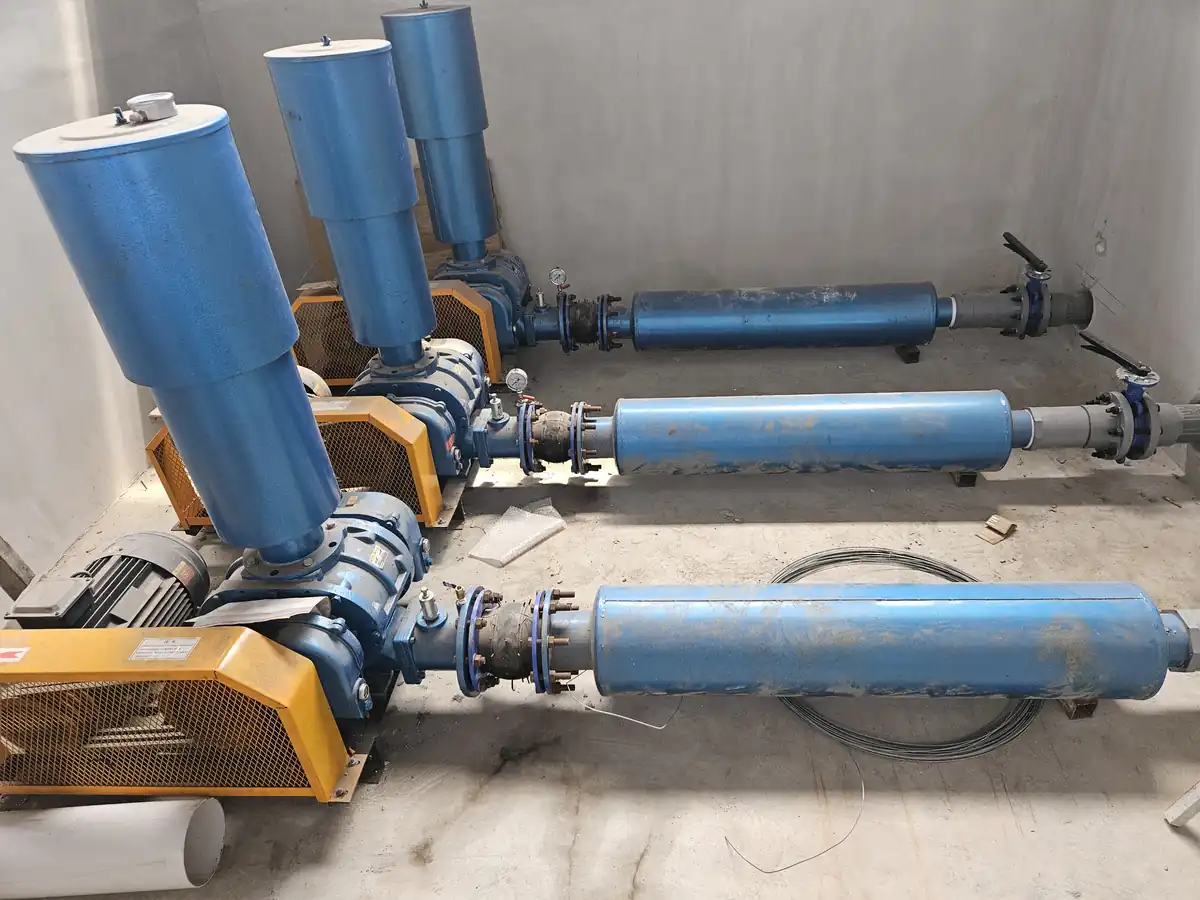
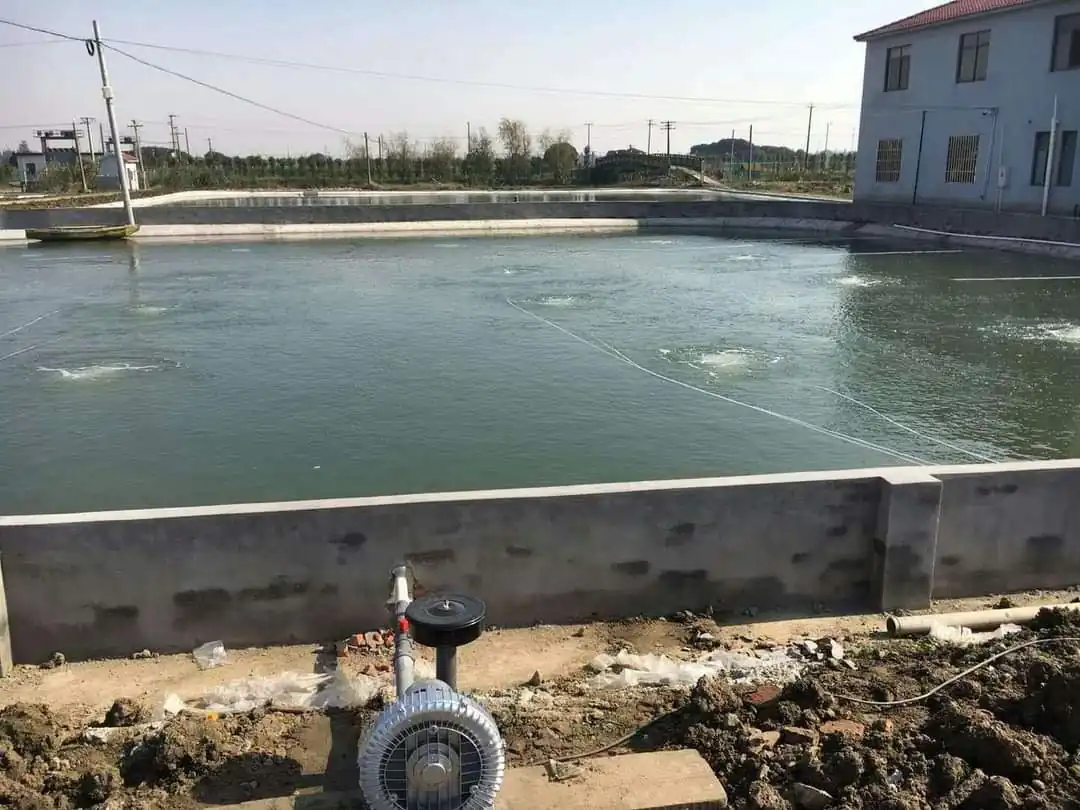
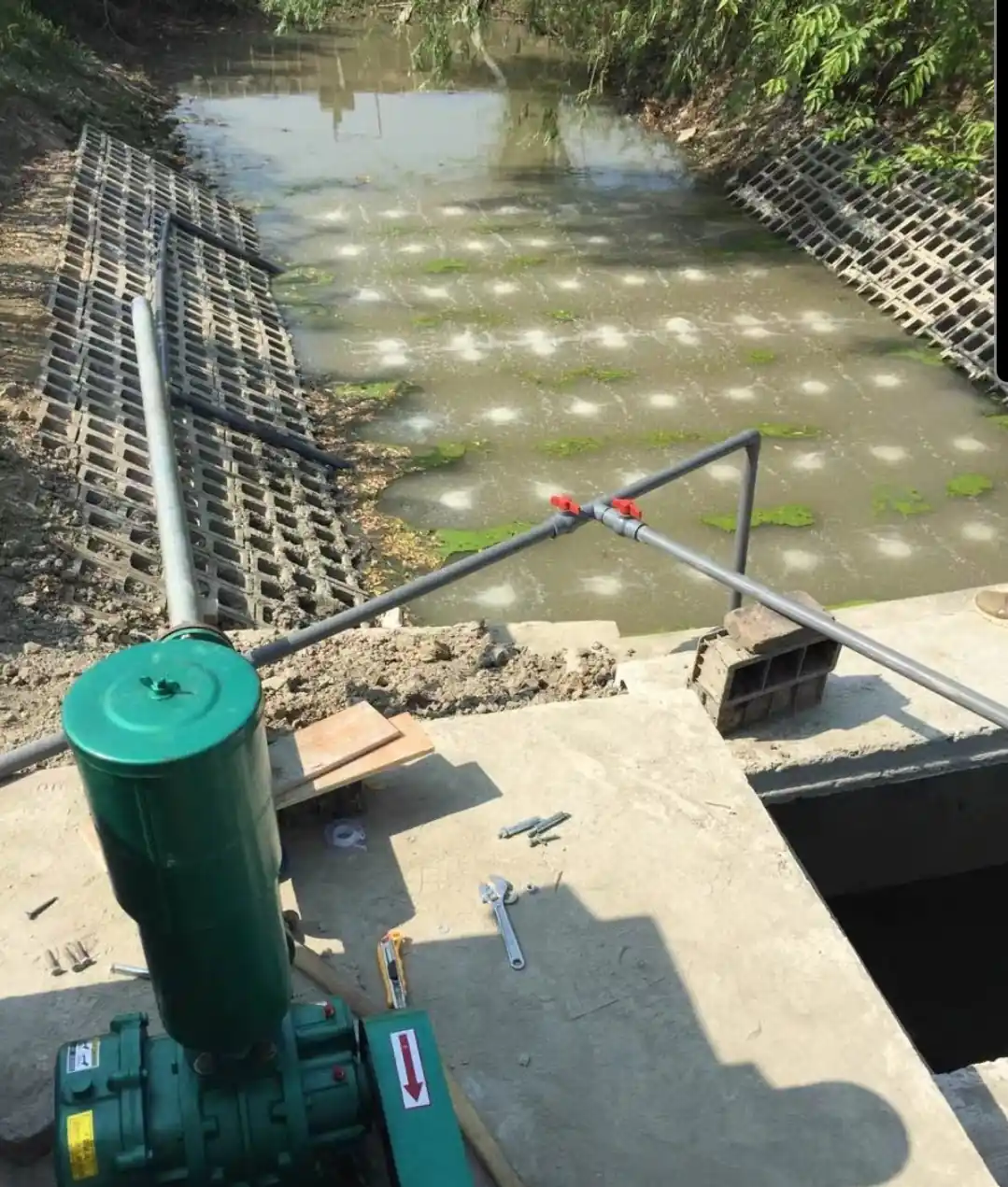
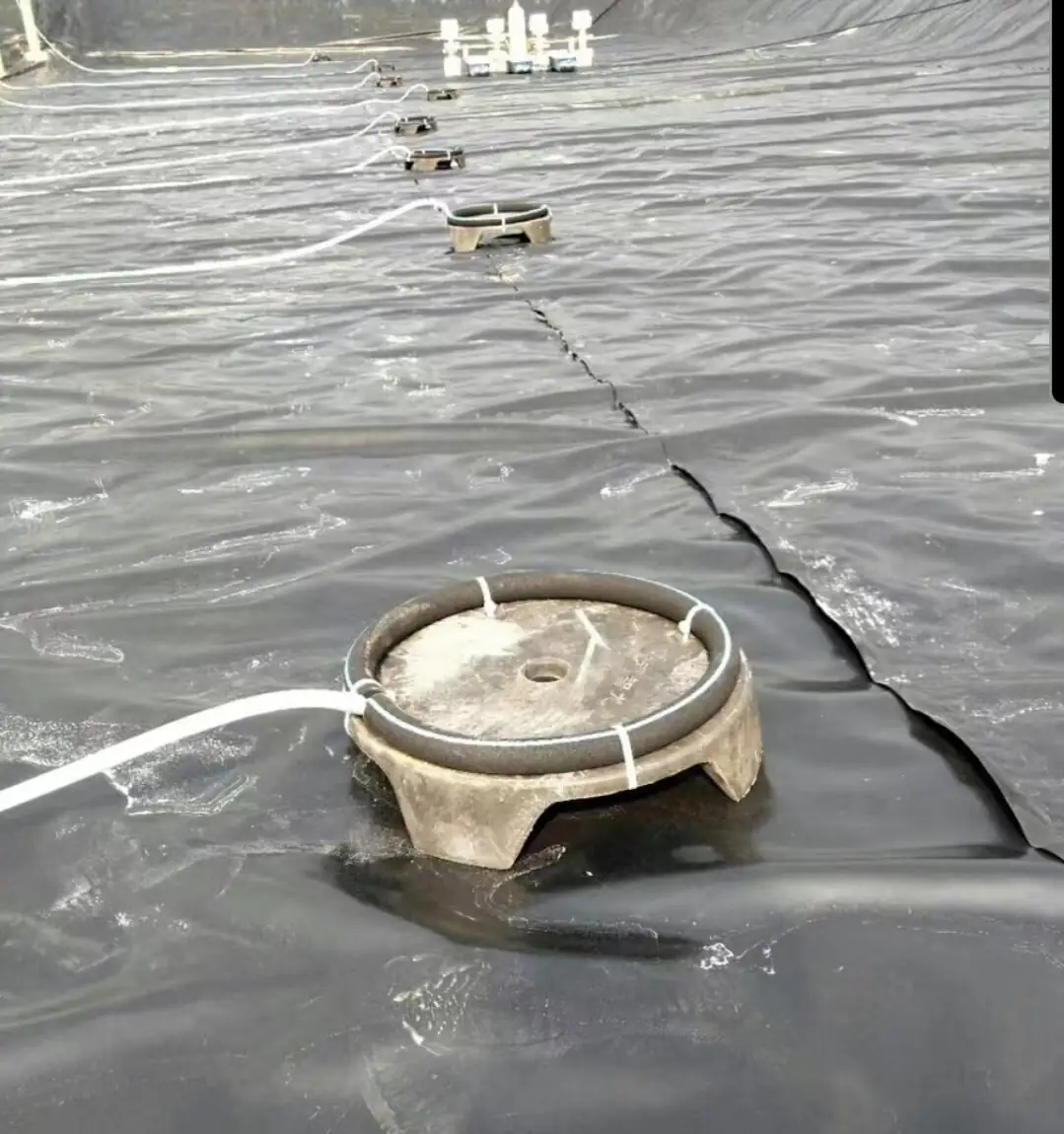
Keep dissolved oxygen (DO) at 4–6 mg/L at the pond bottom for most farmed shrimp species: growth slows below 3 mg/L and mortality risk rises sharply below 2 mg/L. DO naturally falls at night and after feeding, rises in the afternoon, and is lowest in hot, cloudy, and overstocked conditions. The reliable fix is bottom aeration (microporous tubing + roots blower) running 15–20 h/day during the growing season, sized at roughly 0.15 kW per mu, with manual or automatic DO monitoring.
---
The DO Basics Every Shrimp Farmer Should Know
The daily DO curve
| Time | Typical DO pattern | Why |
|---|---|---|
| Dawn (4–7 am) | Lowest point | Photosynthesis stops overnight; respiration continues |
| Morning | Rising | Algae and plants start producing oxygen |
| Afternoon | Highest point | Peak photosynthesis |
| Evening → night | Falling | Photosynthesis stops; shrimp and plankton respire |
The dangerous window is 3–7 am. Most DO crashes happen just before dawn, especially in hot weather and after cloudy days.
DO thresholds for shrimp
| DO level | Effect |
|---|---|
| > 6 mg/L | Optimal; growth not oxygen-limited |
| 4–6 mg/L | Normal target range |
| 3–4 mg/L | Suboptimal; growth slows, stress rises |
| 2–3 mg/L | Dangerous; feeding stops, disease risk rises |
| < 2 mg/L | Critical; mortality begins within hours |
---
Aeration Strategy: When and How Much
Baseline: bottom aeration daily
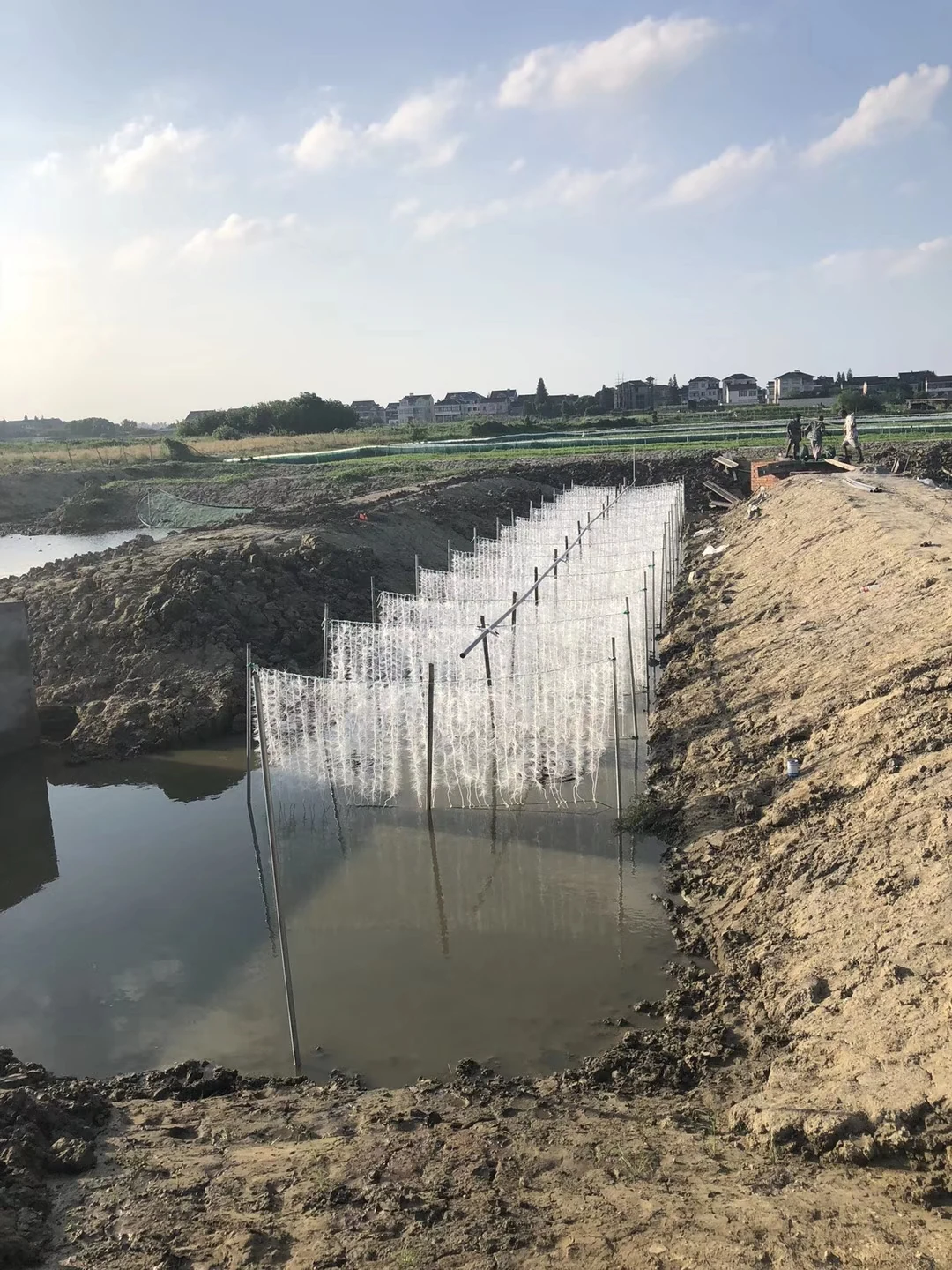
Run microporous bottom aeration 15–20 h/day during the growing season, not just at night:
- Night (after sunset to dawn) — mandatory; photosynthesis is off.
- After feeding (1–2 h) — shrimp metabolism spikes; extra oxygen improves feed conversion.
- Hot cloudy afternoons — reduced photosynthesis despite high temperature.
A well-sized system runs at ~0.15 kW per mu. Sizing recap: 1 kW of blower per 100–150 m of microporous tubing; tubing lines 3–5 m apart, 10–20 cm above the bottom.
Backup for emergencies
Keep an emergency aerator (paddle wheel or jet) or a second blower for DO crashes—a 2-hour outage during the pre-dawn window can cost more than the backup equipment.
Monitor, don't guess
- Manual: test DO at dawn and afternoon, at the bottom and mid-depth, 2–3× per week; daily in hot weather.
- Automatic: DO probes with alarms can switch the blower on automatically below a setpoint (e.g. 4 mg/L) — the best investment for high-density operations.
---
5 Common DO Mistakes
1. Aerating only at night — daytime aeration also improves feeding efficiency and prevents afternoon stratification.
2. Checking DO only at the surface — surface DO can read 6+ mg/L while the bottom (where shrimp live) is at 2 mg/L. Always sample the bottom.
3. Sizing aeration to calm weather — hot, cloudy, and windy-still days are the stress test; size for the worst week of the season.
4. Ignoring the pre-dawn window — the crash happens at 3–7 am; if you must shut down aeration for maintenance, do it mid-morning, never at night.
5. No backup — a single blower failure on a hot night is a full-pond mortality event.
---
Beyond Aeration: Supporting Factors
- Stocking density — every kg of shrimp adds oxygen demand; do not exceed what your aeration can supply.
- Feeding — feed in the morning and late afternoon, avoid feeding when DO is below 4 mg/L (shrimp won't convert feed efficiently anyway).
- Water exchange — periodic exchange removes oxygen-demanding organic load.
- Sediment management — sludge at the bottom consumes oxygen; remove or minimize accumulation around the drain.
---
Frequently Asked Questions
Q: What is the best DO level for whiteleg shrimp (L. vannamei)?
A: Target 4–6 mg/L at the bottom. Many commercial farms alarm at 3.5–4 mg/L and act immediately.
Q: How often should I check DO?
A: Minimum: dawn and afternoon, bottom and mid-depth, 2–3× per week; daily during hot weather, cloudy spells, and the late growing season. Automatic probes are recommended at high density.
Q: Is more aeration always better?
A: No—oversized aeration wastes electricity and can stress shrimp with excessive water movement. Match the system to density and pond depth (0.15 kW/mu is a good planning number), and keep a backup rather than running oversized.
Q: Can I rely on paddle wheels for DO?
A: Paddle wheels oxygenate the surface; in deep or high-density ponds the bottom can stay hypoxic. Use bottom aeration as the baseline and paddle wheels for emergencies.
Q: Why did DO crash even though the aerator was running?
A: Common causes: aerator undersized for current biomass (density grew), blower filter fouled, tubing clogged, or a cloudy/hot day cut photosynthesis. Check all four.
Q: What's the right way to respond to a DO crash?
A: Turn on all available aeration immediately (including emergency units), stop feeding, add fresh water, and monitor every 30 min until DO recovers above 4 mg/L.
---
The Bottom Line
Dissolved oxygen is the single most controllable mortality risk in shrimp farming. Keep bottom DO at 4–6 mg/L with 15–20 h/day of properly sized bottom aeration, monitor at dawn and afternoon, and keep a backup for the pre-dawn window.
Zhongxin Machinery designs complete DO-management systems—roots blower, microporous tubing, manifold, and layout—sized to your pond area, depth, and stocking density. Send us your pond plan and we will reply with an aeration schedule and equipment list.
---
See aeration systems and tubing →
References: FAO aquaculture guidelines on pond aeration; University of Florida IFAS extension notes on dissolved oxygen management; SRAC publications on aeration for aquaculture ponds; Global Seafood Alliance shrimp farming resources; scientific reviews on diffused aeration efficiency.