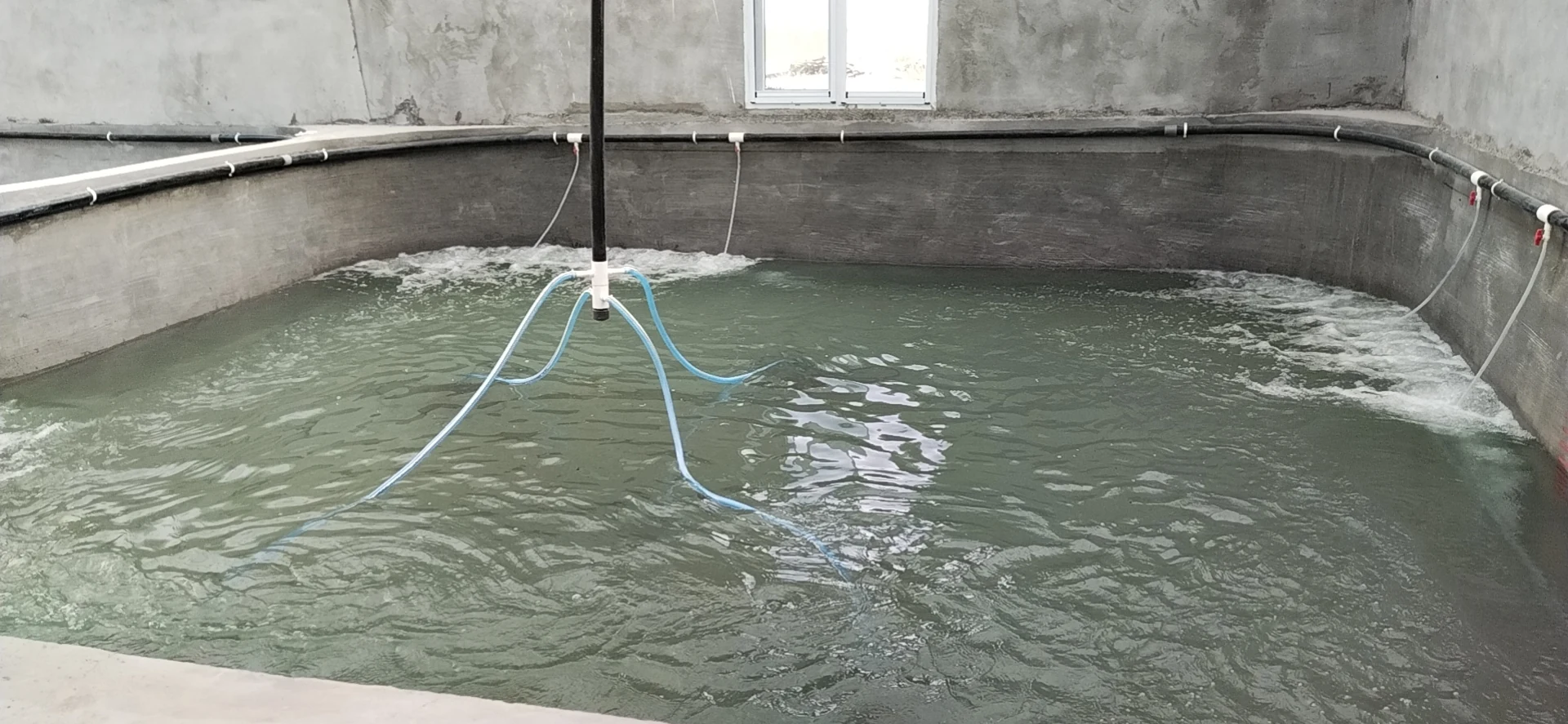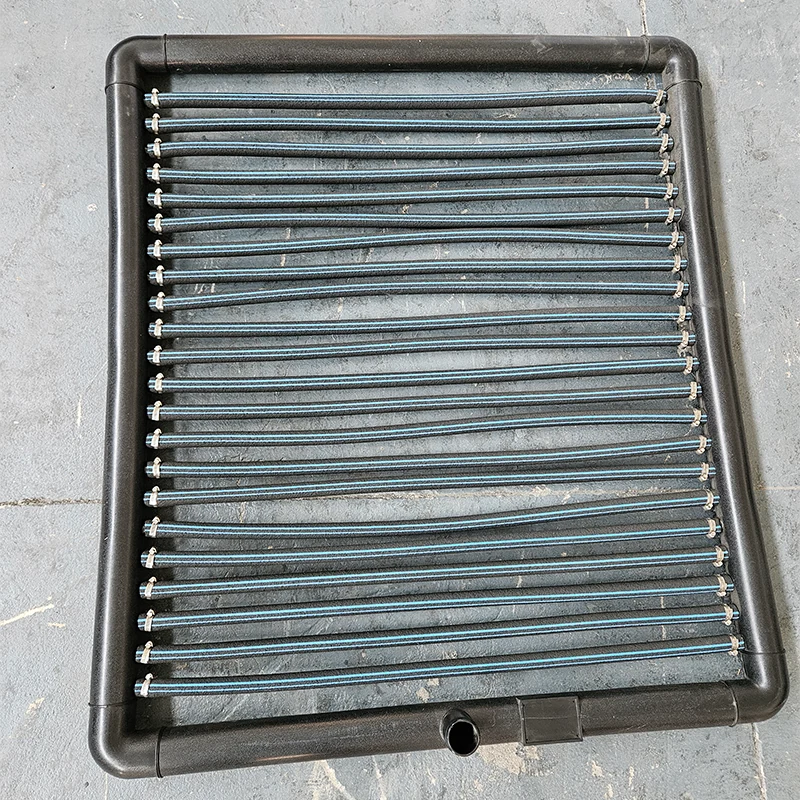
Microporous pipe bottom aeration in ponds effectively raises dissolved oxygen, distributes it evenly, and covers a wide aeration range - particularly suited to bottom-dwelling species such as river crab, shrimp and fish. The technology allows stocking density and yield to be raised, improving farm economics.
1. How microporous aeration works.
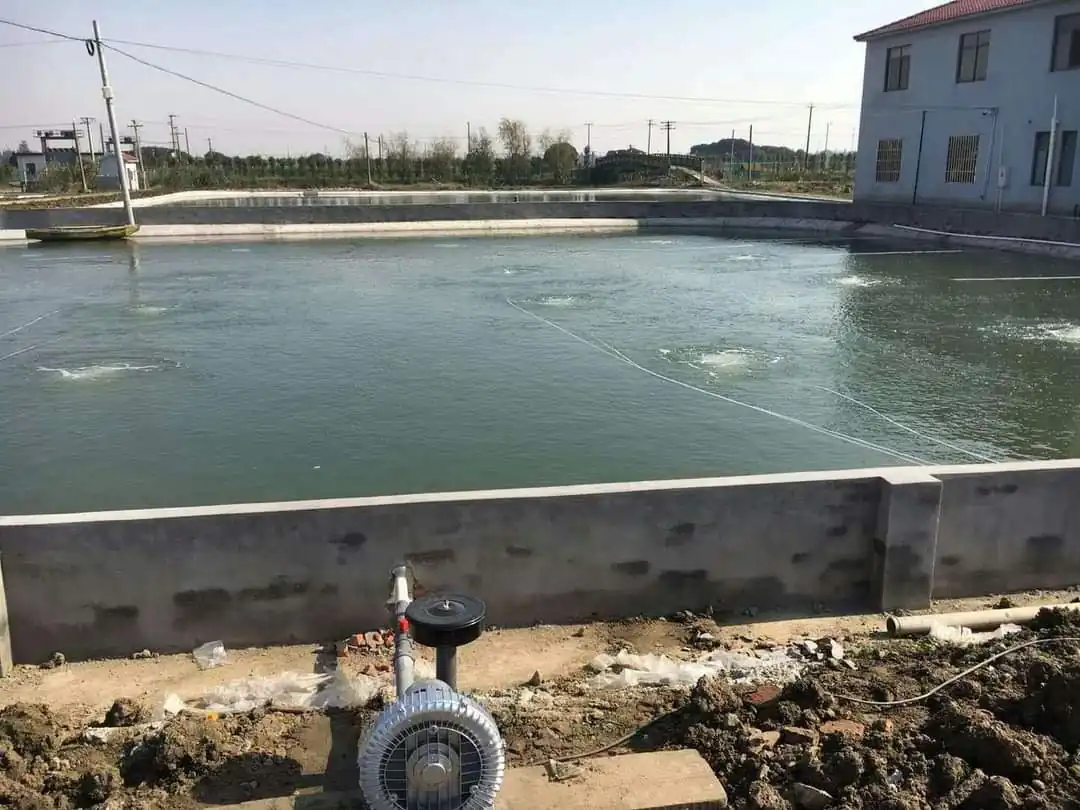
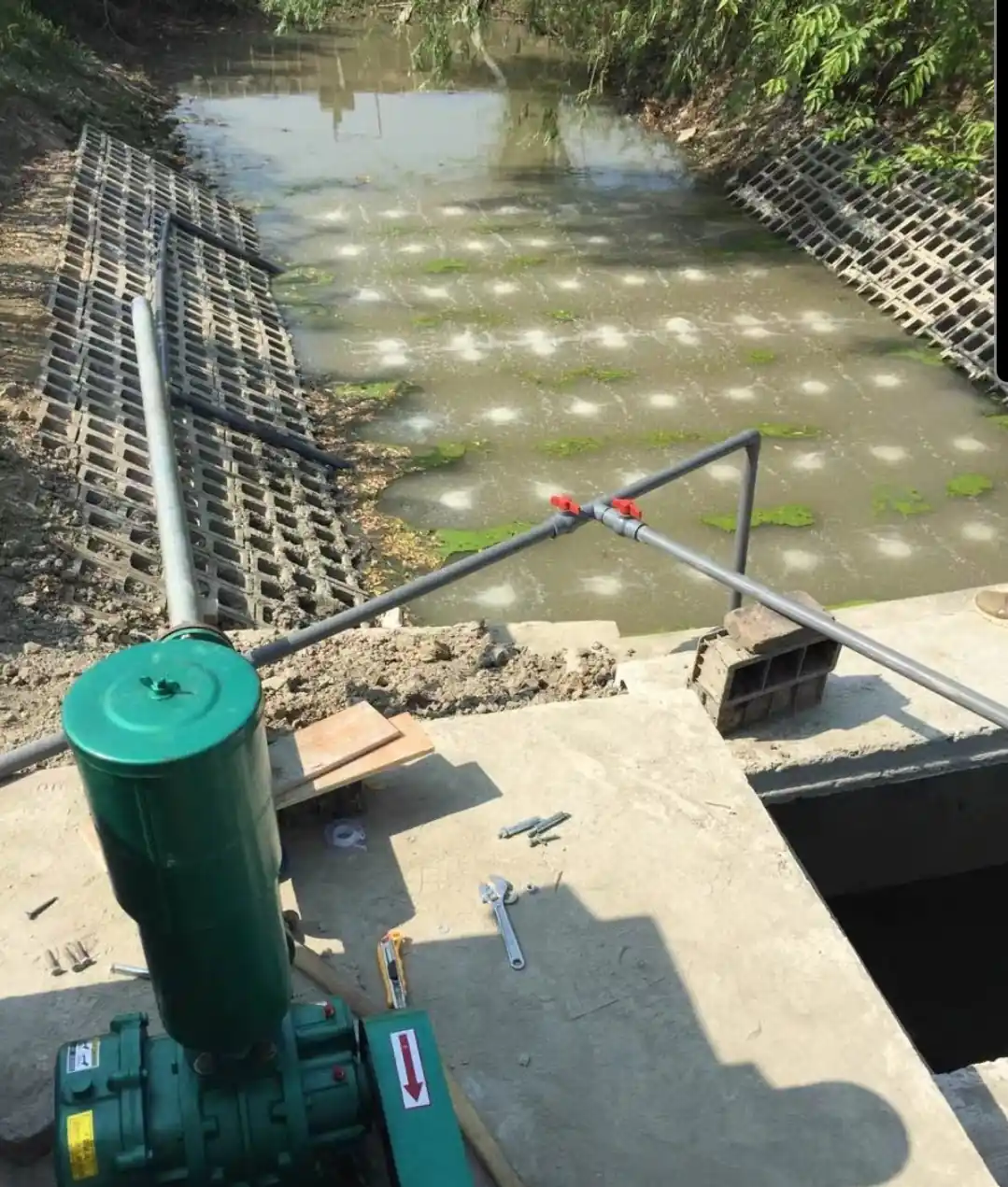
A roots blower pushes air into a delivery pipe, which carries it to the microporous tube; the tube releases the air into the water as micro-bubbles. The bubbles rise from the bottom and, under the high oxygen partial pressure, dissolve fully into the water. The flow also creates rotation and vertical movement: the vertical movement carries oxygen-rich surface water to the bottom, while the rotational movement spreads the oxygen-rich water around each tube outward, giving even aeration across the pond.
2. System structure.
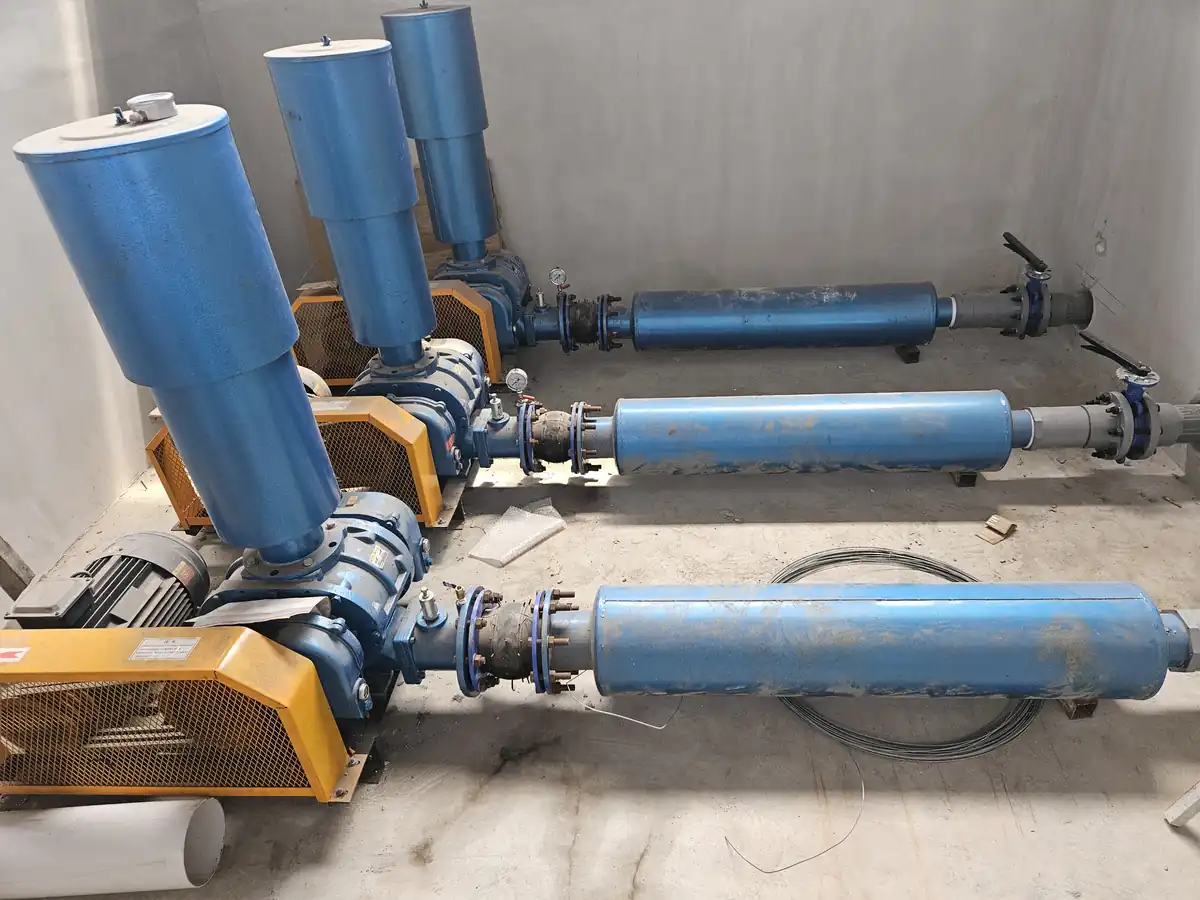
A microporous aeration installation consists of the motor unit, a roots blower (1,400 rpm), an air-buffer tank, the main pipe (PVC), branch pipes (PVC or rubber hose) and the aeration tube (microporous nano tube).
3. Installation.
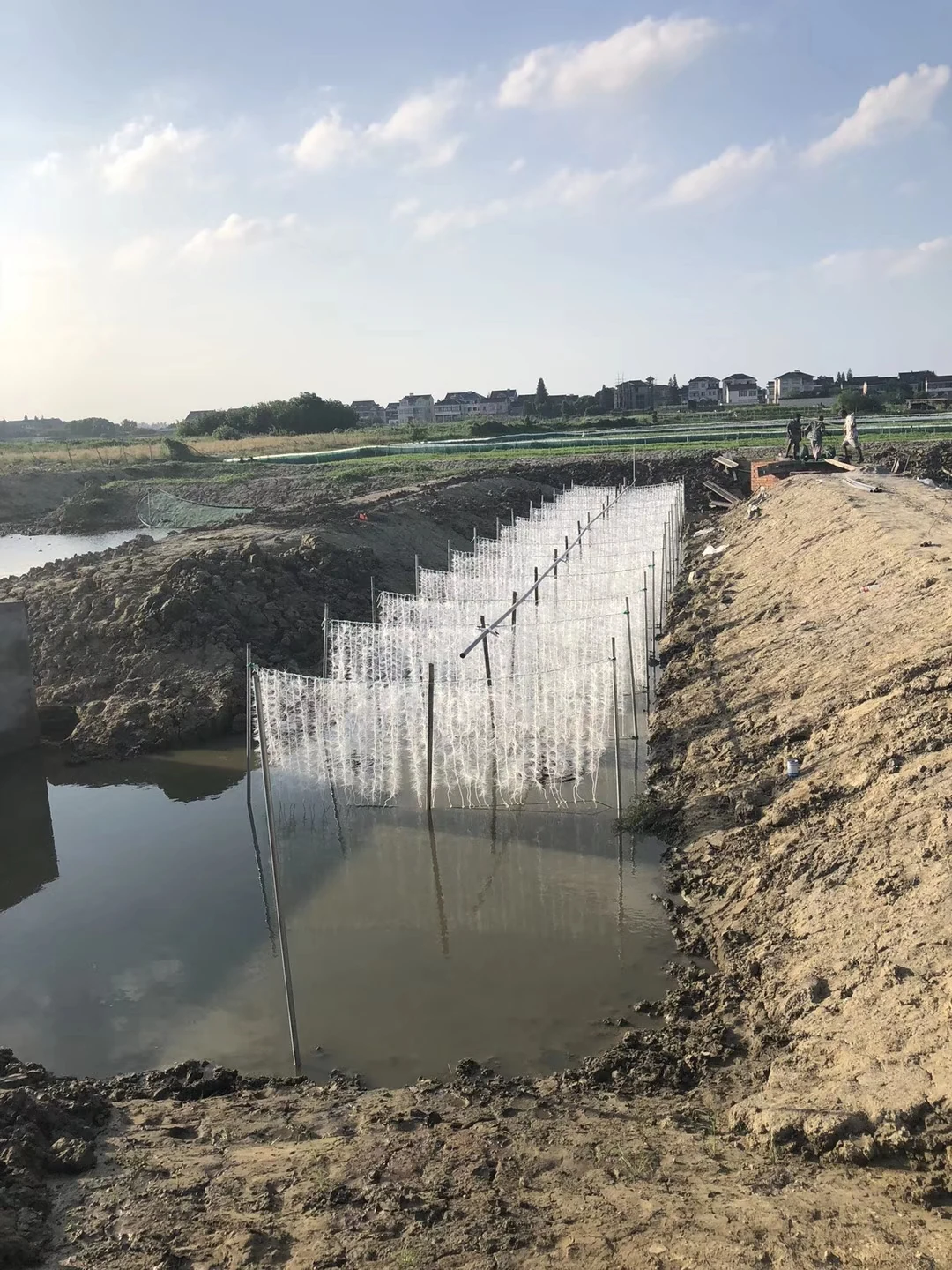
The motor drives the roots blower by belt; the blower feeds the buffer tank; the tank feeds the main pipe; the main feeds the branches; branches feed the aeration tubes. Fit 0.1 kW of blower per 667 m2 (1 mu), about 60 m of aeration tube in total, tube spacing about 10 m, height difference under 10 cm, fixed 10-15 cm above the pond bottom.
4. Operating schedule.
Follow the dissolved-oxygen curve to decide when to run: in April-May, run at midnight on overcast/rainy nights; in June-October, run 2-3 hours in the afternoon and 2-3 hours starting one hour before dawn; in prolonged overcast or low-pressure weather, run from 21:00 until noon the next day; in late culture run more often to boost growth. If you have a DO meter, run to keep dissolved oxygen at 6-8 mg/L.
5. Characteristics.
- Quiet, no disturbance. The micro-bubbles from the bottom tube rise slowly; the fine tortuous channels in the tube wall release the air slowly with little resistance, the pores are dense, and there is practically no sound at the water surface - no disturbance to fish, shrimp or crab.
- Excellent aeration effect. Micro-bubbles quickly raise the oxygen content of the water, so efficiency is high. In particular, for high-density culture in overcast and rainy weather, microporous aeration immediately solves the problem of fish gasping at the surface - something surface paddle-wheel aeration struggles to achieve.
- Low energy cost. Because the oxygen transfer efficiency of the microporous aeration system is very high, dissolved oxygen in the unit water body quickly reaches about 4.5 mg/L, using less than a quarter of the energy of a paddle-wheel or impeller aerator - a real saving on electricity bills.
The microporous tube not only supplies dissolved oxygen quickly and evenly to every corner of the pond, but also restores the water's self-purification function. Farming water bodies are mainly oxygen-deficient at the bottom, where sediment, organic waste and spoiled leftover feed consume large amounts of oxygen; with sufficient microporous aeration these are converted into organics that micro-organisms can decompose, stabilising and restoring water quality. This creates a suitable growing environment for fish, shrimp and crab, reduces stress and disease, raises survival, and increases appetite and growth rate. According to estimates, river crab raised with microporous aeration can increase yield by 200% over traditional stocking, with larger crab sizes and better prices, adding about 1,500 yuan of income per 667 m2.
The hardware behind these numbers is on our microporous aeration system page, including tube and disc specifications.