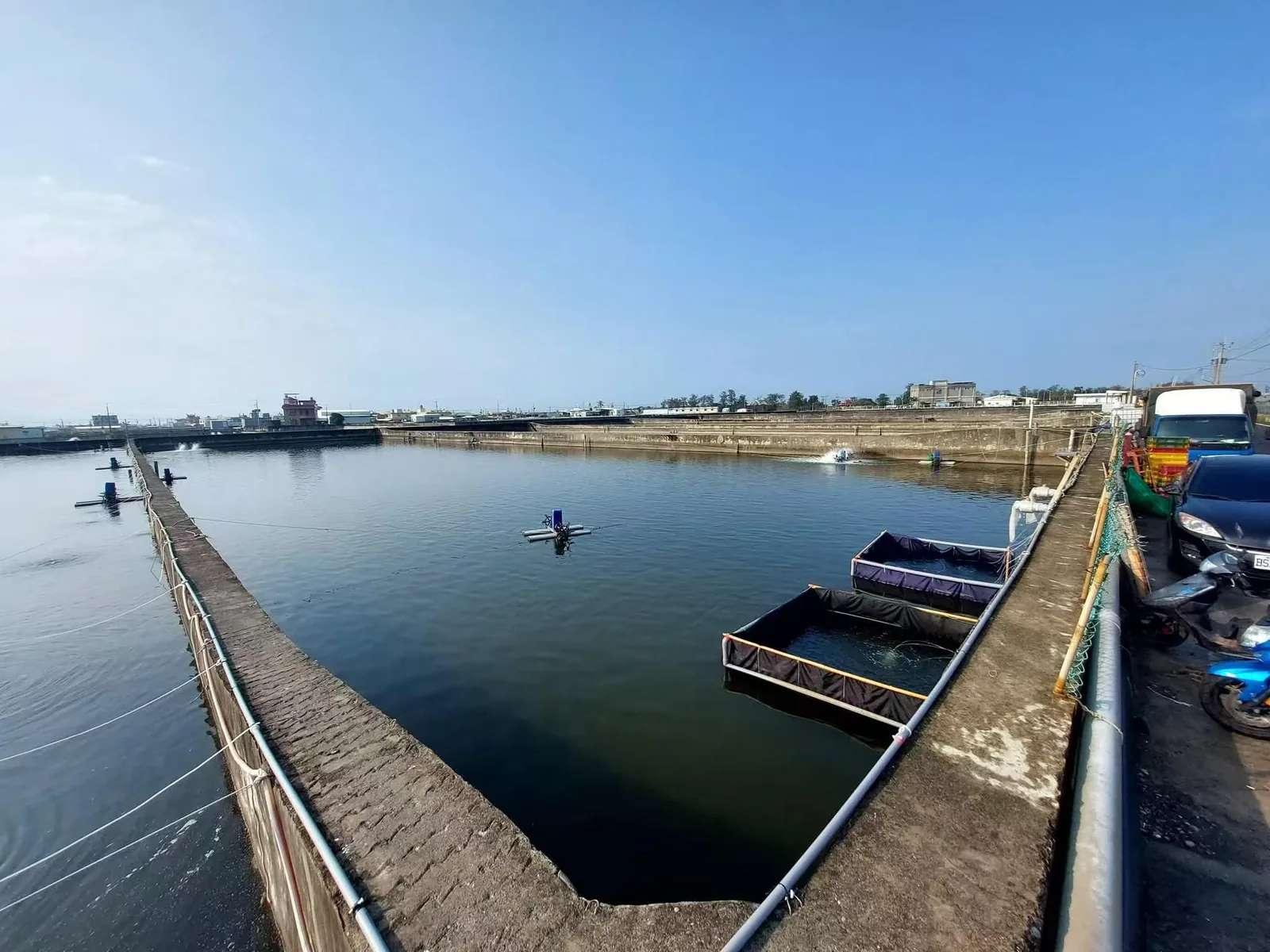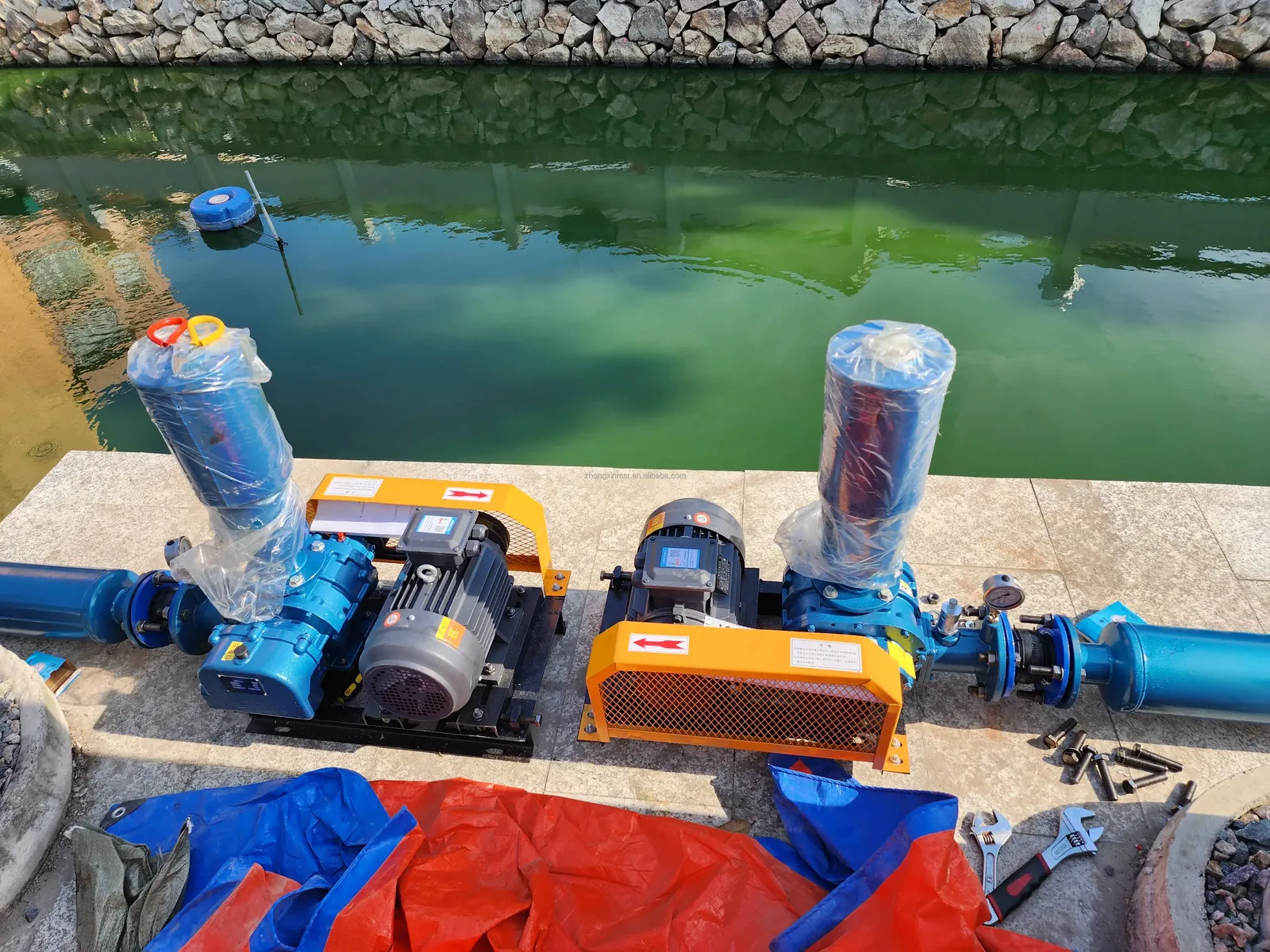
During summer heat, aeration on a fish or shrimp pond is routine — but it is also easy to get wrong. If the aerator is not run when the pond actually needs it, the oxygen it adds is largely wasted. When dissolved oxygen (DO) falls behind demand, sediment deteriorates and stock comes to the surface gasping. Most Chinese pond farmers run a roots blower feeding aeration discs or tubing to keep oxygen up.
So which moments really matter? And which aeration layout suits your pond best? Understanding a few time windows answers both questions.
Four time windows when aeration matters most
1. Sudden weather changes
This is the most common trigger in summer, especially near the coast where typhoons threaten. A rapid change — hot sunny day, then an evening thunderstorm, cold rain dropping into a warm pond — drives strong convection between surface and bottom water, and DO falls fast. Switch the roots blower on as soon as the sky turns. If heavy rain falls at night, pre-start aeration before it begins.
2. Midday during a long heat wave
On rich, fertile ponds run the system about two hours around midday. This is when phytoplankton photosynthesis peaks; the blower pushes air through bottom discs so oxygen reaches the whole column and the pond stays uniformly saturated instead of separating into layers.
3. The small hours of a summer night
Photosynthesis stops at dark, but respiration of stock and plankton continues — and peaks in the small hours, usually around 1:00-7:00 am, when oxygen demand is highest and DO is at its daily minimum. Keep the system running through this window so respiration never starves the pond.
4. Long dry spells with no fresh water input
If it has not rained for a long time and no new water has been added, pond temperature climbs, feed residues accumulate on the bottom, and a large oxygen gap forms between surface and bottom. Without water exchange, run aeration daily — otherwise the oxygen-starved bottom produces harmful substances under anaerobic conditions.
Aeration method matters too
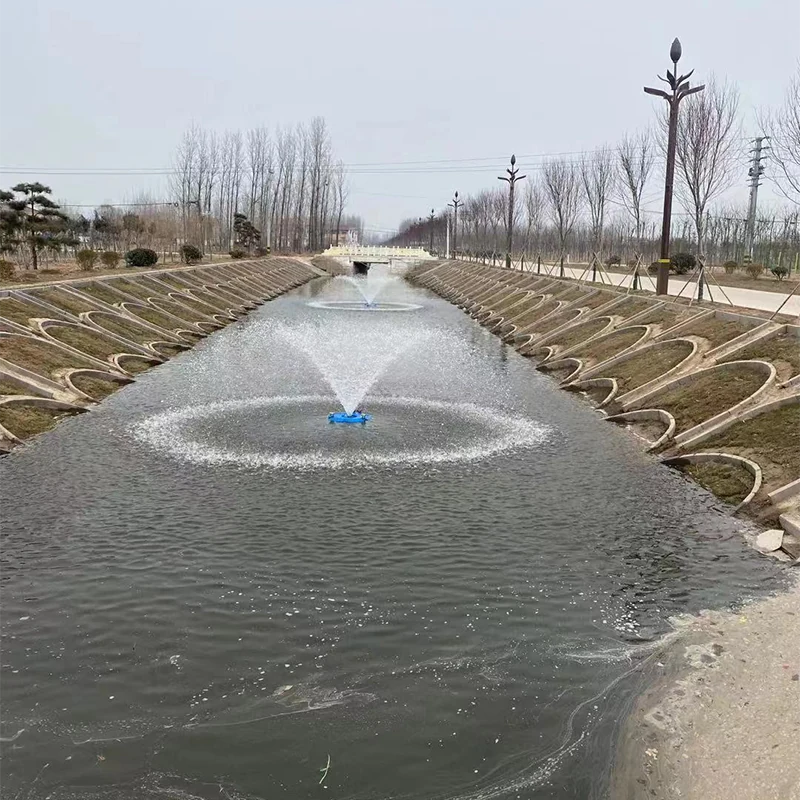
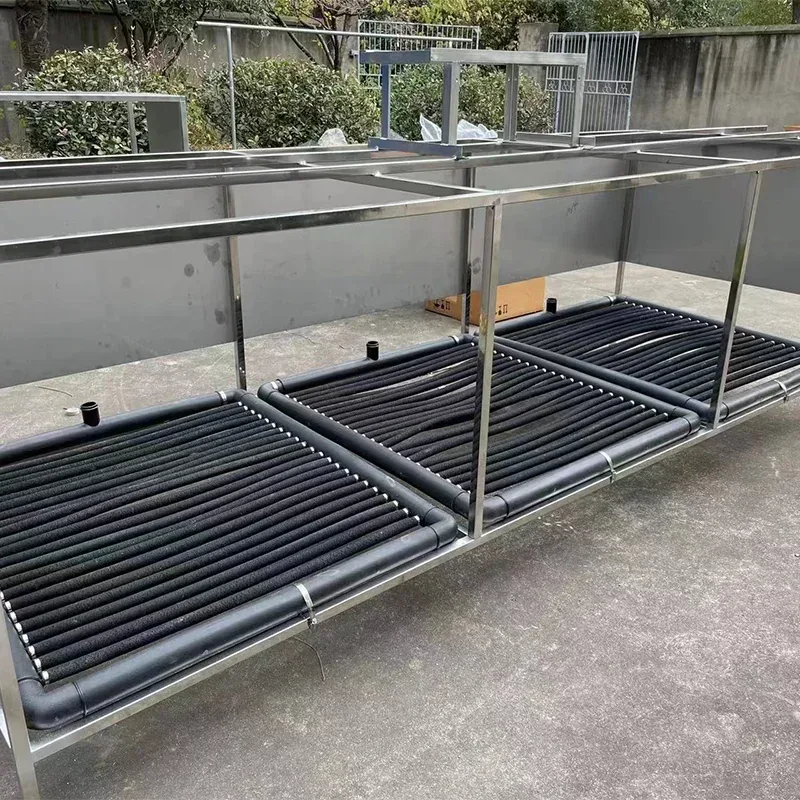
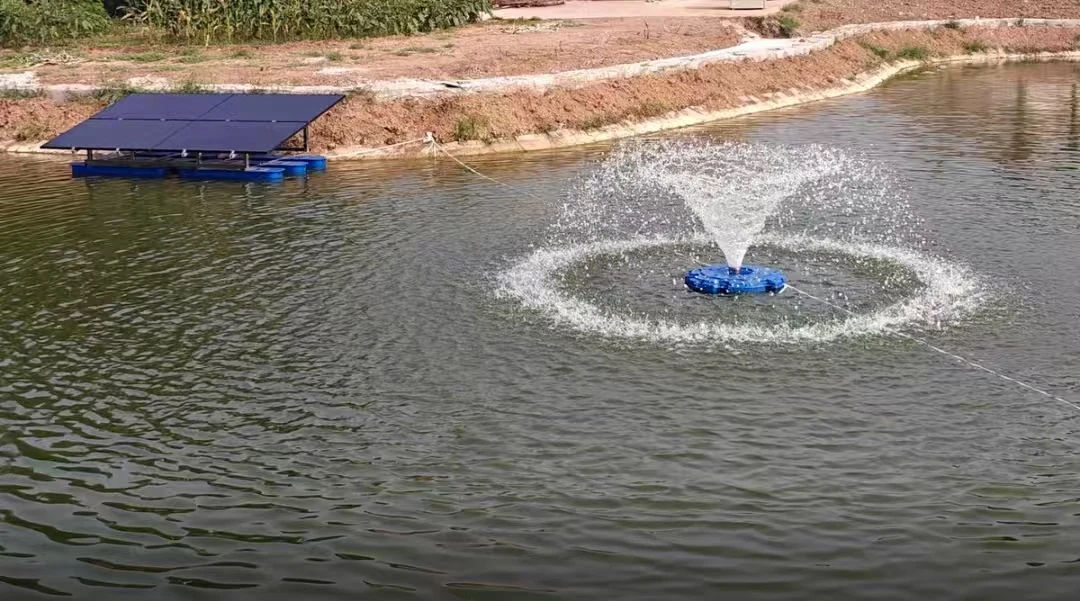
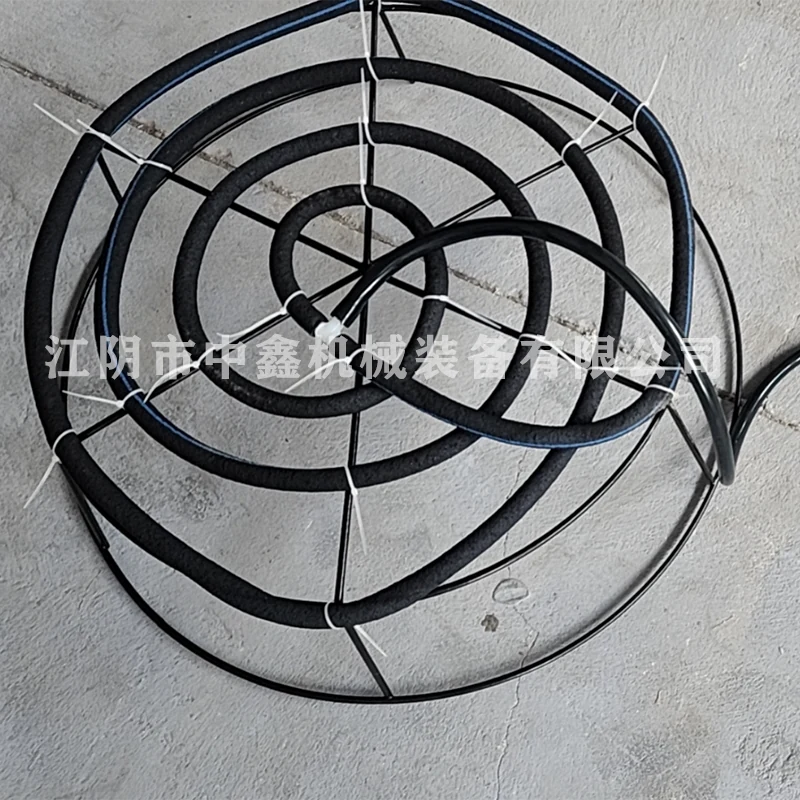
How you add oxygen is as important as when. Surface paddles mix the top layer; bottom aeration (a roots blower connected through a main pipe and self-sinking line to aeration discs on the pond floor) lifts oxygen from the bottom upward, then normal water movement distributes it evenly through the whole pond. For ponds where bottom DO is the bottleneck — and it usually is — bottom aeration gives more dissolved oxygen per kilowatt than surface equipment.
Run the right equipment at the right moment and summer heat stops being the season you lose ponds. If you are sizing a blower and disc layout for your pond area and depth, send us the details — we will reply with a configuration and quote within 24 hours.
Frequently asked questions
Q: Which four windows matter most in summer? A: Sudden weather changes, midday during a long heat wave, the small hours of a summer night, and long dry spells with no fresh water input.
Q: When should aeration start if a storm is coming? A: As soon as the sky turns. A rapid change — hot sunny day, then an evening thunderstorm with cold rain dropping into a warm pond — drives strong convection and dissolved oxygen falls fast. If heavy rain is expected at night, pre-start aeration before it begins.
Q: What happens in the small hours? A: Photosynthesis stops at dark while respiration of stock and plankton continues, peaking around 1:00–7:00 a.m. when oxygen demand is highest and dissolved oxygen reaches its daily minimum — so keep the system running through that window.
Q: Why does a long dry spell need daily aeration? A: Pond temperature climbs, feed residues accumulate on the bottom and a large oxygen gap forms between surface and bottom. With no water exchange, the oxygen-starved bottom produces harmful substances under anaerobic conditions.
Q: Why is bottom aeration the better tool in heat? A: Surface paddles only mix the top layer, while bottom aeration lifts oxygen from the pond floor and normal water movement distributes it through the whole pond — more dissolved oxygen per kilowatt where bottom oxygen is the bottleneck.