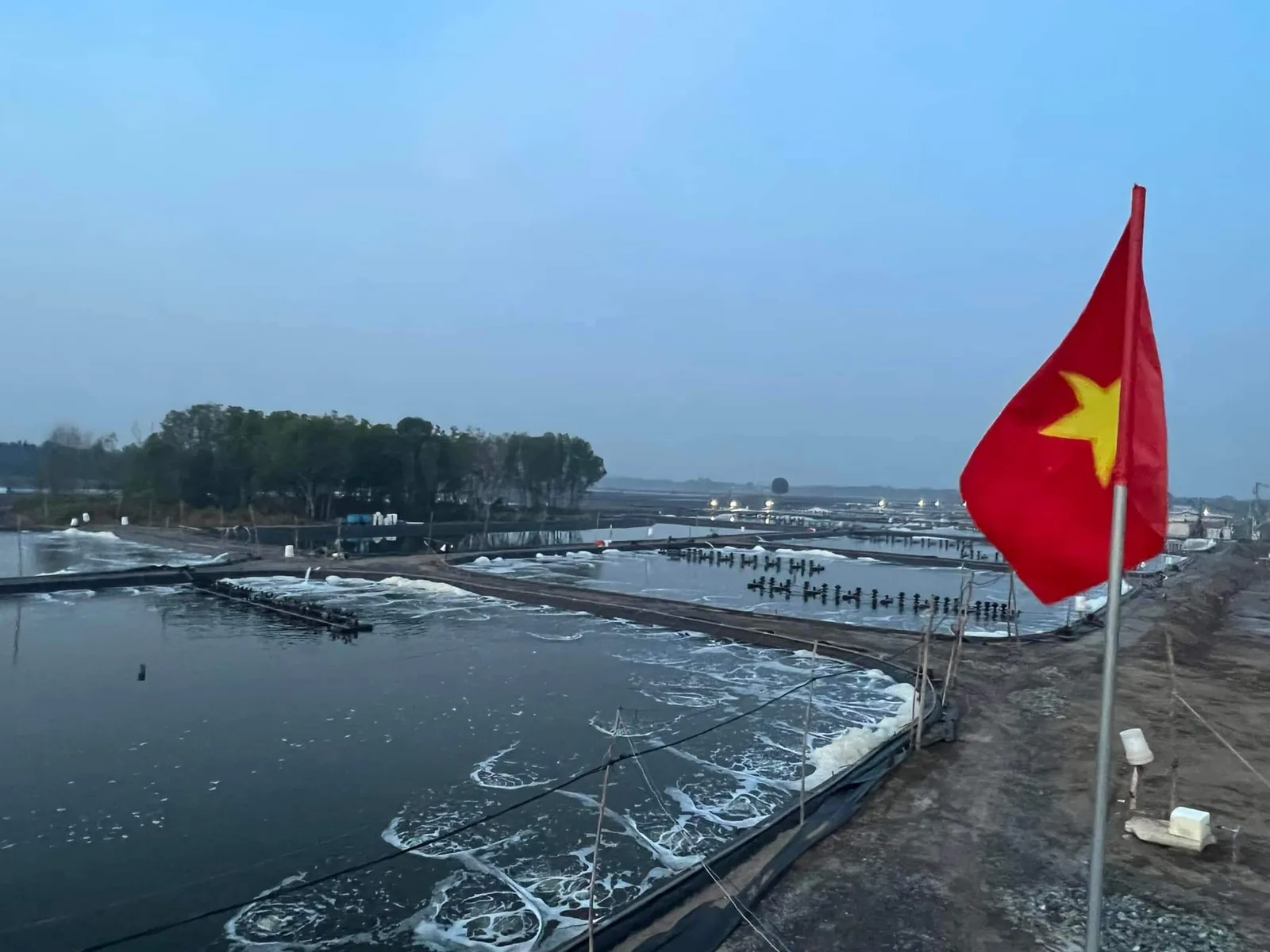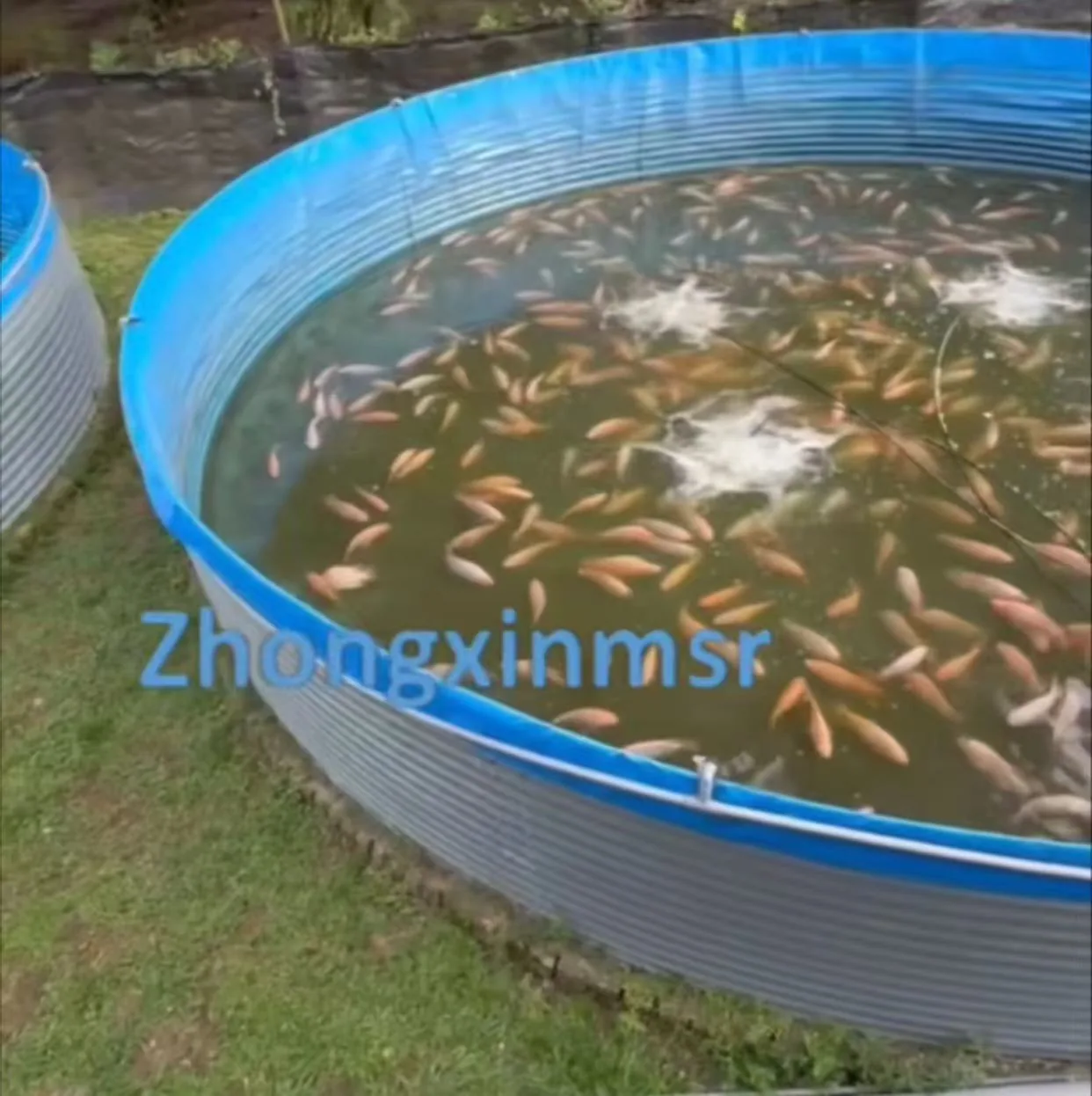
Biofloc farming is spreading fast — Indonesia, India, Vietnam, Ecuador, Brazil — because it grows shrimp at high density without daily water exchange. But many new biofloc farmers make the same mistake: they copy the aeration layout from their old ponds and wonder why the flocs collapse, the oxygen crashes at night, or the shrimp stop growing.
The truth is that a biofloc tank is not a pond with extra biology. It is a suspension culture, and aeration does three jobs that a pond aerator never has to do. This guide covers the real biofloc aeration requirements: the oxygen targets, the 24/7 rule, why fine bubbles win, how to size the blower, and how to survive a power cut.
Why biofloc is different
In a normal pond, aeration mostly fixes an evening problem — dissolved oxygen (DO) drops at night when photosynthesis stops. In biofloc, aeration is the system itself. Three things depend on it continuously:
1. Oxygen for the shrimp. Biofloc systems run dense stocks — often 100-300 shrimp per m² — and the microbial community consumes oxygen all day and night, not just at dawn.
2. Oxygen for the microbes. Heterotrophic bacteria and nitrifiers break down waste into flocs only when DO stays above their thresholds. Drop below about 2-3 mg/L and the system stops cleaning the water and starts making it toxic.
3. Suspension of the flocs. Flocs must stay suspended to stay aerobic. When aeration stops or weakens, flocs settle to the bottom, go anaerobic, and release ammonia and hydrogen sulfide — the fastest way to lose a crop.
That is why biofloc aeration runs 24 hours a day, and why a "good enough for ponds" layout is often not good enough here.
The five differences from pond aeration
| Factor | Regular pond | Biofloc |
|---|---|---|
| Run time | On demand, by DO curve | 24/7, full season |
| DO target | 3-5 mg/L (bottom) | 4-6 mg/L, stable |
| Mixing job | Optional | Essential - keeps flocs suspended |
| Power cut tolerance | Hours (pond holds oxygen) | Minutes to 1-2 hours (flocs consume fast) |
| Carbon management | None | Needs C:N ~10-15:1 (sugar/molasses) |
The practical consequences:
1. Higher, flatter DO target. Keep DO at 4-6 mg/L with as little swing as possible. Big swings stress shrimp and shift the microbial community. A fixed-speed aerator that overshoots by day and undershoots at night is the wrong tool; you need either fine-bubble capacity you can trim, or VFD control.
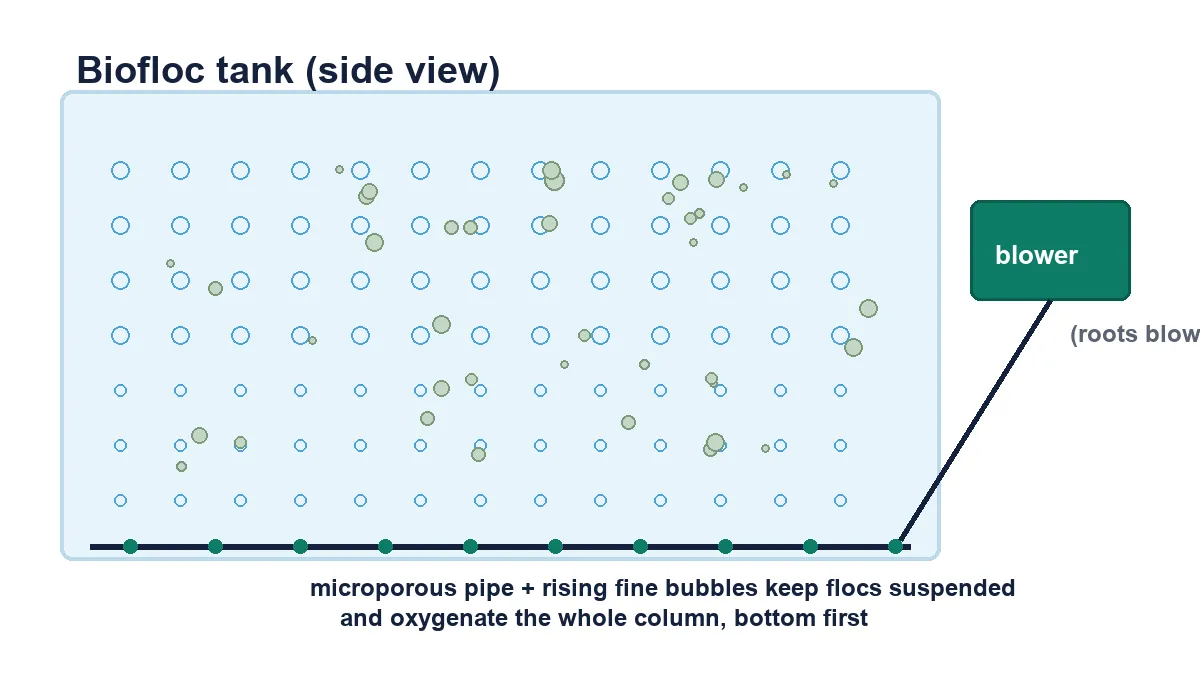
2. The mixing job is real. Flocs need gentle, continuous water movement across the whole tank bottom. Fine bubbles rising from bottom tubing act as an airlift: each metre of tubing lifts a column of water, keeps flocs suspended, and brings bottom water to the surface. This double duty — oxygen plus mixing from the same bubbles — is why fine-bubble bottom aeration is the biofloc standard rather than a surface aerator, which mixes the top layer but does not lift the bottom.
3. Power cuts are emergencies. In a pond, a 2-hour outage is recoverable. In biofloc at high density, the microbial community can drive DO below critical in 1-2 hours, and settled flocs go anaerobic quickly. Backup power is not optional — it is part of the system design. Our power outage emergency guide covers the practical layers of defense.
4. You design for peak, not average. Because the system never rests, blower sizing must cover the densest stocking plus a safety margin, with the ability to run below peak at lower density. Sizing only for the average crop is how biofloc tanks end up oxygen-starved at harvest density.
Why fine-bubble microporous aeration suits biofloc
Three reasons make microporous tubing and discs the biofloc default:
- Oxygen transfer efficiency. Small bubbles have a large surface-to-volume ratio and dissolve far more completely than the splash of a paddle wheel or the spray of an impeller. Field practice across our installations shows fine-bubble systems use roughly 50% less electricity than paddle-wheel setups for the same oxygenation — the difference between a viable biofloc electricity bill and a painful one, since biofloc aeration never stops.
- Bottom-first delivery. Oxygen goes in where the flocs settle and where shrimp rest, instead of only mixing the surface layer.
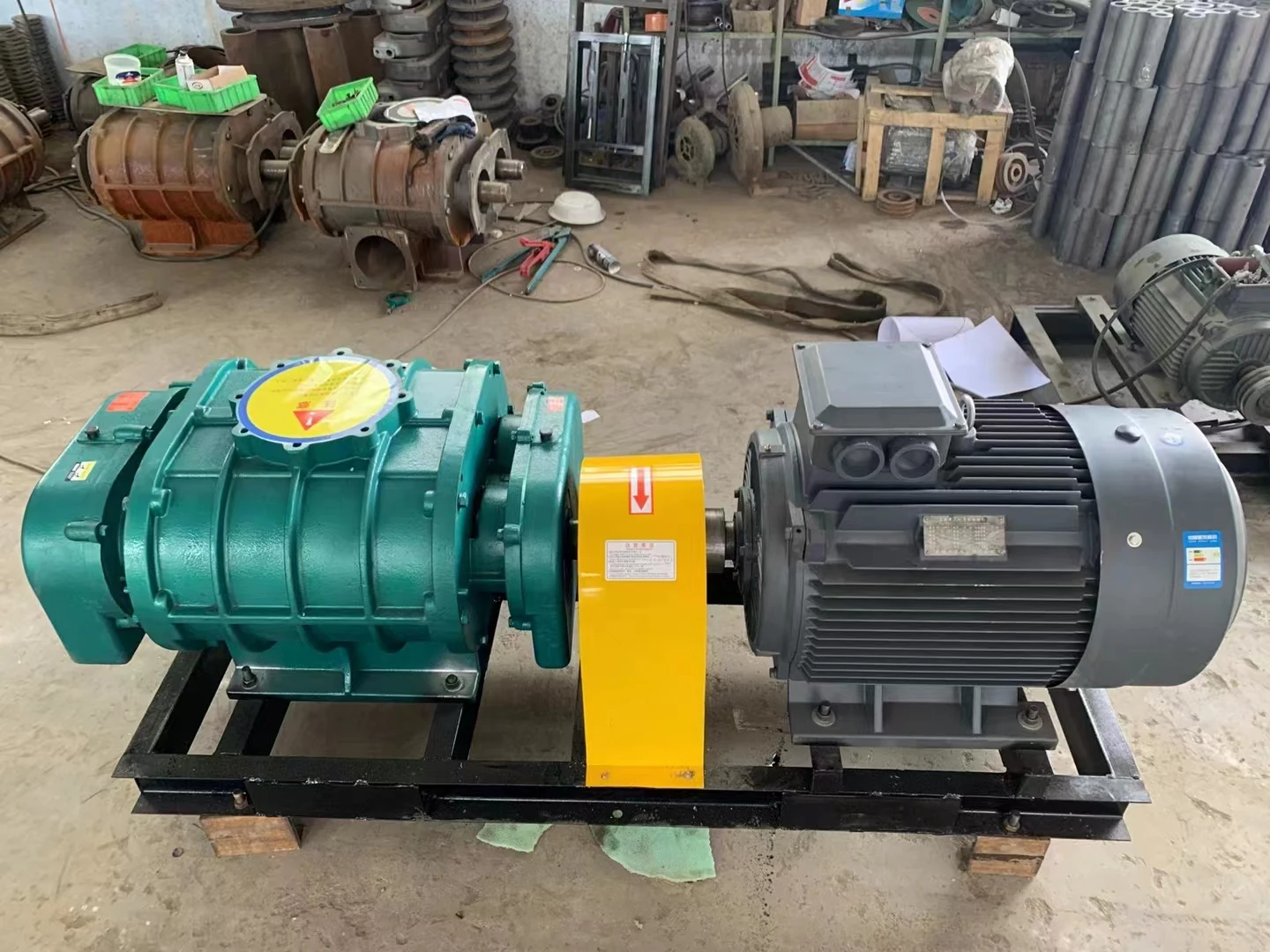
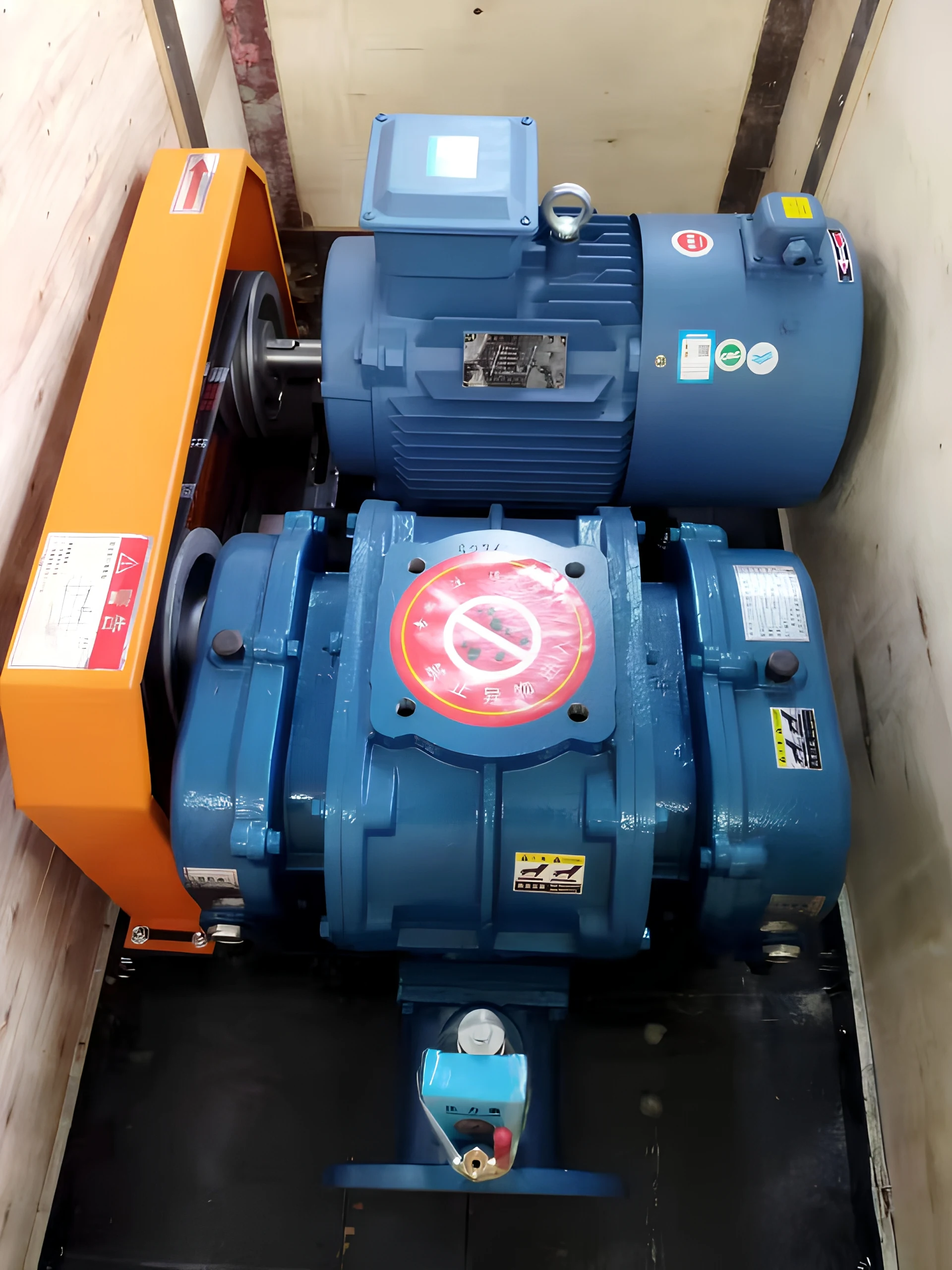
- Low-pressure, low-noise operation. A ZXMSR roots blower feeding microporous tubing needs only modest pressure — about 0.35-0.45 bar for a 3 m tank (water depth plus 15-20% headroom) — runs quietly, and has no submerged moving parts to fail.
Sizing the blower
Follow the same rules as for bottom-aerated ponds, but add a margin for the 24/7 duty and dense stocking:
- Air requirement: plan roughly 0.1-0.4 m³/h of air per metre of tubing, depending on density and depth.
- Rule of thumb: 1 kW of blower per 100-150 m of microporous tubing. A full worked example is in our roots blower sizing guide.
- Pressure: water depth + 15-20% headroom (a 3 m tank needs roughly 0.35-0.45 bar from the blower).
- Layout: run tubing 10-20 cm above the bottom, spaced so bubbles lift the whole floor; place the blower on the bank in a ventilated, rain-protected shelter — see the installation guide for manifold and valve design.
- Redundancy: many biofloc farms run two smaller blowers (e.g. 60/40 duty split) or a main unit plus a standby, so a single blower failure does not stop the system.
Add 20-30% capacity headroom over the theoretical number — biofloc loading creeps up over the season, and you cannot add a bigger blower the night before a crash.
Surviving power cuts
A biofloc tank's oxygen demand does not pause for the grid. Practical layers of defense:
1. Generator sized for the full blower load — the first and most reliable layer in areas with frequent outages.
2. Battery/solar hybrid for short gaps — a solar-plus-battery blower can carry the fine-bubble load through a 1-2 hour outage and shave the daytime electricity bill.
3. Spare blower or blower heads on site, so mechanical failure is fixed in hours, not weeks.
4. An alarm or DO monitor that calls you when DO trends down — in biofloc, early warning buys the hours that save the crop. For shrimp systems the complete routine is in our dissolved oxygen management guide.
Common biofloc aeration mistakes
- Sizing for the pond, not the floc. Copying an old pond layout under-oxygenates the microbial load.
- Aerating but not mixing. A blower that feeds air but no circulation lets flocs settle into anaerobic pockets.
- Skipping redundancy. The single blower that fails at 2 a.m. is a biofloc classic.
- Forgetting the carbon side. Aeration keeps flocs alive, but they also need a C:N ratio near 10-15:1 — sugar or molasses dosing is part of the same management routine.
Bottom line
Biofloc is a suspension culture, so treat aeration as the production line, not an accessory: run 24/7 fine-bubble bottom aeration at 4-6 mg/L with real mixing, size the blower with 20-30% headroom (1 kW per 100-150 m of tubing), and plan backup power before you stock the first post-larvae. Get those three things right and biofloc rewards you with high density and low water use; get them wrong and no amount of microbial magic saves the tank.
Send us your tank volume, depth, stocking density and local electricity price — our engineers reply within 24 hours with the blower model, tubing layout, redundancy plan and a wiring schematic sized for your site.
Q: What dissolved oxygen level does biofloc need? A: Keep DO at 4-6 mg/L with minimal swing. Below about 2-3 mg/L, the heterotrophic and nitrifying bacteria that clean the water slow down and flocs can go anaerobic.
Q: Why does biofloc aeration run 24 hours a day? A: Biofloc microbes consume oxygen around the clock, and flocs must stay suspended to stay aerobic. When aeration stops, flocs settle, go anaerobic and release ammonia and hydrogen sulfide.
Q: Which aeration is best for biofloc? A: Fine-bubble microporous bottom aeration is the standard: it oxygenates the bottom first and each rising bubble acts as an airlift that keeps flocs suspended, using about half the electricity of paddle wheels.
Q: How do I size the blower for a biofloc tank? A: Use 1 kW of blower per 100-150 m of microporous tubing, with blower pressure equal to water depth plus 15-20% headroom — a 3 m tank needs roughly 0.35-0.45 bar — and add 20-30% capacity for dense stocking and redundancy.
Q: What happens in a power cut? A: In a dense biofloc system, DO can crash within 1-2 hours and settled flocs go anaerobic. Keep a generator or battery/solar backup sized for the blower load, plus an alarm or DO monitor.
Q: Is a surface aerator (paddle wheel) enough for biofloc? A: No. A paddle wheel mixes the surface layer but does not lift the bottom or keep settled flocs suspended. Biofloc needs bottom-delivered fine bubbles for both oxygenation and mixing.