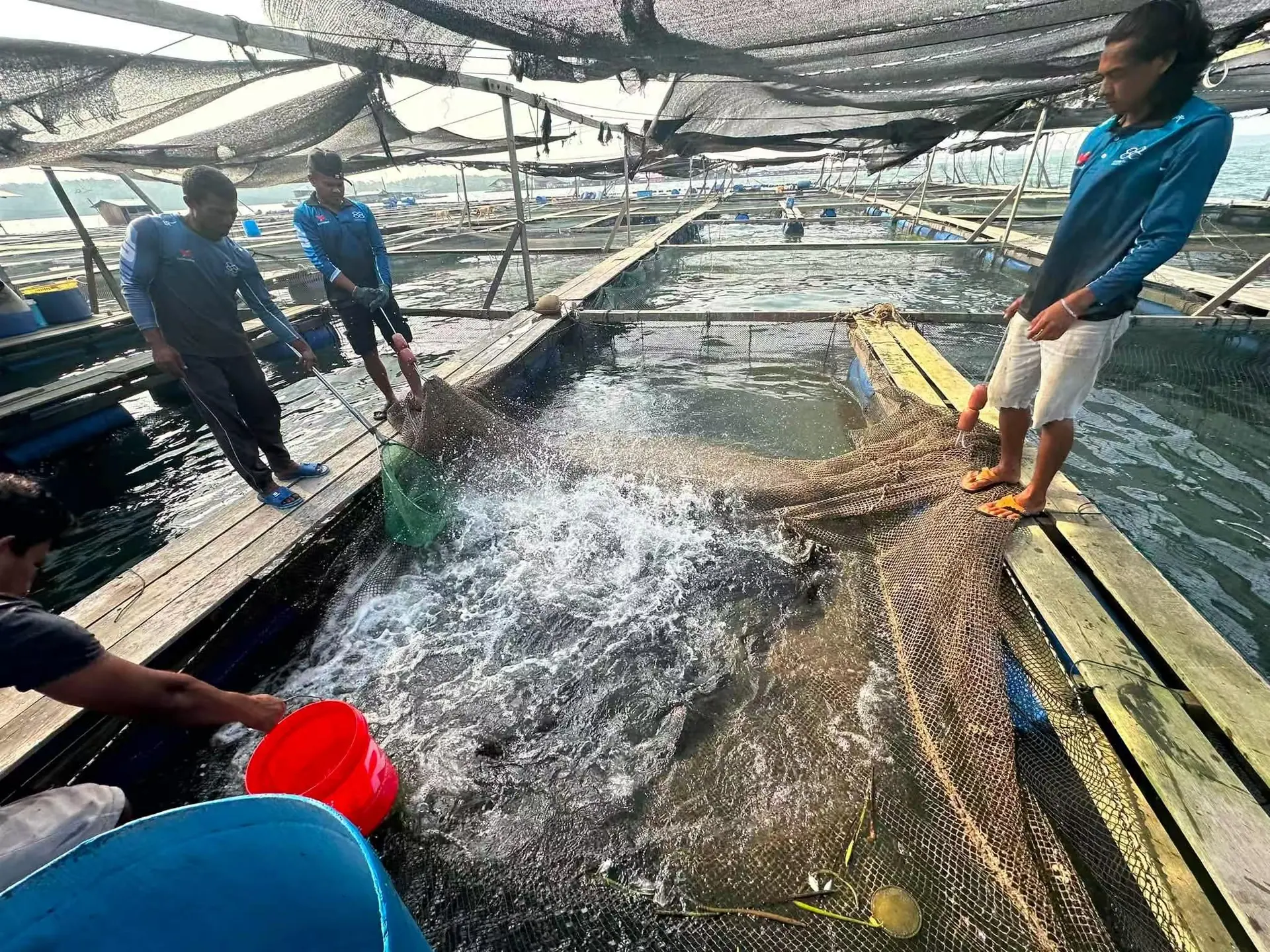
The half-smooth tongue sole (Cynoglossus semilaevis), like the turbot, is a bottom-dwelling fish. But unlike turbot, the tongue sole does not rise to the surface even when feeding, which places higher demands on its living environment. Dissolved oxygen in the water is the single biggest factor affecting tongue sole growth — to raise tongue sole well, you must secure the dissolved oxygen.
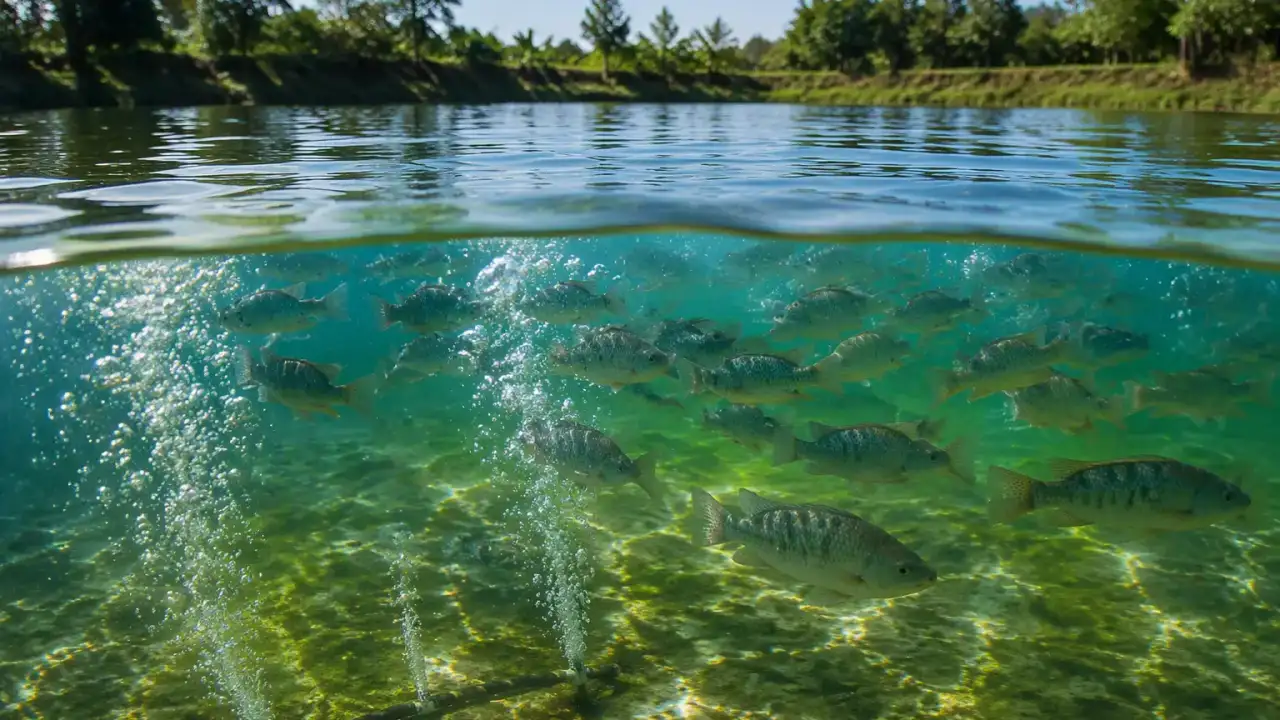
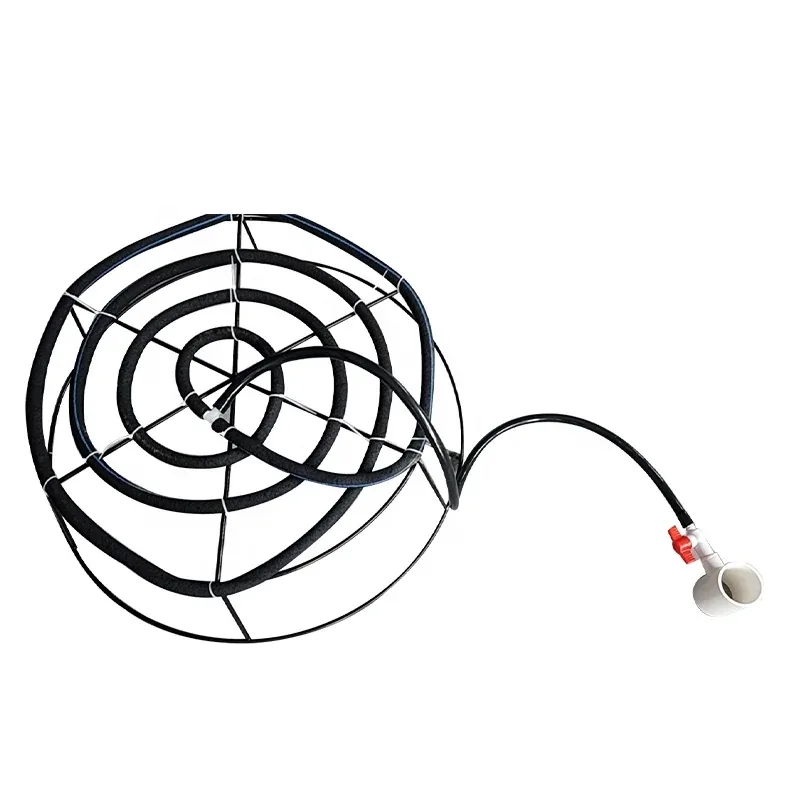
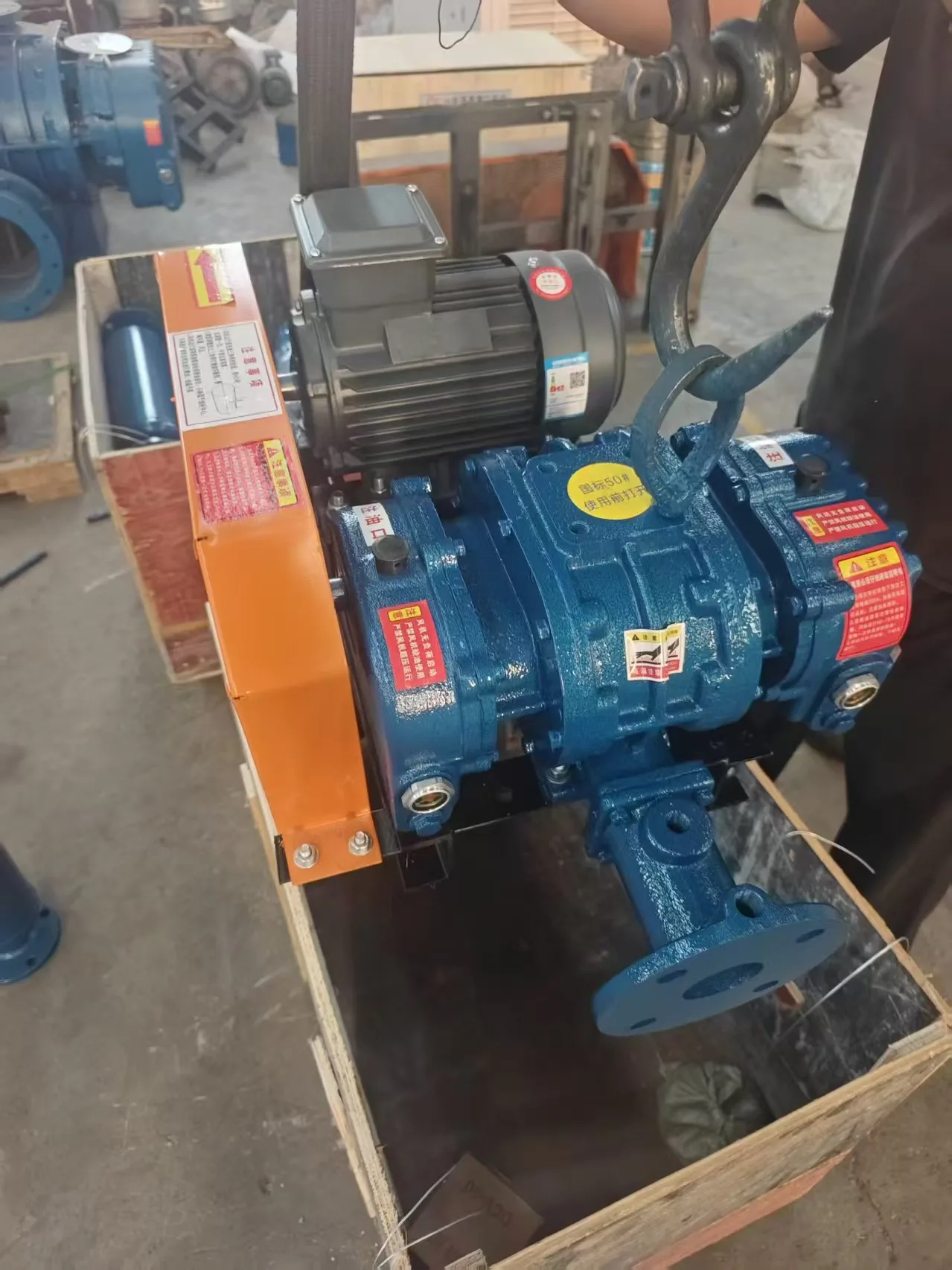
Most tongue sole farmers already understand the importance of dissolved oxygen, but many still hold misconceptions — believing that a big blower and a lot of air stones guarantee high dissolved oxygen. In fact, field measurements show that many farms do not have particularly good dissolved oxygen, and the reason is related to the choice of blower and air stones. Some farmers choose a large blower but poor air stones; the bubbles from the stones come out in big bursts like boiling water from a kettle, so the oxygen does not actually dissolve into the water and the DO stays low. Many customers use nano-tube air stones instead: the bubbles are extremely fine and foamy, like the lather of washing clothes. Farmers using these generally have good dissolved oxygen — around 7 mg/L — fully meeting the growth needs of tongue sole.
The higher the dissolved oxygen, the better tongue sole grows. The effects can be summarised as follows:
1. High dissolved oxygen keeps the fish in a comfortable living environment, aids digestion after feeding and nutrient absorption, and increases growth rate.
2. High dissolved oxygen converts harmful substances such as ammonia, nitrite and hydrogen sulfide into non-toxic or less toxic forms such as nitrate and sulfate.
3. High dissolved oxygen keeps the living environment clean; the fish stay in good physiological condition, and a strong constitution naturally means fewer diseases.
4. High dissolved oxygen oxidises metabolic waste, helps aerobic bacteria decompose organic matter, and suppresses anaerobic bacteria from producing harmful substances — reducing the irritation of organic decomposition to the fish.
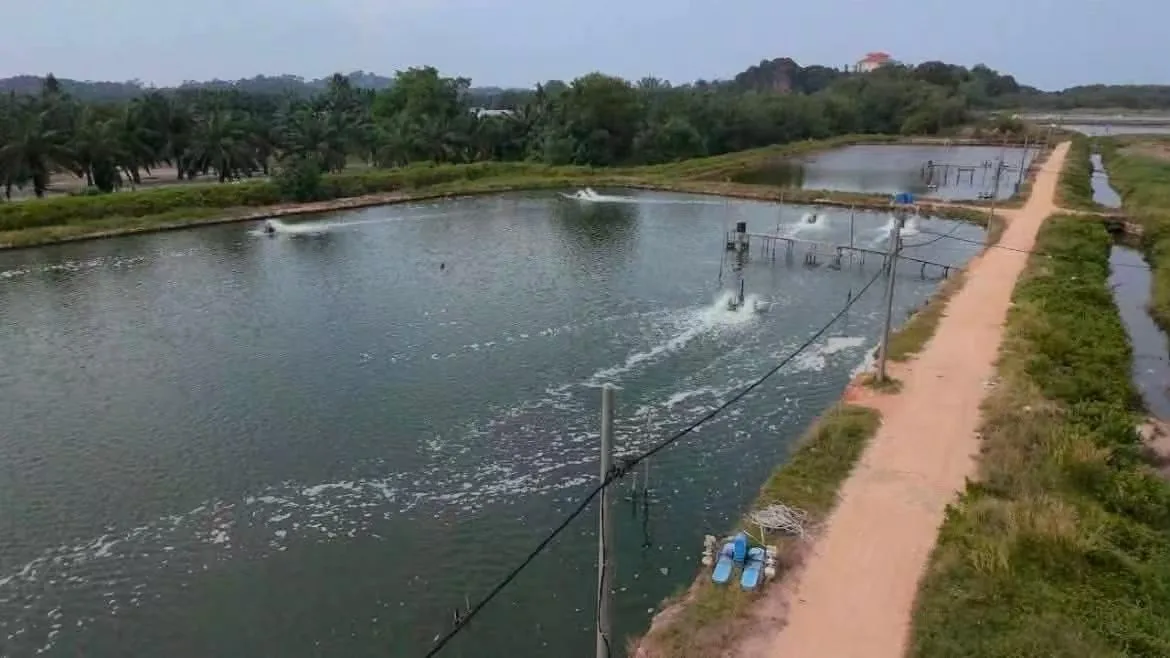
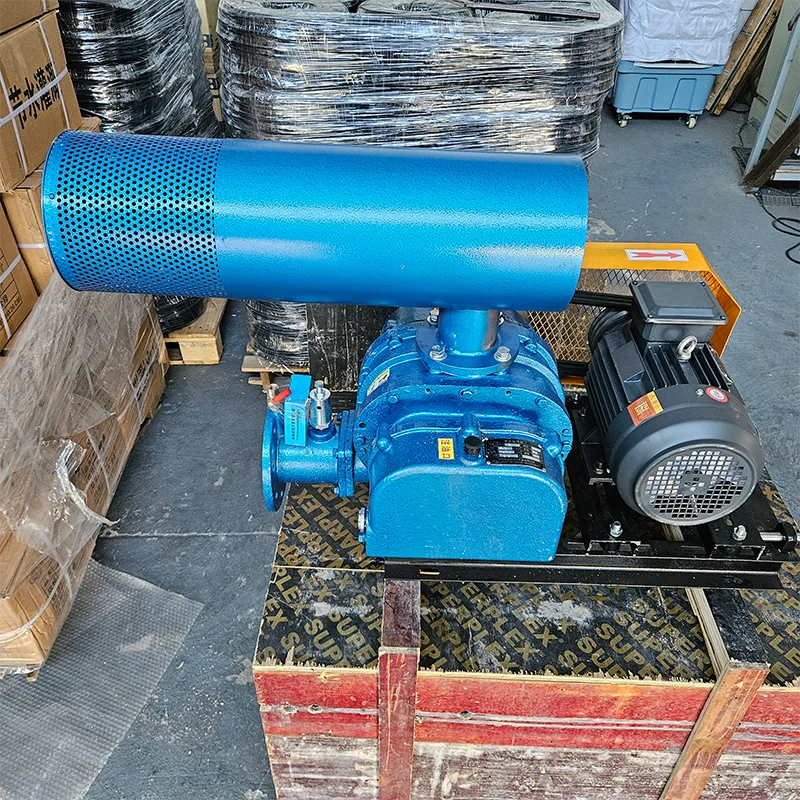
Farmers are recommended to use nano tubes: the bubbles they produce are finer and more uniform than air stones, which significantly raises dissolved oxygen — with proper installation, generally reaching around 7 mg/L. However, many farmers using nano tubes encounter one problem: clogging. Our advice: first, use good-quality nano tubes; second, match the installed tube length to the blower size.
Frequently asked questions
Q: Why does dissolved oxygen matter more for tongue sole? A: It is a bottom-dwelling fish that, unlike turbot, does not rise to the surface even when feeding. That places higher demands on its living environment, and dissolved oxygen is the single biggest factor in its growth.
Q: Does a bigger blower guarantee higher oxygen? A: No. Field measurements show many farms still have poor dissolved oxygen. A large blower paired with poor air stones produces bubbles in big bursts like water boiling in a kettle, so the oxygen never actually dissolves.
Q: What dissolved oxygen do nano-tube users reach? A: Around 7 mg/L with proper installation — the bubbles are extremely fine and foamy, and that level fully meets the growth needs of tongue sole.
Q: How does high oxygen translate into growth? A: It aids digestion after feeding and nutrient absorption; converts ammonia, nitrite and hydrogen sulphide into nitrate and sulphate; keeps the environment clean and the fish in good physiological condition; and oxidises metabolic waste while suppressing anaerobic bacteria.
Q: What causes nano tube clogging, and how is it avoided? A: Clogging is the problem most often reported. The advice is twofold: use good-quality nano tubes, and match the installed tube length to the blower size.