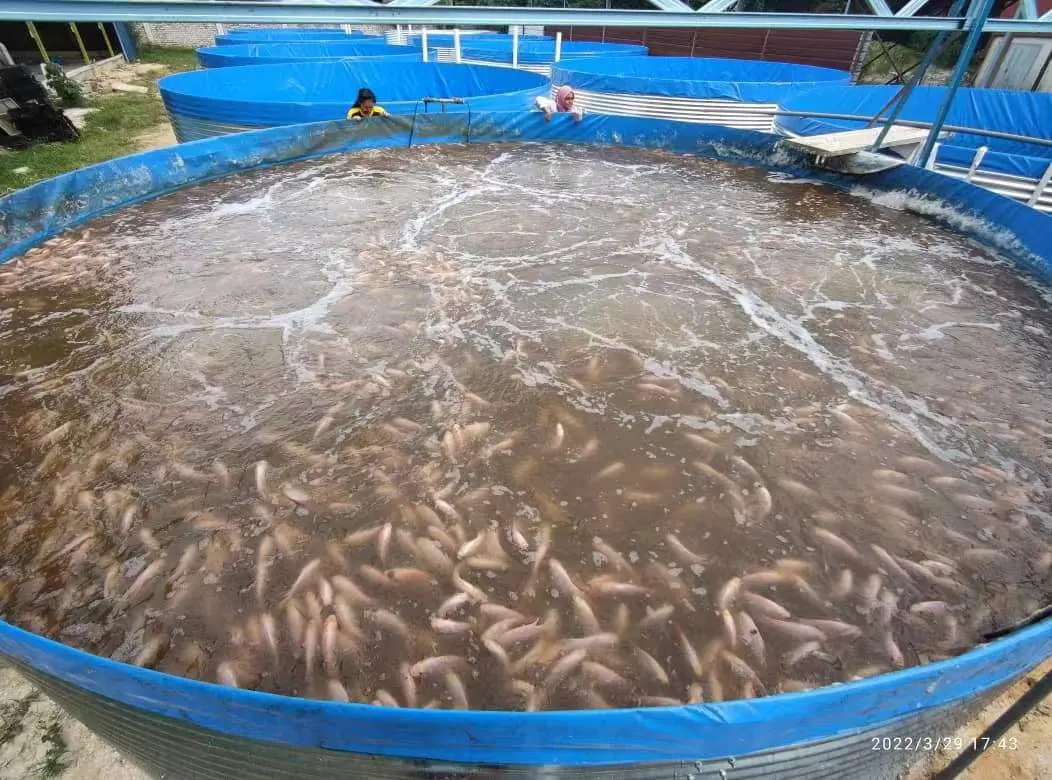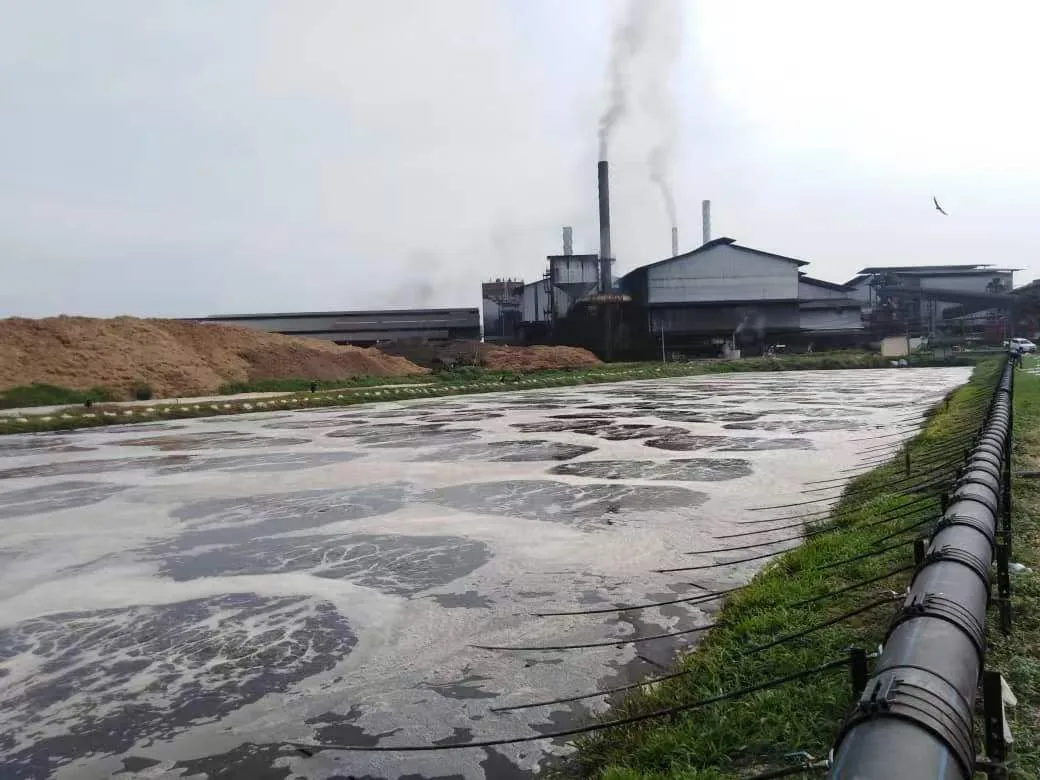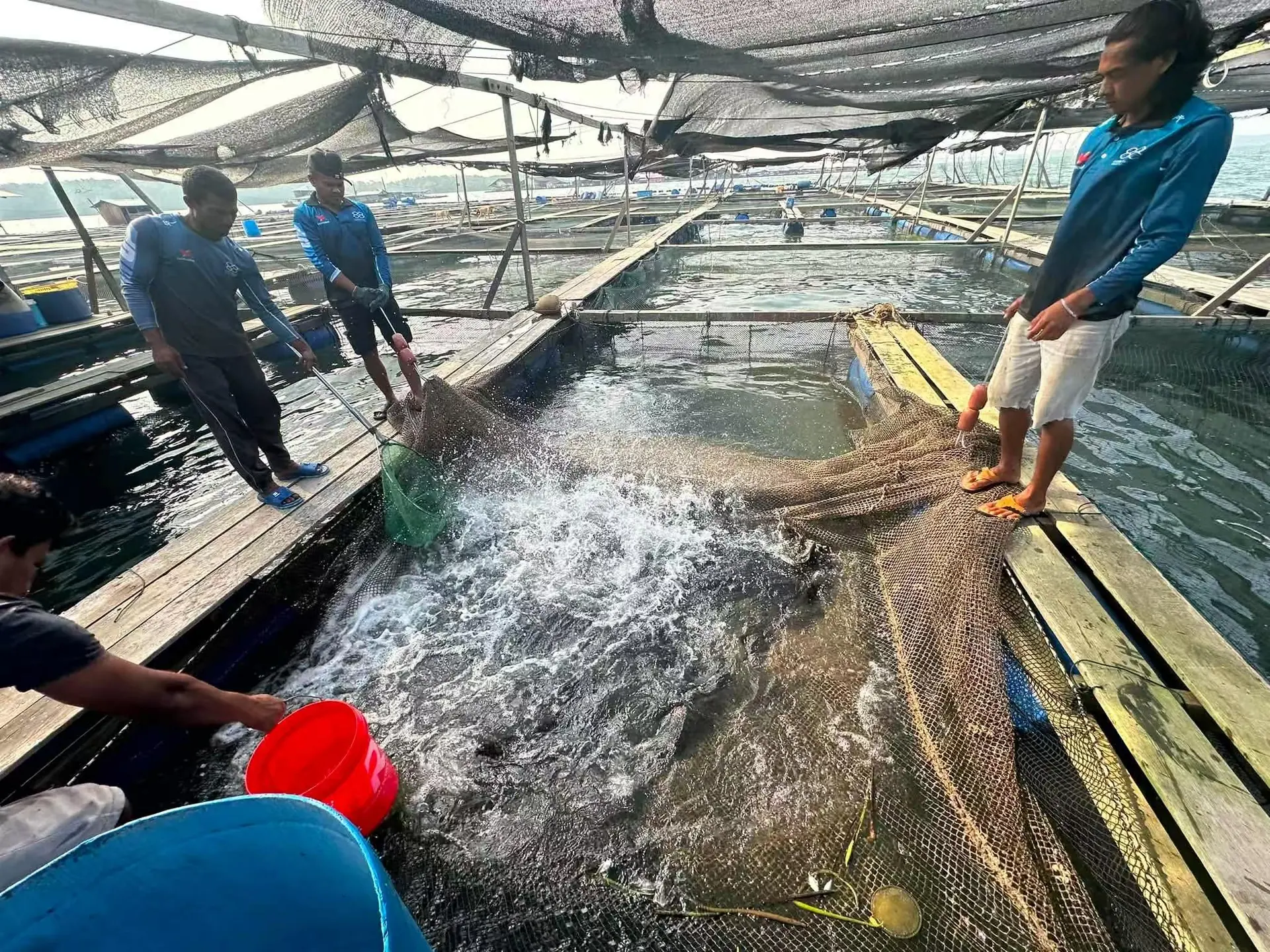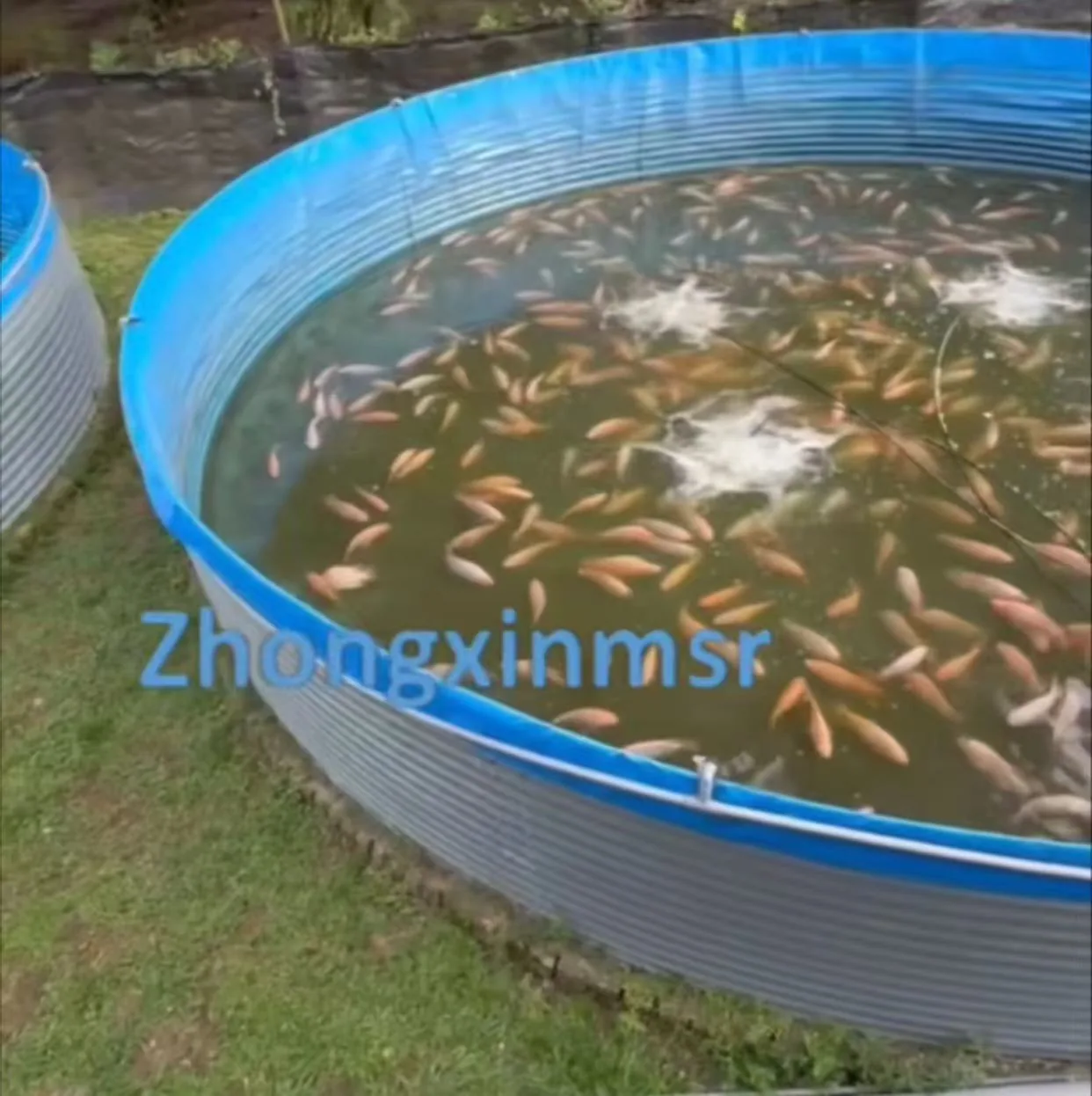
There is an old saying among fish farmers: "Raise water before you raise fish — good water raises good fish." Water is the living environment of fish, shrimp, crab, turtle and frog stock, and its quality directly drives growth, survival, yield and profit. Every aquatic animal needs water conditions it can tolerate. When basic water-quality indicators fall outside the animal's adaptive range, the first signs are slower growth, lower survival and a higher feed conversion ratio (FCR). When conditions are seriously out of range, mass mortality and severe economic loss follow.
Why deteriorating water harms stock
Poor water quality does more than stress animals — it can kill them. Water is an excellent solvent and suspending medium. It dissolves gases such as oxygen, carbon dioxide, ammonia and hydrogen sulfide; it dissolves salts such as nitrite, phosphate, carbonate and sulfate; and it carries suspended dust, organic debris, bacteria, algae, small protozoa and countless eggs in suspension. Of everything dissolved or suspended in the pond, some components are essential for growth, some are neutral, and others are harmful — or become harmful once concentrations rise. The same compounds also affect other organisms in the water. Critically, some conditions that hurt cultured animals are exactly what pathogens (disease bacteria, parasitic protozoa) need to multiply and become virulent, which is how disease outbreaks start.
The main causes of low dissolved oxygen
Low DO is rarely a single-event problem. It accumulates from several directions at once:
- High stocking density and heavy feeding — oxygen demand (BOD) from feed, faeces and respiration outruns the oxygen that photosynthesis and diffusion can supply, especially at night.
- Algal die-off and turbid water — when plankton collapses or blooms are unstable, daytime oxygen production stops while decomposition of dead algae continues to consume oxygen.
- Weak or no water exchange — without flow, bottom water stagnates and oxygen is consumed faster than it is replaced.
- Bottom sludge buildup — sediment and uneaten feed at the pond bottom consume oxygen continuously and release ammonia and hydrogen sulfide.
- Weather and stratification — overcast, low-pressure days cut photosynthesis, and temperature stratification can stop oxygen-rich surface water from reaching the bottom layers where stock actually lives.
Why water testing is the foundation of DO management
Scientific testing produces the data a farmer can act on. Regular measurements show whether water quality still meets the requirements of the cultured species and whether conditions are heading toward a disease or hypoxia event. Testing also guides day-to-day decisions — fertilising, feeding and medication — so losses caused by guesswork are avoided. Water-quality monitoring is therefore not an optional extra: it is the basis of healthy, low-risk aquaculture.
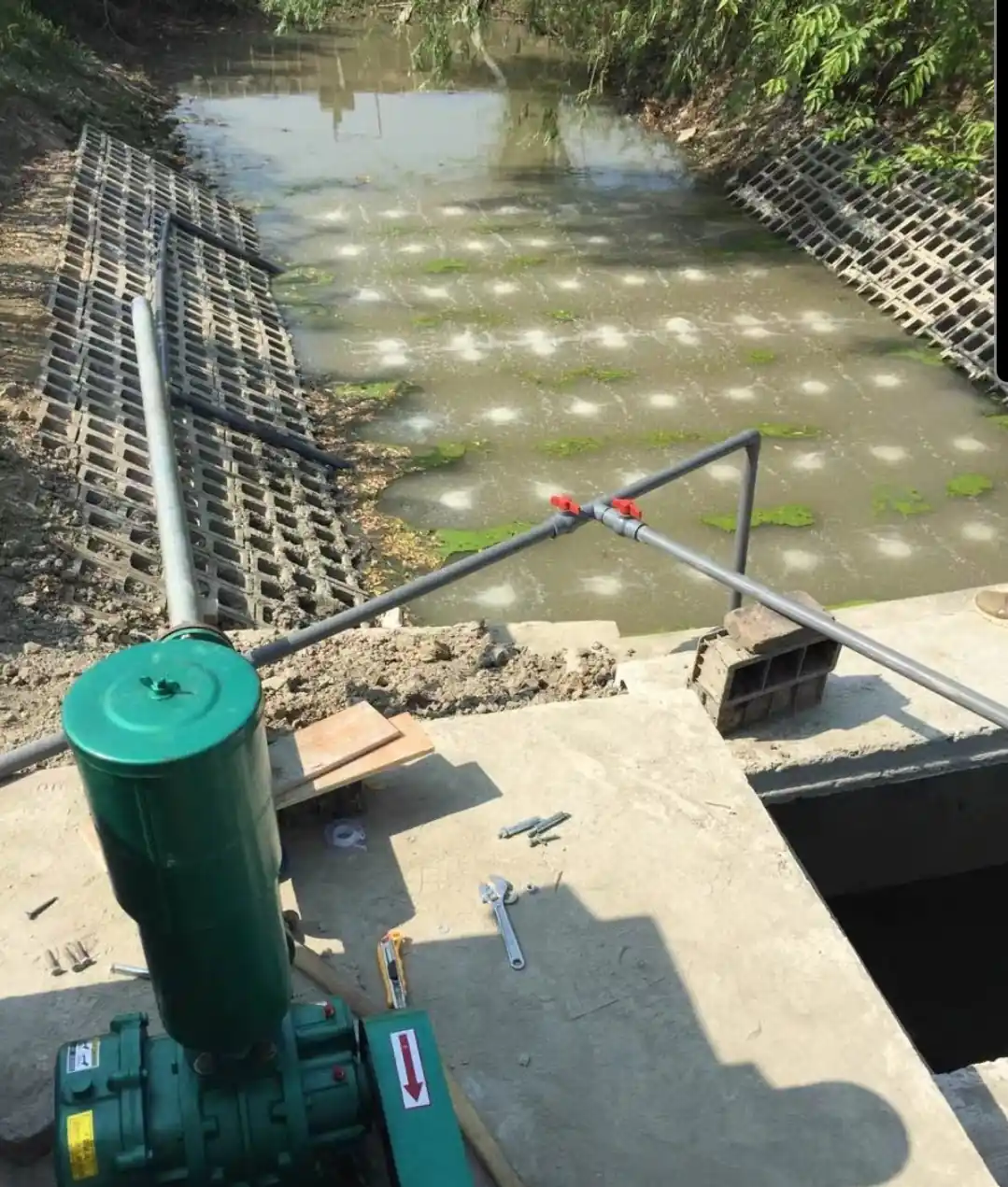
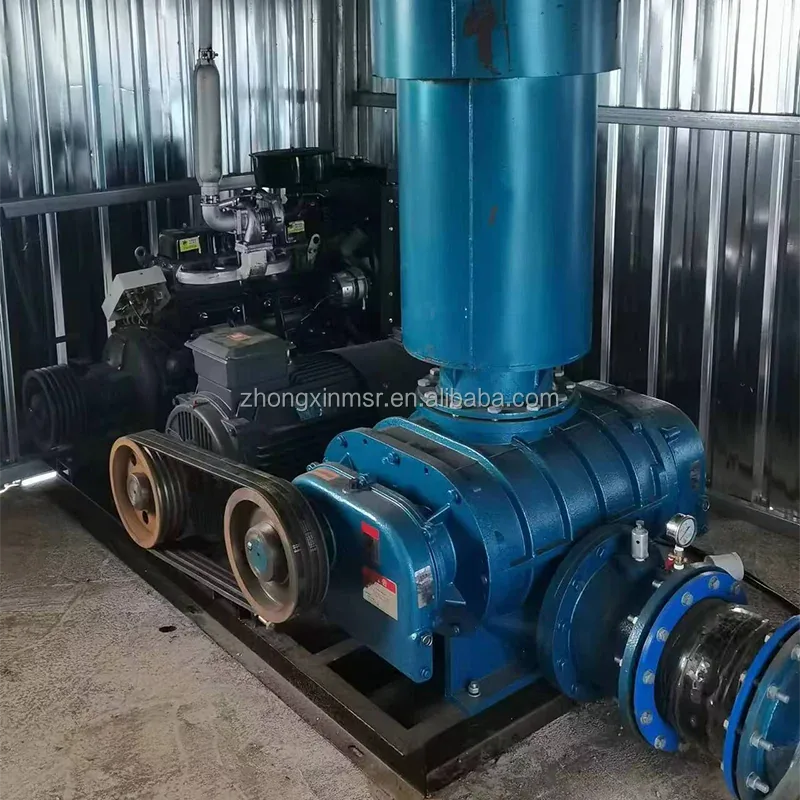
When testing shows dissolved oxygen trending down, the fix is to add aeration capacity rather than react after fish surface. Matching blower power, aeration tubing or disc layout, and run time to the pond's oxygen demand keeps DO in the safe band and protects feed conversion and survival. For help sizing an aeration system for your pond, contact us with your water area, average depth and stocking density.
Too much oxygen is also a problem
Low oxygen gets the attention, but the upper end matters too. A slight rise is already harmful to egg hatching and fry, which become prone to gas bubble disease, and even summer fry are affected. When dissolved oxygen runs high, fish become excited and swim in circles continuously — small fry can literally exhaust themselves to death.
The safe range is a daily cycle rather than a single number. As a general guideline, dissolved oxygen should stay above 4 mg/L through the eight hours overnight, not fall below 5 mg/L for the 14 hours of the day, and never drop below 2 mg/L at any point. Two thresholds matter to the stock itself: the critical concentration, below which metabolism and growth start to suffer without immediate death, and the lethal concentration, below which the animal suffocates. Both vary with species, size, water temperature and salinity.
Most pond oxygen is not mechanical at all — phytoplankton photosynthesis supplies 80–90% of the total, with wind-driven absorption and aeration making up the remainder. That is why aeration is best understood as insurance for the hours when photosynthesis stops.
Frequently asked questions
Q: What are the main causes of low dissolved oxygen? A: Five accumulating causes: high stocking density and heavy feeding, so oxygen demand outruns supply especially at night; algal die-off and turbid water; weak or no water exchange; bottom sludge buildup; and weather with stratification that stops oxygen-rich surface water reaching the bottom.
Q: What is a safe daily range for dissolved oxygen? A: Above 4 mg/L through the eight overnight hours, not below 5 mg/L for the 14 daylight hours, and never below 2 mg/L at any point. The critical and lethal concentrations behind those figures vary with species, size, water temperature and salinity.
Q: How much of a pond's oxygen is mechanical? A: Very little. Phytoplankton photosynthesis supplies 80–90% of the total, with wind-driven absorption and aeration making up the rest — which is why aeration is best understood as insurance for the hours when photosynthesis stops.
Q: Can dissolved oxygen be too high? A: Yes. A slight rise already harms egg hatching and fry, which become prone to gas bubble disease. Fish become excited and swim in circles continuously, and small fry can literally exhaust themselves to death.
Q: Why does poor water quality lead to disease? A: Because some conditions that hurt the cultured animals are exactly what pathogens need in order to multiply and become virulent — which is how disease outbreaks start.