Every summer, fish farmers brace themselves. Sustained high temperature raises water temperature and breaks the balance of the pond environment, while sharply increasing oxygen consumption — in bad cases ending in a total die-off, "turning the pond." When long heat waves alternate with heavy regional rain, many farms suffer a double blow from nature, and oxygen-starvation crashes are one of the leading causes of loss.
Why does hot weather and heavy rain cause oxygen deficiency?
1. Oxygen solubility falls as temperature rises
At higher water temperature and lower air pressure, less oxygen dissolves in water — the whole pond simply holds less. Long summer heat makes low DO a standing problem that almost always needs mechanical aeration.
2. Warmth increases biological oxygen demand
Higher temperature makes fish more active, but it also multiplies aerobic microbes that consume large amounts of oxygen. In densely stocked ponds the oxygen decline can be visible day by day.
3. Prolonged cloudy and rainy periods slow photosynthesis
When overcast weather follows heat, algae and other plants cannot photosynthesize, so the oxygen they would produce is lost on top of everything else.
Pond oxygen deficiency is easily triggered by outside factors, and once oxygen is short the losses can be huge. That is why experienced farmers keep their ponds in a high-DO state all season: it covers the oxygen the stock needs and builds a buffer against sudden events.
Achieving a high-DO environment: aerate the bottom
Most aquaculture water has plenty of oxygen at the surface but little at the bottom — yet the bottom is where most oxygen is consumed and demanded. That contradiction is why more and more farmers aerate from below.
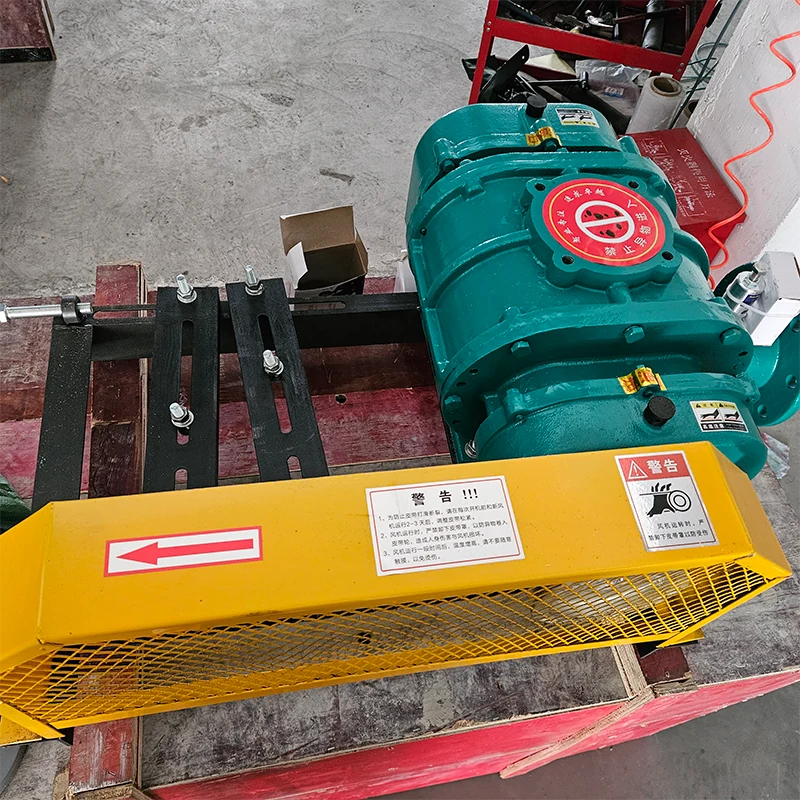
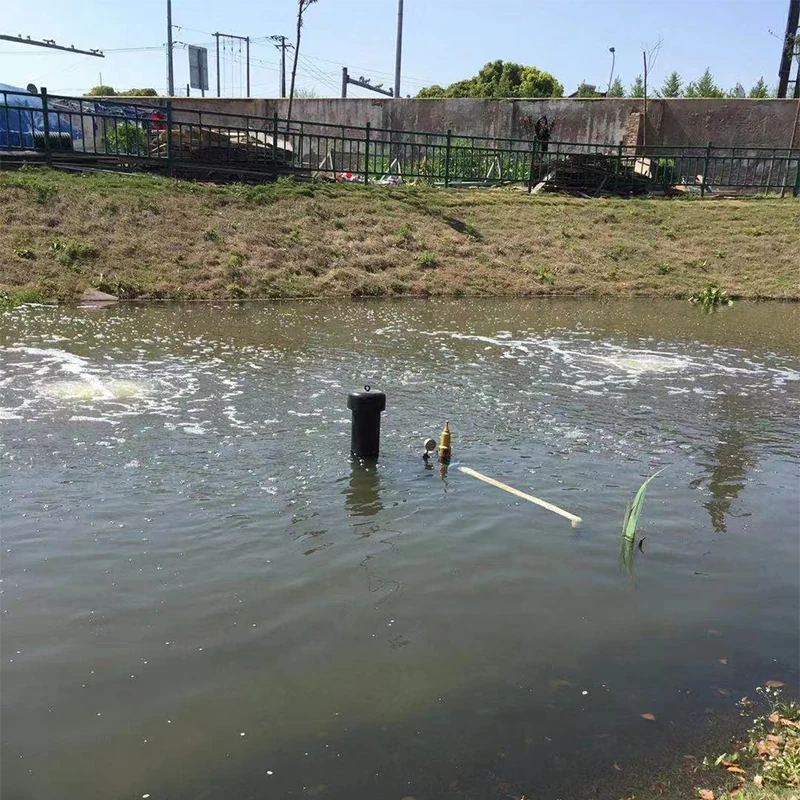
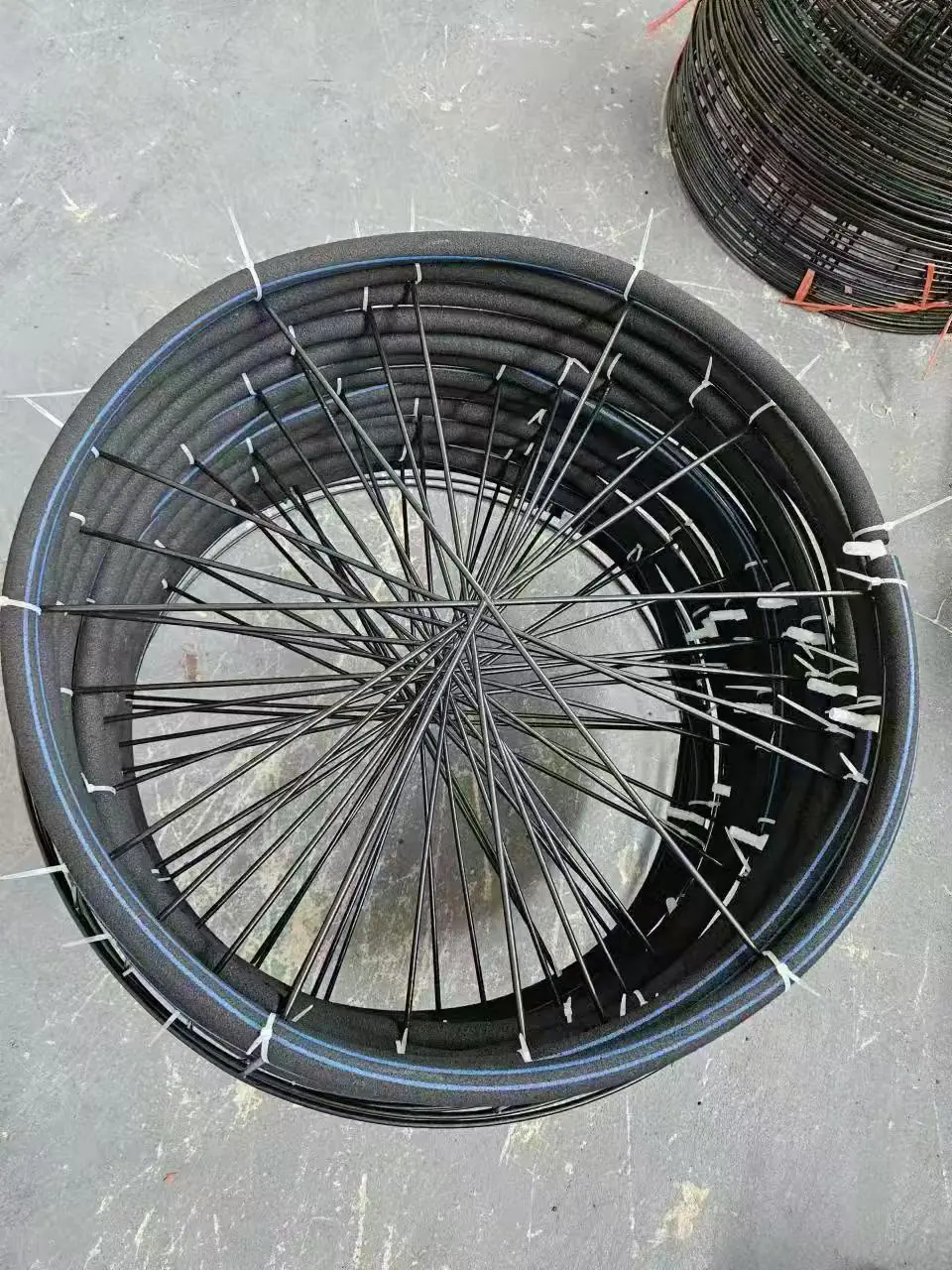
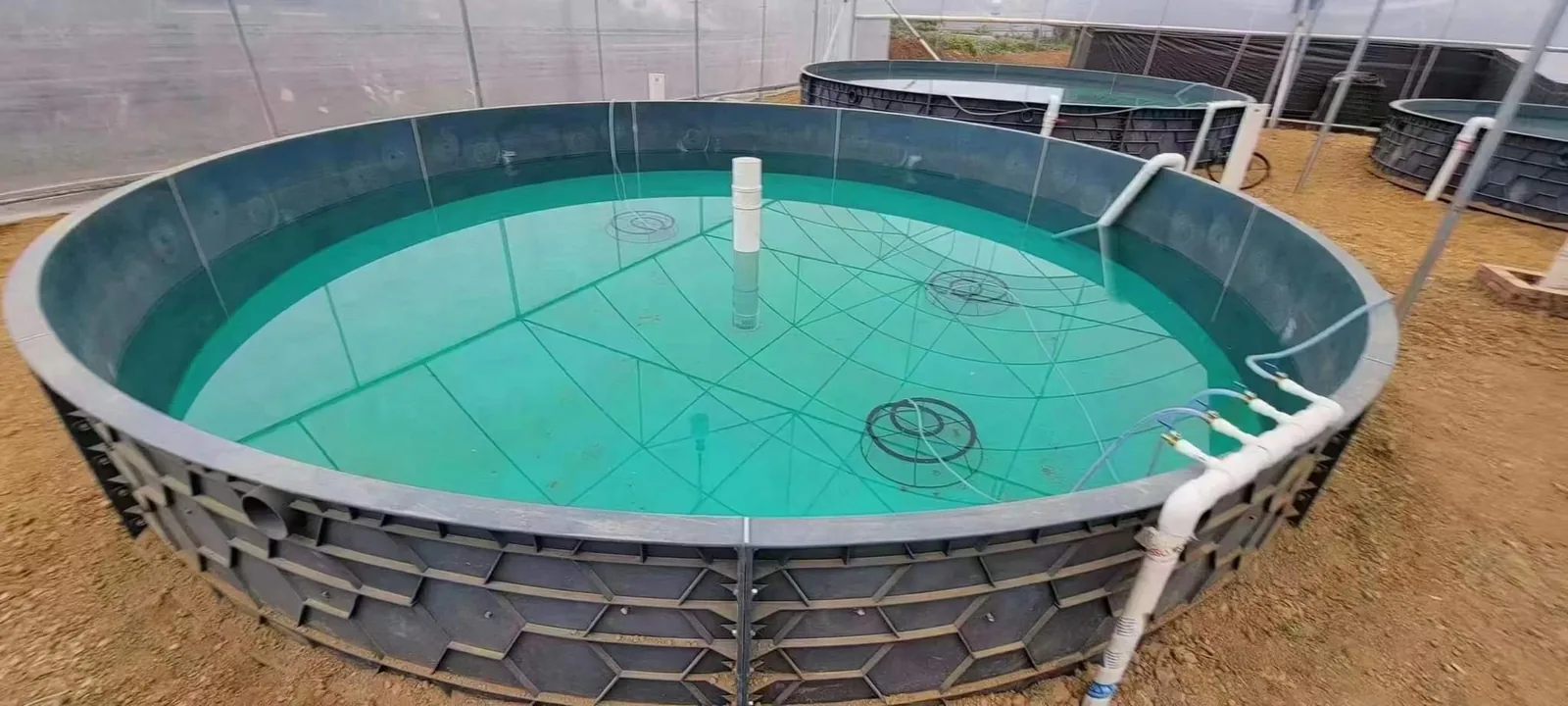
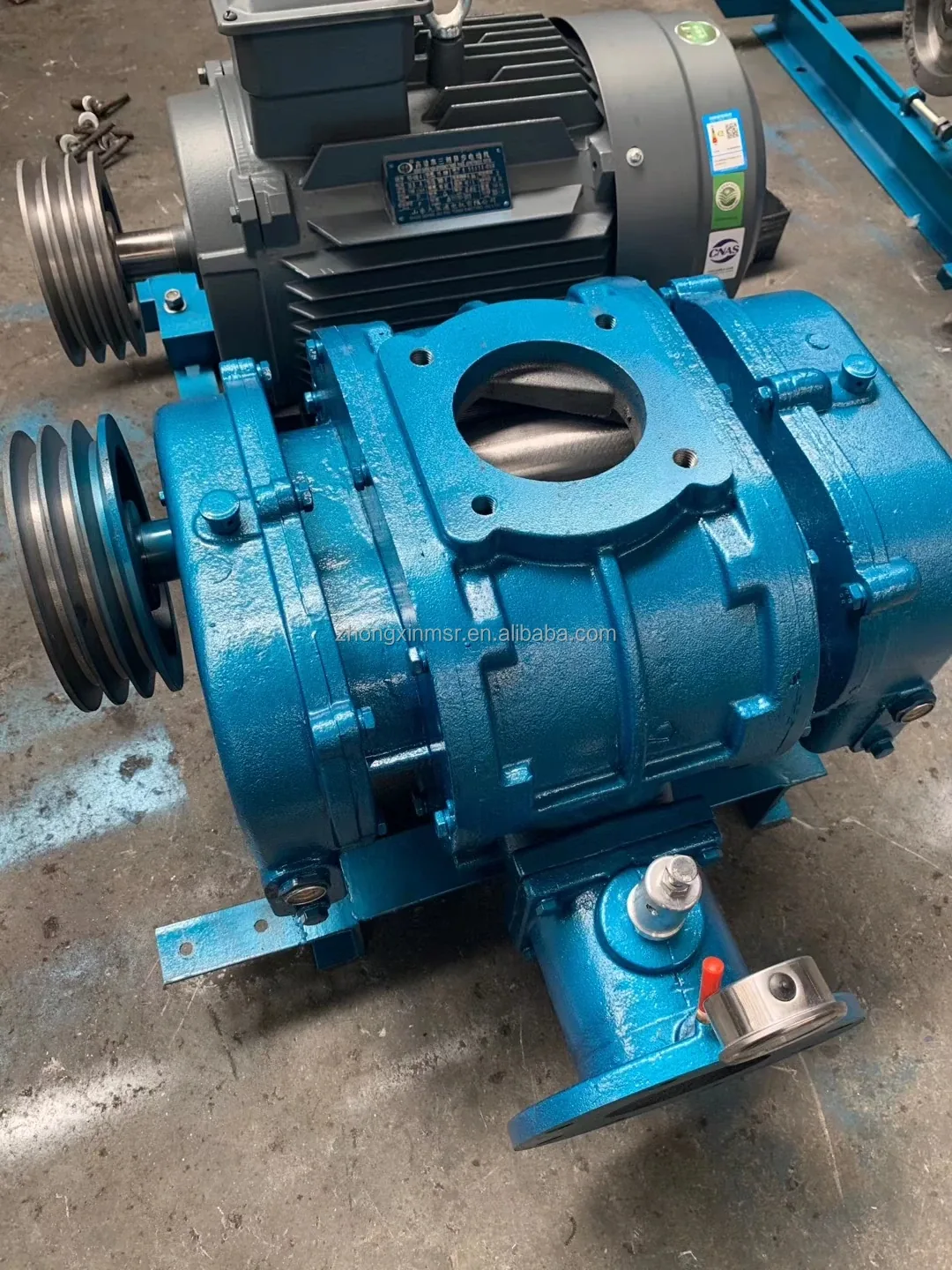
Bottom aeration means installing aeration discs on the pond floor and driving them with a roots blower through a main pipe, self-sinking line and disc distributors. Air rises from the bottom to the surface, lifting the low-oxygen bottom water and raising DO where it is most needed, while normal water circulation keeps oxygen balanced through the whole pond. The result is efficient oxygenation with less energy than surface equipment alone.
Keep DO stable all summer — not just at the surface, but at the bottom where your fish actually live. Tell us your pond area, average depth and stocking density and we will recommend the blower and disc layout within 24 hours.
Frequently asked questions
Q: Why does hot weather cause oxygen deficiency? A: Three reasons at once: oxygen solubility falls as water temperature rises and pressure drops, so the pond simply holds less; warmth multiplies the aerobic microbes that consume oxygen; and prolonged cloudy and rainy weather stops photosynthesis, so the oxygen plants would have added is lost too.
Q: What is turning the pond? A: A total die-off — the worst outcome of a summer oxygen crash, and one of the leading causes of loss in pond farming.
Q: Why aerate the bottom instead of the surface? A: Because most aquaculture water has plenty of oxygen at the surface but little at the bottom, yet the bottom is where most oxygen is consumed and demanded. Air rising from the floor lifts the low-oxygen bottom water and raises dissolved oxygen where it is needed, while normal circulation keeps the whole pond balanced.
Q: What equipment does bottom aeration use? A: Aeration discs on the pond floor, driven by a Roots blower through a main pipe, self-sinking line and disc distributors.
Q: What information is needed to size it? A: Pond area, average depth and stocking density — from those the blower and disc layout can be recommended.