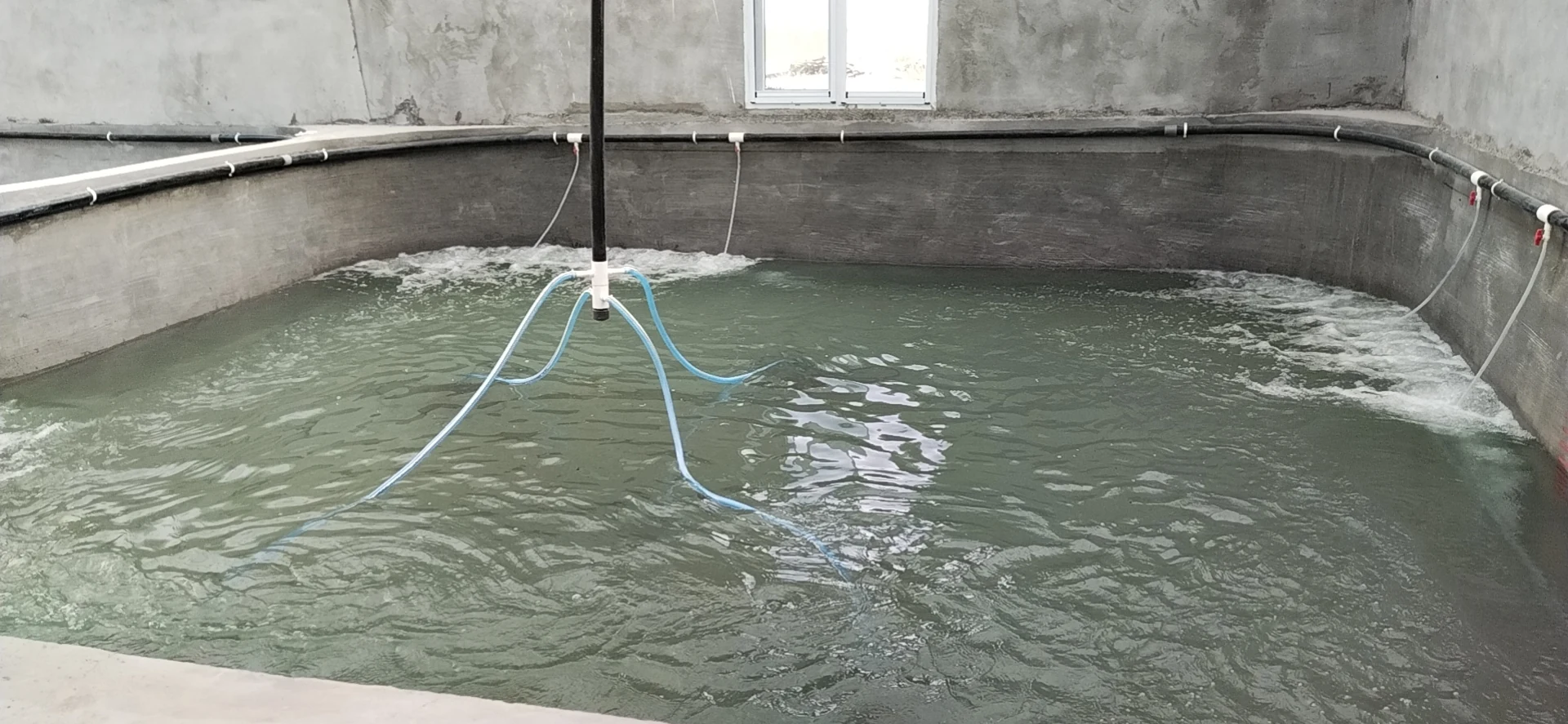
Dissolved oxygen is widely known as the soul of aquaculture — its fluctuations indirectly reflect the state of every other water-quality index. Here we look at the relationship between dissolved oxygen and aquaculture.
Where dissolved oxygen comes from
Most dissolved oxygen in the water body comes from photosynthesis by algae and aquatic plants. Strictly speaking, oxygen is a by-product of the carbon-reduction process in photosynthesis: CO2 + H2O → CH2O + O2. More than 60% of the dissolved oxygen in a water body comes from algae, which is why proper algae cultivation is necessary during farming.
Oxygen penetration from the atmosphere
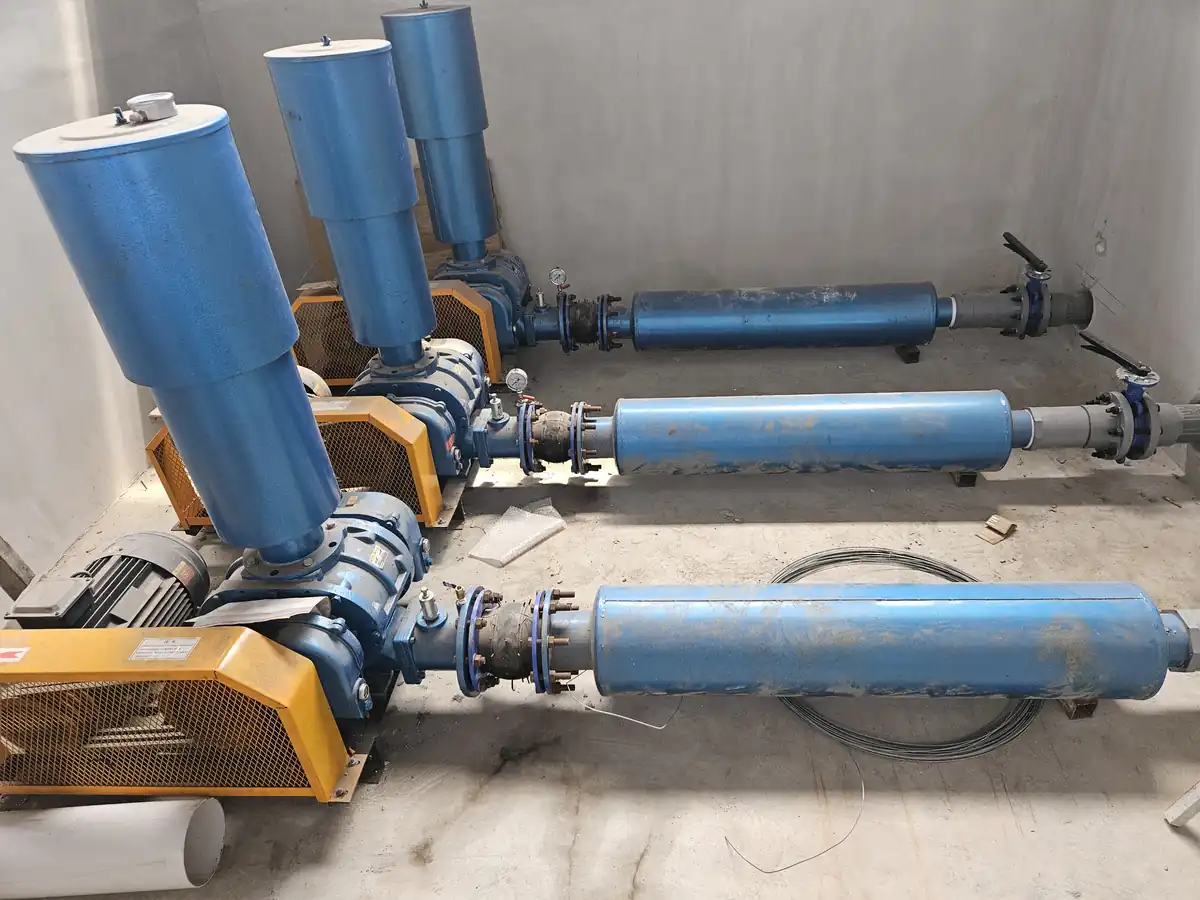
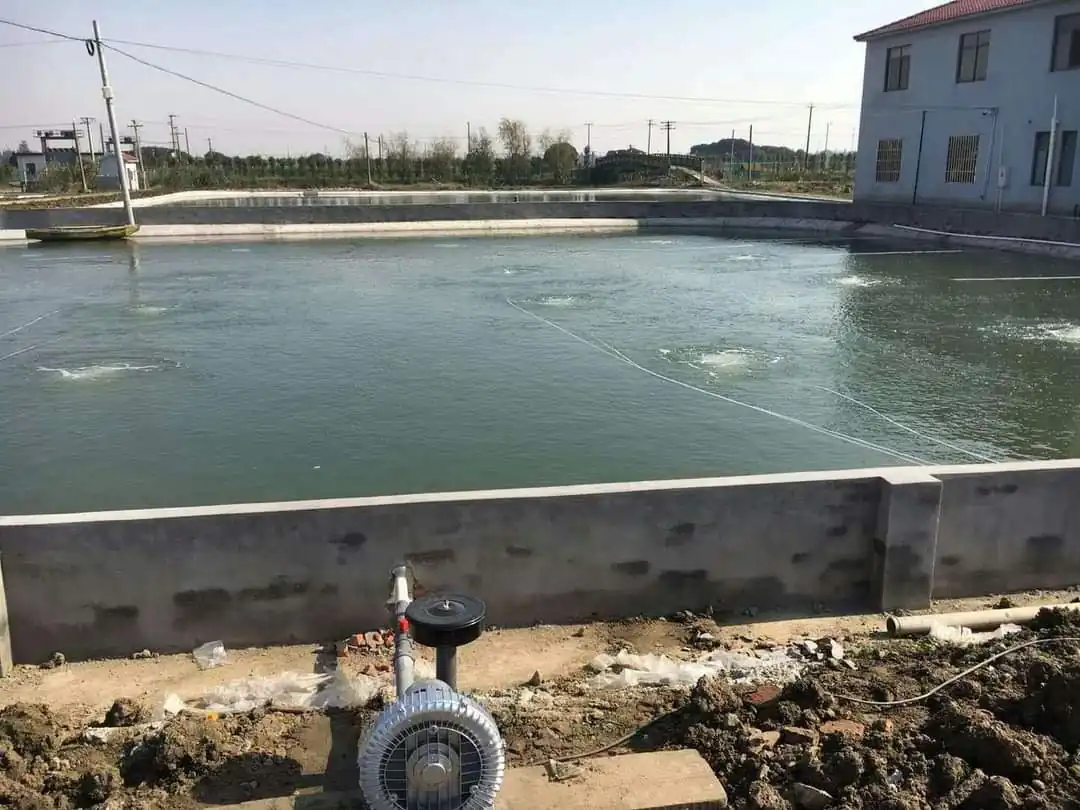
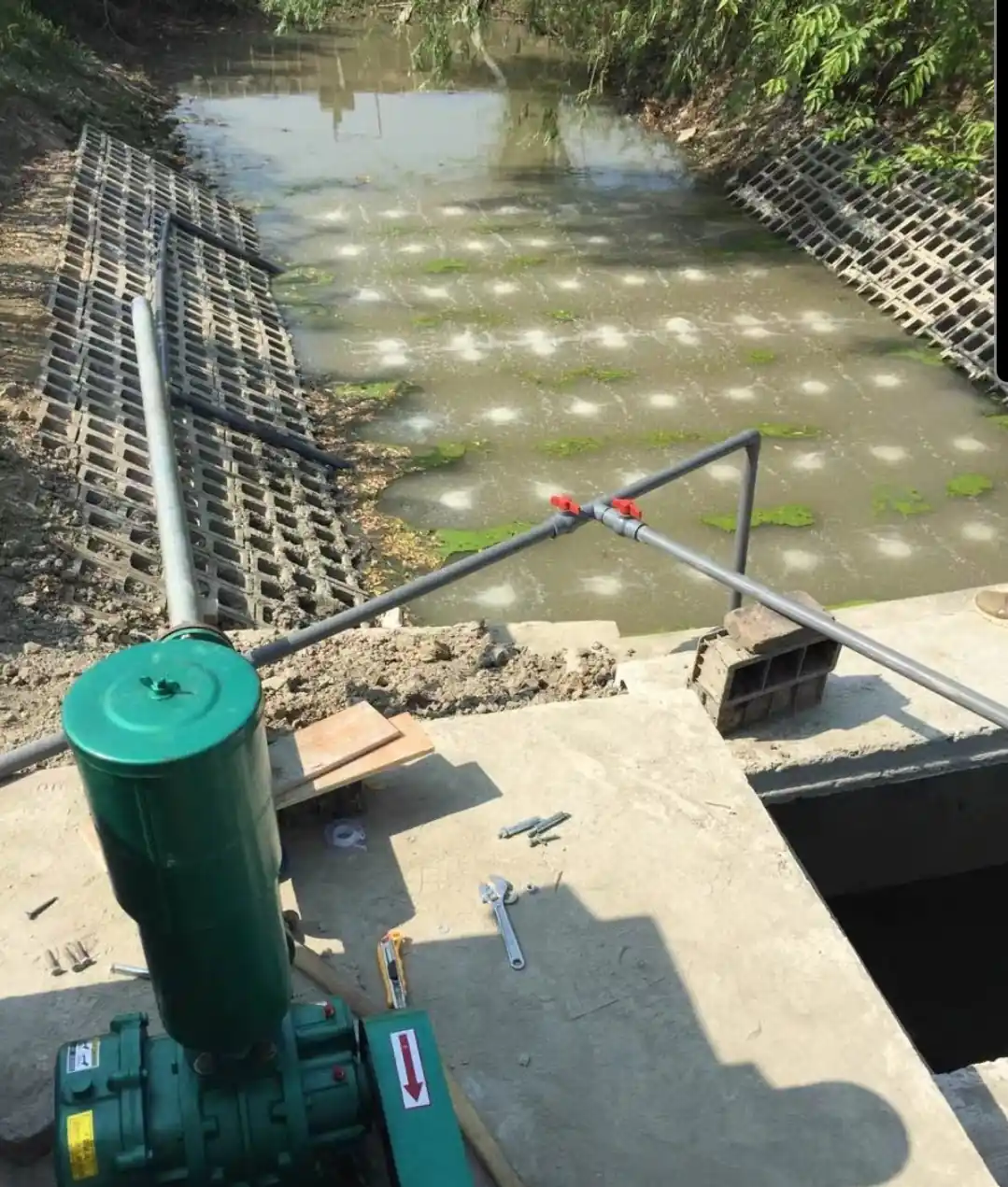
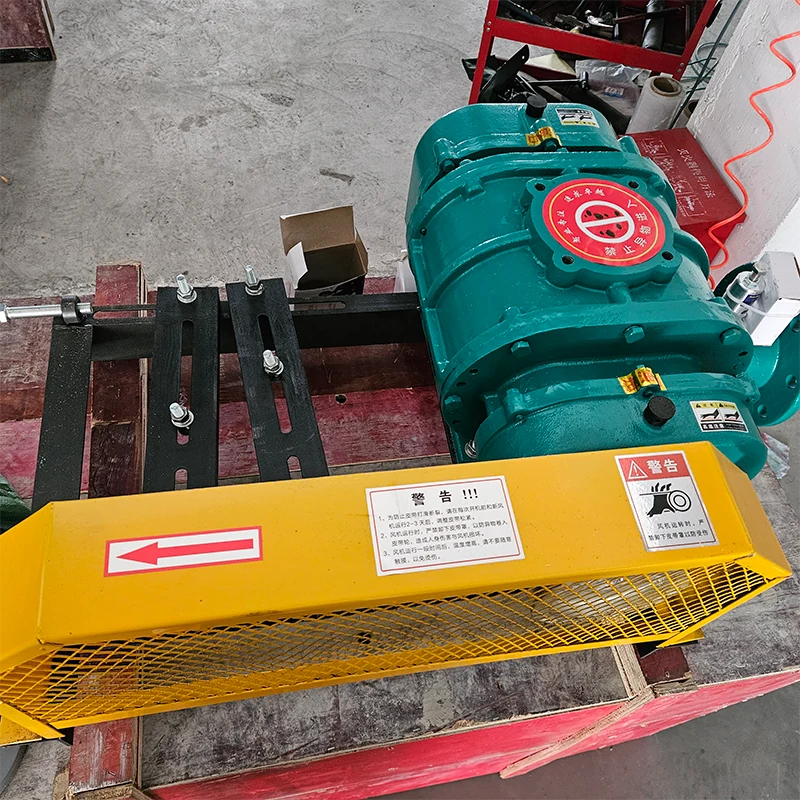
For example, through wind, running Roots-blower aerators, and water movement.
How dissolved oxygen is consumed
Dissolved oxygen is mainly consumed by respiration of algae, aquatic plants, farmed animals and microorganisms, as well as by decomposition of organic matter such as uneaten feed and faeces deposited on the pond bottom.
The dangers of too much dissolved oxygen
Excessively high dissolved oxygen raises the oxygen pressure of the water body. Over-high oxygen pressure can cause "oxygen poisoning" in farmed animals — especially harmful to juveniles, and can cause bubble disease. At the same time, high dissolved oxygen usually indicates an over-large algal population with an abnormal algal distribution, which easily triggers an algae crash when the weather changes. High dissolved oxygen can also generate large numbers of free radicals that damage many organs of the farmed animals. In a high-oxygen environment algae metabolism accelerates, causing algae to age and die quickly, which can suddenly deplete the pond's oxygen and kill the stock.
The dangers of insufficient dissolved oxygen
Low dissolved oxygen affects pond farming from two sides: the animals and the environment.
Animal side
1. Direct death. When dissolved oxygen falls below the animal's minimum tolerance for a period of time, the animal can suffocate and die directly.
2. Non-lethal injury. Brief severe hypoxia, even when not fatal, still causes serious harm to fish and shrimp.
3. Impaired immunity. Animals kept in low-oxygen water suffer impaired immune function and become more susceptible to pathogenic microorganisms.
4. Reduced stress resistance. Oxygen shortage makes animals more sensitive to environmental changes such as pH, temperature and salinity swings.
5. Lower digestion and absorption efficiency. Fish and shrimp digest, absorb and assimilate feed in proportion to the dissolved oxygen concentration — within a certain range, the higher the DO, the better the digestion and assimilation. So the pond's oxygen demand rises as the DO concentration falls.
Environmental side
1. Changed microbial ecology. Microorganisms in nature distribute along redox gradients, and different DO concentrations suit different microbes. Changing DO therefore changes the microbial population.
2. Higher pond oxygen demand. Low DO lowers digestion and absorption, wasting more feed, which then requires more oxygen to process.
3. Reduced self-purification capacity. Microorganisms oxidise organic matter at a rate proportional to the DO concentration. Low DO means pollution builds up faster while purification slows down, so pollutants accumulate quickly and the pond's pollution tolerance drops sharply — leading to degraded, aged and deteriorating water quality.
4. More pathogenic microorganisms. Almost all pathogens of aquaculture animals are facultative anaerobes. When oxygen is short, aerobic microbes lose their competitive edge and facultative anaerobes get their chance.
5. More toxic and harmful substances. Low DO produces reduced substances such as hydrogen sulfide, ammonia nitrogen and nitrite.