The Short Answer
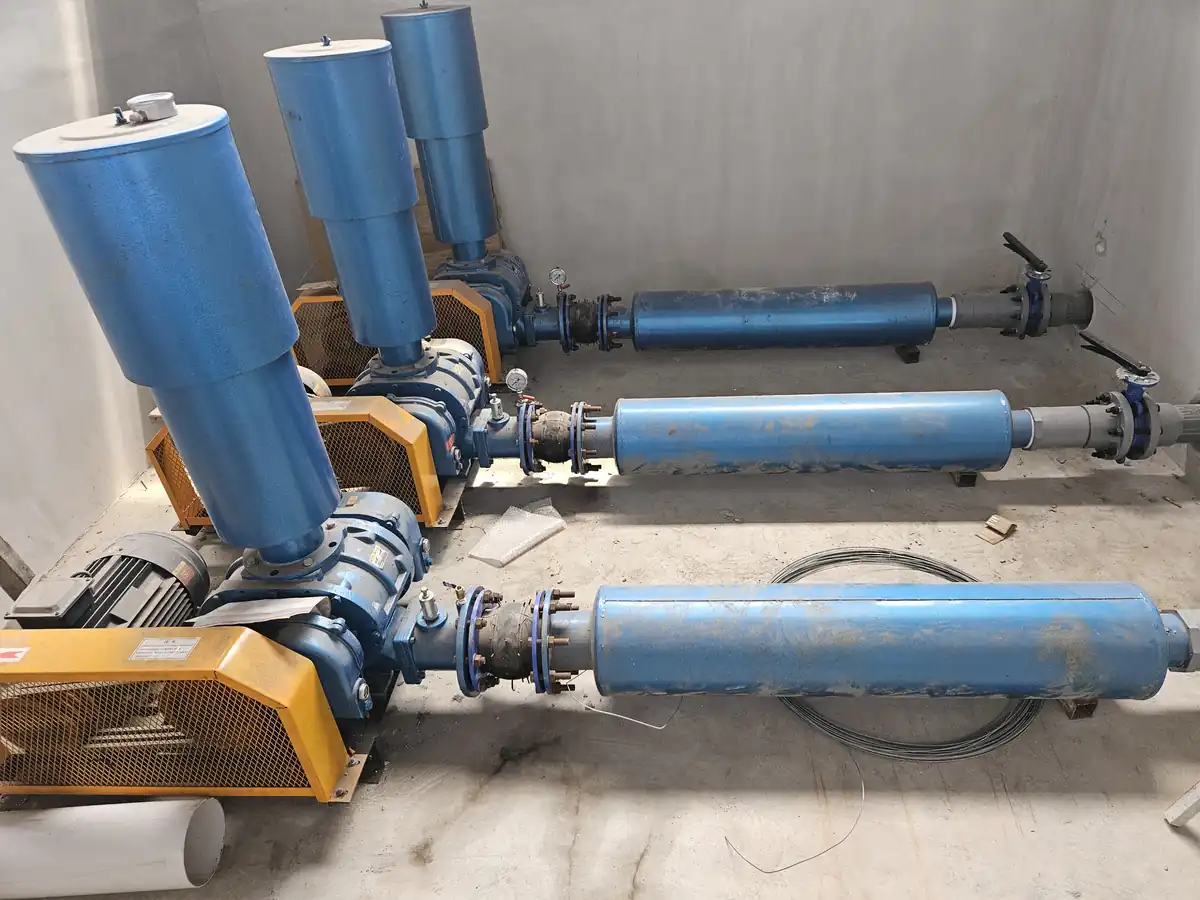
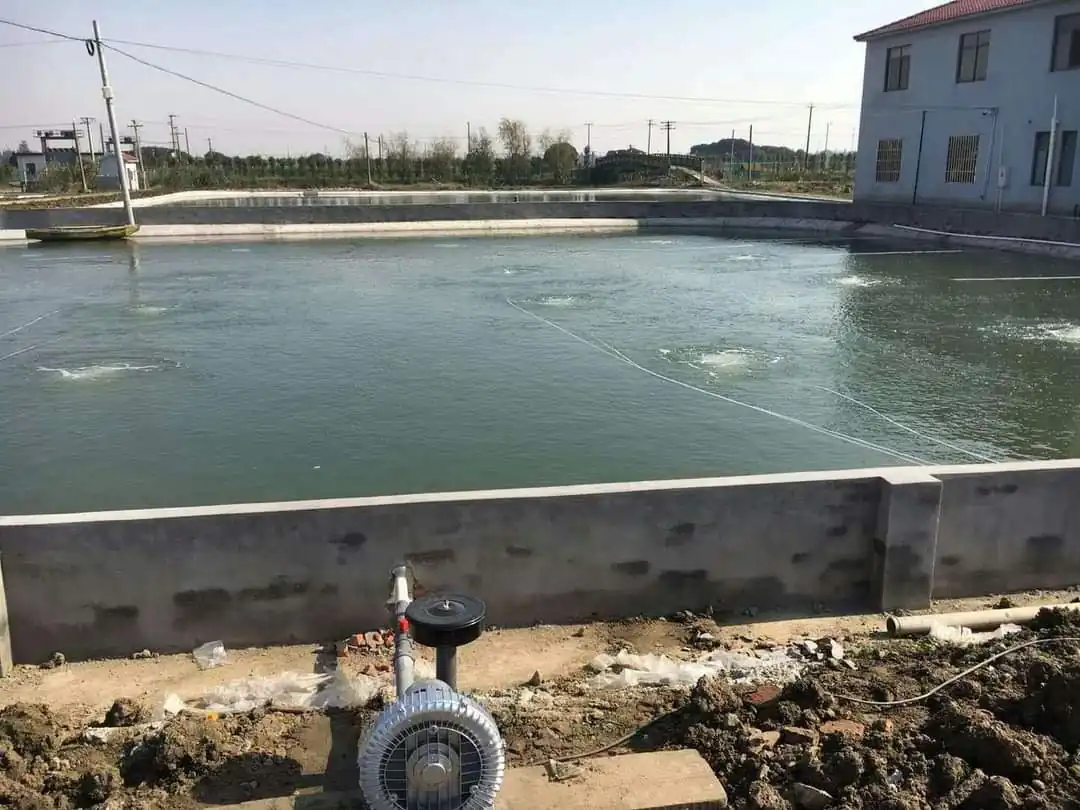
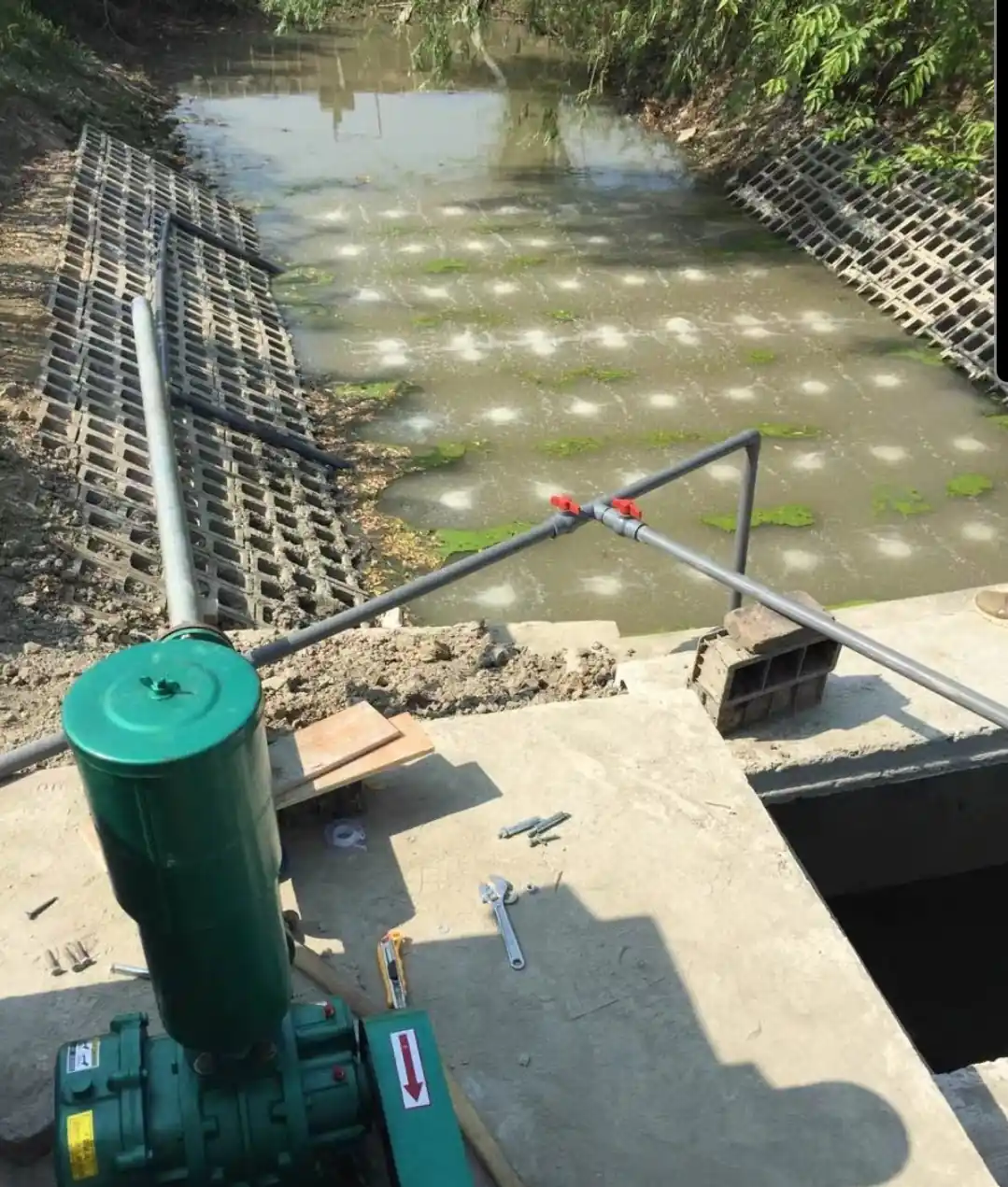
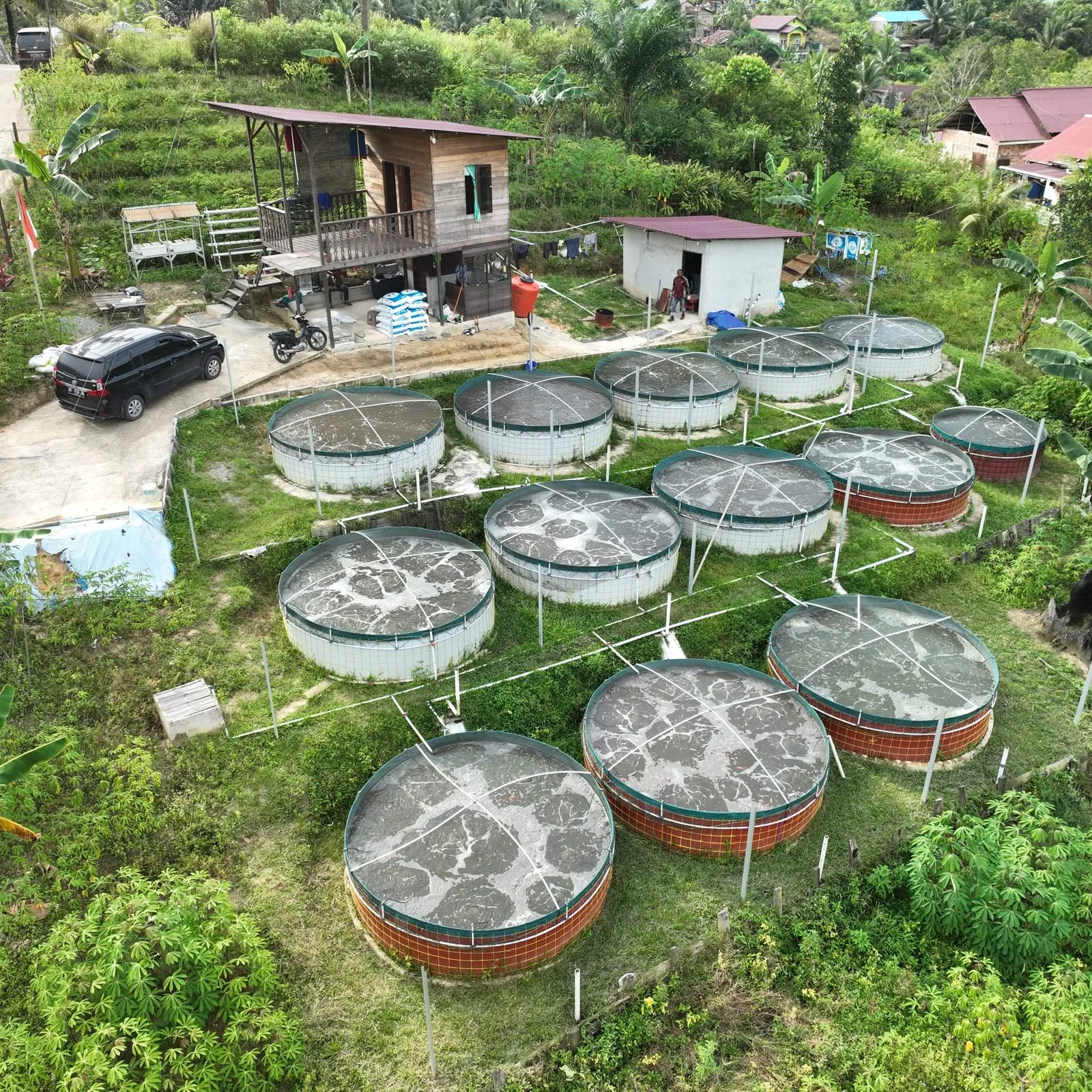
A complete bottom aeration system has five parts: roots blower → main pipe → branch pipes → microporous aeration tubing → valves and fittings, sized as one system. Budget roughly 1 kW of blower power per 100–150 m of tubing, lay tubing lines 3–5 m apart and 10–20 cm above the pond bottom, and aim for dissolved oxygen of 4–6 mg/L at the bottom. Buying the components as one engineered package avoids the most common failure in aquaculture: mismatched blower and diffuser.
---
Why You Need More Than Just a Blower
Many farmers buy a blower and a roll of tubing and assume the system will work. It often doesn't, because the five components must match:
1. Blower — must deliver enough air (FAD) at enough pressure (water depth + friction + headroom).
2. Main pipe — carries air from the blower to the pond edge; sized so friction stays under ~10% of total pressure.
3. Branch pipes — distribute air across the pond; laid along the banks or in trenches.
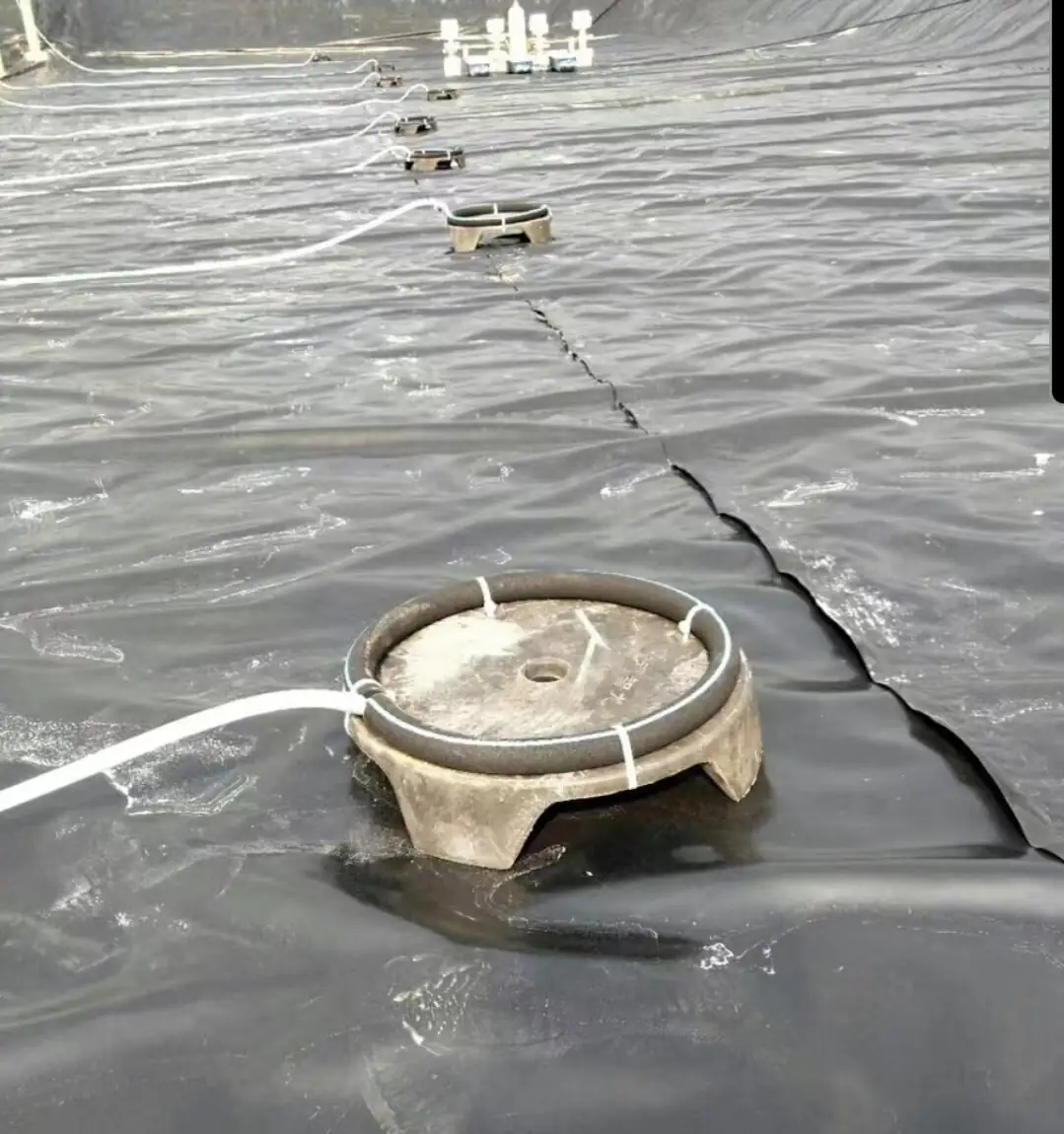
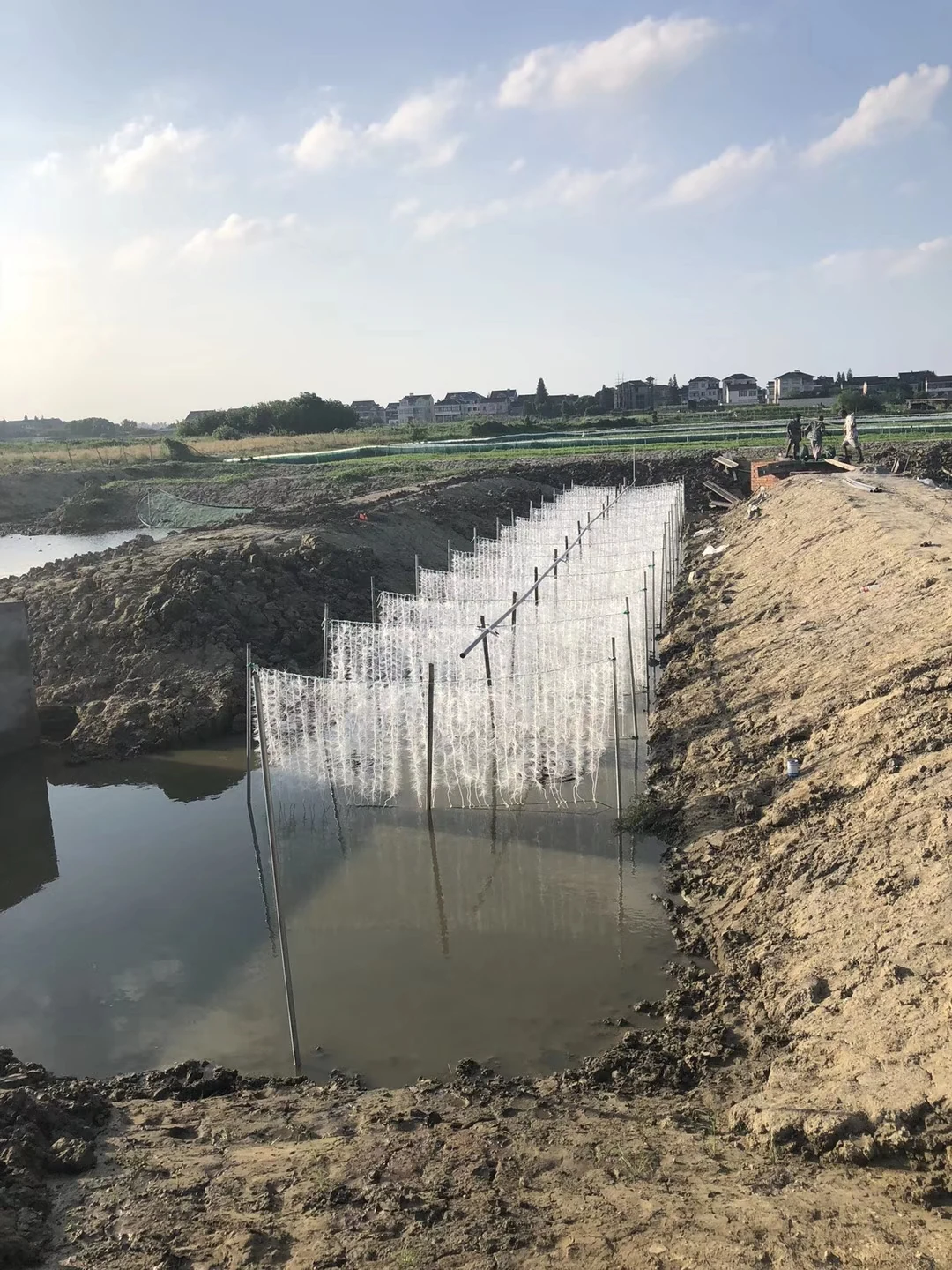
4. Diffusers (tubing) — the part that actually dissolves oxygen; sized by service area (1–8 m² per metre).
5. Valves and fittings — isolate lines, balance flow, and allow maintenance without draining the pond.
Mismatched components are the #1 cause of "my aeration system doesn't work" complaints. A 3 kW blower with undersized main pipe loses half its air to friction before it reaches the pond.
---
System Layout: From Shore to Bottom
[Blower house on shore]
        │  (main pipe, underground or above ground)
        ▼
[Manifold with isolation valves] — at pond edge
        │
        ├── branch pipe 1 ── aeration tube lines (3–5 m apart)
        ├── branch pipe 2 ── aeration tube lines
        └── branch pipe 3 ── aeration tube lines
Key layout rules:
- Blower on shore, in a dry, ventilated shelter, protected from rain and dust; keep the intake filter clean.
- Main pipe sized for total air flow with <10% friction loss; avoid sharp bends.
- Tubing lines parallel, 3–5 m apart, fixed 10–20 cm above the bottom so sludge cannot seal the pores.
- Isolation valves on each branch so one pond/line can be shut off without stopping the blower.
- Drain points at low spots of the pipe run to remove condensation.
---
Sizing the System in 3 Steps (Quick Recap)
Step 1 — Tubing length from pond area
Service area 1–8 m² per metre of tubing. For a 10-mu pond (0.67 ha), 150–300 m of tubing is a typical starting point.
Step 2 — Air flow from tubing length
Working air flow 0.1–0.4 m³/h per metre. 300 m at 0.2 m³/h·m = 60 m³/h (1.0 m³/min) FAD.
Step 3 — Blower model from air + pressure
| Pond | Tubing | Blower | Motor |
|---|---|---|---|
| 1–3 mu | 30–50 m | ZXMSR-65 | 0.75–1.5 kW |
| 3–5 mu | 50–80 m | ZXMSR-80 | 1.5–3 kW |
| 5–10 mu | 80–150 m | ZXMSR-100/125 | 3–5.5 kW |
| 10–20 mu | 150–300 m | ZXMSR-150/175 | 5.5–15 kW |
Pressure = water depth + 15–20% headroom (see the roots blower sizing guide).
---
What a Complete System Should Include (Checklist for Buyers)
When requesting a quote, make sure the supplier lists:
- Roots blower with intake filter, silencer, and pressure gauge
- Main pipe and branch pipes (material, diameter, length)
- Microporous tubing (size, micropore density, service area, total length)
- Manifold with isolation valves and fittings
- Tubing holders/supports to keep lines off the bottom
- Installation layout drawing and sizing calculation
- Spare parts: seals, belts, extra fittings
A supplier that cannot provide the last two items is selling components, not a system.
---
Frequently Asked Questions
Q: How much does a complete system cost vs. buying parts separately? A: A packaged system often costs less than the sum of separately sourced parts, because the supplier sizes everything once and buys at volume. More importantly, you avoid paying twice for a mismatched blower.
Q: Can I install it myself? A: Basic installation is straightforward (lay pipes, connect manifold, sink tubing), but the sizing calculation should be done by an engineer. Ask for the layout drawing and follow it.
Q: How deep can the system work? A: Microporous systems are typically rated to 3–5 m water depth. Deeper ponds need a higher-pressure blower—confirm the blower's pressure–flow curve.
Q: What is the running cost? A: A well-sized system runs at about 0.15 kW per mu. A 10-mu pond typically consumes 30–60 kWh per day during the growing season depending on DO targets and weather.
Q: How do I add more ponds later? A: Design the main pipe and manifold with spare capacity from day one, or install isolation valves so future branches can be added without downtime.
---
The Bottom Line
Aeration works when the five components are sized as one system: blower, main pipe, branches, diffusers, and valves. Start from the diffuser's service area, derive air flow and pressure, and pick the blower model with headroom.
Zhongxin Machinery supplies the complete package—ZXMSR roots blowers, main and branch pipes, microporous tubing, manifold, and layout drawings—so you buy one engineered system instead of five guessed parts. Send your pond plan (area, depth, number of ponds) and we will reply with a complete equipment list, layout sketch, and energy estimate.
Explore the ZXMSR roots blower range →
---
References: FAO aquaculture guidelines on pond aeration; University of Florida IFAS extension notes on dissolved oxygen management; SRAC publications on aeration for aquaculture ponds; Global Seafood Alliance shrimp farming resources; scientific reviews on diffused aeration efficiency.