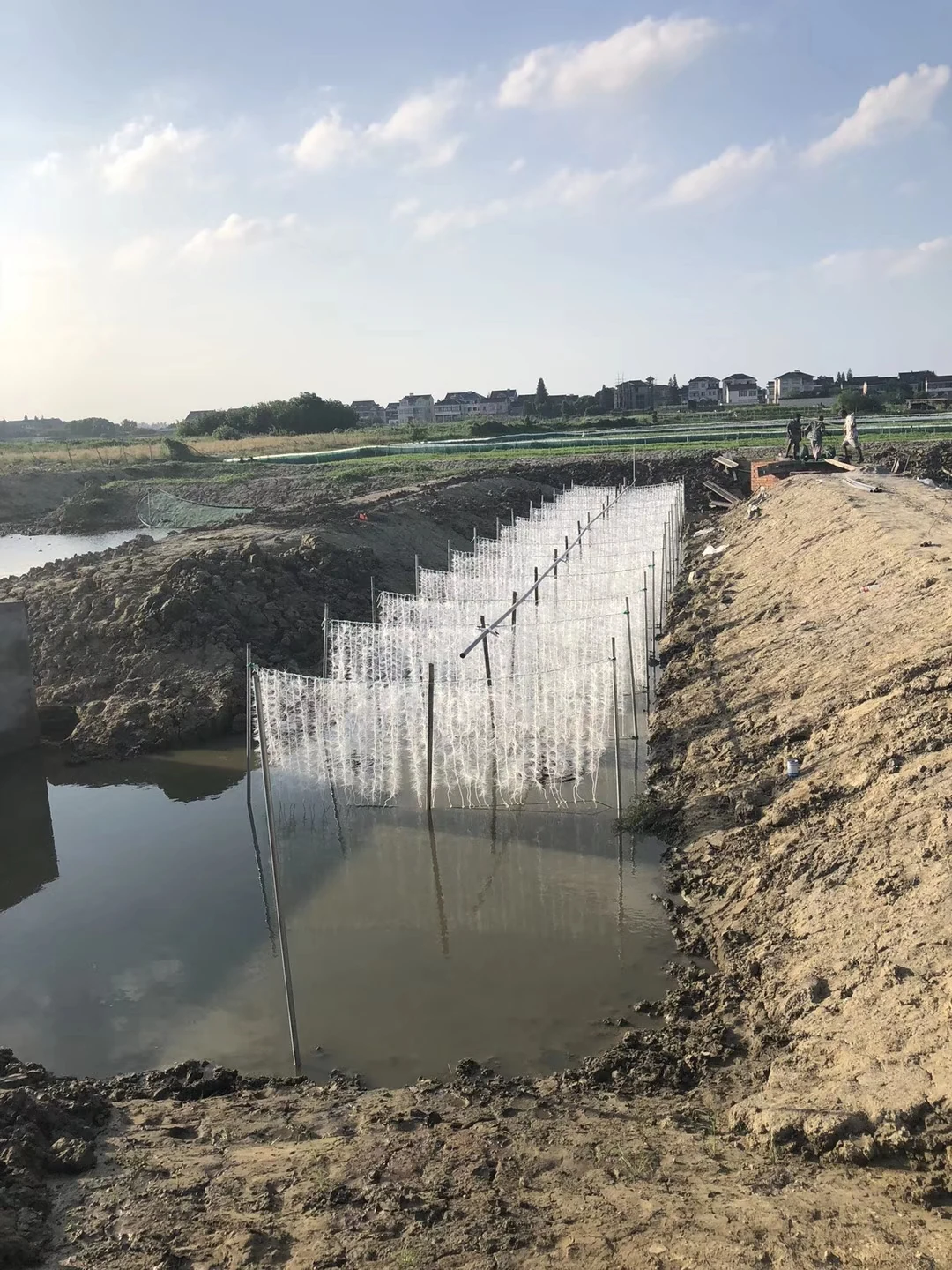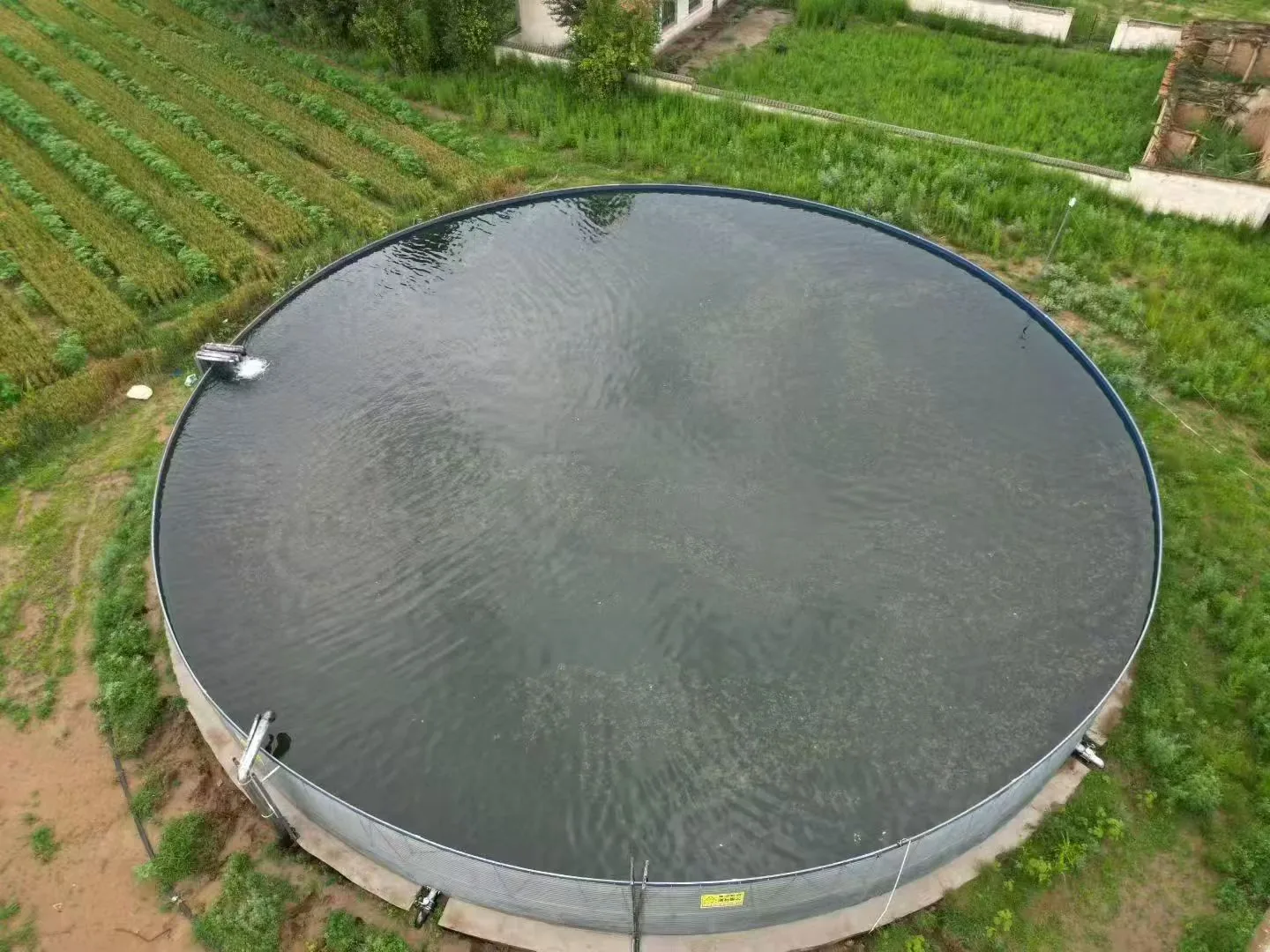
In early spring, different time points call for different management measures. Here is what fish farmers should pay attention to.
1. Pond cleaning
Remove as much accumulated silt as possible, then disinfect with quicklime or bleaching powder to kill parasite eggs and other pathogens. Reinforce the pond banks at the same time.
2. Disinfection
Early spring is the key period for hatching and stocking. Buy fry from a regular hatchery and only stock robust, uniform-sized fry. Fifteen days before stocking, spread dissolved quicklime slurry over the whole pond to kill wild fish and harmful bacteria. Seven days before stocking, fertilize the water so rotifers and other natural food are available for the fry.
3. Stocking the fry
Soak fry in 1–4% salt water for 5–10 minutes before release. Let the fry bags float in the pond to adapt to the water temperature, then release slowly. Start feeding as early as possible after stocking.
4. Water quality
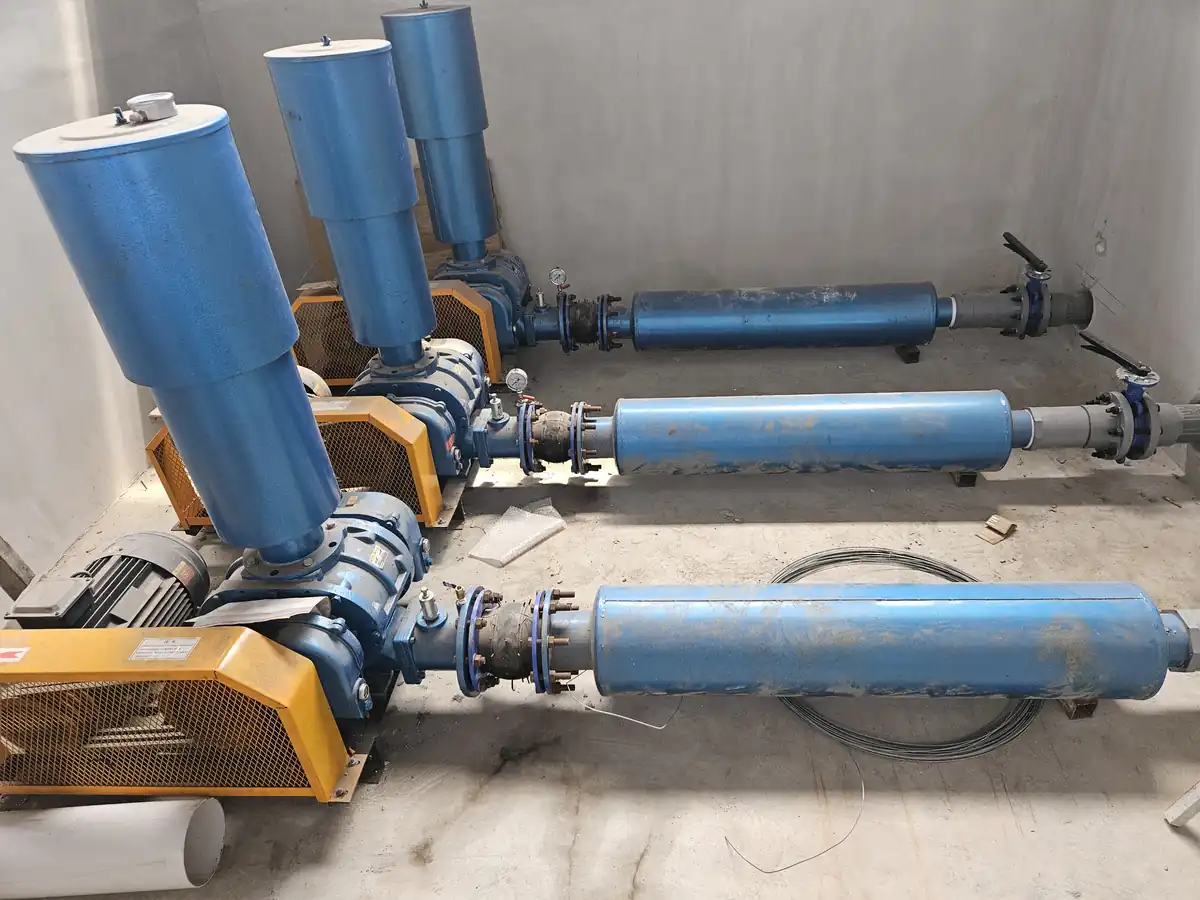
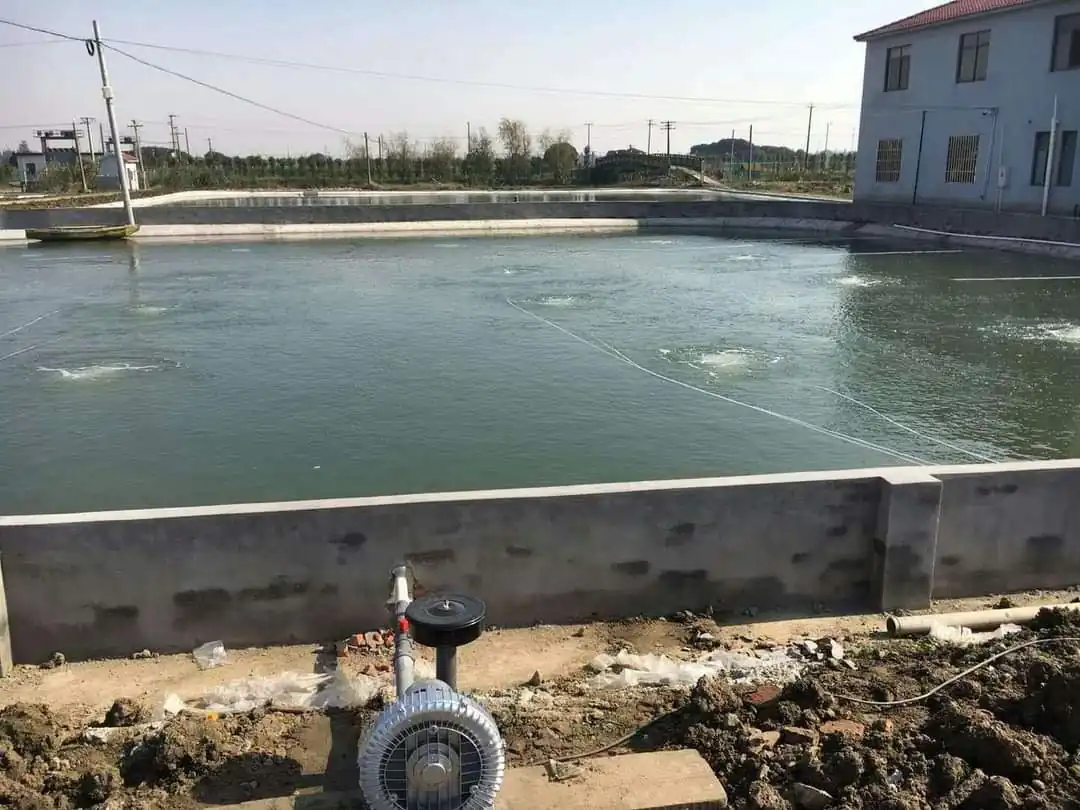
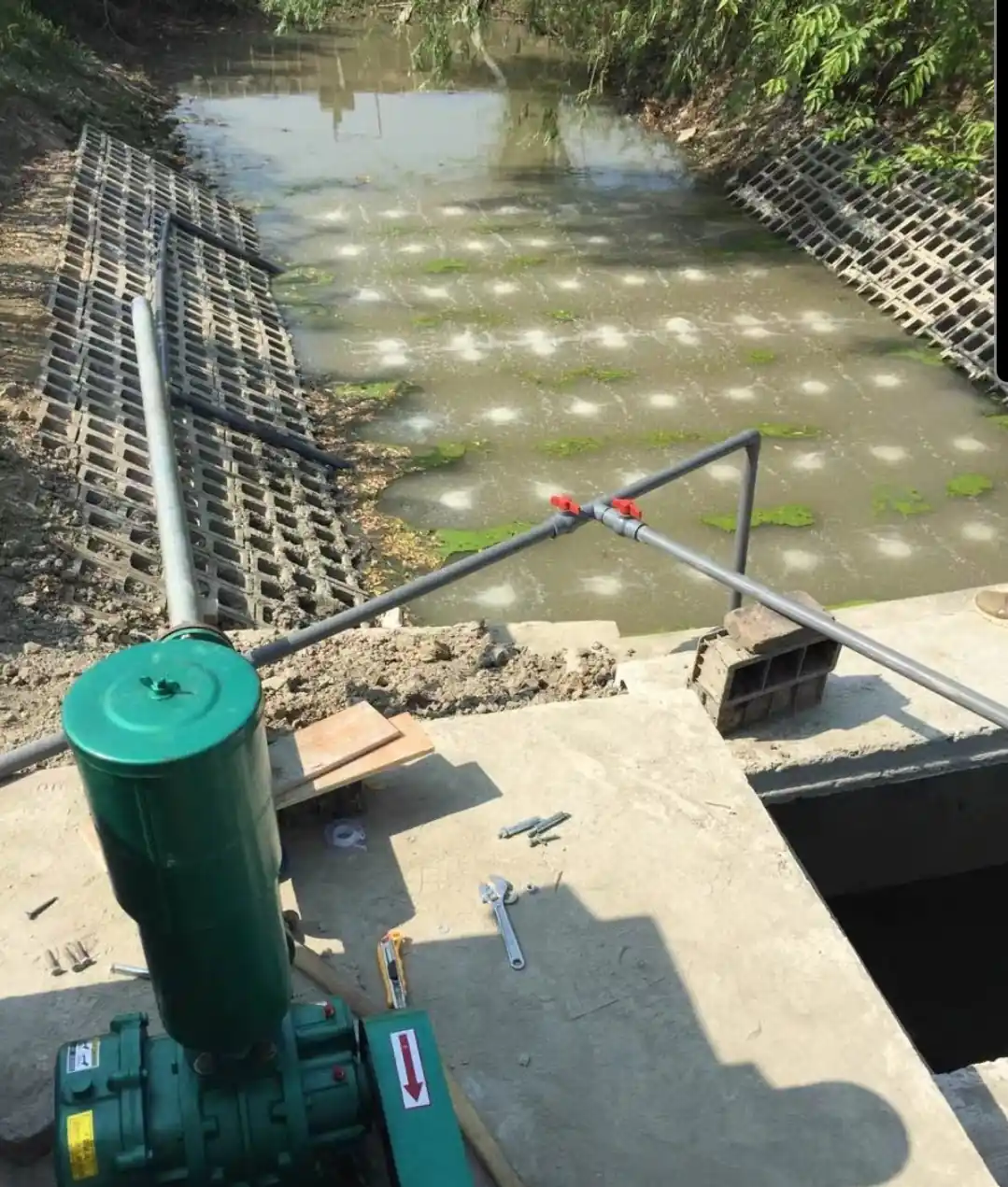
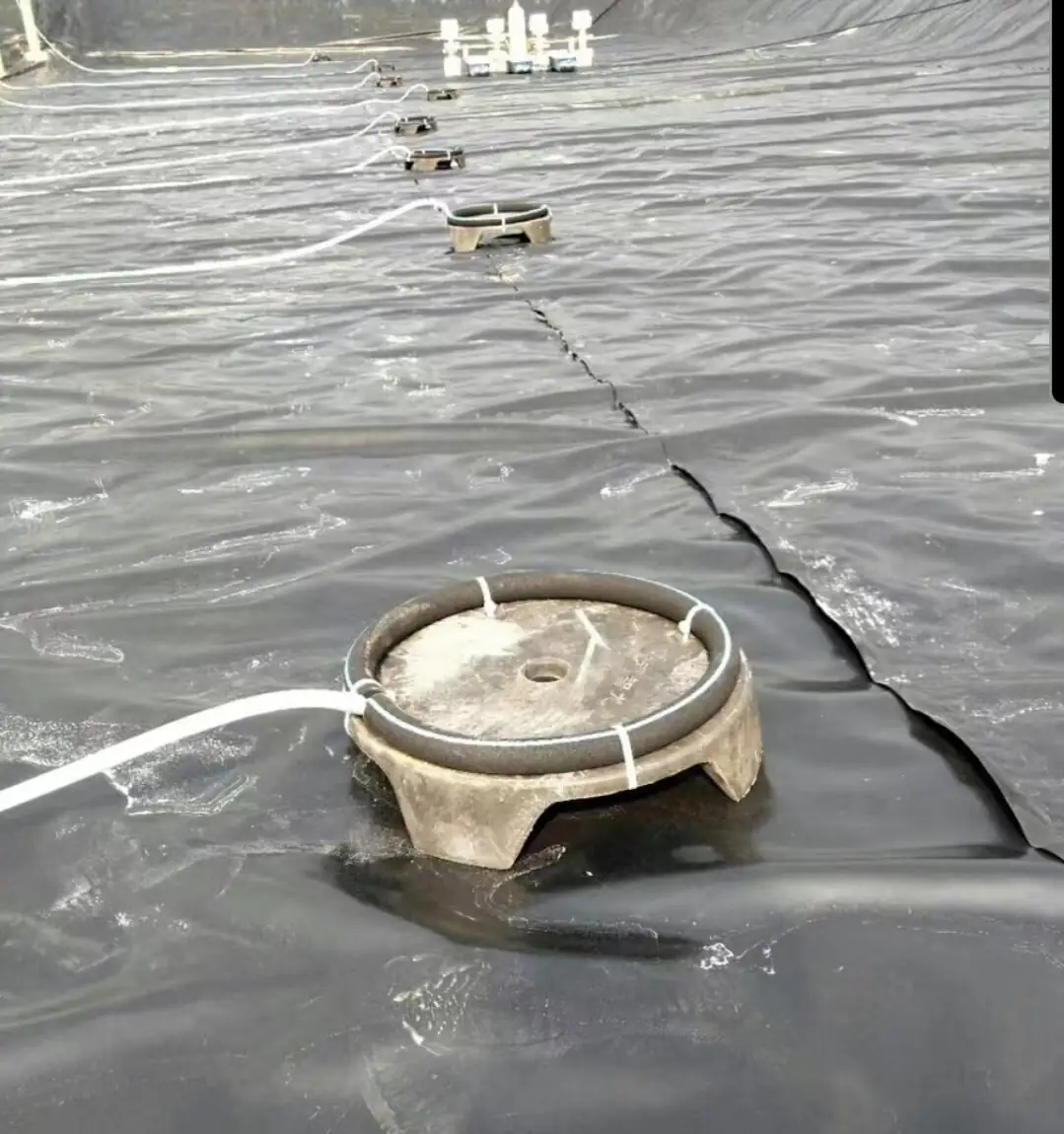
Keep pond depth around 1 m in early spring and maintain lively, rich, clear water. Watch for common spring diseases and parasites. If continuous overcast weather suddenly changes water quality, change or top up water in time and run a Roots blower with nano aeration tubing to re-oxygenate and improve the water.
5. Disease prevention
Common early-spring fish diseases include trichodiniasis (wheelworm), ichthyophthiriasis (white spot) and saprolegniasis (water mold). For trichodiniasis, soak fry in salt water for 3–10 minutes or mix parasite-control additives into the feed. For white spot, soak in 3–5% salt water or use appropriate treatments. For water mold, apply pond-wide treatments as recommended.